REVIEW · NEW YORK CITY
9/11 Memorial & Ground Zero Tour with Optional Museum Ticket
Book on GetYourGuide →Operated by ExperienceNYC · Bookable on GetYourGuide
Ground Zero hits differently with local context. This 2-hour walk from City Hall to the 9/11 Memorial is driven by a personal New Yorker perspective and a small-group pace that keeps things human, not like a history lecture.
I especially like the fact that your guide connects what you’re seeing to what they (or their community) have carried since 9/11, so the stops land with real weight.
I also like the rhythm: you move through places like St. Paul’s Chapel, the Oculus, and the Memorial pools at a respectful speed, with time to pause at the Survivor Tree and read the names. One possible drawback: if you choose the optional museum, you’ll want to align your timing carefully since entry is handled via scheduled, timed access.
In This Review
- Key highlights worth caring about
- Ground Zero with a guide who makes it personal
- Meeting at City Hall: start where the story begins
- St. Paul’s Chapel: the Little Church That Stood
- Trinity Church and the walk that keeps you moving
- The FDNY Ten House pause: hearing from the responders’ world
- Oculus Center: hope and rebirth you can actually see
- One World Trade Center stop: understanding the rebuilt area
- The 9/11 Memorial pools: reading the names and absorbing the design
- Survivor Tree: resilience you can see, not just hear about
- Optional museum with timed-entry: what it adds and when to choose it
- The 2-hour format: respectful pacing without feeling stuck
- Price and value: why $32 makes sense for this kind of storytelling
- Who this tour suits best
- Should you book this Ground Zero and 9/11 Memorial tour?
- FAQ
- Where does the tour start?
- How long is the tour?
- Is the 9/11 Museum included?
- Will I visit the 9/11 Memorial pools and the Survivor Tree?
- What are the main stops on the walking route?
- What is the group size?
- What language is the tour guide?
- Is the tour wheelchair accessible?
- Do I need to wait in lines for the museum?
- What is the cancellation policy?
Key highlights worth caring about
- New Yorker guide with a personal 9/11 connection that turns landmarks into lived stories
- Max 15 guests for an intimate group size and quieter, more controlled flow
- St. Paul’s Chapel and the FDNY area stops that frame the emergency response and aftermath
- Oculus Center symbolism (the dove-shaped design meant to represent hope and rebirth)
- Twin reflecting pools with nearly 3,000 names plus a visit to the Survivor Tree
- Optional timed-entry to the 9/11 Museum, with your guide escorting you in
Ground Zero with a guide who makes it personal
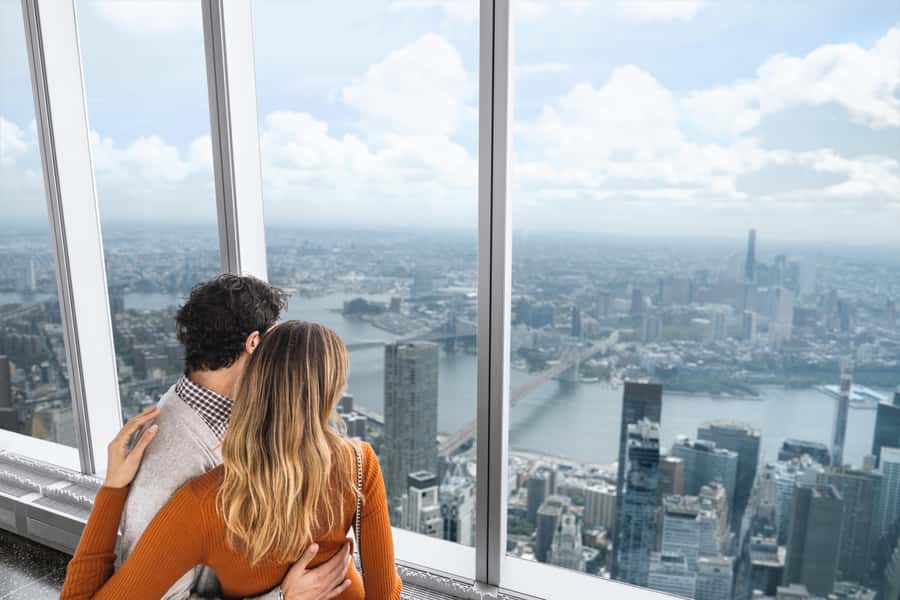
This tour works because it refuses to let you treat 9/11 like a set of photos. With a local New Yorker leading you, you don’t just learn what happened—you also understand how it changed daily life, memories, and community bonds.
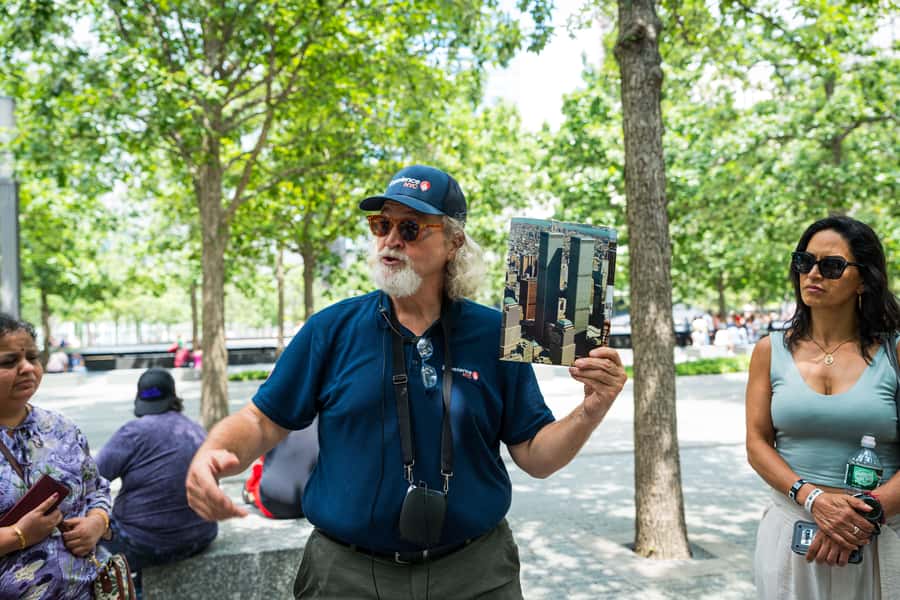
If you’re the kind of traveler who likes to get oriented quickly, you’ll appreciate the way your guide gives context as you walk. People have praised guides by name in past trips, including Jared for patience with families, Ray for checking in about comfort, and Fred for a passionate, moving delivery. That kind of care matters on emotionally heavy ground.
You can also read our reviews of more tours and experiences in New York City



Meeting at City Hall: start where the story begins
You meet at the City Hall Subway Station area, right at Warren Street and Broadway, in front of the station for lines R and W. It’s a practical launch point because you’re already close to Ground Zero, so you’re not burning time commuting across town before the experience begins.
Plan to arrive a few minutes early so you can settle in and start on time. This is one of those tours where being rushed at the start can throw off your mood for the next two hours.
St. Paul’s Chapel: the Little Church That Stood
Your first major stop is St. Paul’s Chapel, often described as the Little Church That Stood. The big reason it matters here is that it survived the Twin Towers’ collapse and served as a sanctuary and volunteer center during the days that followed.
A guided visit at St. Paul’s Chapel can feel like a shift in tone. You’re still in the world of 9/11, but now you’re also in the world of care—people helping people, inside a place that kept standing when so much didn’t.
Trinity Church and the walk that keeps you moving
As you continue through the route, you’ll also visit Trinity Church with a guided stop. You’ll spend enough time to take it in with explanation rather than just passing by while you’re on the move.
The value of adding these church stops isn’t that they’re trendy. It’s that they help you see 9/11 as something that unfolded next to ordinary institutions, routines, and community spaces—not far away and abstract.
The FDNY Ten House pause: hearing from the responders’ world
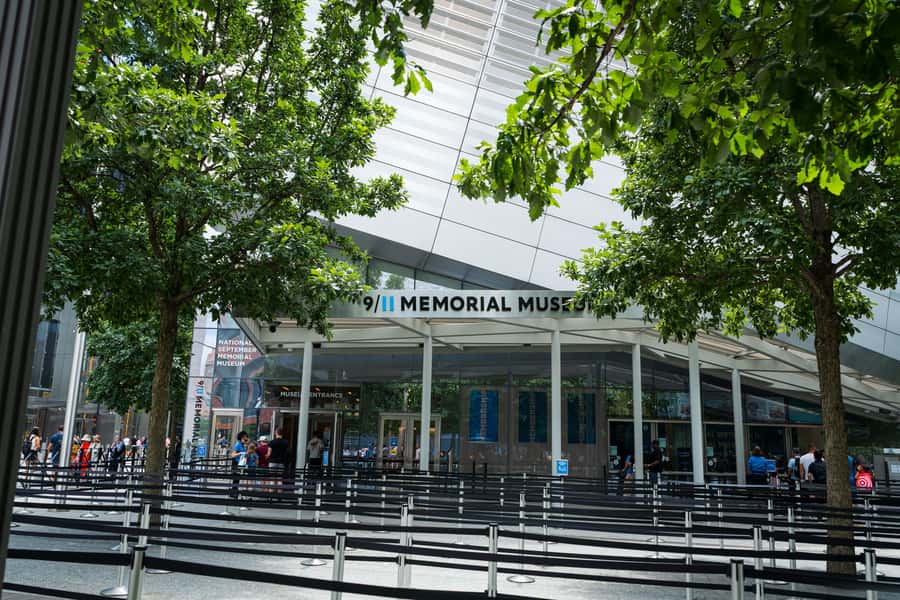
Along the way, you’ll pause outside FDNY Ten House, the fire station closest to the Twin Towers, and hear stories about the firefighters who responded. Even if you’ve read about 9/11 before, hearing the emergency-response angle from a guide with a personal connection changes how the day feels in your body.
This is also where the small-group size earns its keep. With fewer people, your guide can pace the story better and handle questions without steamrolling anyone’s ability to process.
You can also read our reviews of more museum experiences in New York City



Oculus Center: hope and rebirth you can actually see
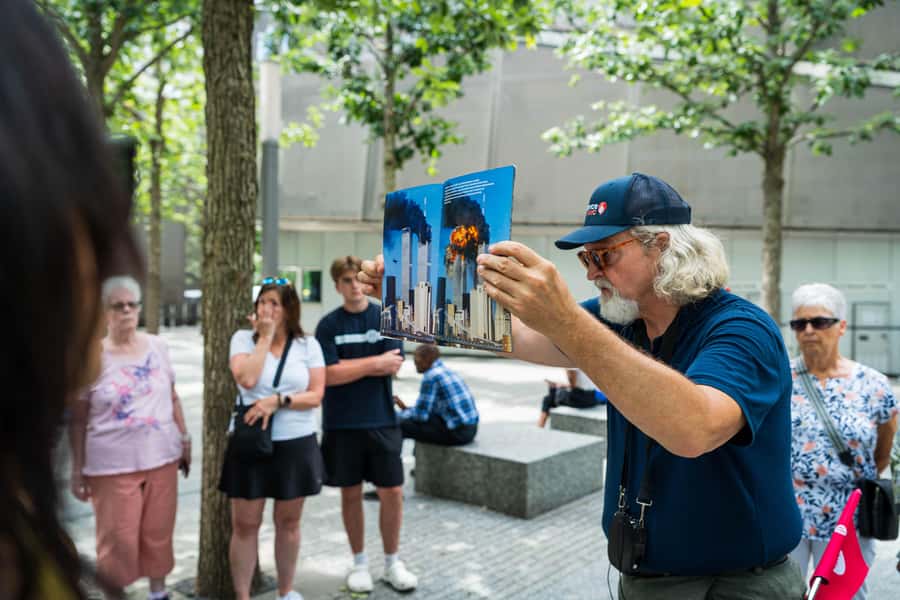
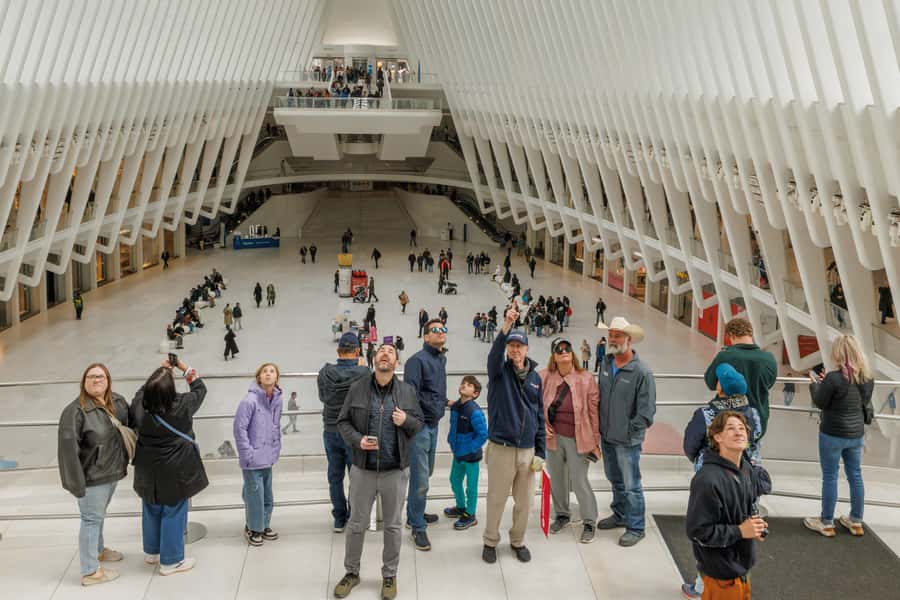
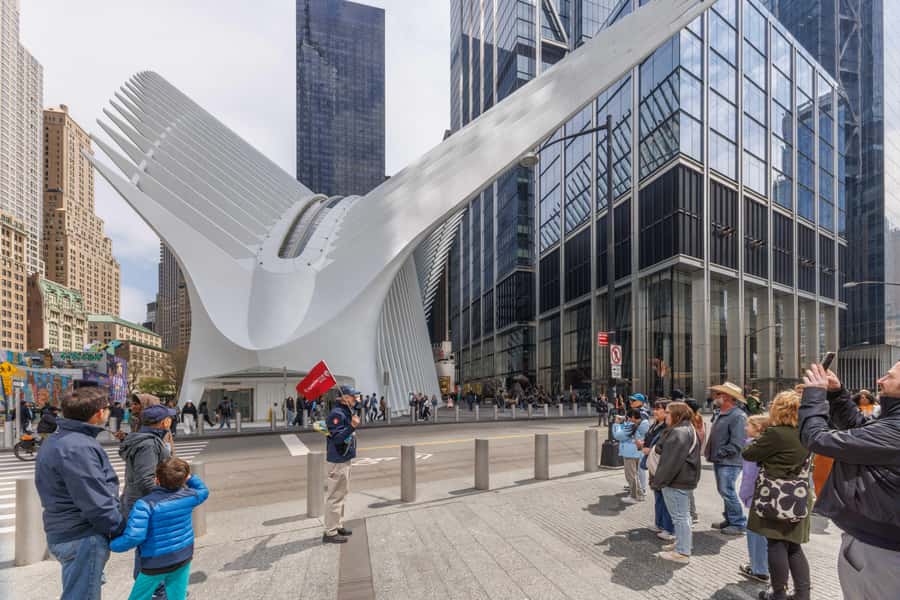
Next up is the Oculus Center, the dove-shaped transportation hub. Your guide will explain the symbolism behind it, including how the design represents hope and rebirth.
What I like about this stop is that it doesn’t try to force optimism. It gives you a physical space where rebuilding becomes visible—an architectural message you can walk around and interpret, rather than something you only learn from a book.
And practically, it’s a useful midpoint. You’re able to reset your footing and attention after the more intense memorial-adjacent stops, before you get to the names and the pools.
One World Trade Center stop: understanding the rebuilt area
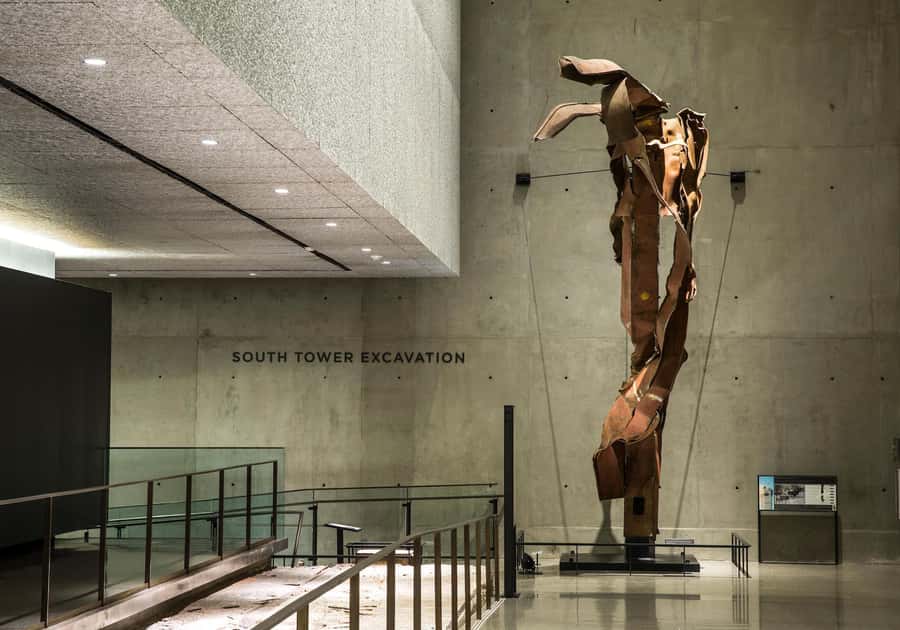
As part of the route, you’ll visit One World Trade Center and learn how the surrounding area was rebuilt with purpose and remembrance. You’re not just looking at a skyline landmark; you’re getting guided context for why the design choices matter.
Even if you don’t go up into observation decks, the stop helps connect the dots between the tragedy and what replaced it. That’s the emotional logic of this tour: it keeps moving forward without skipping the hard parts.
The 9/11 Memorial pools: reading the names and absorbing the design

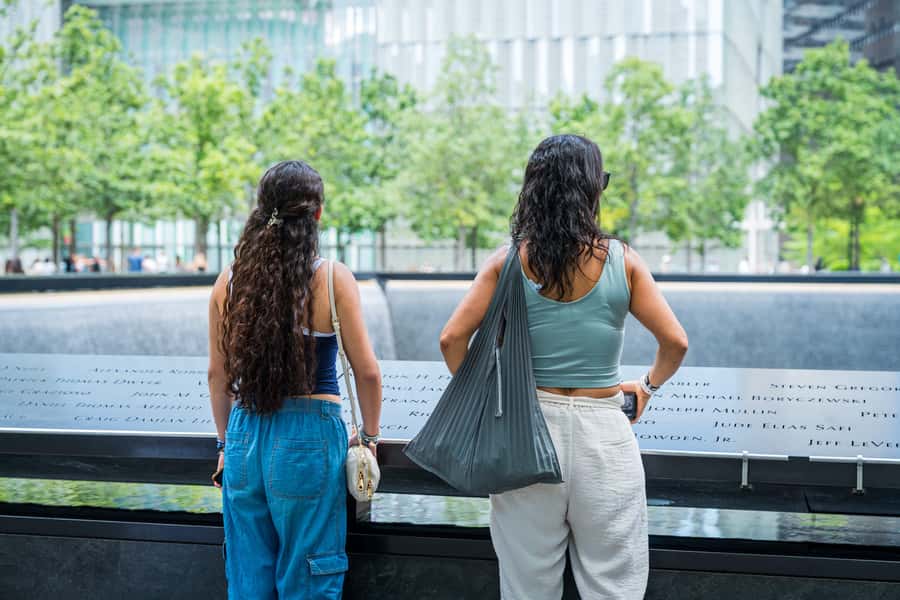
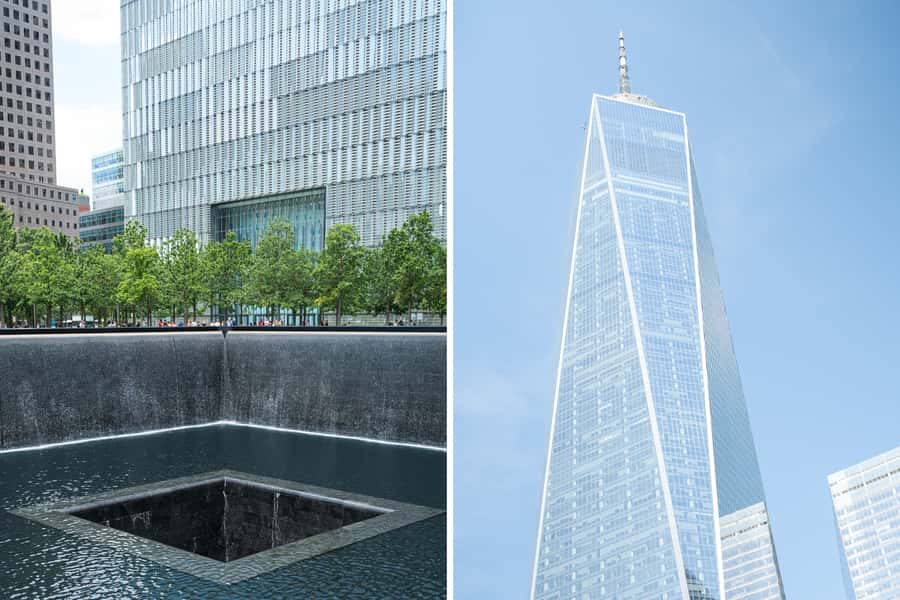
Eventually, you reach the heart of it: the 9/11 Memorial twin reflecting pools set within the footprints of the original towers. Your guide will help you reflect beside the pools, then point out how the names of nearly 3,000 victims are engraved, and what the memorial’s design is meant to communicate.
This is not a quick-photo stop. It’s a space designed for remembering, and your guide will set the tone so you don’t feel like you’re rushing through someone’s grief. Take a moment to slow down. Stand close enough to the names that they become readable to you, and let the quiet do some of the work.
Survivor Tree: resilience you can see, not just hear about
You’ll also visit the Survivor Tree, a living reminder of resilience and renewal. This stop often lands differently from everything else, because it’s not a symbol you have to interpret through architecture.
It’s a real, present object in the memorial landscape. If you tend to hold emotion in your chest rather than in your head, this is the kind of stop that can bring it back into focus.
Optional museum with timed-entry: what it adds and when to choose it
If you opt in, the experience includes timed-entry tickets to the 9/11 Museum. Your guide escorts you to the entrance and provides context, then you explore at your own pace.
The value of adding the museum is that it extends the story beyond what you see outside. Memorials give you a place to reflect; the museum helps you understand the events and aftermath through exhibits, artifacts, and multimedia displays.
A practical tip: if you choose the museum, treat it as part of the same emotional arc. Don’t plan heavy dining or shopping right after. Give yourself time to come down to Earth.
Also, the tour includes skip-the-line via a separate entrance for the museum portion, which can make a big difference on a busy day. If your schedule is tight, that convenience helps you stay on track.
The 2-hour format: respectful pacing without feeling stuck
The guided portion is designed around a 2-hour duration, which is long enough to cover meaningful ground but not so long that you feel trapped in a single emotional moment. You get guided stops, reflection time, and enough movement to avoid that endless-cattle-car feeling.
The small-group limit of max 15 guests helps your guide manage the pace and keep the tone respectful. It also means you’re more likely to hear every detail without craning your neck around big groups.
This is a great choice if you want depth without committing an entire day. If you’re visiting from out of town and already have a packed plan, this tour can be a strong anchor moment.
Price and value: why $32 makes sense for this kind of storytelling
At $32 per person, you’re paying for more than access to famous sites. You’re paying for a local guide who can connect what you’re seeing—St. Paul’s Chapel, Oculus, memorial design, and the Survivor Tree—to personal context and on-the-ground explanation.
That’s hard to replicate with a self-guided audio app, especially if you want help interpreting symbolism and knowing where to pause. And if you add the optional museum, the timed-entry ticket and guided escort add extra value versus trying to manage entry on your own in a crowd.
In plain terms: if you care about making sense of what you’re looking at, this price often feels fair. If you only want quick photos and zero conversation, you might feel the cost is higher than you need.
Who this tour suits best
This works especially well for:
- Families who want a guided structure and context, since past tours have highlighted how guides like Jared can engage across ages
- People who want a quieter, more controlled group experience rather than a big bus-like setup
- Travelers who are moved by firsthand perspective and careful storytelling, like the style credited to guides such as Fred
- Visitors adding the museum, because your guide helps you walk in with context rather than wandering in cold
It may not be ideal if you strongly prefer total independence, or if you’re looking for a fast checklist tour with minimal talking.
Should you book this Ground Zero and 9/11 Memorial tour?
I think you should book it if your goal is to understand what you’re seeing, not just pass through it. The combination of a personal New Yorker guide, small-group size, and a route that includes both memorial and meaning-making stops (Oculus, Survivor Tree, and the reflecting pools) gives you something rare: clarity with respect.
Skip it only if you want minimal guidance or you’re confident you won’t feel emotionally affected by the experience. Even then, do yourself a favor: plan your timing so you’re not rushing from this into something stressful right afterward.
If you’re going to spend a couple hours in New York while carrying the weight of 9/11, this is the kind of guided pacing that helps you get it right.
FAQ
Where does the tour start?
You meet your guide in front of the City Hall Subway Station for lines R and W, at the intersection of Warren Street and Broadway.
How long is the tour?
The tour duration is about 2 hours. Starting times depend on availability.
Is the 9/11 Museum included?
Museum entry is optional. If you choose it, you get timed-entry tickets to the 9/11 Museum.
Will I visit the 9/11 Memorial pools and the Survivor Tree?
Yes. The tour includes stops at the 9/11 Memorial pools and a visit to the Survivor Tree.
What are the main stops on the walking route?
You’ll visit key sites including St. Paul’s Chapel, Trinity Church, the Oculus Center, One World Trade Center, and then the Memorial pools area.
What is the group size?
The tour is in a small group with a maximum of 15 guests per guide.
What language is the tour guide?
The live tour guide is provided in English.
Is the tour wheelchair accessible?
Yes, the tour is wheelchair accessible.
Do I need to wait in lines for the museum?
If you opt for museum entry, you receive timed-entry tickets and your guide escorts you to the entrance, which helps you avoid general line waiting via a separate entrance.
What is the cancellation policy?
You can cancel up to 24 hours in advance for a full refund.