REVIEW · NEW YORK CITY
Best of Central Park: Top-Rated Pedicab Tour NYC
Book on GetYourGuide →Operated by Arda Tomini · Bookable on GetYourGuide
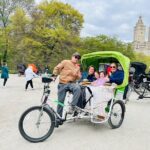
Central Park feels different when you slow down. This top-rated private pedicab ride strings together the park’s best sights with frequent photo stops like Bethesda Terrace and Bow Bridge. I like that the guide brings the park to life with history and movie trivia, but one possible drawback is that comprehension can depend on your language and the guide’s accent.
I also like the pace. The tour is built around breaks for photos and little bits of free time, so you’re not just watching from the seat of a bike. The company behind it is Arda Tomini, and the overall vibe from the most positive feedback is patient, friendly, and willing to take a moment when you’re trying to get the shot.
You’ll cover major landmarks from the southern entrance near 59th Street, with a menu of stops that can stretch from a quick highlight loop to a longer ride. One more thing to consider: it’s not suited for people with back problems, and wheelchair users need extra caution since the activity notes don’t fully line up on that point.
In This Review
- Key highlights that make this pedicab tour worth your time
- Why pedicabs are the easiest way to see Central Park
- Starting near Central Park South: get oriented fast
- Wollman Rink and the Carousel: classic Central Park energy
- Bethesda Terrace and Fountain: the “big wow” stop
- Cherry Hill Fountain: panoramic views and a surprisingly specific detail
- Strawberry Fields: John Lennon’s memorial stop that slows the ride down
- Tavern on the Green area: a film-famous pause point
- Bow Bridge: skyline views and the Bridge of Love factor
- Heckscher Playground and the “park as a community” feeling
- Where the guide’s movie trivia pays off (and where it might not)
- Sheep Meadow and the Great Lawn: relax time with real people-watching
- The Mall & Literary Walk: statues and names you can connect
- Olmsted design talk: why the park feels the way it does
- Price and duration: is $30 a good value for Central Park?
- What to bring for a smooth ride
- Who this Central Park pedicab tour fits best
- Should you book this Central Park pedicab tour?
- FAQ
- How long is the Best of Central Park pedicab tour?
- How much does the tour cost?
- Where do I meet the tour?
- Is this a private tour?
- What are some of the main stops on the tour?
- What languages are available for the live guide?
- What should I bring?
- Does the tour run in bad weather?
Key highlights that make this pedicab tour worth your time
- Bethesda Terrace photo time: a centerpiece overlooking the lake and a frequent film location.
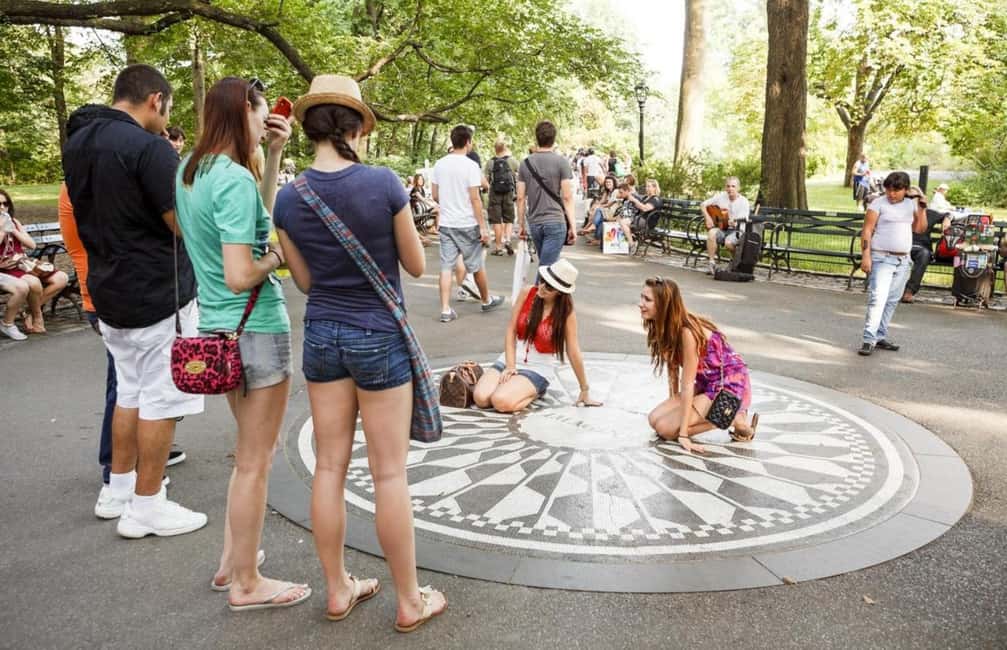
- Strawberry Fields memorial stop: John Lennon’s tribute with the Imagine mosaic area.
- Bow Bridge skyline views: the cast-iron bridge is a top photo moment and appears in movies.
- Frederick Law Olmsted design talk: you’ll hear how the park was planned, not just where to stand.
- Multiple language options: a long list of languages, including English and several others.
- Guide’s personal style: friendly, patient guidance, with visual aids available if needed.
Why pedicabs are the easiest way to see Central Park
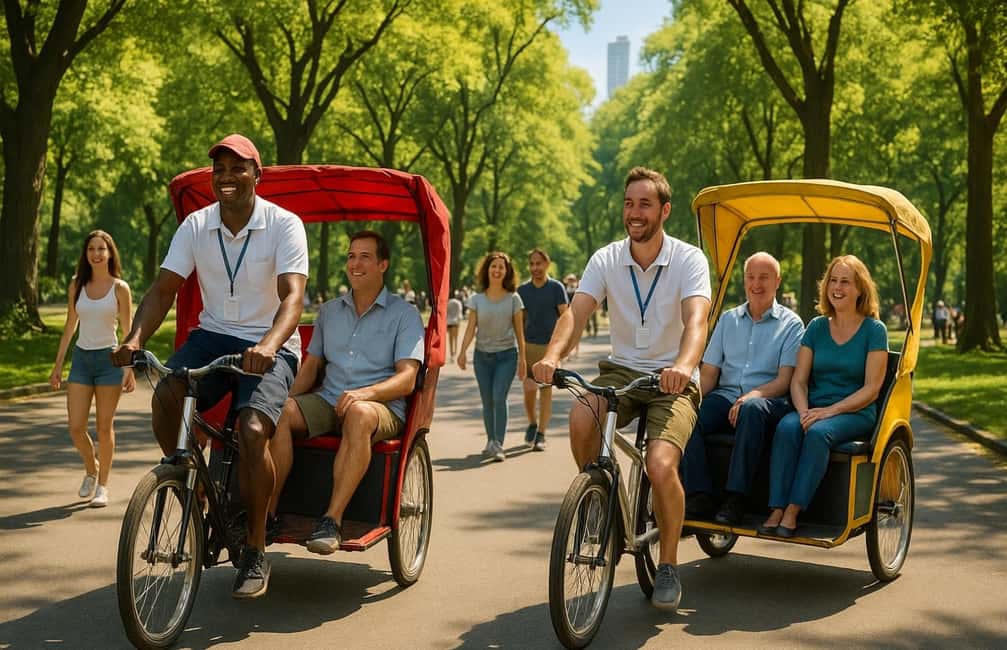
Central Park is huge, and trying to cover it on foot can turn fun into logistics fast. A pedicab lets you keep your energy for the views and photos, while a guide takes care of the “what is this and why does it matter” part.
The best part for me is how the route naturally connects landmarks. You don’t just hit one famous spot; you roll through the park’s rhythm—paths, bridges, open meadows, and memorial-style quiet zones—at a comfortable pace.
You can also read our reviews of more tours and experiences in New York City.



Starting near Central Park South: get oriented fast
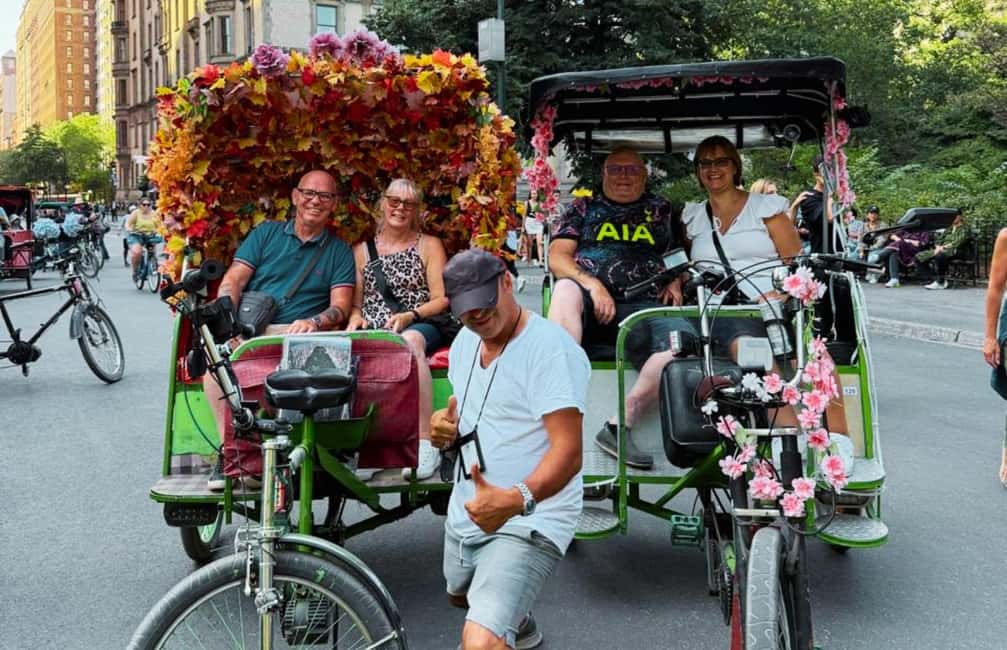
Most rides begin at the southern entrance area, around 59th Street, with two possible starting points tied to 190 Central Park S (Central Park Cafe). That’s a smart setup because it puts you close to classic “first day in the park” zones.
In practice, the opening minutes matter. You’ll glide in, get the lay of the land, and have your guide establish what you’ll see next—so the park stops feel like a story, not random stops on a map.
Wollman Rink and the Carousel: classic Central Park energy
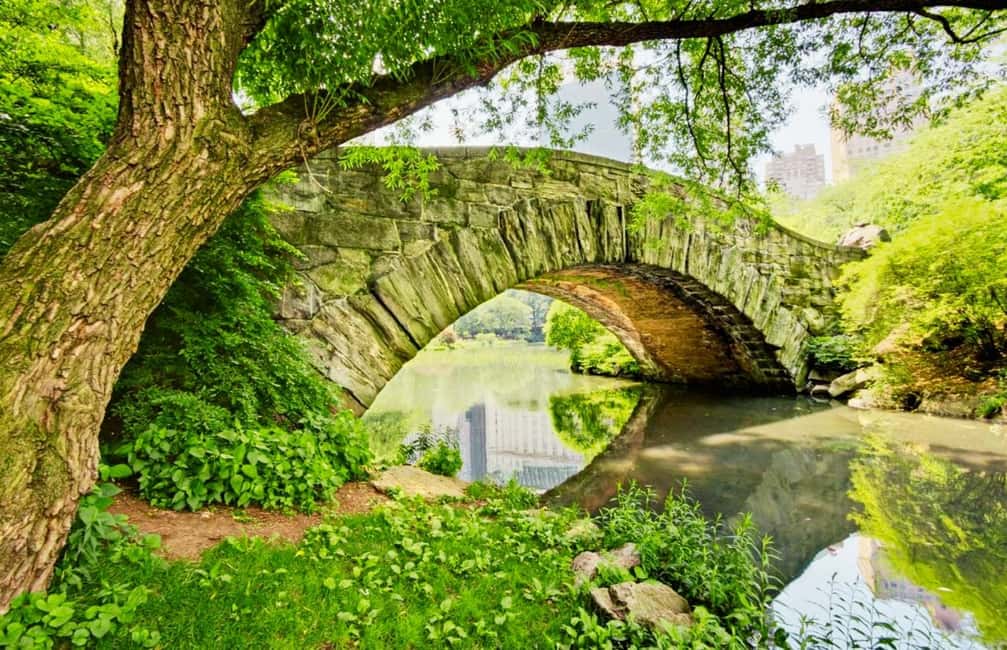
Depending on your route length, the ride can include time near Wollman Rink, with breaks for photos and guided talk. This is one of those park locations people instantly recognize, and it even shifts with the seasons, which is why it shows up in movies.
You may also get the Central Park Carousel stop. It’s a simple one—good for families, fun for first-timers, and handy if you want a lively pause before the tour heads into the more “cinematic” areas.
The trade-off? These are popular spots, so expect crowds and competition for good photo angles. If you want cleaner photos, bring patience and let the guide steer you to the best moment.
Bethesda Terrace and Fountain: the “big wow” stop
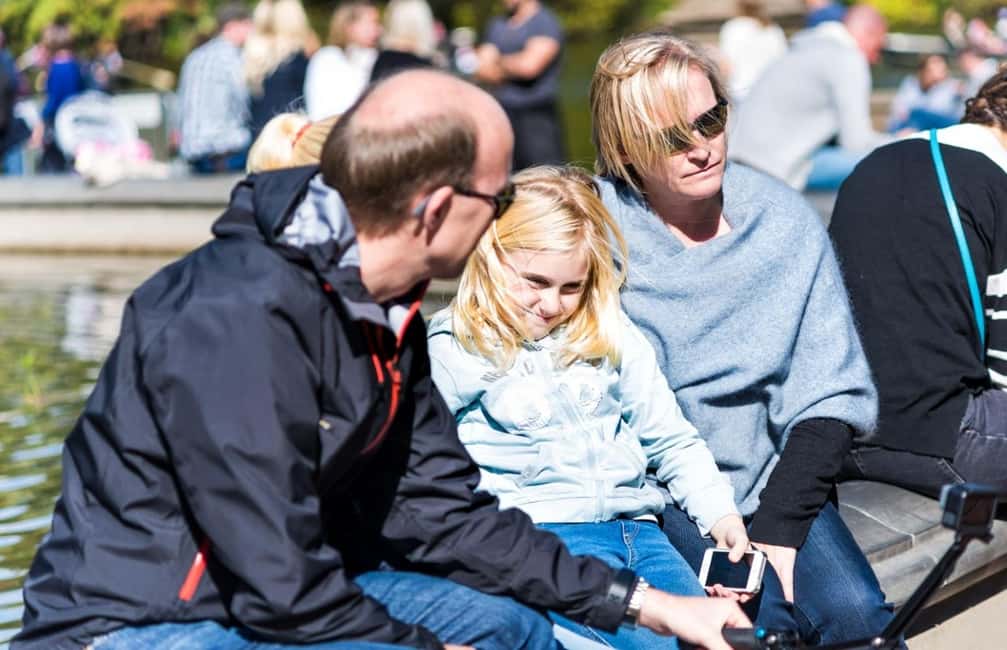
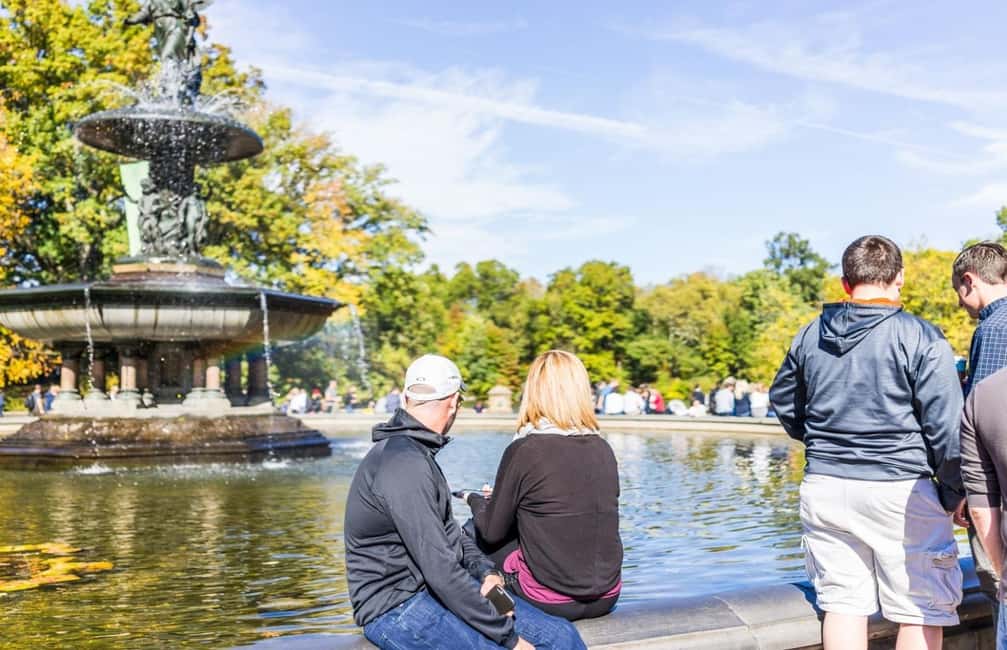
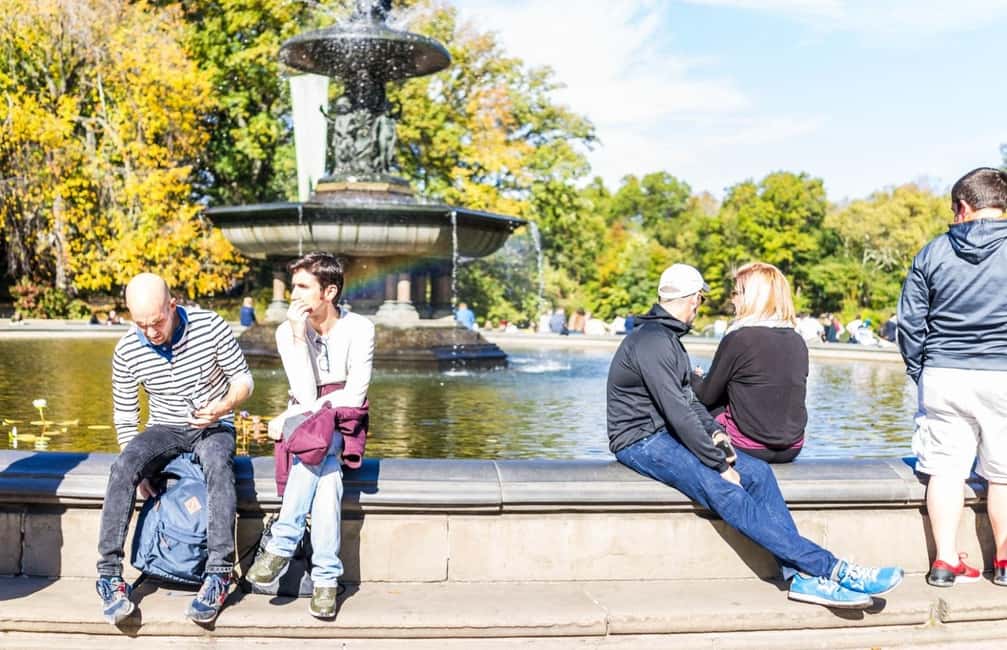
If you love dramatic viewpoints, Bethesda Terrace and Fountain is the must-pay-attention moment. The terrace overlooks the lake, and the guide’s stories connect what you’re seeing to famous film scenes.
This stop is especially good if you want more than a quick glance. You’ll get photo time around the terrace, plus guided context that helps the architecture make sense.
And yes, it has movie credentials—this is a location tied to films like Enchanted and Home Alone 2. Knowing that before you look up changes how you experience the place.
Cherry Hill Fountain: panoramic views and a surprisingly specific detail
Cherry Hill Fountain is a great mid-tour break. You’ll see it as a photogenic focal point, surrounded by wide sightlines that help you feel how the park opens up.
The guide adds a neat layer: this fountain area was once used as a horse trough. That little bit of past-to-present contrast makes the stop feel more grounded than just scenic.
If you like “small facts that make photos better,” this is where your camera roll gets the second wind.

Strawberry Fields: John Lennon’s memorial stop that slows the ride down
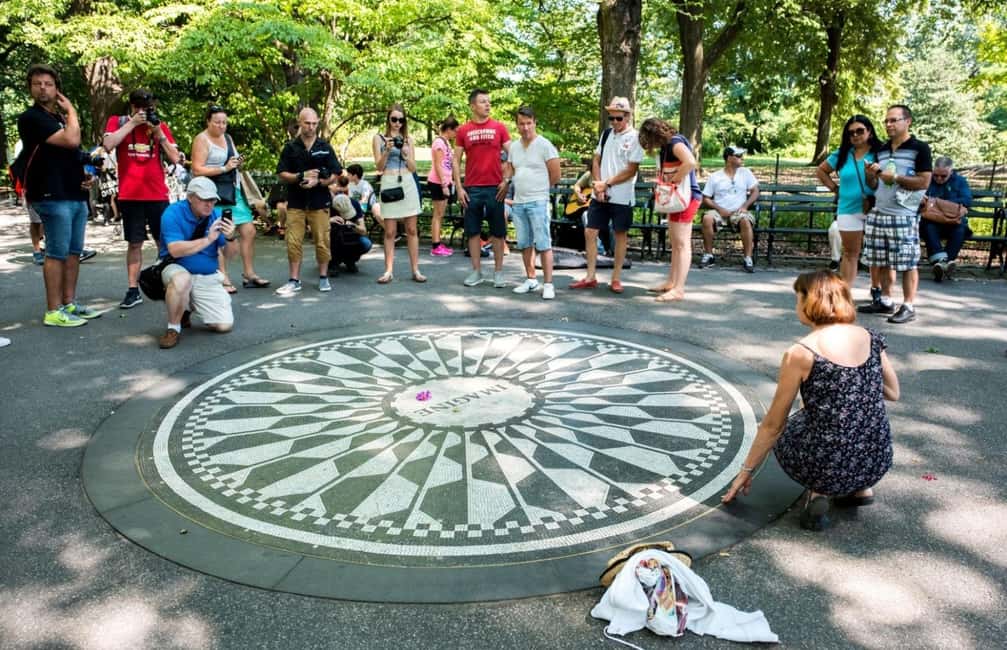
Then you’ll move into a different mood: Strawberry Fields, the memorial to John Lennon marked with the Imagine mosaic. This is the part of the tour where even a short ride can feel more thoughtful.
It’s also one of the most meaningful spots to visit because it’s designed for quiet reflection. Bring your camera, but don’t rush. You’ll want a moment to read the space and take in how people interact with the memorial.
The good news: the pedicab keeps you from feeling like you have to fight your way in and out. The trade-off is that this area can be busy, so photo timing matters.
Tavern on the Green area: a film-famous pause point
Your route may include Tavern on the Green, with another set of guided moments and photo stops. Even if you’ve only heard of it through movies, it’s useful as a “marker” in your mental map of the park.
What I like about including restaurant-adjacent landmarks is that the guide’s movie trivia connects the park’s look to the way people remember it from screen time. That makes the park feel less like a list and more like a shared pop-culture reference point.
Bow Bridge: skyline views and the Bridge of Love factor
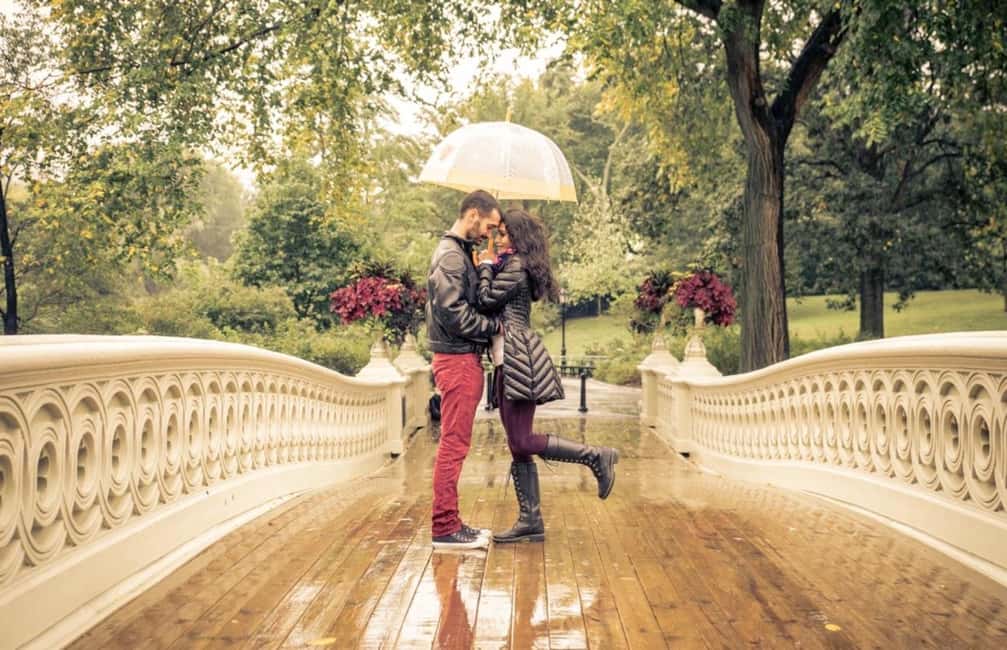
One of the strongest payoff stops is Bow Bridge. It’s cast-iron, often called the Bridge of Love, and it’s the most photographed bridge in Central Park—plus it’s been featured in Autumn in New York and Spider-Man 3.
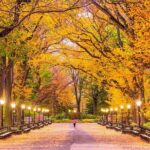
This is where you’ll also enjoy skyline views. On a pedicab, you’re positioned to take in the bridge, the water, and the city line without needing to crane your neck while standing in one spot too long.
Photo tip: don’t just shoot from one angle. If your guide offers a chance to reposition for a better view, take it. Bow Bridge rewards careful framing.
Heckscher Playground and the “park as a community” feeling
If your ride includes Heckscher Playground, it’s a nice change from the grand landmark stops. Playgrounds can feel like the park belongs to everyone, not just to sightseeing.
The guide’s job here is to keep the story moving—how the park serves both locals and tourists—and why these spaces show up in the park’s overall character.
This is also a good stop if you’re traveling with kids or if you want a visual reminder that Central Park isn’t only for photos. It’s used.
Where the guide’s movie trivia pays off (and where it might not)
A big part of this tour is history and movie callouts. You’ll hear references tied to Elf, When Harry Met Sally, Breakfast at Tiffany’s, and The Avengers, among others. You’ll also get celebrity apartment pointers overlooking the park.
For me, the value is practical: knowing what you’re looking at changes what you notice. You start seeing details—the angles, the viewpoints, and the “set-like” composition—rather than just recognizing a place from one frame.
Possible drawback: if you’re trying to follow every word during a language-accent mismatch, it can get hard. One ride feedback specifically flagged difficulty understanding the guide due to accent, even though the guide was friendly and used a picture-and-description book to help explain what was on screen.
If clear narration matters most to you, pick a language you’re comfortable with, and arrive ready to slow down and point at what you’re seeing if needed.
Sheep Meadow and the Great Lawn: relax time with real people-watching
The tour highlights include Sheep Meadow and the Great Lawn areas. These wide open spaces are the park’s built-in “exhale,” and they’re perfect for a break if your feet are done.
You’ll likely have some breathing room to sit, stretch, and take in the way people use the park. This is where Central Park feels less like a sightseeing checklist and more like a daily public space.
If you’re traveling during busy times, you’ll still get the sense of openness, even if you have to work a little to find a calm spot to pause.
The Mall & Literary Walk: statues and names you can connect
The Mall & Literary Walk is another highlight tied to what the park is “for,” not only what it looks like. You’ll see a lined promenade with American elm trees and statues of literary figures such as Shakespeare, Robert Burns, and Sir Walter Scott.
This stop works well because it adds a different kind of Central Park knowledge. Instead of focusing only on skylines and lakes, you get a “mindful stroll” feel through the park’s planned details.
Olmsted design talk: why the park feels the way it does
Frederick Law Olmsted’s name comes up, and that context is more useful than it sounds. When a guide explains the design intent, you start noticing how the park guides movement—where views open, where paths encourage wandering, and why certain areas feel carefully composed.
It’s also part of the reason pedicab pacing works. Instead of racing to “finish the highlights,” you understand why some spots are placed where they are.
Price and duration: is $30 a good value for Central Park?
The price listed is $30 per person, with a duration range from 20 to 150 minutes. That flexibility matters because it lets you choose how much you want to see and how much time you have in your day.
At this price point, the biggest value isn’t just transportation—it’s the guided connections. If you’re going to spend time in Central Park anyway, a guided pedicab that brings landmarks plus film trivia plus photo stops into one ride can save time and reduce decision fatigue.
One caution: because duration can vary, make sure you’re clear on how long your slot is so you don’t expect every stop if your ride is the shorter end of the range.
What to bring for a smooth ride
This is a “comfortable shoes, camera, and water” kind of experience. Even though you’re on a pedicab, you’ll still walk a few steps for photo angles and stop-and-go breaks.
I’d also wear layers. Central Park weather can shift quickly, and the tour runs in all weather conditions, so you’ll want to be dressed for the day you actually get.
Who this Central Park pedicab tour fits best
This works well for couples who want a romantic photo moment at Bow Bridge, families who want major landmarks without long walking, and friends who want the park highlights plus fun movie trivia in a single coordinated route.
It can also be a smart pick if you’re short on time and want the most famous spots clustered in one ride. You’ll be guided, but you still get photo stops and breaks built into the experience.
Two “skip or double-check” groups: people with back problems, and wheelchair users, since the activity notes don’t clearly guarantee suitability despite wheelchair accessibility being listed.
Should you book this Central Park pedicab tour?
If you want a guided, photo-focused way to hit the park’s top landmarks—Bethesda Terrace, Strawberry Fields, and Bow Bridge—this is an easy yes. The format is practical, and the guide’s storytelling approach is consistently described as friendly and patient, with photo stops that help you actually capture what you came for.
I’d think twice if you strongly depend on crystal-clear narration in a specific language and you’re worried about accent issues. In that case, pick your language carefully and be ready to use the guide’s visual aids if needed.
If you’re aiming for the best first Central Park day with the least walking stress, this one makes sense.
FAQ
How long is the Best of Central Park pedicab tour?
The tour duration ranges from 20 to 150 minutes, depending on the option you choose and available starting times.
How much does the tour cost?
The price is listed as $30 per person.
Where do I meet the tour?
Meeting points can vary by option, including 190 Central Park S (Central Park Cafe). Some tours also start around the southern entrance area near 59th Street.
Is this a private tour?
Yes. It’s listed as a private group and you ride in a private pedicab.
What are some of the main stops on the tour?
You may include stops like Bethesda Terrace and Fountain, Cherry Hill, Strawberry Fields, Tavern on the Green, Bow Bridge, Heckscher Playground, and possibly Wollman Rink and the Central Park Carousel, depending on your route length.
What languages are available for the live guide?
The live guide is listed as available in many languages, including English, Spanish, Turkish, Italian, French, German, Dutch, and many others.
What should I bring?
Bring comfortable shoes, a camera, and water. Dress for the weather.
Does the tour run in bad weather?
The tour operates in all weather conditions, but it may be rescheduled in case of severe weather.