REVIEW · NEW YORK CITY
Brooklyn: The Bridge, DUMBO, & Brooklyn Heights Best of Tour
Book on GetYourGuide →Operated by Snoring Dog Productions, Inc. · Bookable on GetYourGuide
A bridge walk that tells a whole story. This tour strings together the Brooklyn Bridge, DUMBO, Brooklyn Bridge Park, and the Brooklyn Heights Promenade so you get world-famous sights plus the people who shaped them. I love the way licensed historian Bruce tells the engineering and political story behind every stop, using clear voice and real context you can actually remember. You’ll also appreciate the mix of big views and specific details, including a stop for a restored 1922 carousel by the East River.
Two things I like a lot: first, the history doesn’t feel like facts dumped in your lap; Bruce connects Revolutionary War and Civil War themes to the neighborhoods you’re walking through. Second, the route gives you classic Manhattan skyline viewpoints from Brooklyn Heights, then pivots to DUMBO’s art-and-culture side with story-driven stops along the way. One possible drawback is simple: it’s all outdoors and there’s a lot of walking, so plan for weather and consider your fitness level.
If you want Brooklyn in a single afternoon, this is a strong value at about $47 for 3 hours with a master’s-level American history historian. You’ll finish with a better sense of how this borough grew, who fought, who built, and why the waterfront and streets look the way they do today.
In This Review
- Key highlights worth your attention
- From the Tweed Courthouse steps to the bridge: the start you’ll remember
- The Brooklyn Bridge: views plus the human story behind the cables
- Brooklyn Bridge Park: seeing the waterfront after it changed
- DUMBO: from industry to art neighborhoods (and a few film-friendly scenes)
- The 1922 carousel on the East River: a sweet pause with real context
- Brooklyn Heights Promenade: where Manhattan views feel personal
- Plymouth Church, abolitionist roots, and Civil War era context
- Capote, Moonstruck, and the Brooklyn details you’ll spot later
- Value check: is $47 for 3 hours worth it?
- What to wear and plan for: the outdoors part is real
- Who this tour suits best (and who might not)
- Should you book the Brooklyn Bridge, DUMBO, and Brooklyn Heights tour?
- FAQ
- Where do I meet for the tour?
- How long is the tour?
- Is the tour outdoors?
- Is the guide English-speaking?
- Is food included?
- What should I bring?
- Is the tour suitable for young children?
- Is the tour suitable for people with mobility impairments?
- What’s the cancellation policy?
Key highlights worth your attention
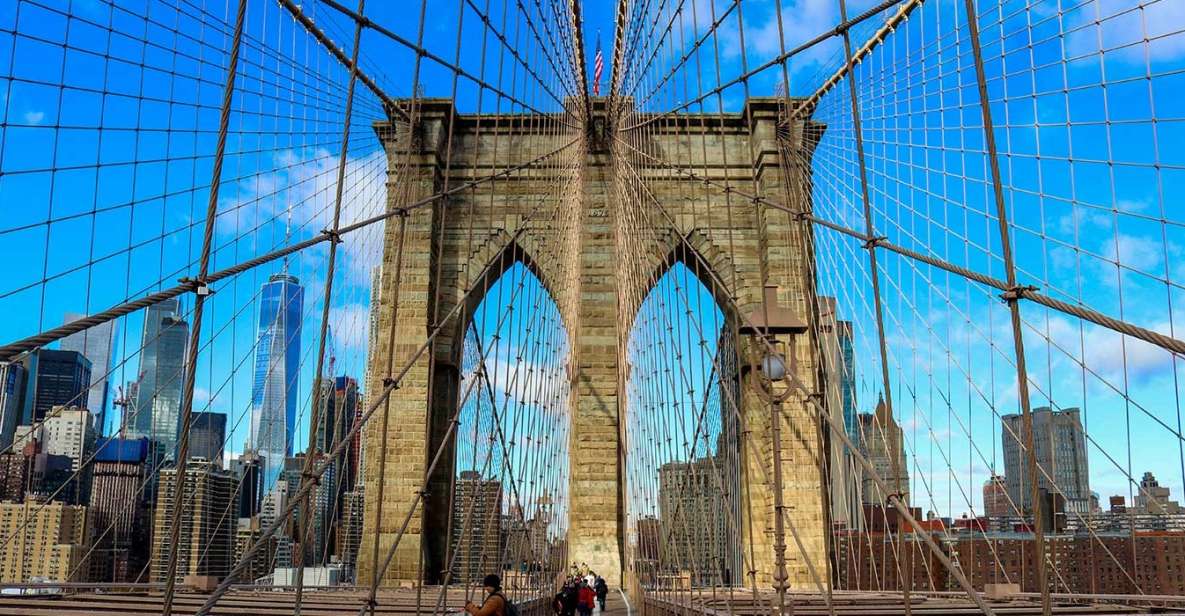
- Brooklyn Bridge walk with sweeping Manhattan views and the story of how this engineering miracle came together
- Brooklyn Bridge Park waterfront scenery and piers that show how the shoreline changed over time
- DUMBO sights where industrial past meets art, design, and movie-spot locations
- Brooklyn Heights Promenade with iconic viewpoints across the East River
- A fully restored 1922 carousel along the waterfront that adds whimsy and context
- Historian-led storytelling focused on Revolutionary War and Civil War history
From the Tweed Courthouse steps to the bridge: the start you’ll remember
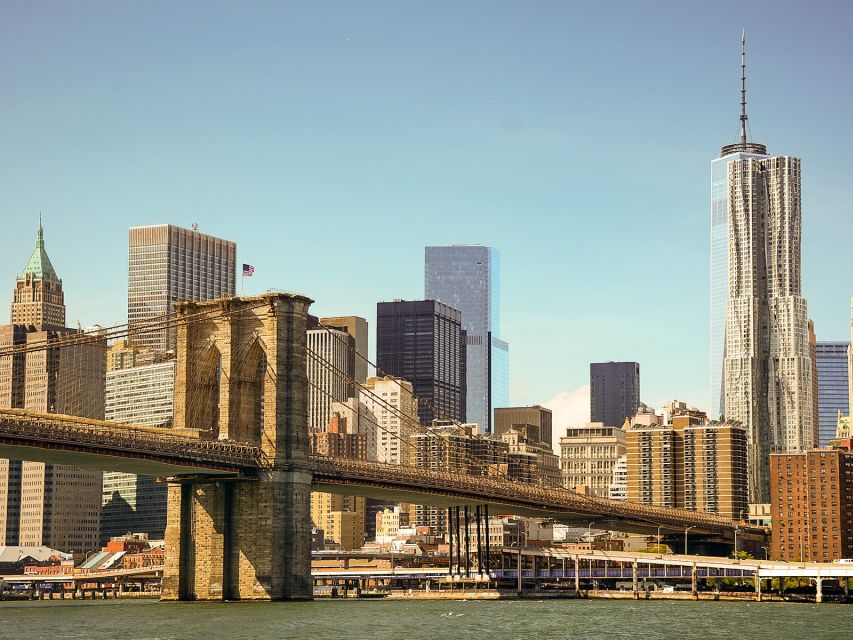
Meet at the steps of 52 Chambers Street, known as the Tweed Courthouse. It’s a solid launching spot because it gets you oriented in lower Manhattan before you move into Brooklyn and start seeing the skyline in a new way. If you like starting with a landmark that feels important, this sets the tone fast.
From there, you head across the Brooklyn Bridge. This is the kind of crossing that works even if you’ve seen photos before, because the scale hits you in person. You’re not just taking a walk; you’re following a story about ambition, risk, and invention—how a project like this reshaped the boroughs it connected.
You can also read our reviews of more walking tours in New York City



The Brooklyn Bridge: views plus the human story behind the cables
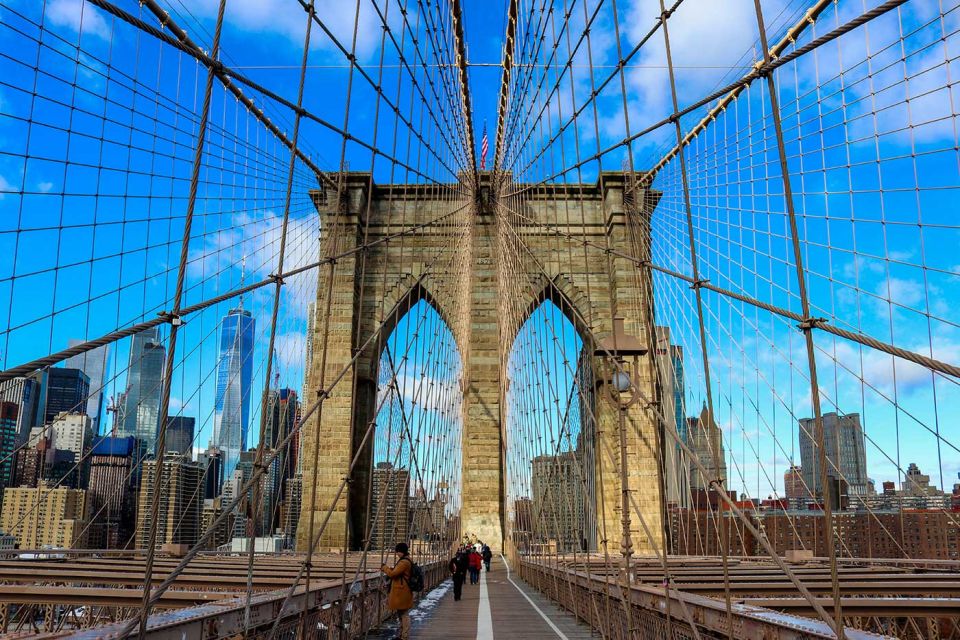
The Brooklyn Bridge section is where the tour really earns its keep. You get the signature Manhattan views, sure, but the point isn’t just the skyline. Bruce frames the bridge as a 19th-century turning point—an engineering feat that also reflects the people and priorities of the era.
You’ll hear how the bridge connects to Brooklyn’s larger historical arc, including why the neighborhood mattered during major periods of American conflict. That context is why the walk feels more than scenic. It feels like you’re watching history get built in real time—one step at a time.
Practical note: this is a windy, open-air stretch depending on the day. Wear weather-appropriate layers, and bring water so you’re not rationing sips while you listen.
Brooklyn Bridge Park: seeing the waterfront after it changed
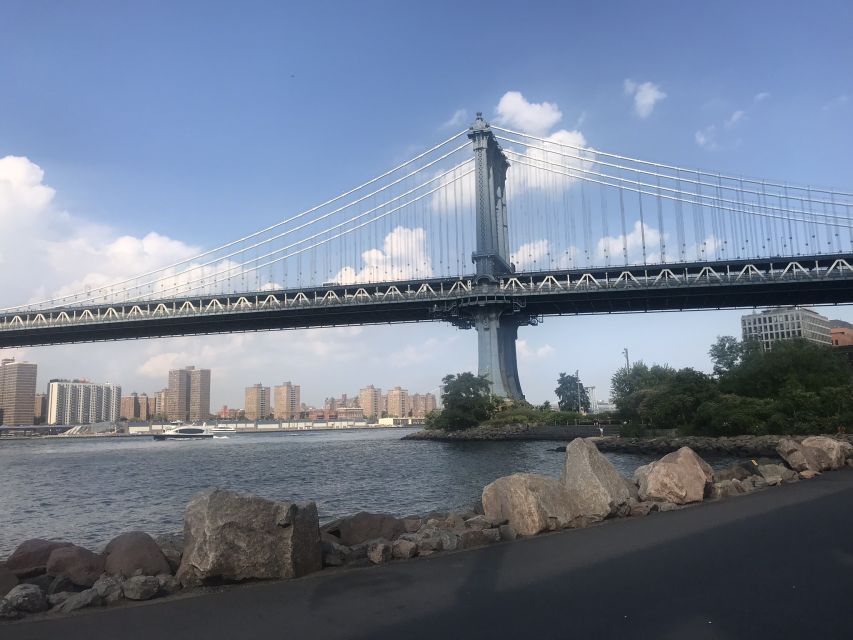
After the bridge, you shift to Brooklyn Bridge Park, a waterfront area that’s become a go-to spot for views, walking, and hanging around. The tour’s value here is that you’ll look at the piers and greenery with different eyes. Instead of treating it like a modern park, you’ll understand it as part of the shoreline’s longer transformation.
This is where the tour slows down enough to let scenery and story work together. You get panoramic sightlines across the water, plus the sense that Brooklyn didn’t just inherit waterfront beauty—it helped shape it through time and planning.
If you’re the type who likes taking photos, you’ll find plenty of angles. If you’re not, you’ll still appreciate how the park’s layout helps you understand the geography of the river and the borough.
DUMBO: from industry to art neighborhoods (and a few film-friendly scenes)
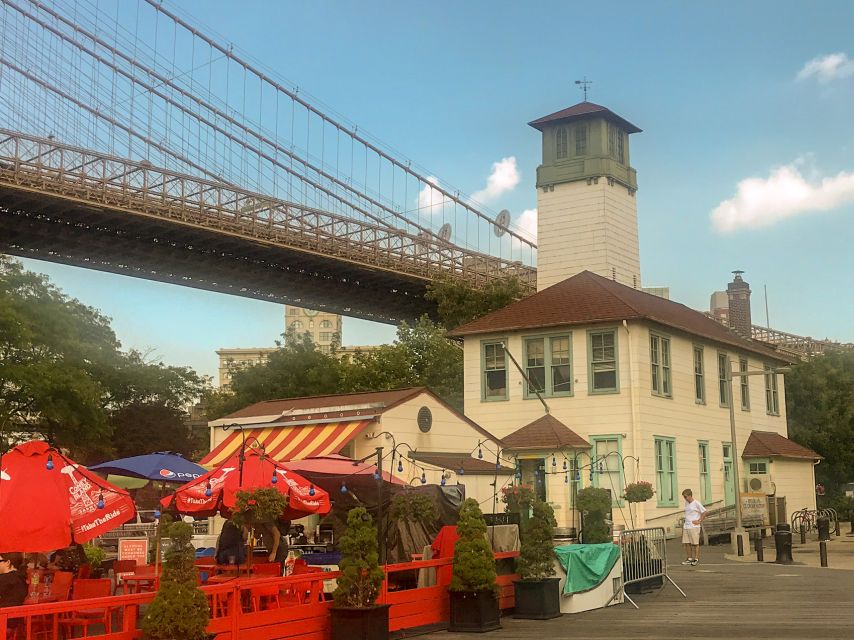
Next comes DUMBO, a neighborhood that people often describe as trendy now—but the tour approach keeps it grounded. Bruce explains how the area’s industrial past connects to what you see today: warehouses, street grid patterns, and the way people use these blocks.
You’ll also notice how DUMBO’s visual character makes it great for stories tied to culture. The tour includes movie-related filming locations like Moonstruck, plus literary and personality references such as Truman Capote’s former residence. That kind of detail turns a walk into something you can picture later, even after you’ve left.
And yes, you’ll get an important stop that’s also fun: time at Jacques Torres Chocolate. It’s the kind of New York landmark that feels simple, but it gives the tour a break from pure walking and listening. Just remember food and drinks aren’t included, so you’re paying out of pocket if you want to snack.
The 1922 carousel on the East River: a sweet pause with real context
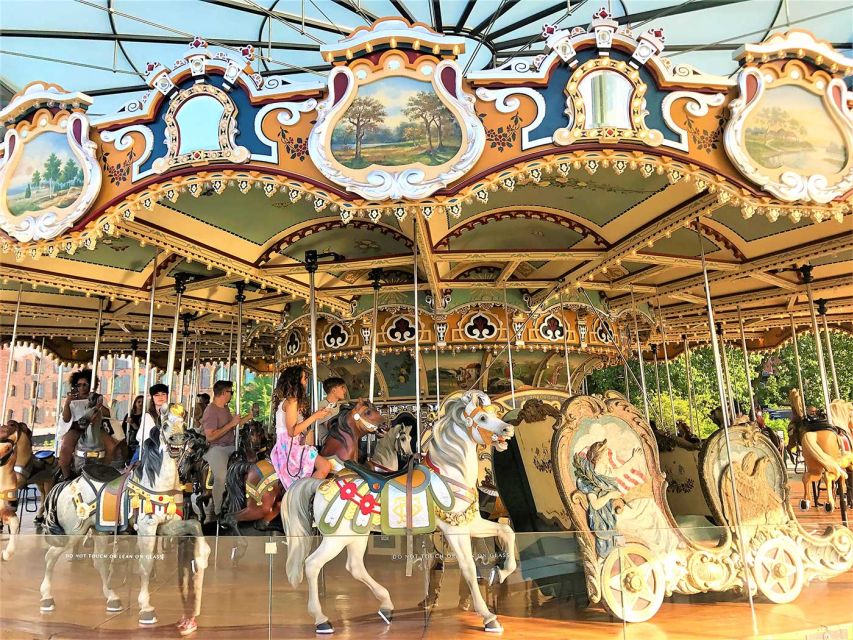
One of the most memorable moments is the stop for a fully-restored 1922 carousel along the East River. It’s a playful change of pace, and it also prevents the tour from feeling like nonstop history lectures.
This is the kind of stop that works for different personalities. If you like whimsical details, you’ll enjoy it. If you’re more practical, you’ll still appreciate that it’s a restoration story tied to Brooklyn’s identity and how the borough values preservation.
It also helps break the walking rhythm. You’ll feel ready to continue after this, rather than pushing through fatigue.




Brooklyn Heights Promenade: where Manhattan views feel personal
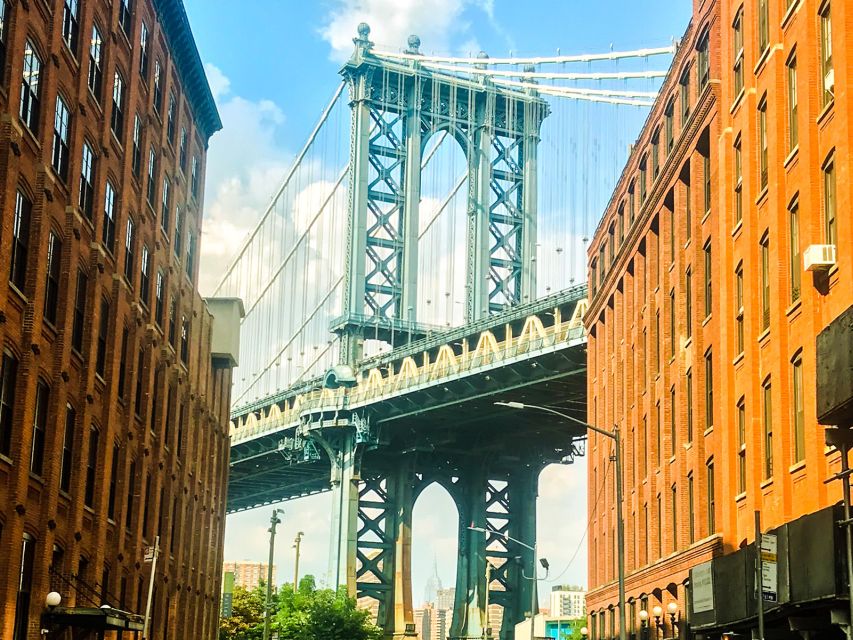
Then you reach Brooklyn Heights, and specifically the Brooklyn Heights Promenade. This is one of the best-viewing walks in the city, and the tour helps you use it smarter. Instead of standing around with your phone and hoping you get the right photo angle, you’ll understand what you’re looking at and why this spot became so important.
You’ll also notice the neighborhood’s calmer feel compared to DUMBO. Elegant, tree-lined streets and 1800s townhouses make the promenade feel like an actual district, not just a photo stop. It’s a great contrast after the busier, more industrial vibe earlier in the tour.
And since the tour is built around history, this isn’t just scenery. It ties the place into broader American storylines—especially the eras when Brooklyn played a role in national events.
Plymouth Church, abolitionist roots, and Civil War era context
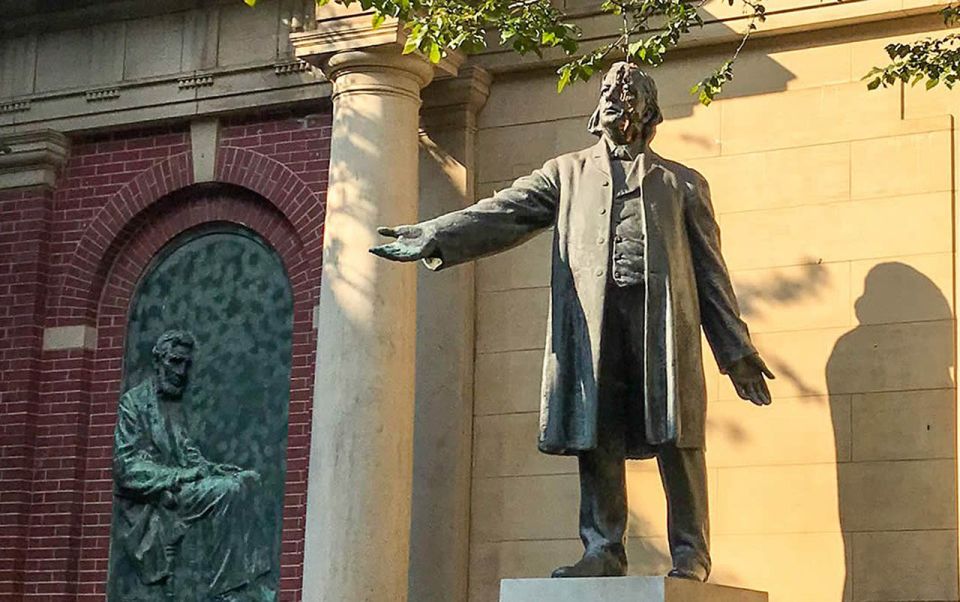
A standout addition is the stop at Plymouth Church. This isn’t treated as a random building; Bruce connects it to abolitionist themes that mattered before and during the Civil War. You’ll come away with a clearer sense of how religious leadership and moral action shaped public life in the 1800s.
Even if you’re not a history buff, you’ll likely enjoy this part because it’s tied to place. It explains why certain buildings and institutions show up in the narrative of American change. You’re not just looking at architecture—you’re learning why people fought, preached, and organized.
This section also makes Revolutionary War context feel more connected. You start seeing Brooklyn not as a backdrop, but as an active participant in the story of the United States.
Capote, Moonstruck, and the Brooklyn details you’ll spot later
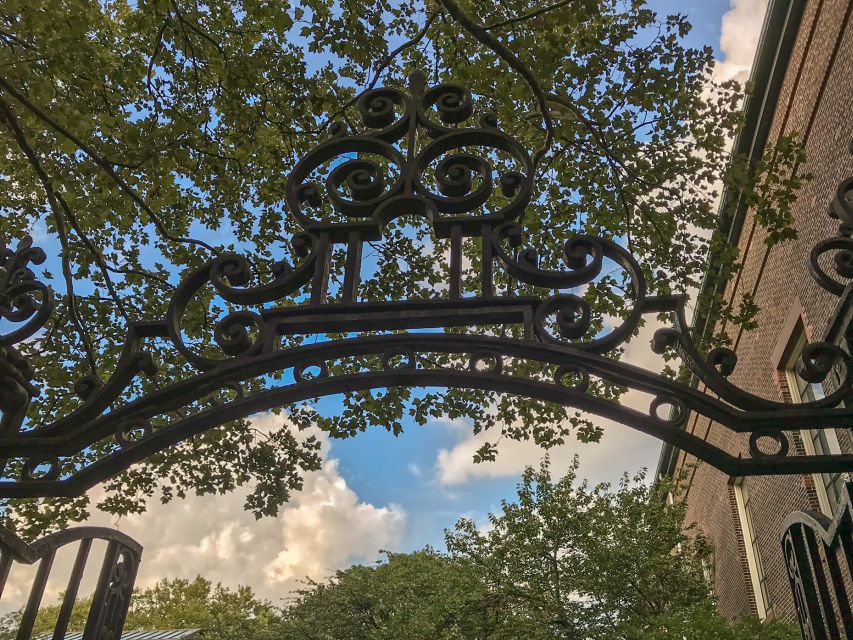
By the time the tour circles back to cultural references—Truman Capote’s former residence and filming locations like Moonstruck—you’ll start noticing details you’d normally miss. The street shapes, building styles, and even the general feel of certain corners become easier to interpret.
That’s a real benefit for you if you plan to spend more days in New York. Once your brain has a few story handles, you walk around later and recognize where a scene might have been shot or why a particular building feels notable.
It’s also where the tour becomes more than information. It becomes pattern recognition. You’re learning how to read the city.
Value check: is $47 for 3 hours worth it?
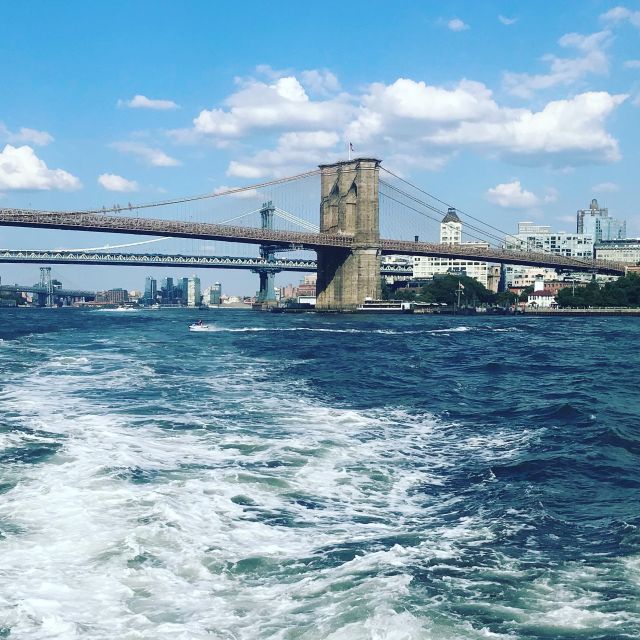
At about $47 per person for a 3-hour walking tour, the value depends on one thing: whether you want a guided, historian-led route versus a self-guided hop.
For me, the deal is the guide. You get a professional licensed NYC tour guide and historian with a Master’s Degree in American History, plus the kind of story delivery that keeps people engaged. The reviews point out that Bruce is a skilled storyteller with a strong voice and that he researched the Brooklyn Bridge and DUMBO area thoroughly.
If you’re willing to pay a bit more to avoid getting lost in your own research, this feels worth it. If you only want quick highlights and don’t care about historical context, you might find it easier to DIY. But if you like walking with a plan and coming out with real understanding, this price-to-time ratio is solid.
What to wear and plan for: the outdoors part is real
This tour is all outdoors and runs rain, snow, and shine. You’ll want comfortable shoes because you’re covering multiple neighborhoods on foot, including the bridge crossing and promenade walking. Bring water, and dress for the weather you’ll actually face.
Fitness matters too. It’s not suitable for people with low fitness, people with heart problems, or anyone who needs mobility accommodations. If any of those apply, it’s smart to skip this one and choose an option that matches your pace and needs.
Also, because it’s outdoors, don’t rely on luck. Layer up. If it’s cold, keep hands and ears covered. If it’s hot, take shade breaks when you can and drink regularly.
Who this tour suits best (and who might not)
This fits you best if you want a guided Brooklyn walk that ties landmarks to real American history. It’s ideal for first-timers who want the greatest hits—bridge, DUMBO, waterfront park, and Brooklyn Heights—without losing the plot.
It also works well if you bring kids who might get restless on a history-only day. The reviews include a family example where kids ages 10 and 16 actually enjoyed listening to the stories. That tells me the guide’s delivery style lands, not just the facts.
It’s not a great fit if you need limited walking, if you require mobility accessibility, or if health conditions make prolonged outdoor walking a bad idea.
Should you book the Brooklyn Bridge, DUMBO, and Brooklyn Heights tour?
I’d book it if you want your Brooklyn day to include both skyline wow-factor and story depth, with Bruce leading the way. The tour’s strongest strength is not just where you go—it’s how the history connects to what you see, from the bridge’s engineering story to abolitionist roots tied to Plymouth Church.
I’d skip it if you dislike long outdoor walking or if you don’t want to pay extra for a historian-led format. In that case, you might prefer shorter, self-paced stops around Brooklyn Bridge Park and Brooklyn Heights Promenade.
If you do book, wear good shoes, bring water, and expect a thoughtful pace with plenty of chances to look around and learn.
FAQ
Where do I meet for the tour?
Meet on the steps of 52 Chambers Street, also known as the Tweed Courthouse.
How long is the tour?
The tour lasts 3 hours.
Is the tour outdoors?
Yes. It takes place rain, snow, and shine.
Is the guide English-speaking?
Yes, the tour guide is English.
Is food included?
No. Food and drinks are not included.
What should I bring?
Bring comfortable shoes, water, and weather-appropriate outdoor clothing.
Is the tour suitable for young children?
No. It is not suitable for children under 6 years old.
Is the tour suitable for people with mobility impairments?
No. It is not suitable for people with mobility impairments.
What’s the cancellation policy?
You can cancel up to 24 hours in advance for a full refund.