REVIEW · NEW YORK CITY
Central Harlem: Mecca of African-American Culture
Book on GetYourGuide →Operated by Harlem One Stop Cultural Tours · Bookable on GetYourGuide
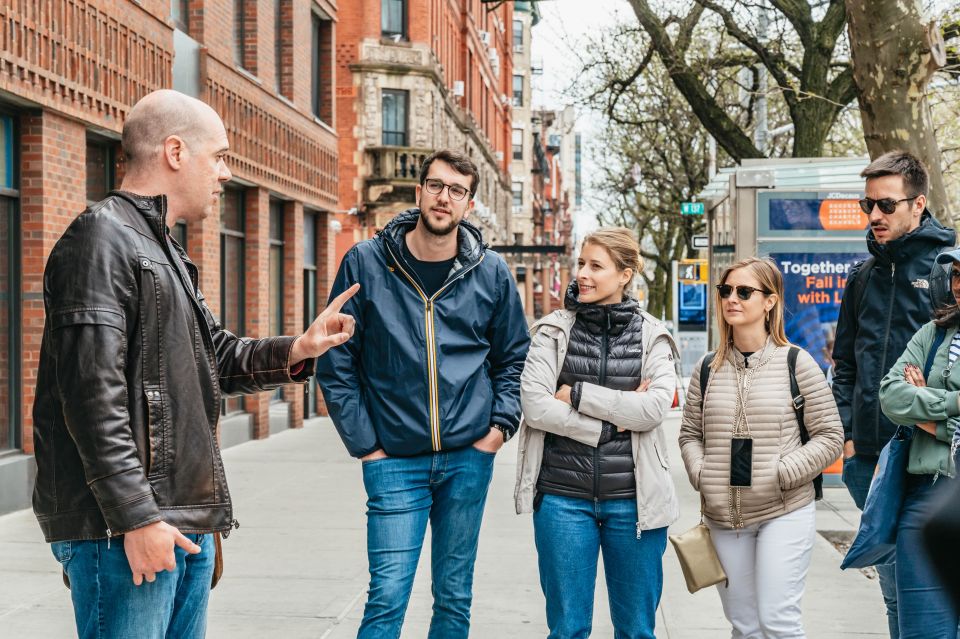
Harlem’s story starts on the sidewalk. In this 2-hour walk, you see how Central Harlem became the cultural engine of Black America in the 1920s and 1930s, from the Harlem Renaissance era to today’s arts and dining energy. I love that it’s led by a licensed Harlem resident guide, so the facts come with lived-in context, not just dates.
My other big win is the way the route uses the neighborhood itself as the lesson—stately homes, historic churches (viewed from the outside), and architecture give you an instant sense of what changed and what stayed. One thing to consider: it’s a walking history tour, so it can feel like “watch, look up, listen” more than “enter places,” and there may be quieter stretches where you’ll want to ask questions.
In This Review
- Key highlights you’ll feel fast
- Central Harlem and the Harlem Renaissance, in plain terms
- 116th Lenox or 145th St Nicholas: the meeting points that matter
- Walking 125th Street: where Harlem’s past and present overlap
- Architecture and historic churches: seeing the neighborhood up close
- Apollo Theater, Speaker’s Corner, and Hotel Theresa—landmarks with meaning
- The City College and Hamilton view: seeing pride in the skyline
- Schomburg Center and Langston Hughes ashes: where emotion meets education
- Gentrification, threats, and hopes: hearing both sides without spin
- What makes the guide-led part worth it: names like William, George, Keith, Jonathan
- Price and value: $30 for 2 hours of street-level storytelling
- Who should book this Central Harlem walk
- Should you book? My practical take
- FAQ
- How long is the Central Harlem walking tour?
- How much does it cost?
- Where do I meet on Tuesday?
- Where do I meet on Saturday?
- Is the tour offered in English?
- Is this a walking tour, and does it include church or music?
- Can I cancel and get a full refund?
- Is there a reserve now, pay later option?
Key highlights you’ll feel fast
- Harlem Renaissance context tied to real streets, not a slideshow
- 125th Street as your main corridor, where old Harlem and new Harlem overlap
- Apollo Theater, Speaker’s Corner, and Hotel Theresa as landmark stops with meaning
- Historic architecture and churches you can appreciate from the street
- Schomburg Center and Langston Hughes connections for an emotional, literature-based moment
- Guides named William, George, Keith, and Jonathan have a strong pattern: passion, clear explanations, and room for questions
Central Harlem and the Harlem Renaissance, in plain terms
Central Harlem earned its Mecca status because it didn’t just produce art. It made opportunities. In the 1920s and 1930s, the neighborhood became a center for jazz and the kind of swing-era dancing that turned clubs and ballrooms into community hubs. Think less about elite “fine art” and more about music as a social force, a meeting place, and a way to build momentum.
On this tour, you connect those dots in a way that actually sticks. You’ll hear why the Harlem Renaissance mattered, then watch how the neighborhood’s geography helped make it happen—businesses, cultural institutions, and the street life along major corridors like 125th Street.
You can also read our reviews of more tours and experiences in New York City.



116th Lenox or 145th St Nicholas: the meeting points that matter
This walk is simple and short—just 2 hours—so start matters. The tour meets in different places depending on the day:
- Tuesday: 116th and Lenox Avenue (Malcolm X Blvd), in front of CVS
- Saturday: 145th and St Nicholas Avenue, in front of 700 St Nicholas Ave
I recommend arriving a few minutes early, especially if you’re using a ride-share drop-off or you’re unfamiliar with the blocks. In one case, a wrong address showed up for a guest, and the guide still handled it smoothly with local problem-solving—still, don’t gamble with your start time.
Walking 125th Street: where Harlem’s past and present overlap
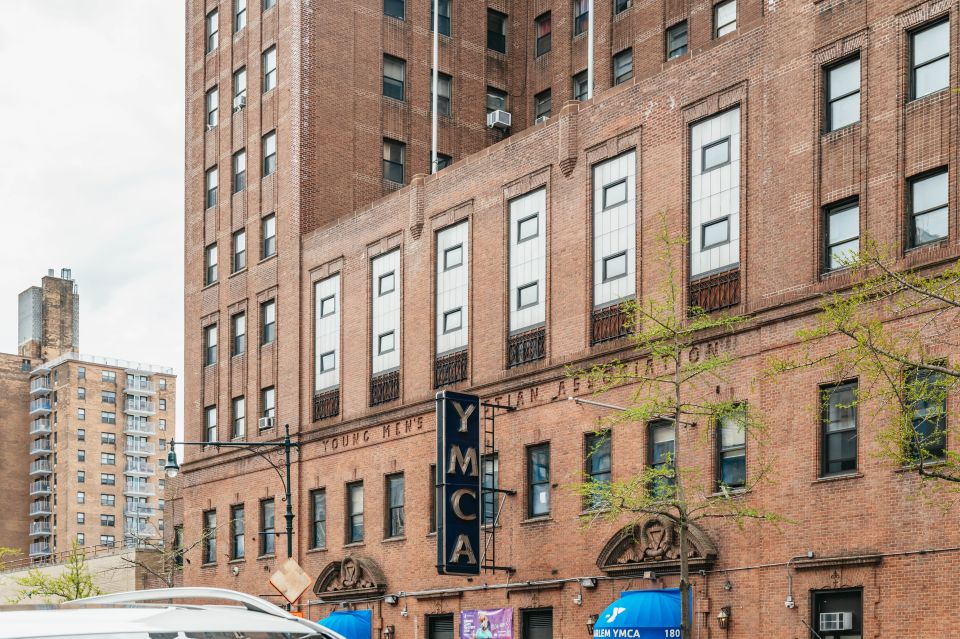
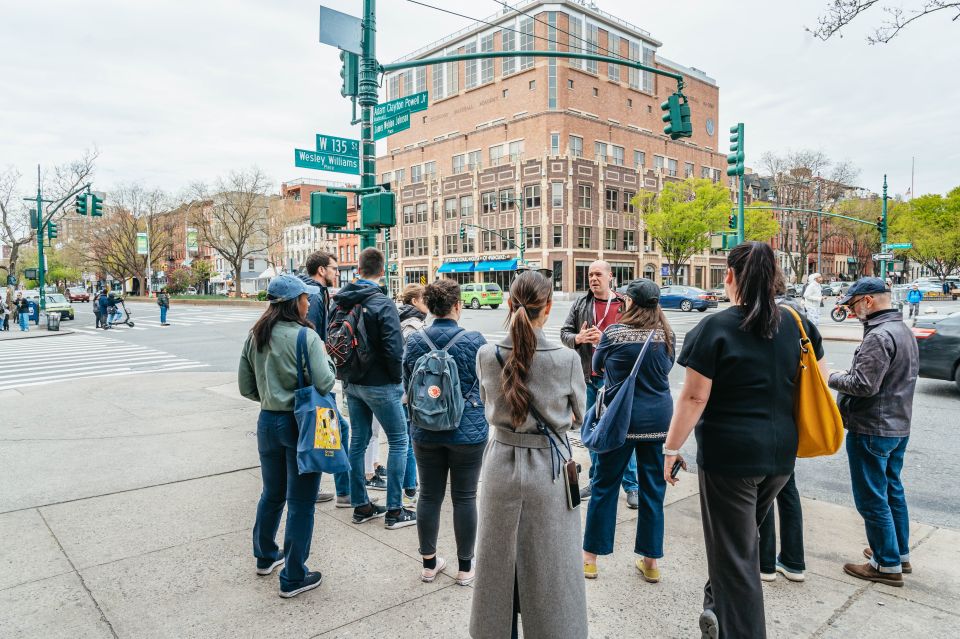
You’ll spend time on 125th Street, Harlem’s main shopping corridor. This is the corridor where you can feel how the neighborhood keeps changing while still honoring what built it. Store fronts and street scenes move quickly, but the guide helps you read the layers: what came first, what shifted, and what the area still represents.
This part is great for first-timers because 125th Street gives you a “main character” view of Harlem. If you only do one walk in the neighborhood, make it this one. You’re not just sightseeing. You’re learning how a commercial corridor becomes cultural infrastructure.
Architecture and historic churches: seeing the neighborhood up close
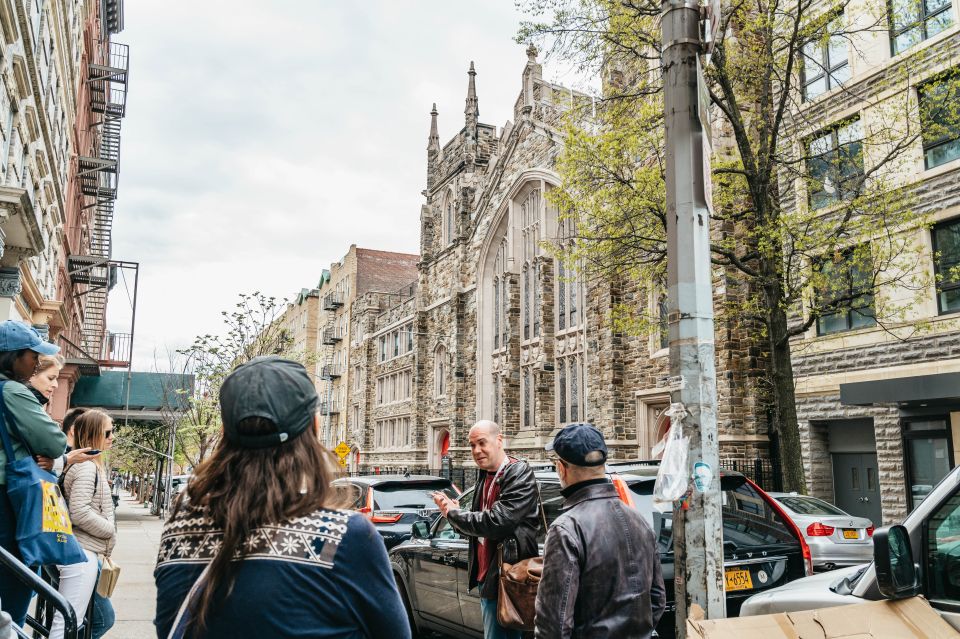
One of the smartest choices for a short tour is how it treats architecture as curriculum. You’ll look at stately homes and the exteriors of historic churches, which gives you a feel for the neighborhood’s built history without turning the experience into a “drop into buildings” itinerary.
Because the tour focuses on neighborhood history, you shouldn’t plan on going inside churches or treating this like a music event. Instead, you’ll learn to notice the details: scale, style, and street presence—then connect those visual cues to the community story.
Tip: wear shoes you can walk in comfortably. This is a walking experience, and you’ll get the most from it if you can stay relaxed while you look around.
Apollo Theater, Speaker’s Corner, and Hotel Theresa—landmarks with meaning
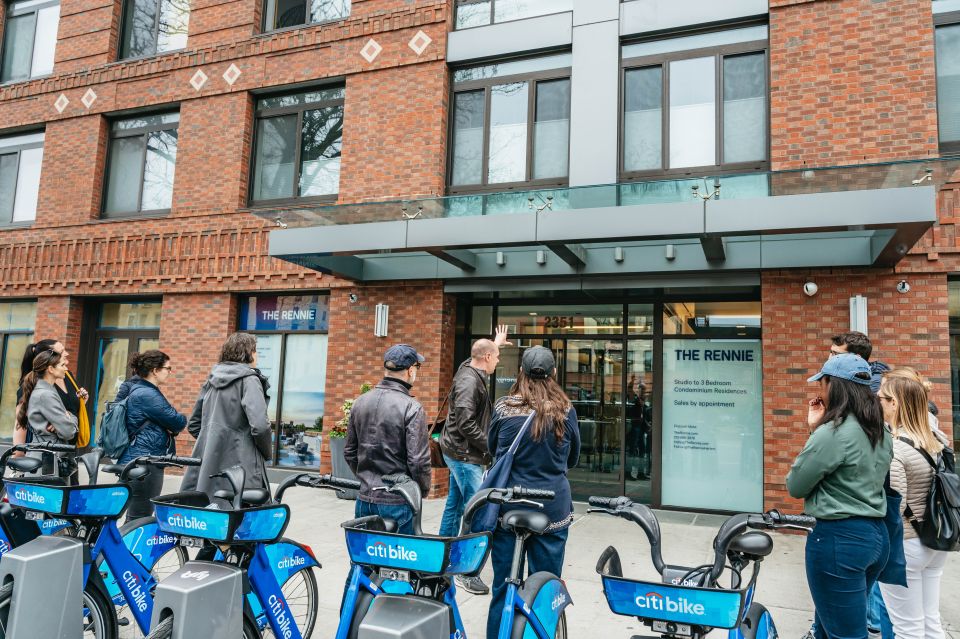
The tour doesn’t stay abstract. It points you toward specific places that shaped Harlem’s reputation.
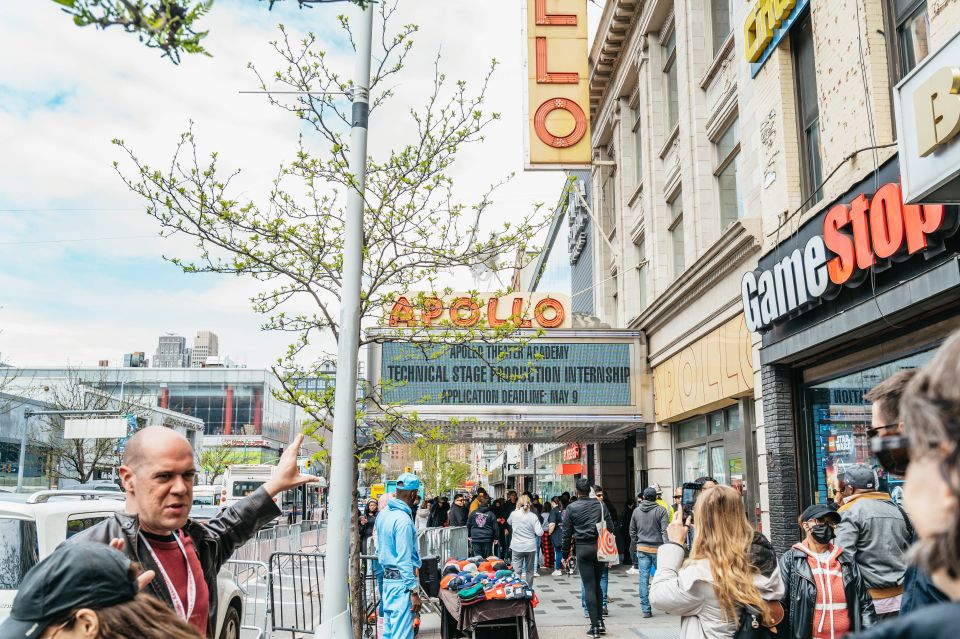
- The Apollo Theater: This stop matters because it represents performance culture at the center of public life—where talent met opportunity. Even if you’ve passed by famous theaters before, the guide’s context changes how you read the building.
- Speaker’s Corner: This is your window into the idea of a public forum—Harlem as a place where ideas, debate, and expression have mattered.
- Hotel Theresa: You’ll learn why hotels and cultural institutions weren’t just background infrastructure. They supported the movement—hosting, gathering, and making the city’s artistic and social life feel connected.
These landmark stops work especially well if you’re curious about the “why” behind fame. The Apollo isn’t just a stop sign. It’s a symbol for what Harlem made possible.




The City College and Hamilton view: seeing pride in the skyline
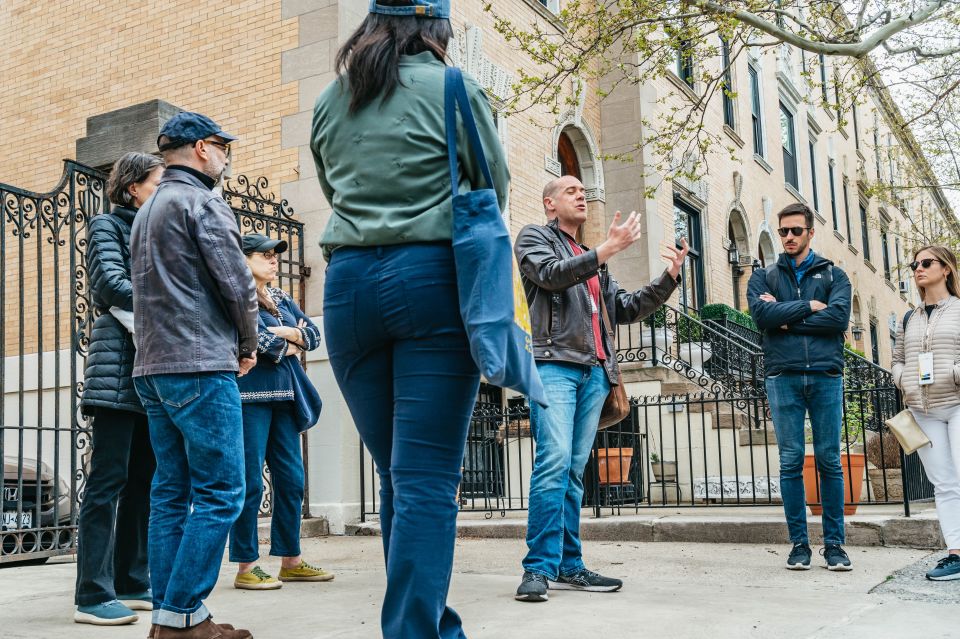
A standout moment comes from elevated viewpoints. One guide-led experience includes a view from City College toward Hamilton’s home, and it gives you a different angle on the neighborhood—literally. I love these view moments on urban walks because they help your brain map the place, then tie what you learned to the city around it.
This kind of stop also makes the tour feel less like a straight line and more like a story with pacing. You don’t just walk, you reset your perspective.
Schomburg Center and Langston Hughes ashes: where emotion meets education
If you enjoy literature and cultural history, the Schomburg Center connection is likely to be a highlight. One teacher-guest shared that standing where the ashes of Langston Hughes are interred carried real weight. I agree with that instinct: certain places don’t just inform you. They affect you.
This is also where the tour feels balanced in the right way. The guide doesn’t treat Harlem as only a past museum piece. Instead, the story links art, writing, identity, and community memory—then brings you back to what’s happening now.
Gentrification, threats, and hopes: hearing both sides without spin
A tour like this only works when it handles change honestly. Some guides on this walk are especially good at discussing gentrification and its impact in a way that doesn’t turn into doom or cheerleading. You’ll hear about ongoing threats and hopes for local people, which is important because Harlem’s story is not just about famous names—it’s about real daily life.
That balance shows up in how guides answer random questions too. One guest noted a line that music can be a first glimpse at the ballot box, and that kind of connection is why the guide matters. You leave with a clearer sense of how culture and politics interlock.
What makes the guide-led part worth it: names like William, George, Keith, Jonathan
A huge part of this experience is the guide. In the group of guides associated with this tour, you’ll hear a strong theme: strong passion plus clear explanations that don’t talk down.
Examples from the people who lead this walk include:
- William bringing genuine enthusiasm to Harlem’s story
- George sharing lots of local context and answering questions in a way that makes you feel “honored” to ask
- Keith explaining Harlem history so people from different countries could follow without losing the thread
- Jonathan presenting Black history and culture in a balanced way and making the walk feel leisurely rather than rushed
The best guides also manage the flow. One guest described the walk as relaxed with a planned bathroom break, which sounds small, but it helps you stay present instead of worrying about logistics.
Price and value: $30 for 2 hours of street-level storytelling
At $30 per person for a 2-hour walking tour, the value depends on what you want most from a visit to New York: facts, context, and time-saving direction.
You’re not paying just for famous landmarks. You’re paying for:
- a licensed resident guide who understands the neighborhood from inside
- a route that turns major sites—125th Street, the Apollo Theater, Speaker’s Corner, Hotel Theresa—into a connected story
- interpretive stops that help you see architecture and civic life as part of the Harlem narrative
If your time is tight and you want a credible “Harlem orientation” that doesn’t require museum tickets, this is a good use of two hours. If you want a tour packed with lots of entrances and paid attractions, then this might feel more like a focused walk than a full day.
Who should book this Central Harlem walk
This tour fits best if you:
- want a history-first Harlem experience without needing to go inside places
- like walking city blocks while learning how culture and community formed
- care about Harlem’s arts legacy but also want context about the neighborhood today
- prefer guides who explain clearly and will answer questions
You might not love it as much if you:
- dislike walking for extended stretches
- need constant movement or nonstop commentary
- expect a music or church event as part of the visit (this doesn’t include those experiences)
Should you book? My practical take
Yes, I’d book it if you’re visiting for the first time and you want an informed, grounded feel for Harlem in only two hours. The strongest reason is the guide element: these walks are led by local residents with a track record for making the story clear and human. Add in the mix of 125th Street, Apollo Theater, and the Schomburg Center/Langston Hughes connection, and you get both street-level context and emotional depth.
If you’re on the fence, choose it on a day when you can slow down. This tour rewards attention. Put on comfortable shoes, bring a curious mindset, and let the neighborhood do most of the talking.
FAQ
How long is the Central Harlem walking tour?
The tour runs for 2 hours.
How much does it cost?
The price is listed as $30 per person.
Where do I meet on Tuesday?
On Tuesday, you meet at 116th and Lenox Avenue (Malcolm X Blvd) in front of CVS.
Where do I meet on Saturday?
On Saturday, you meet at 145th and St Nicholas Avenue, in front of 700 St Nicholas Ave.
Is the tour offered in English?
Yes, the live tour guide provides the tour in English.
Is this a walking tour, and does it include church or music?
It’s a walking tour. It focuses on neighborhood history and does not include visits to churches or music performances.
Can I cancel and get a full refund?
Yes. You can cancel up to 24 hours in advance for a full refund.
Is there a reserve now, pay later option?
Yes. The listing offers reserve now & pay later, so you can book and pay nothing today.
If you want, tell me your travel dates and which day you’re visiting (Tuesday or Saturday), and I’ll help you plan what else to do with the rest of your day in Harlem.