REVIEW · NEW YORK CITY
Metropolitan Museum of Art Highlights Tour with Skip-the-Line Access
Book on Viator →Operated by City Wonders USA · Bookable on Viator
The Met can overwhelm fast. This two-hour highlights tour with skip-the-line access gives you a smart route through Egyptian, American, European, and modern art without wandering blindly. I like the skip-the-line ticket idea for getting started quicker, and I like that you’re not stuck reading labels alone thanks to an English-speaking guide who can explain what you’re actually looking at.
One thing to keep in mind: skip-the-line usually doesn’t erase every line. You may still face a long security line, and if the group starts late because people arrive late, you can feel the time squeeze inside a huge museum.
If you’re visiting for the first time, the payoff is real: the tour covers major hits you’d likely want anyway, then gives you context so you can return later and explore at your own pace. And if you’re going in winter, note the rooftop terrace is closed November through February, so plan on indoor highlights instead.
In This Review
- Key things to know before you go
- Entering The Met With a Two-Hour Game Plan
- Skip-the-Line Access: What it helps, and what it can’t change
- The Highlights Route: From Temple of Dendur to Modern Art
- Egyptian Wing: Temple of Dendur and the wow factor
- American Wing and European Masters: Washington Crossing and the comparison game
- Modern Art Highlights: Pollock, Warhol, Picasso (and why the order matters)
- Rooftop Views and Seasonal Reality: Summer payoff, winter reroute
- Group Size, Pace, and How to Get Real Answers
- Price and Value: Is $59 a good deal here?
- Practical Tips: Make the most of the two hours
- Who this tour suits best (and who may not)
- Should you book this Met highlights tour?
- FAQ
- How long is the Met highlights tour?
- Is the tour in English?
- What does skip-the-line access mean here?
- Is the admission ticket included in the price?
- What group size should I expect?
- Will I see the rooftop garden?
- Are backpacks allowed?
- Can I get a refund if plans change?
Key things to know before you go
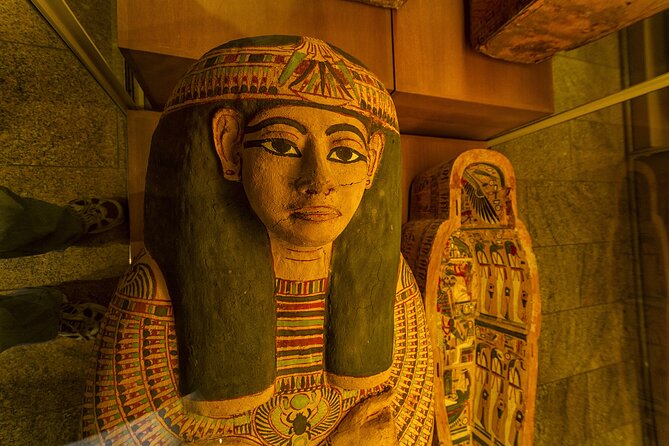
- Temple of Dendur first: you begin in the Egyptian Wing with one of the most dramatic rooms in the museum.
- American Wing anchors the story: you’ll see iconic American works like Washington Crossing the Delaware.
- Old Masters plus modern names: Velázquez, Rembrandt, and Van Gogh get paired with Pollock, Warhol, and Picasso.
- Small group pace: it’s capped at 20 people or less, so questions are actually possible.
- Ask better questions on the spot: guides are positioned to answer what you care about most.
- Rooftop plans depend on the season: terrace views work in summer, but it’s closed November through February.
Entering The Met With a Two-Hour Game Plan
The Metropolitan Museum of Art is big enough to chew up a whole day, even if you only want the famous stuff. That’s why a highlights tour can be a relief. For $59, you’re buying time and direction: a guided walk that hits the core collections and connects artists across thousands of years.
This tour is designed for a quick “first impressions” loop. You’ll start at the Met’s entrance, get a short orientation, then move into the Egyptian Wing. From there, the route flows into the American Wing and then across European masterworks. The final stretch shifts toward Modern Art, so you leave with a sense of how the museum’s eras talk to each other instead of feeling like separate buildings.
Two-hour tours are always a tradeoff. You won’t see everything. But if you want to understand what the Met is trying to do, this kind of structured route helps you avoid the most common beginner mistake: wandering into the museum’s best-known rooms without knowing how they fit together.
You can also read our reviews of more museum experiences in New York City



Skip-the-Line Access: What it helps, and what it can’t change
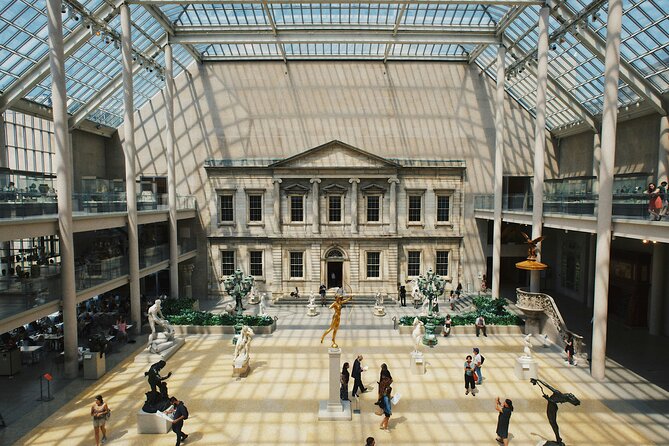
Skip-the-line access sounds like a magic spell, but at the Met it’s better to think of it as “skip one bottleneck.” Even with the ticket, you might still encounter a long wait for security. That’s not the tour failing to do its job; it’s just how entry works at a major museum.
Timing matters, too. This tour asks you to be at the meeting point 15 minutes before departure. If you arrive late, you can’t be added mid-tour, and missed tours aren’t refundable. And if latecomers cause the group to start behind schedule, the tour can feel rushed—especially in a museum where the distance between wings is not small.
My practical take: if you’re the type who hates crowds and wants to get moving fast, this is still worth it. Just don’t treat it like a bypass of every line. If you show up early, keep expectations realistic, and use the guide time well, the “skip-the-line” part usually pays off.
The Highlights Route: From Temple of Dendur to Modern Art
This tour’s route is built like a storyline. You start with ancient monument-scale art, then move into American identity and European painting traditions, and finally end with 20th-century art movements. It’s not random famous-art sampling. It’s a way to get your bearings so later museum exploring feels easier.
The tour is also structured around discussion. Your guide isn’t just pointing; they’re explaining what you’re seeing and why it matters. That matters because a lot of the Met’s masterpieces come with context you can miss if you only read labels. You’ll have time for questions, and a small group size makes that feel less awkward.
Still, there’s a reality check: no two guides will steer the same way. Some guides focus more on certain regions or themes. If you have very specific interests—say only European painting or only modern art—be ready for the tour to blend eras. That’s part of the deal with a “highlights” format.
Egyptian Wing: Temple of Dendur and the wow factor
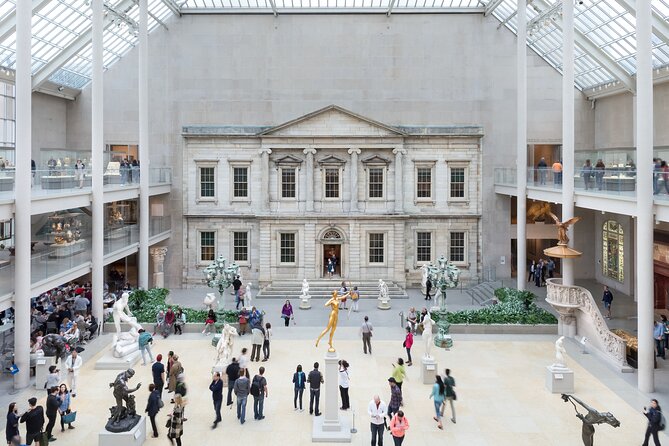
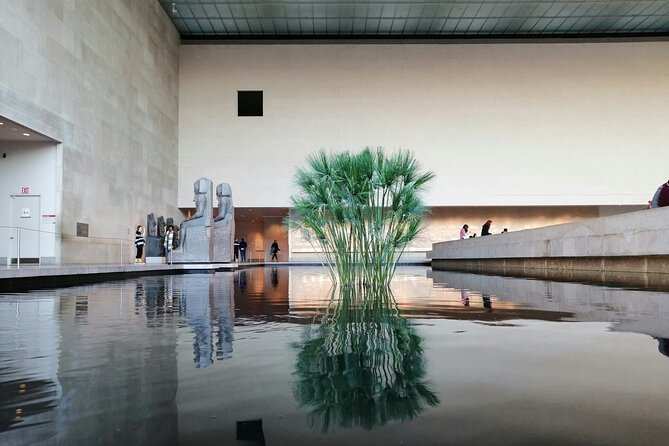
The first major stop is the Egyptian Wing, anchored by the Temple of Dendur. This is one of those rooms that can stop your brain for a second. It’s monumental, and it helps you feel what the museum means when it says it spans cultures across 5,000 years.
Starting here is smart for two reasons. First, it gives you a visual jolt early, so the tour doesn’t feel like “waiting for the good part.” Second, ancient Egyptian art often sets up themes—power, religion, and symbolism—that echo through how later cultures represent meaning. Even if you’re not a dedicated Egyptology person, the space itself tells you you’re in the Met’s top tier.
If you’re going in winter, this indoor start also helps. You’ll be inside, settled, and ready to move on to the next wings without the fatigue of long outdoor walks.
American Wing and European Masters: Washington Crossing and the comparison game
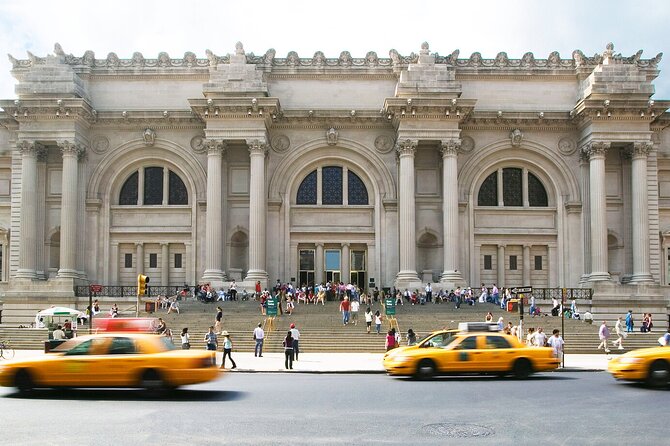
After Egypt, you shift into the American Wing. One of the named highlights is Washington Crossing the Delaware, the kind of painting most people recognize even if they’ve never seen it in person. It works as an anchor because it’s tied to American history and storytelling—so your guide can explain how art supports national myths and identity.
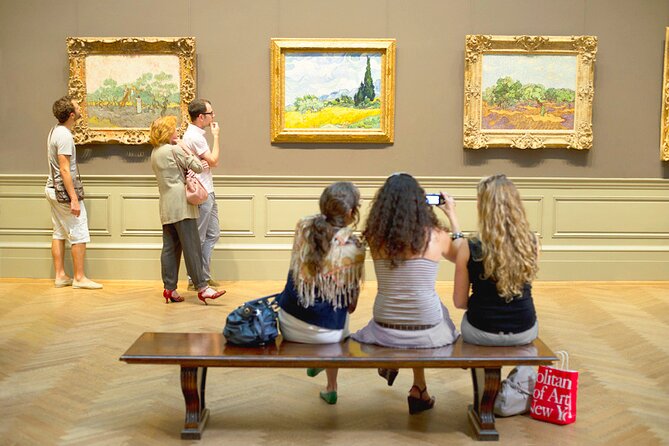
Then the route turns outward to Europe, with stop(s) featuring Velázquez, Rembrandt, and Van Gogh. The interesting part isn’t that these artists are famous. It’s how your guide uses them as comparison points. You start noticing differences in style, light, brushwork, and subject matter more quickly when someone points out what to look for.
This portion is where many first-time visitors say they got the most value: it’s a bridge between what you’ve heard and what you actually see. A short tour like this can’t teach you everything about painting technique, but it can teach you how to notice—and that’s the skill you carry into the rest of the museum.
You can also read our reviews of more tours and experiences in New York City






Modern Art Highlights: Pollock, Warhol, Picasso (and why the order matters)
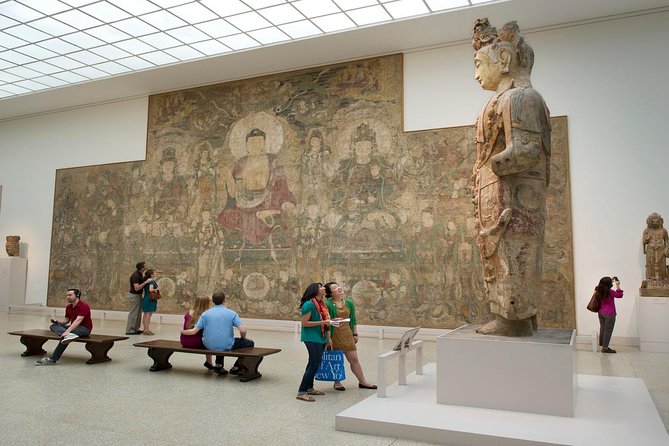
The tour also includes modern art stops featuring Pollock, Warhol, and Picasso. That trio alone tells you the tour isn’t staying in the “golden classics” lane. It’s using the final stretch to show how the Met’s collections keep evolving.
The order can help your brain. By the time you reach modern works, you’ve already seen art used to document belief systems and shape national narratives. Then you arrive at modern art where meaning often shifts—toward experimentation, visual impact, and new ways of representing the world.
This is also where guides can vary the most. Some will lean into art history and social context; others will focus on what’s visually striking and how the artist built their image. If you prefer one style of explanation over another, names mentioned in feedback can clue you in—guides like Jeff, Richard, Rob, Louis, Kevin, Philip, Mathew, and Leo show up repeatedly. Booking with a guide who matches your taste can make the two hours feel longer in the best way.
Rooftop Views and Seasonal Reality: Summer payoff, winter reroute
If you visit in summer, the tour can end with views from the Met’s rooftop garden. That’s a nice finish because it’s a break from galleries and a chance to see how the museum sits within the city.
But here’s the seasonal catch: the rooftop terrace is closed November through February. So in winter, your “ending moment” won’t be that rooftop view. You’ll still get the core highlights indoors, but plan your expectations around a full indoor tour rather than a photo-finish.
If you’re winter-bound, think about comfort. Coat check can be important when you’re dressed for cold weather, and a warm plan for your outer layers makes the galleries more enjoyable.
Group Size, Pace, and How to Get Real Answers

The group is capped at 20 people or less. That matters because it affects how much time you get with the guide. In a bigger crowd, you can spend most of a two-hour tour watching other people’s backs. In a smaller group, you’re more likely to ask questions and get direct answers.
Pace is the other factor. Some guides manage time extremely well, keeping everything on schedule and making it feel like a smooth walk from room to room. Other experiences can feel compressed if the group starts late. The museum is enormous, so if the tour slips even a little, you’ll feel it.
My advice: come in with two or three things you care about most. You don’t need a long list. Pick your personal priorities—Egypt, American art, Old Masters, or modern art—and ask questions that connect to those. That way, even if you’re moving fast, the time you spend watching the art is more satisfying.
Also, listen for the guide’s storytelling style. Names like Leo and Rob are mentioned for friendly, engaging explanations and for helping first-time visitors get their bearings fast. If you’re the type who learns best by conversation, this format usually suits you.
Price and Value: Is $59 a good deal here?
$59 for a two-hour tour that includes your entry ticket is a fair buy, especially when you’re new to the Met or short on time. The value isn’t just that you get a guided tour. You’re getting an organized route through major collections, plus a guide to help you spot what you’d otherwise miss.
Where the value holds strongest:
- You want an overview that connects eras quickly.
- You’re not sure where to start inside the museum.
- You like asking questions while you’re looking at the actual works.
Where you might question the deal:
- If you only want one narrow slice of art and would rather control every minute.
- If you expect skip-the-line to eliminate security lines entirely.
- If you’d rather spend the money on an audio guide and a self-made route.
If you go this route, you’ll likely finish with a mental map. Then your next Met visit can be deeper and more relaxed—because you already know where the big rooms are and what kinds of art you want to return to.
Practical Tips: Make the most of the two hours
A few small choices can make a big difference at the Met.
- Travel light. The Met restricts bags bigger than a backpack. If you bring a backpack, you’ll be required to hold it in your hands. That’s awkward but manageable if you plan for it.
- Aim for early arrival. You don’t want to risk a delayed start or a rushed finish.
- Keep your questions simple. Ask what you’re seeing and how to look at it, not how to memorize it.
- Plan for indoor time in winter. Rooftop terrace views are closed November through February.
One more practical thing: because this tour moves through multiple wings, it helps to wear shoes you trust. You’ll be standing and walking more than you might expect for a “two-hour” label.
Who this tour suits best (and who may not)
This tour is best for:
- First-time Met visitors who feel a little lost just hearing the museum is huge.
- People who want a guided overview across Egypt, America, Europe, and modern art.
- Anyone who likes conversation and wants a chance to ask questions in real time.
- Short-time visitors who can’t spare a full day.
It may be less ideal if:
- You already know exactly what you want to see and prefer a self-guided route.
- You only care about one era or one collection and dislike the “mix” typical of highlights tours.
- You’re very sensitive to delays. The museum’s entry and security flow can affect timing.
Should you book this Met highlights tour?
Book it if you want a fast, guided orientation that hits the Met’s signature masterpieces and helps you build a personal map of the museum. At $59, you’re paying for structure, expert guidance in English, and a two-hour route that covers the biggest “must-see” areas without requiring you to research every stop beforehand.
Skip it if you’re comfortable planning your own route and you’d rather choose exactly what you see, at your own pace, with no risk of time pressure from a late start. Also skip if you expected the skip-the-line ticket to eliminate security waits completely.
If you’re on the fence, my suggestion is simple: if this is your first Met visit and you want to leave knowing where to go next, this is a smart use of time.
FAQ
How long is the Met highlights tour?
It runs about 2 hours.
Is the tour in English?
Yes, it’s offered in English.
What does skip-the-line access mean here?
You reserve in advance and use skip-the-line access for entry as part of the tour, but security lines may still be a factor depending on conditions.
Is the admission ticket included in the price?
Yes. Your entry ticket to the Met is included.
What group size should I expect?
It’s a group of 20 people or less.
Will I see the rooftop garden?
If you visit in summer, the experience can include rooftop views. The rooftop terrace is closed from November through February.
Are backpacks allowed?
The Met does not allow bags bigger than a backpack. If you bring a backpack, you’ll be required to hold it in your hands.
Can I get a refund if plans change?
Free cancellation is available. You can cancel up to 24 hours in advance for a full refund, and within 24 hours it’s not refunded.