REVIEW · NEW YORK CITY
Central Park: Scandal & Vice Walking Tour
Book on Viator →Operated by Purefinder New York · Bookable on Viator
Central Park has a secret life. I love how this scandal-and-vice tour replays familiar spots as crime scenes and gossip mills, not postcard moments. I also like the small-group feel, which makes questions actually possible instead of rushed.
You’ll meet at the Arsenal on 5th Ave and start at 11:00am, then work your way through the park’s shadowy corners at a steady walking pace. Expect a mobile ticket, an English guide, and a group capped at 15, so the stories land better.
One caution: the tone is crime-focused, with talk of indecency, arrests, heists, and murder. If you want a purely light stroll, you might find it heavy—also note bottled water isn’t included, so plan to bring some.
In This Review
- Key things to know before you go
- Why a Scandal-and-Vice Walk Works in Central Park
- From The Arsenal to the Zoo: conflict at the park’s starting line
- Balto and Bethesda Terrace: famous statues with messy backstories
- Rumsey Playfield and Sheep Meadow: design fights, Depression-era pressure, protest
- Strawberry Fields and San Remo: murder, class, and the park’s orbit
- The Museum Heist and witness problems: why park-adjacent crime matters
- The Ramble: cruising history, police raids, and what got filmed
- Timing, pacing, and what to bring for a good experience
- Is it worth $40, and who should book it?
- Should you book the Central Park Scandal & Vice Walking Tour?
- FAQ
- What’s the duration of the Central Park Scandal & Vice Walking Tour?
- How much does the tour cost?
- Where does the tour start and end?
- Is bottled water included?
- What language is the tour offered in?
- What’s the cancellation policy?
Key things to know before you go
- A true small-group format (max 15) means you can ask your guide real questions as you walk.
- Dark-history storytelling beats standard sightseeing by tying famous landmarks to arrests, scandal, and real-world mess.
- A short, stop-by-stop rhythm keeps the pace moving and the facts digestible.
- You cover both iconic sites and park edges—ending in the Ramble, right where the stories get most nocturnal.
- All fees and taxes are included in the $40 price, so you’re not hunting for surprise add-ons.
Why a Scandal-and-Vice Walk Works in Central Park
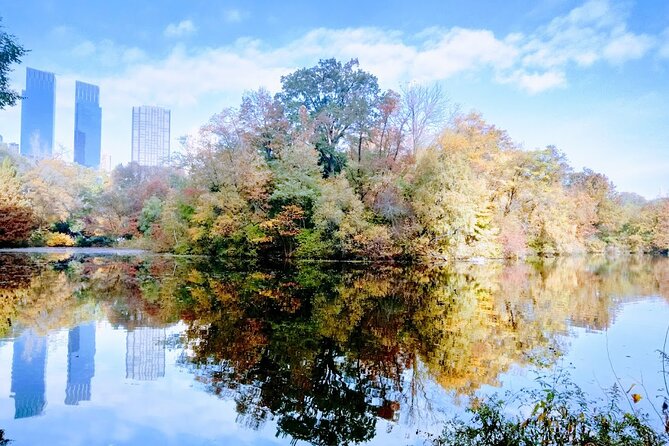
Central Park is built for pictures. This tour is built for context. Instead of treating the park like a single “pretty place,” you see it as a stage where power, money, crime, and scandal all collided.
The price—$40 per person—isn’t for museum entry or a bunch of rides. It’s paying for a focused guide who links multiple locations into one consistent story. With all fees and taxes included and a dedicated English guide, it’s a solid deal if you like your New York with sharp edges.
The biggest value is how the route changes your lens. You’re not just learning facts. You’re learning what people did, what institutions tried to cover up, and why certain places became magnets for trouble.
You can also read our reviews of more walking tours in New York City



From The Arsenal to the Zoo: conflict at the park’s starting line
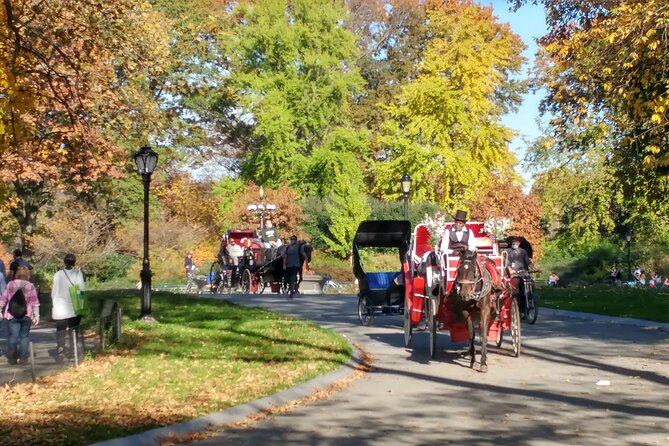
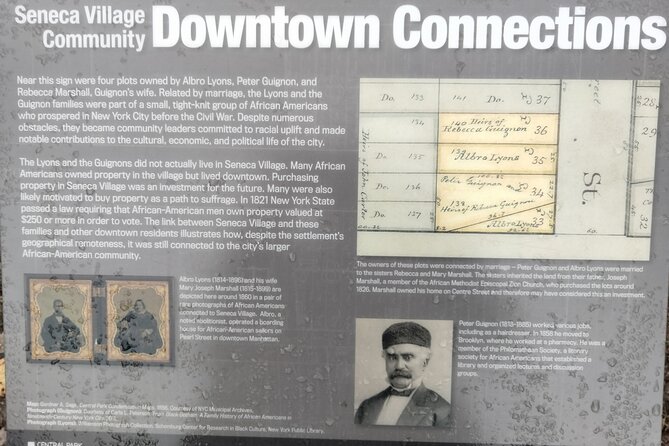
You begin at The Arsenal near 5th Ave. The guide sets the stage with a brief history of the park, including the earlier evictions of the Central Park area before the big construction even got underway. That matters, because it reframes the park from an instant gift to a result of disruption and displacement.
Then you shift to the Arsenal itself, tied to 19th-century infamy and violence. This is one of those stops where the building name is famous enough, but the backstory is usually missing from casual sightseeing. You get a sense of how the park’s early days could feel harsh, not idyllic.
Next is the Central Park Zoo, where the tour focuses on strange origins and legal trouble—specifically arrests for indecency. Even if you’ve seen the zoo on a family day, this angle makes it feel like a social experiment with consequences. It’s also a good reminder that public spaces often reflect society’s norms at the time.
Practical note: each of these first stops is short (around 5 minutes each), so you’re not stuck in one spot. You’ll keep moving, and the guide’s storytelling stays punchy.
Balto and Bethesda Terrace: famous statues with messy backstories
The walk then leans into something Central Park does well: turning art and design into public argument. The first major statue stop is the Balto statue, where you hear about the controversy around the city’s first dog statue. It’s the kind of fact you’d never catch from the statue alone, and it shows how even pet memorials can become cultural flashpoints.
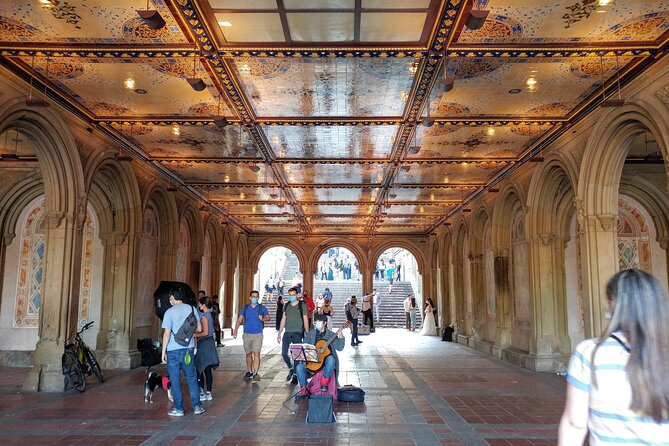
From there, the tour keeps the “statues and scandal” theme going into Bethesda Terrace. This stop centers on the scandalous affair of Jacob Wrey Mould, described here as the unsung third designer of Central Park. That name is a big deal if you like the idea that “history” often credits a few people while leaving others in the margins.
What really turns Bethesda into a standout on this tour is the way it connects personal drama to public disorder—there’s talk of crime and vandalism, and how that mess helped push the Central Park Conservancy into existence. In other words, this isn’t just gossip. It’s a story about why caretaking and rules eventually became urgent.
Bethesda gets about 10 minutes. That’s enough time to connect the dots without turning it into a long lecture.
Rumsey Playfield and Sheep Meadow: design fights, Depression-era pressure, protest
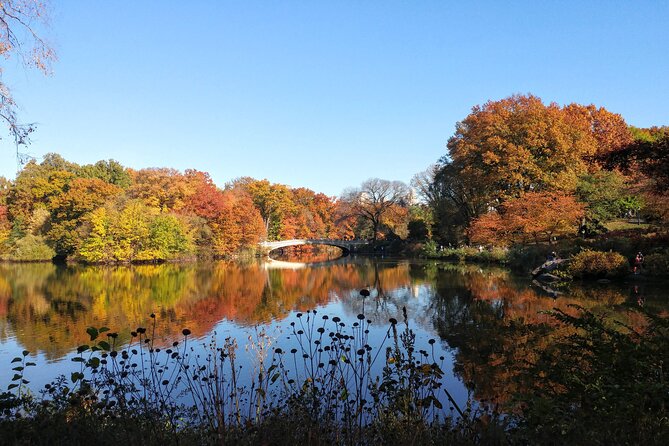
Central Park isn’t just one uniform style. It’s a bundle of compromises, and that comes through at Rumsey Playfield. Here, you hear about quarrels involving the Wisteria Pergola and a prohibition-era thread: the history of a nightclub that used to exist in the park.
This is a fun stop if you enjoy the “wait, that used to be here?” feeling. It also highlights how Central Park has repeatedly been used as a stage for adult nightlife and public performance—sometimes with the rules catching up late.
Next is Sheep Meadow, and the tone shifts again, this time to social hardship. You’ll learn about Hooverville—a settlement during the Great Depression—and also about protests and demonstrations linked to the area. That’s a big change from the “romantic lawn” most people picture.
If you’ve only seen Sheep Meadow as a place to relax, this tour nudges you to notice the opposite: it’s also been a place where people gathered when life broke badly and they needed space to be seen.
These two stops are each around 7 to 10 minutes, which works well. You get the headline story plus enough background to make it feel real, not like a trivia quiz.
Strawberry Fields and San Remo: murder, class, and the park’s orbit
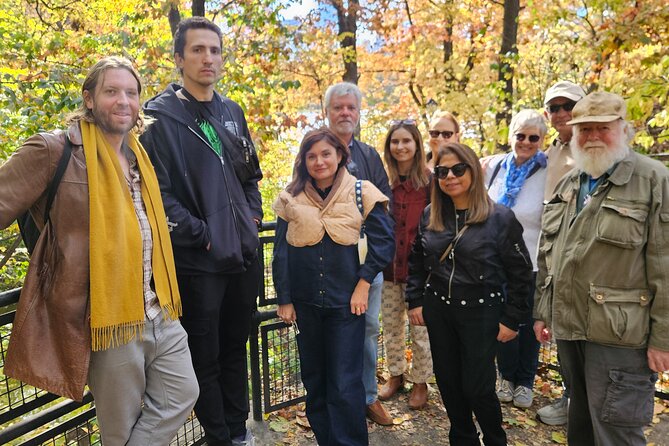
Now the tour takes a darker turn again at Strawberry Fields, where the story includes a gruesome murder tied to the area. What makes this stop more than shock value is the stated intersection with class and subculture. The guide’s job here is to show how the park isn’t isolated from city life—it draws in different groups, and it becomes a meeting point for tensions.
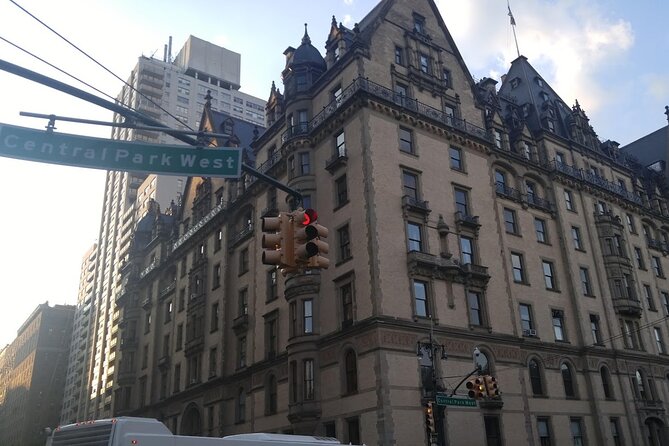
Then comes The San Remo, which the tour uses to connect Central Park to a web of accidents, stunts, and suspicious deaths. This stop feels like the park’s “urban legend annex,” but it’s not random. The point is that high-profile buildings and public areas tend to attract stories that people try to interpret in their own way.
These stops together add texture to the tour. You begin to understand the theme: scandal isn’t a single event. It’s a pattern—how people, media, law, and rumors interact around famous places.
Expect roughly 10 minutes at each stop here, with enough time to look at what you’re standing near and still keep the pace brisk.





The Museum Heist and witness problems: why park-adjacent crime matters
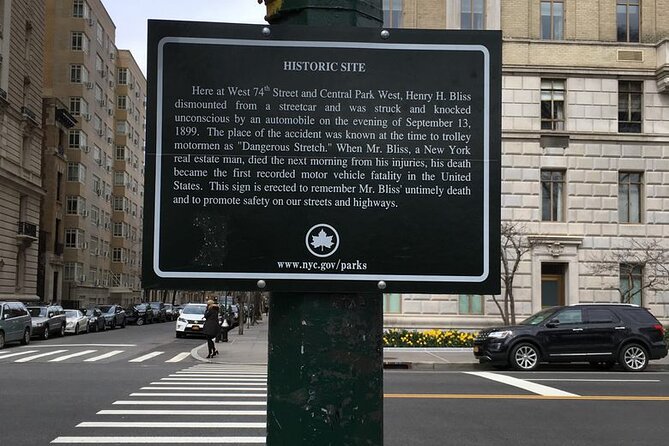
One of the most surprising portions happens at the American Museum of Natural History area. You’ll hear about a notorious park-adjacent heist, plus a separate story involving a witness protection incident gone horribly wrong.
This is valuable because it expands your view beyond the park’s boundary lines. Central Park is famous, but it’s also a landmark in a neighborhood—meaning crime doesn’t respect “official lines.” When the tour brings the museum area into the story, you get a more complete picture of how the park functions in the wider city system.
This stop is about 10 minutes, and it’s a good “brain reset” before the final push into the Ramble—still dark, but more tied to legal and institutional failure.
The Ramble: cruising history, police raids, and what got filmed
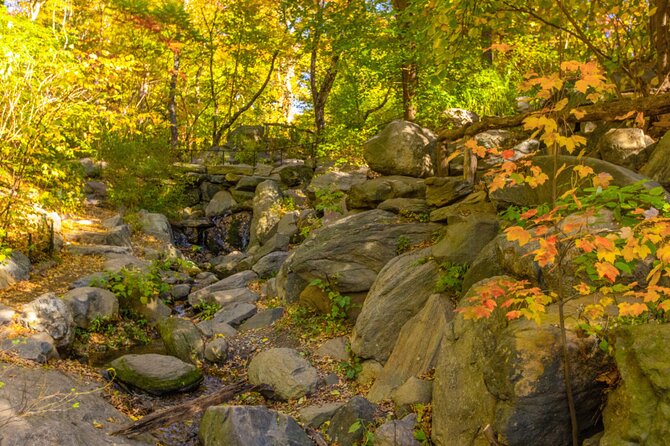
The tour ends in The Ramble, specifically at the Stone Arch area near Oak Bridge. This is where the vibe turns more nocturnal. You’ll learn about cruising history in the Ramble, including nighttime incidents and police raids. The guide also connects this activity to the films and TV shows it inspired.
I like the choice of ending here because it makes sense geographically and thematically. The Ramble is already a spot many people associate with quiet corners and privacy. The tour’s focus gives that reputation a specific historical explanation, rather than leaving you with stereotypes.
There’s also a practical side: you’ll be escorted out of the Ramble at the end of the tour unless you choose to stay. The closest exit out of Central Park is near West 77th Street and Central Park West, close to the 81 St–Museum of Natural History subway station (B, C).
If you want photos, plan to do them quickly at the end. This is the part of the tour where you’ll likely want your attention on the guide’s story, not on parking your camera for long.
Timing, pacing, and what to bring for a good experience
This walk runs about 2 hours, with short time blocks at each stop. That matters more than you’d think. In many history tours, you spend half your time waiting or listening without context. Here, the stop durations (often around 5 to 10 minutes) keep you oriented and moving.
It’s also worth knowing the group is capped at 15. That size is small enough to ask follow-ups, which is ideal for a tour like this, where the storylines involve controversy and competing interpretations.
Bring comfortable walking shoes. The tour is in Central Park, and you’ll be crossing paths and changing directions across different areas. Also bring your own water, since bottled water isn’t included.
If you’re sensitive to the topic matter, mentally prepare. This is not a cute “spooky” tour. It includes talk of arrests, indecency, murder, heists, vandalism, and police raids. Some people love that realism. Others prefer a different kind of Central Park day.
Is it worth $40, and who should book it?
For the money, you’re buying three things: an English guide, a tight two-hour format, and a storyline that links multiple Central Park locations into one arc. You’re not paying extra at stops, and the tour includes all fees and taxes in the price.
So I think it’s worth booking if you like:
- crime and scandal history (not just “pretty places”)
- short walks with high storytelling density
- a small group where you can ask questions
It’s not the best fit if you want a gentle, kids-first park stroll or a purely scenic loop. Also, if you dislike hearing about violent or sexualized legal cases, this tour won’t soften that edge.
Should you book the Central Park Scandal & Vice Walking Tour?
If you’re the type who reads the plaque at a landmark and then immediately wonders what people didn’t put on the plaque, this is a strong match. The small-group setup and the stop-by-stop structure make it feel purposeful, not crowded or chaotic.
Book it if you want Central Park to feel like a real city space with real consequences—not just an Instagram backdrop. Skip it if you want only sunshine facts and easy vibes. Either way, you’ll leave with a new way to look at the park’s most famous corners.
FAQ
What’s the duration of the Central Park Scandal & Vice Walking Tour?
The tour lasts about 2 hours.
How much does the tour cost?
It costs $40.00 per person.
Where does the tour start and end?
It starts at The Arsenal, 830 5th Ave, New York, NY 10065, and ends at the Ramble (Stone Arch), Central Park, Oak Bridge, New York, NY 10024.
Is bottled water included?
No. Bottled water is not included.
What language is the tour offered in?
The tour is offered in English.
What’s the cancellation policy?
You can cancel for a full refund up to 24 hours before the experience starts. If you cancel less than 24 hours before the start time, the amount paid won’t be refunded.