REVIEW · NEW YORK CITY
Chelsea and the High Line NYC Architecture Walking Tour
Book on Viator →Operated by Build Tours · Bookable on Viator
Architecture has a secret path here. In Chelsea, this small-group walk pairs High Line views with clear personal headsets, so you can actually follow the story as buildings change around you. I love how the guide (Ivan Shumkov) ties what you see to why it exists, with details like how air rights helped shape the skyline.
I also like the value of the format: it’s only about two hours, yet it links the park to the newer design culture of Hudson Yards and the surrounding museum and gallery area. That makes it a smart pick when you want design payoff without spending half a day on logistics.
One drawback: the stops are short, so if you want long pauses in every spot, you may feel the pace is a bit fast. Also, this experience depends on good weather, since it’s primarily outdoors and walking-focused.
In This Review
- Key takeaways before you go
- Starting at the Whitney: easy meeting point, focused route
- High Line: how a park rewired the skyline story
- Whitney Museum and the Chelsea art blocks: architecture around institutions
- Little Island and the architect-forward walk along 11th and 28th
- The Shed, Vessel, and Hudson Yards: newer megastructure meets public space
- Price and pacing: what $49 buys in real New York time
- Who should book this architecture walking tour?
- Should you book? My take on value and fit
- FAQ
- How long is the Chelsea and the High Line NYC Architecture Walking Tour?
- What time does the tour start, and where does it end?
- How much does the tour cost?
- How many people are on the tour?
- Are headsets included?
- What happens if the weather is poor or I want to cancel?
Key takeaways before you go
- Small group (max 15) means more personal attention and easier Q and A moments
- Individual headsets help you hear every explanation even when the street is loud
- A tight 2-hour loop gives you a lot of iconic architecture without a major time commitment
- High Line plus Hudson Yards lets you compare old infrastructure reuse with brand-new design
- Architect-name landmarks show up in multiple forms, from 11th Ave to 28th Street
- Free-feeling stops (the route lists free admission for the key sights) keep it from turning into an extra-ticket day
Starting at the Whitney: easy meeting point, focused route
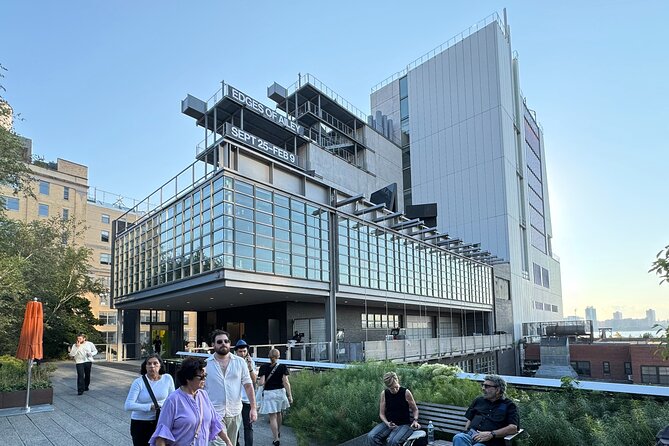
You start near the Whitney Museum of American Art at 99 Gansevoort St (about a 2:00 pm start). From there, the tour quickly shifts you into Chelsea’s architecture zone, where you’re not just looking at pretty buildings—you’re learning how the neighborhood grew and reinvented itself.
I like that this isn’t an abstract “NYC architecture” lesson. It’s anchored to specific places you can physically reach in a short window, and that matters because New York can eat your time fast. Here, the walk is planned so you can see the connections between the park, the museums, and the new skyline additions around Hudson Yards.
Because the group is capped at 15, the guide can steer you to the best angles at each stop. The headsets also cut down the usual walking-tour problem—straining to hear while trying not to lose your group. You get to spend your attention on the buildings and streets instead of the logistics of following along.
You can also read our reviews of more walking tours in New York City



High Line: how a park rewired the skyline story
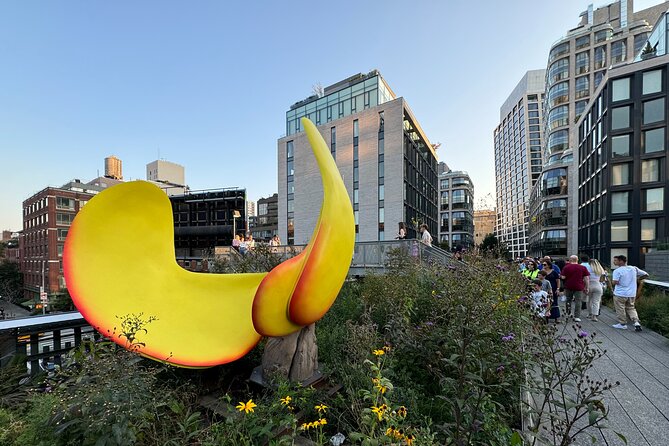
The main event is the High Line, where you’ll spend about an hour. The key thing I like is that the guide doesn’t treat the park as just a scenic stroll. The explanations connect the High Line to the larger idea of neighborhood transformation—especially the role of air rights in the way development happened above the street level.
That detail is more than trivia. In New York, the rules of where and how you can build shape what you end up seeing. When the guide breaks down concepts like air rights, the High Line turns into a practical case study: public space, private development pressure, and big design all getting forced to coexist in a very small geographic area.
The High Line also works as a visual “before and after” classroom. You’re walking through a reuse story—old industrial structure turned into a modern pedestrian park—and it’s easier to understand that reinvention when you can look at nearby buildings while you walk.
One more reason this part lands: it’s paced like a guided walk, not a long museum detour. You get time to absorb the views, then you move on while the ideas are still fresh—so the newer architecture you see later doesn’t feel random.
Whitney Museum and the Chelsea art blocks: architecture around institutions
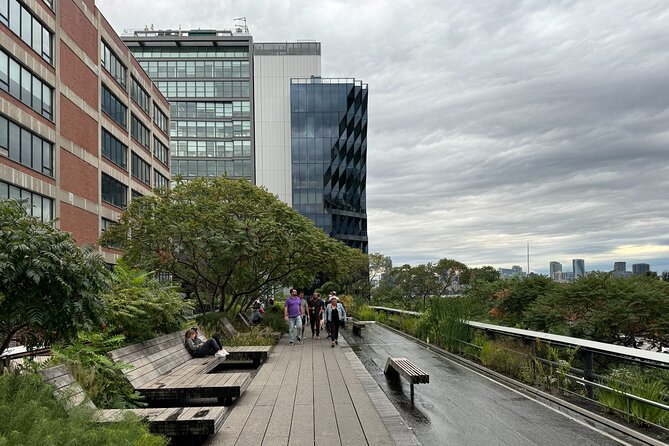
After the High Line, the tour swings through the Whitney Museum area for a quick stop. It’s short—around five minutes—but that’s exactly the point here. You’re using the walk to place cultural institutions in the same mental map as the public spaces and skyline changes.
Then you pass by the Standard, High Line. This is a good example of how Chelsea can feel layered: art-world credibility next to design-forward hospitality, all within blocks that seem to shift character from corner to corner. Even without long interior time, the quick stop format helps you notice how buildings sit at street level and how they relate to what’s happening around them.
I like this approach because it keeps the tour grounded. You aren’t just chasing famous names; you’re also learning how the city’s cultural and commercial buildings cluster and influence each other.
If you’re the type who likes a little context before you start snapping photos, this is a useful stretch. You’ll start to see patterns in materials, massing, and street presence—then those patterns get compared again later when the tour moves into the more futuristic Hudson Yards cluster.
Little Island and the architect-forward walk along 11th and 28th
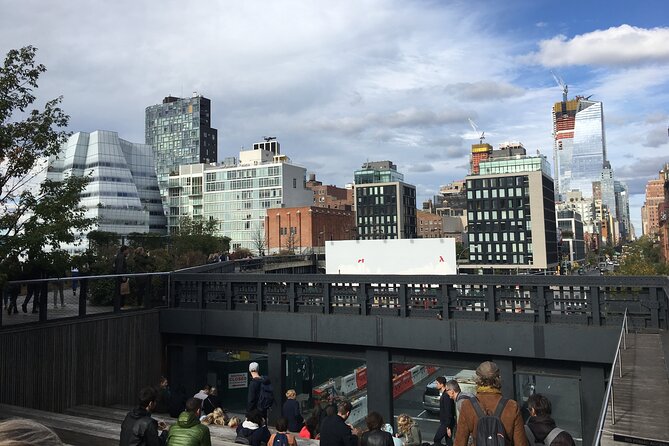
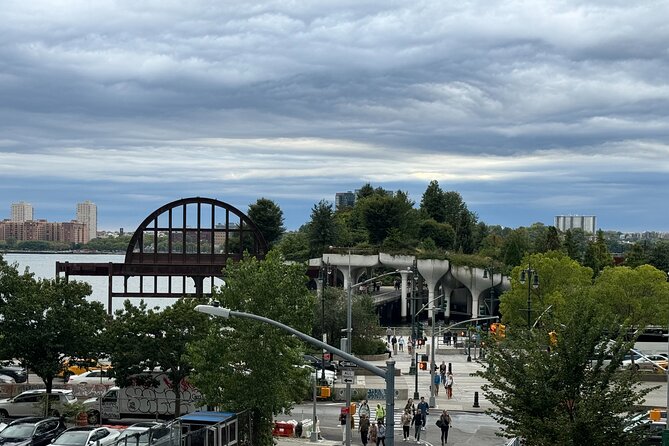
One of the fun parts is how the route keeps bringing you to architecture tied to recognizable design personalities. You’ll see Little Island Park in the Hudson River area, which gives you a chance to think about public space that isn’t just on land or purely built for daily commuting. It’s a different way of using outdoor space, with a “designed for viewing” feel.
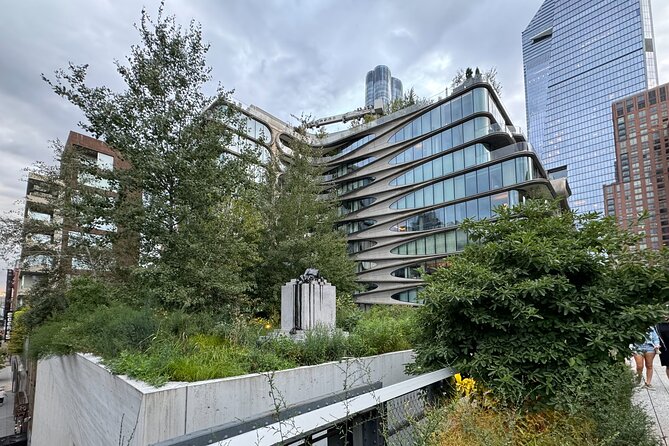
From there, the tour spotlights landmark buildings along the corridor around 11th Avenue and 28th Street. You’ll get time near 100 11th Avenue by Jean Nouvel, and then you’ll move to 520 West 28th Street by Zaha Hadid Architects. Both stops are brief (about five minutes), but they’re designed for recognition: you see the work, you learn what the guide wants you to notice, and you get a bit of the design vision behind it.
Here’s where I think Ivan Shumkov’s style matters. The reviews highlight that he knows the buildings on the route and explains the architectural ideas in a way that keeps the walk from feeling like a checklist. When a guide can connect the name on the building to what it’s doing visually and socially, the quick stops stop being superficial.
Practical note: because the time at each of these architect stops is limited, show up with a mindset of short observations. Aim to take in one or two features per building—how it sits, how it frames views, or how it changes the feel of the block—then move on. That keeps you from feeling like you missed the “best” moment.
The Shed, Vessel, and Hudson Yards: newer megastructure meets public space
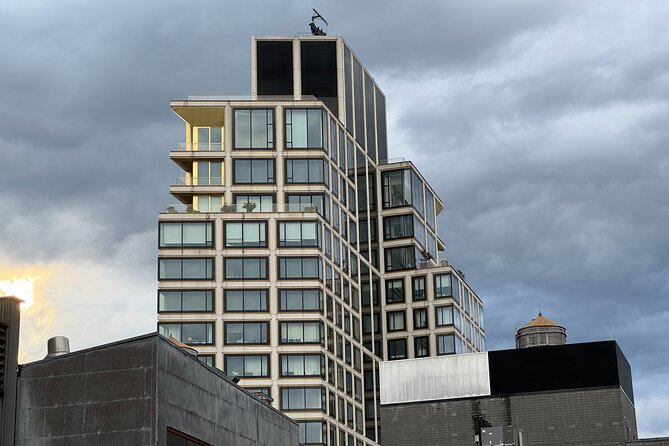
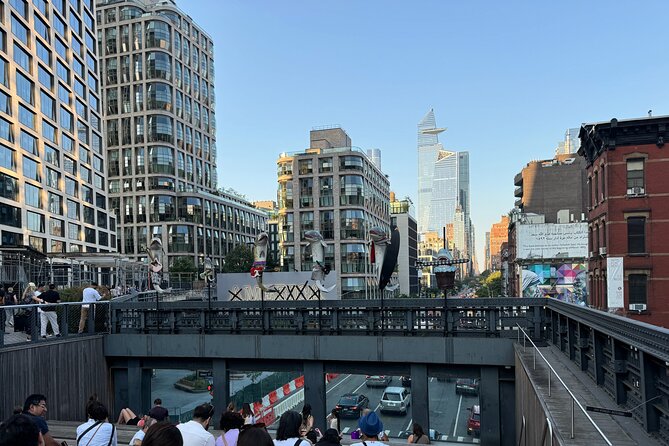
When the walk reaches Hudson Yards, it shifts tone. The energy changes from park-plus-cultural-adjacent to a more concentrated “new Manhattan” zone, where several headline buildings are close enough to compare in the same hour.
You’ll visit The Shed and the Vessel. The tour keeps each stop short (about five minutes each), which is smart here because these are places people often want to photograph fast. But the value is in the narration—how the guide frames why these structures exist where they do and how the public’s experience is part of the design.
Then you move through the wider Hudson Yards area with extra time—about ten minutes—so you get a little breathing room to look around and understand the layout. You’ll also see 15 Hudson Yards by Diller Scofidio + Renfro and later the Spiral by BIG (Bjarke Ingels Group) from 2021.
These last stops are where the architecture names start to feel like a conversation across time. You’re watching design responses to the same overall pressure: how do you build in a place that’s trying to feel like a neighborhood, not just a development site? If the guide is doing their job well, you’ll leave thinking about urban design as something people can walk through—not something that only exists on a skyline render.
I also like how the end location ties you to the real Hudson Yards environment: you finish at 20 Hudson Yards. That’s a handy anchor point for continuing your day—especially if you’re planning dinner or a walk afterward in the area.






Price and pacing: what $49 buys in real New York time
At $49 per person for about two hours, this tour is priced for people who want high output in a limited schedule. In Manhattan, time is the expensive part. A two-hour small-group tour that covers multiple standout points—High Line, major Hudson Yards landmarks, and architect-name buildings—can beat cobbling together several separate stops and trying to make sense of them on your own.
You also get real tools for listening: all guests get professional individual headsets. That’s not just a comfort upgrade. It changes the experience from sightseeing to understanding, because you can hear the why behind the where without stepping away to read plaques.
The group cap (maximum 15) is another practical value. It keeps the guide from turning into a lecturer at a distance. With a smaller group, you’re more likely to get directed to the best viewing points without losing everyone in a crowd.
Just keep your expectations aligned with the format: many stops are around five minutes. This isn’t a slow, linger-everywhere style tour. It’s more like a guided architecture walk where the guide gives you the key interpretations, and you absorb them while moving.
Who should book this architecture walking tour?
This works best if you’re curious about how cities rebuild themselves, not just if you want landmark photos. If you like architecture with real context—public space, urban renewal, and the way policy and development influence design—you’ll get a lot out of the narration.
It’s also a good fit for mixed groups: people who want beautiful views and people who want to understand what they’re looking at. The headsets and the small size help keep attention on the guide, which is helpful when your group has different interests.
If you’re very sensitive to crowds or you need long stops at each site, you may find the pace a bit tight. But if you’re flexible and enjoy learning while you walk, it’s a very efficient way to connect Chelsea and Hudson Yards into one coherent design story.
Should you book? My take on value and fit
I’d book this if your goal is to understand the architecture and urban design choices in one focused afternoon plan. The mix of the High Line’s transformation story and Hudson Yards’ headline buildings makes the route feel like a comparison lesson, not random sightseeing.
If you can handle short stops and you’ll be comfortable walking for roughly two hours, the $49 price feels reasonable for the amount of ground covered, plus the headset setup. And if you like guides who can explain concepts like air rights while pointing out buildings on the route, you’re likely to enjoy the experience a lot.
FAQ
How long is the Chelsea and the High Line NYC Architecture Walking Tour?
It runs for about 2 hours.
What time does the tour start, and where does it end?
It starts at 2:00 pm at 99 Gansevoort St (Whitney Museum of American Art) and ends at 20 Hudson Yards.
How much does the tour cost?
The price is $49.00 per person.
How many people are on the tour?
This tour has a maximum of 15 travelers.
Are headsets included?
Yes. Professional individual headsets are included for each guest.
What happens if the weather is poor or I want to cancel?
The experience requires good weather, and if it’s canceled due to poor weather you’ll be offered a different date or a full refund. You can cancel for a full refund if you cancel at least 24 hours before the start time.