Subway tunnels tell stories most people miss. This private Lower Manhattan tour keeps you from getting turned around in NYC’s underground maze, and it also comes with audio ear pieces so you can follow every key detail. The guide helps you connect what you see to why it matters, and it’s also a smart choice if you’re nervous about navigating the system alone, especially with all the stairs and transfers.
I also like the personal attention you get on a private setup for up to 15 people. You’ll get a guided route that ends in the WTC / Fulton Center area, built for first-timers and repeat visitors who want a different angle on the city. One possible drawback: if you have trouble with steps and lots of stair climbing, this may be harder than a street-level tour.
In This Review
- Key Points You’ll Care About on This Underground Tour
- Why a Private Subway Tour Works So Well in Lower Manhattan
- The Real Route: Start at One Battery Park Plaza, Finish at WTC / Fulton Center
- What You’ll See Underground: Abandoned Stations and Why They Matter
- South Ferry and City Hall: The Downtown Stops That Get the Most Mention
- Brooklyn Bridge-Era Secrets You Can Actually Walk Into
- PATH Subway Included: Why That Bonus Matters
- Audio Ear Pieces: The Practical Comfort Feature That Changes Everything
- Group Size and Private Attention: When Up to 15 Works Best
- Price and Value: What $200 Gets You (and What It Doesn’t)
- Getting the Most Out of the Tour: How to Prepare
- Who Should Book This Tour (and Who Might Want to Skip It)
- Should You Book Hidden Subway Secrets Below Manhattan?
- FAQ
- What’s the duration of the tour?
- How much does it cost?
- Where does the tour start and end?
- Does the tour include an admission ticket?
- Is the tour available in English?
- Do you need a printed ticket?
- Are audio ear pieces included?
- Is this a private tour?
- Is it good for people who have trouble with stairs?
- What’s the cancellation window?
Key Points You’ll Care About on This Underground Tour

- Private group format (up to 15): easier pacing, more chances to ask questions.
- Guide-led navigation: you avoid the usual stress of figuring out where to go next.
- Audio ear pieces provided: you won’t miss the story when the sidewalk gets noisy.
- Abandoned stations in Lower Manhattan: you see the parts of the subway most people pass by.
- PATH subway included: you get a wider view of how regional transit fits together.
- Lower Manhattan ending at WTC / Fulton Center: a convenient finish point in a landmark area.
Why a Private Subway Tour Works So Well in Lower Manhattan
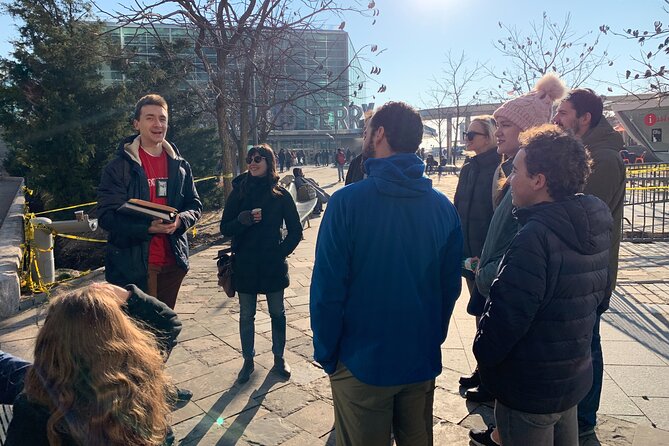
Lower Manhattan is where NYC’s transit feels most layered. You’ve got modern lines, older structures, and underground spaces that weren’t built for tourists. Without a guide, that complexity can turn into wasted time and wrong turns.
I like that this tour uses a private format built around staying oriented. The point isn’t just to walk through stations. It’s to understand what you’re seeing while you’re still there, instead of later trying to piece it together from memory.
And the added audio gear matters more than people expect. Even on a quiet street, you have traffic noise. Underground, sound bounces, crowds surge, and announcements mix together. With audio ear pieces, the guide’s voice stays clear, so you can actually follow the story without constantly asking someone to repeat themselves.
One more practical win: you get guided stops tied to recognizable areas like the Battery Park / One Battery Park Plaza start zone, and you finish near the World Trade Center and the Fulton Center. That helps if you want to roll right into the rest of your day.
You can also read our reviews of more private tours in New York City



The Real Route: Start at One Battery Park Plaza, Finish at WTC / Fulton Center
This tour is designed as a Lower Manhattan route with one key anchor: you start at One Battery Park Plaza and end at the WTC / Fulton Center area.
That start-to-finish setup is useful because it frames the whole experience. You’re not doubling back to find your way. Instead, you move through the downtown transit “ecosystem” in the direction that makes sense for understanding how different parts connect.
The tour is listed at about 2 hours, which is a good length for this kind of subject. It’s long enough to see multiple underground stops and get context, but short enough that you’re not stuck with sore feet and subway claustrophobia for half the day.
Also, the tour is offered in English and uses a mobile ticket. So you’re not worrying about printing anything or scrambling for paper.
What You’ll See Underground: Abandoned Stations and Why They Matter
The headline of this experience is the focus on the parts of the subway system that don’t operate anymore. That’s not a casual sightseeing choice. It changes how you look at the whole network.
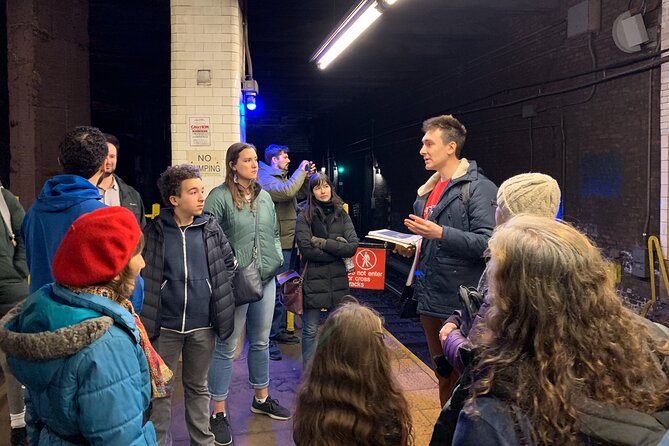
When you visit abandoned stations, you’re seeing infrastructure that was once functional, then changed or replaced. The cool part is how your brain starts connecting current stations to older layouts and decisions. You stop thinking of the subway as one uniform system. You start seeing it as decades of updates layered on top of earlier plans.
The tour highlights include many famous abandoned stations. It also specifically calls out stops tied to areas like South Ferry and City Hall. Those are exactly the kind of locations where you can feel the contrast between what the system is today and what it used to be.
In the guide stories, the best moments are hands-on and visual. One standout account describes a guide using a flashlight outside of a subway car to show the interior details of an abandoned station. That’s the kind of technique that turns vague ruins into something you can actually picture.
South Ferry and City Hall: The Downtown Stops That Get the Most Mention
South Ferry and City Hall are both classic Lower Manhattan transit symbols. They also tend to be confusing for visitors because they’re wrapped into the city’s geography and transit history in ways that don’t read clearly from street-level.
On this tour, those areas come up because they represent shifts in how the system served the city. You’re not just ticking off stations. You’re getting explanations that help you understand why certain platforms, connections, or corridors fell out of use and how the network evolved around them.
If you’re the type who likes to ask questions, this is a good match. One guide description emphasizes how freely people could ask lots of questions, with clear answers tied to what you were standing near. That matters here. Abandoned spaces invite curiosity, and you’ll enjoy it more if the guide can translate the visuals into real meaning.
Brooklyn Bridge-Era Secrets You Can Actually Walk Into
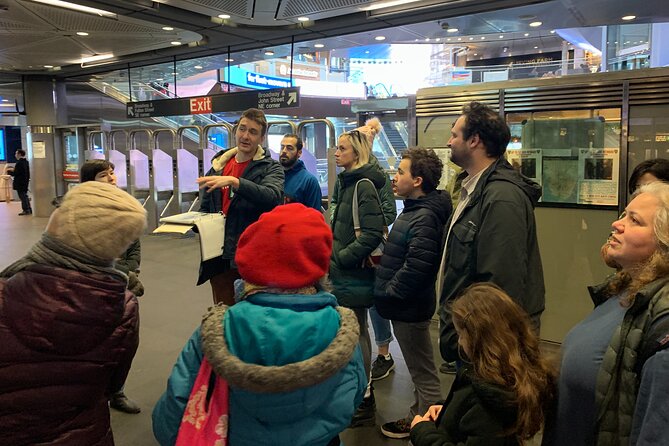
Lower Manhattan’s transit story isn’t only about stations. It’s also about geography—how bridges, neighborhoods, and transit corridors forced planners to solve the same problems in different ways.
This tour includes Brooklyn Bridge secrets, which is a clue that you’ll be shown details that connect transit routes and the downtown waterfront area to the bigger regional picture. Even if you know the bridge from above, you’ll learn how transit was shaped around the routes that people needed.
I like this angle because it prevents the tour from becoming purely underground trivia. You’re seeing how the subway fits into the larger Lower Manhattan layout, and that helps the system feel less random when you ride afterward.
If you plan to do any self-guided subway riding after this, those connections will make it easier to choose the right lines and understand what you’re looking at when you pass through transfer points.






PATH Subway Included: Why That Bonus Matters
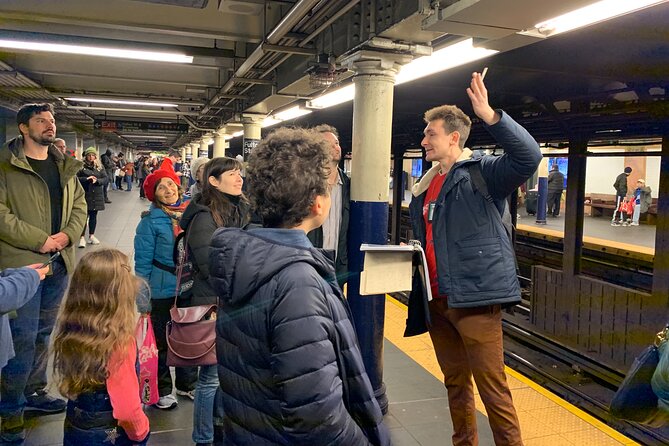
A lot of NYC subway-focused tours stay inside the MTA world. This one explicitly includes the PATH subway.
That’s more than a random add-on. It helps you understand that the Lower Manhattan transit area is shared with other systems and different jurisdictional histories. You start to see the downtown area as a transit crossroads, not a single brand name.
Even if you’re not an engineering buff, this helps your “map brain.” You’ll have a clearer sense of what kind of connections exist under and around Manhattan, and why certain corridors feel like they belong to more than one transit story.
Audio Ear Pieces: The Practical Comfort Feature That Changes Everything
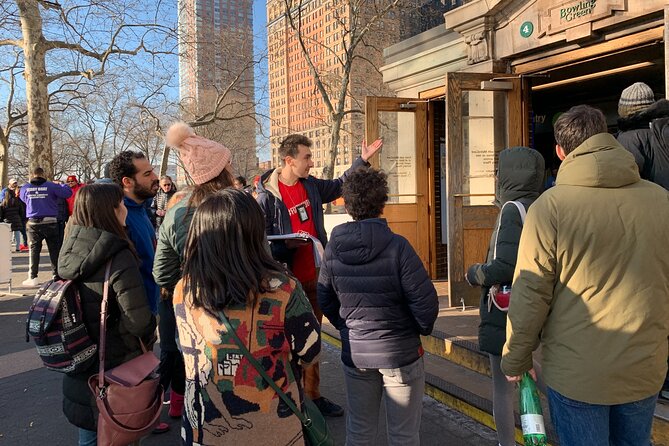
This tour provides audio ear pieces, and that’s not a gimmick. For a walking tour focused on underground structure and history, hearing the guide clearly is essential.
Here’s what you’ll feel during the tour: fewer times needing to lean in, fewer seconds spent asking your group member what was said, and less frustration when you step into a louder area.
I also think this is one of the best tools for keeping kids and first-timers engaged. If you’re touring with family, audio support helps the group stay unified. Everyone gets the same explanation at the same time.
The downside is mostly physical logistics: if you have to stop often due to stairs, crowd flow, or mobility limits, you might feel the tour more than the information. But for most people, audio ear pieces make the experience smoother.
Group Size and Private Attention: When Up to 15 Works Best
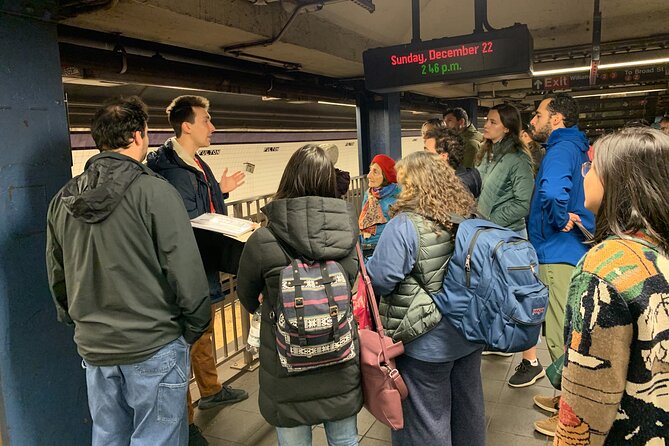
The price is $200 per group, and the group size is up to 15. That structure is a big part of the value.
For solo travelers, it can feel more expensive than a standard shared tour. For families, friends, or small groups, it can be a bargain because you’re paying one amount for everyone, and the “per-person” cost drops fast as your group size grows.
Also, private attention matters on tours like this because questions are part of the fun. When you’re underground, it’s easy to lose time to confusion. A guide can keep the group moving and also answer curiosity without derailing the whole schedule.
If you’ve visited NYC before and you already know the usual landmarks, the private format helps you go deeper into something most people skip. It’s less “look and move on.” More “pause and understand.”
Price and Value: What $200 Gets You (and What It Doesn’t)
This isn’t a budget “see a few stations” walk. You’re paying for a guide who can point out the underground details and explain how they fit into Lower Manhattan’s transit evolution.
The good news is that the tour includes an admission ticket and uses a mobile ticket, which reduces friction. The tour duration is about 2 hours, so you’re not signing up for a half-day commitment.
What you should be clear about: this is a walking tour with subway-station environments and lots of stair movement. If your group struggles with stairs, the value may drop because the experience gets more difficult to enjoy than you planned.
If you’re physically comfortable with transit spaces, the price starts to make sense quickly because you’re effectively buying two things:
- guided orientation so you don’t get lost
- story-focused explanations you can carry into the next subway ride
Getting the Most Out of the Tour: How to Prepare
You don’t need special gear, but a few things make a difference.
First: wear shoes you can tolerate on stair-heavy routes. The tour is specifically noted as not recommended if you have difficulty walking up and down steps.
Second: bring curiosity. This style of tour works best when you ask the follow-up questions that pop up when you see abandoned spaces. The guide is set up to answer lots of questions, and that’s where you’ll get the most “aha” moments.
Third: plan your day around the finish near WTC / Fulton Center. That area is a convenient anchor point for continuing your sightseeing. If you schedule something right after, you’ll benefit from having the tour end where it does instead of backtracking.
Who Should Book This Tour (and Who Might Want to Skip It)
I think this tour is a great match for:
- first-time NYC visitors who want subway context without the stress
- repeat visitors who want a different angle on Lower Manhattan
- families who like guided explanations and a clear group pace
- small groups who can split the $200 cost across up to 15 people
You might want to skip or choose another option if:
- your group has trouble with frequent stairs or uneven vertical movement
- you prefer mostly street-level sights and minimal underground time
- you’re not comfortable with crowded transit environments
Should You Book Hidden Subway Secrets Below Manhattan?
If you’re curious about what’s under your feet, this tour is worth serious consideration. The main reason is simple: it’s built to reduce the two biggest frustrations with NYC transit tours—getting lost and missing explanations.
I’d book it if you want abandoned stations, clear stories, and a guide who can make the complex parts feel understandable. I’d especially book it if you’re traveling with a group where the $200 per group setup actually beats doing everything separately.
But if stairs are a deal-breaker for anyone in your party, be honest about that upfront. The tour is short, yet it’s still physically demanding in a way that street tours often aren’t.
If you want a Lower Manhattan experience that moves past the obvious and into the subway’s forgotten corners, this is the kind of tour that leaves you looking at the system differently the next day.
FAQ
What’s the duration of the tour?
The tour runs for about 2 hours.
How much does it cost?
It costs $200 per group, up to 15 people.
Where does the tour start and end?
It starts at One Battery Park Plaza, 1 Battery Pl, New York, NY 10004, and ends at the World Trade Center / Fulton Center area in Lower Manhattan.
Does the tour include an admission ticket?
Yes, admission is included.
Is the tour available in English?
Yes, it’s offered in English.
Do you need a printed ticket?
No. A mobile ticket is used.
Are audio ear pieces included?
Yes, audio ear pieces are provided so you don’t miss what the guide says.
Is this a private tour?
Yes. Only your group participates.
Is it good for people who have trouble with stairs?
It’s not recommended if you have difficulty walking up and down steps.
What’s the cancellation window?
You can cancel for a full refund up to 24 hours in advance.