REVIEW · BROOKLYN
DUMBO Brooklyn Food and Culture Tour
Book on Viator →Operated by ExperienceFirst · Bookable on Viator
DUMBO tastes better with a storyteller leading. I like how this tour mixes classic food stops with big Brooklyn moments you can actually stand on, like the Underground Railroad era and the 1776 Washington decision. The L&B Spumoni Gardens slice and Luke’s Lobster lobster roll make the walking feel worth it. One catch: food costs extra since it’s not built into the ticket price.
What really makes it click for me is the guide energy. In the past tours, guides like Claire have brought both humor and detail, so the history lands as street-level story, not museum info. You’ll also get planned breaks at viewpoints, not just straight-through eating.
The route moves at an easy walking pace over about 2 hours, with a group capped at around 15 people. You’ll start in DUMBO near 101 Clark St and finish at the Manhattan Bridge viewpoint on Washington Street. Expect cobblestones and city sidewalks, and plan to choose what you want to eat rather than feeling forced into every stop.
In This Review
- Key highlights I’d plan around
- Why this DUMBO walk feels different than a typical food tour
- Price and value: what $42 really buys you
- Meeting point and route rhythm (start at Clark St, end by the Manhattan Bridge)
- Plymouth Church: Underground Railroad connections you can stand on
- Fruit Street Sitting Area: the 1776 Washington decision plus huge views
- L&B Spumoni Gardens: a Sicilian slice that earns its reputation
- Fulton Ferry Landing: where the Brooklyn Bridge story gets personal
- Luke’s Lobster in Brooklyn Bridge Park: Maine lobster, NYC pace
- St. Ann’s Warehouse: performance culture in a repurposed space
- Empire Stores and Time Out Market: modern DUMBO’s retail center
- Main Street: the industrial heart and the start of consumer habits
- Jacques Torres Chocolate: Mr. Chocolate sweet payoff
- DUMBO Manhattan Bridge View: the best photos on Washington Street
- Who this tour is best for (and who might skip it)
- Should you book the DUMBO food and culture tour?
- FAQ
- How long is the DUMBO food and culture tour?
- What does the tour cost?
- Is food included in the $42 ticket price?
- Where does the tour start?
- Where does the tour end?
- What time does the tour start?
- How large is the group?
- Are service animals allowed?
- What is the cancellation policy?
Key highlights I’d plan around
- Food plus story at every stop, not just a string of restaurants
- Underground Railroad connection at Plymouth Church, tied to Henry Ward Beecher
- 1776 Washington moment paired with harbor-and-city views at Fruit Street
- Brooklyn Bridge build storytelling from the Fulton Ferry Landing waterfront
- Two big-ticket tastes: Luke’s Lobster and Jacques Torres chocolate
Why this DUMBO walk feels different than a typical food tour
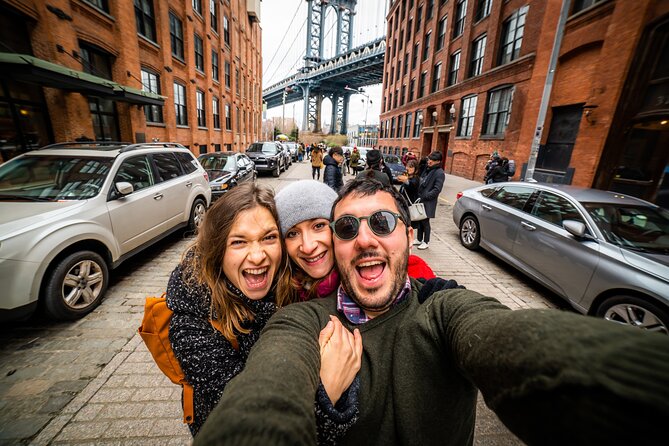
This isn’t only about eating. You’re in one of Brooklyn’s most photo-ready neighborhoods, but the tour uses that real geography to tell how DUMBO went from military-era decisions to abolitionist networks to industrial manufacturing, and then to modern retail and performance spaces.
I like that the food choices feel local and specific, not random “tourist bites.” You’ll have solid anchors like L&B Spumoni Gardens and Luke’s Lobster, plus a chocolate stop built for people who want the sweet payoff without hunting.
The other win is pacing. You’re not sprinting between places. It’s a short walk with short stops, so you can actually look up at the skyline, take photos, and keep your appetite under control.
You can also read our reviews of more walking tours in Brooklyn


Price and value: what $42 really buys you
The ticket is $42 per person for about 2 hours. That buys you a guided walking experience with restaurant visits at named stops and the stories that connect them.
Food is the one variable. You choose whether to buy, and the tour doesn’t pressure you to get everything. The tour info suggests that if you go for the recommended item at all three main food stops, the total is about $30. So many people end up around roughly the cost of the ticket plus a snack-to-meal budget, depending on what they order.
If you love history, viewpoints, and street-level context as much as you love food, the $42 feels fair. If you’re mainly trying to eat cheap, you might prefer a self-guided DUMBO snack route and pay less. This tour is for the “walk and learn” crowd.
Meeting point and route rhythm (start at Clark St, end by the Manhattan Bridge)
You meet at 101 Clark St, Brooklyn, NY 11201, with a start time of 11:00 am. The tour ends at the DUMBO Manhattan Bridge View on Washington Street.
The timing works because you’ll hit a mix of church-and-history stops, waterfront viewpoints, and then the food and chocolate pieces. By the time you reach the final viewpoint, the route has set you up to appreciate the bridges and the skyline as part of the story, not just a backdrop.
Bring comfy shoes. DUMBO’s walkways include cobblestones in places, and you’ll want your feet happy for a full 2 hours.
Plymouth Church: Underground Railroad connections you can stand on
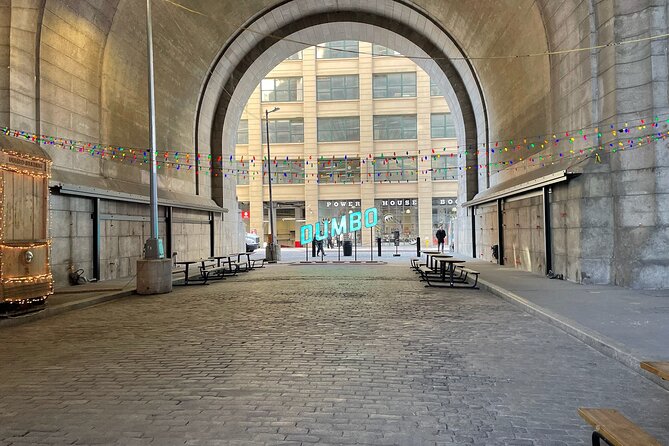
Your first major stop is Plymouth Church, known for its role as a place tied to freedom seekers on the Underground Railroad. This is also the home church of abolitionist preacher Henry Ward Beecher, and the guide links that connection to the moral urgency of the time.
This stop matters because it gives the tour a real anchor. You’re not just hearing abstract abolitionist talk. You’re standing at a place tied to people trying to escape slavery, in a city where DUMBO’s waterfront and routes shaped movement.
If you care about social history, this is the moment that turns the tour from “food and photos” into “Brooklyn story.” It’s also the kind of stop where a guide’s voice helps you visualize the stakes.
Fruit Street Sitting Area: the 1776 Washington decision plus huge views
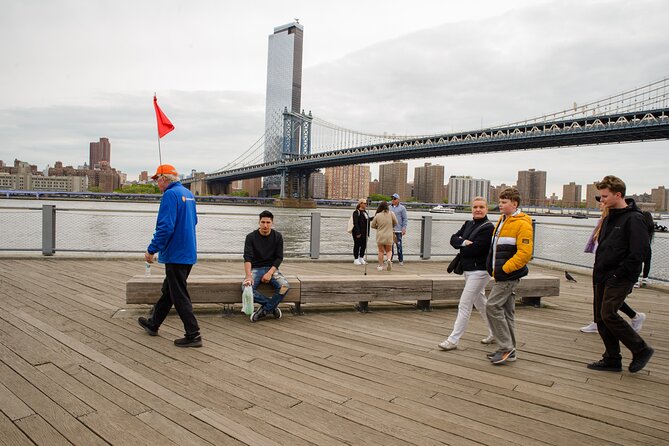
Next you’ll get a viewpoint at Fruit Street Sitting Area, with sights over New York Harbor and Lower Manhattan. But the view is paired with a dramatic 1776 story: standing where General Washington made a difficult decision to save his troops when outnumbered two to one.
This is a smart pairing of history and atmosphere. The waterfront location helps the story make sense in your head, because you can look out and feel how exposed and strategically important these positions were.
Practical note: it’s a sitting area plus photos. If your group likes to pause for pictures, this is one of those stops where you’ll have time to do that without falling behind.
You can also read our reviews of more food & drink experiences in Brooklyn




L&B Spumoni Gardens: a Sicilian slice that earns its reputation
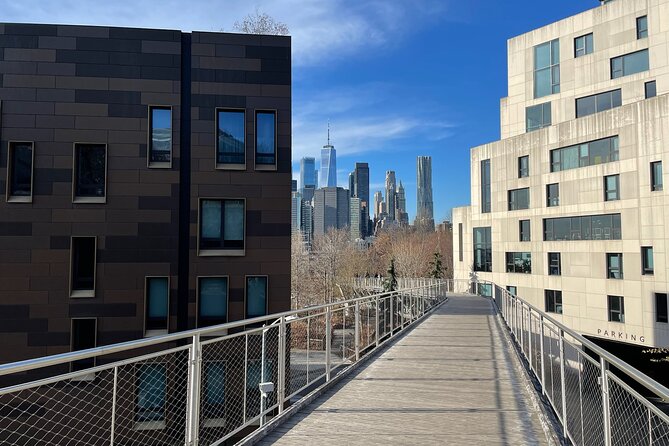
Then you reach L&B Spumoni Gardens, a family-owned spot founded in 1938. This is where you can follow the guide’s recommendation and try a slice of Sicilian pizza.
The value here is that it’s a specific food choice with a clear reason: it’s not just pizza, it’s the neighborhood’s kind of pizza. The tour keeps it simple—grab a slice, take a breath, and get back into the walking rhythm.
One consideration: you’ll likely be focused on eating and standing near others. If you’re the type who wants the most serene dining setup, this is still a casual stop. Think quick, tasty, and part of the experience, not a sit-down meal.
Fulton Ferry Landing: where the Brooklyn Bridge story gets personal
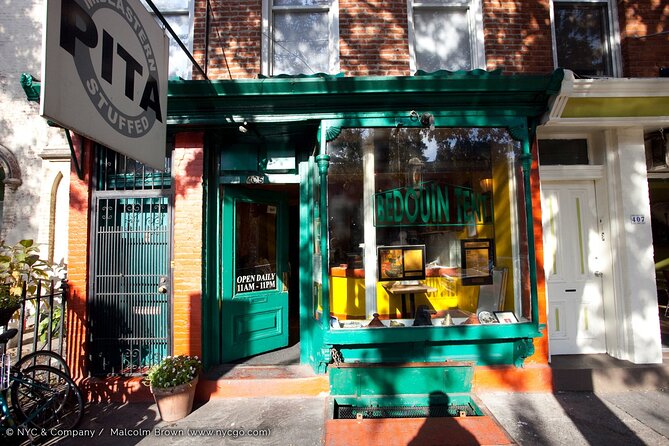
At Fulton Ferry Landing, the atmosphere turns more waterfront-and-bridge oriented. You’ll hear the story of how the Brooklyn Bridge was built, told from the kind of place where the bridge’s purpose would have mattered immediately.
This stop works because it gives you a way to look at the skyline with context. When you later see bridge views from DUMBO, it’s not just “nice architecture.” It’s infrastructure tied to people, labor, and the desire to connect areas that used to feel separated.
If you like engineering stories, you’ll get extra value here. Even if you don’t, you’ll leave with a clearer mental picture of why DUMBO sits where it does.
Luke’s Lobster in Brooklyn Bridge Park: Maine lobster, NYC pace
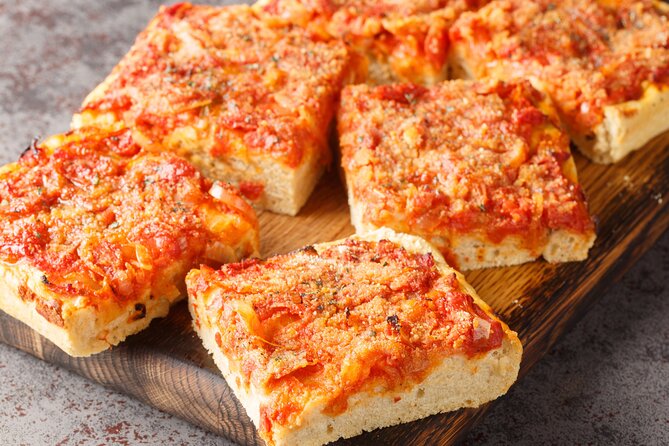
At Luke’s Lobster (Brooklyn Bridge Park), you’re in the zone for a classic NYC order: a lobster roll. The tour highlights that the lobster is sourced from independent Maine fishermen.
I like this stop because it’s a recognizable brand, but the story is practical. You’re tasting something tied to supply and freshness, not only to hype.
One caution: lobster rolls aren’t the cheapest thing you can eat. Since food is optional, treat this stop as your “splurge bite” if you want the full experience. If budget is tight, you can skip it and still enjoy the rest of the walk.
St. Ann’s Warehouse: performance culture in a repurposed space
You’ll also stop at St. Ann’s Warehouse, a performing arts center that has hosted performers from all over the world. This is a quick stop, but it helps explain DUMBO’s modern identity: old industrial spaces turned into creative venues.
This matters because DUMBO’s look today comes from reinvention. The food does its job, but the culture stop gives you a better feel for why the neighborhood attracts artists, events, and design-minded crowds.
If you’re not a theater person, don’t worry. The guide’s job here is to connect the building’s use to DUMBO’s change over time, not to push you into show tickets.
Empire Stores and Time Out Market: modern DUMBO’s retail center
Next is Empire Stores, the centerpiece of contemporary DUMBO. This is where you’ll find the first Time Out Market in America, described here as a cultural institution in its own right.
This stop is useful even if you don’t plan to buy much. It’s a snapshot of how DUMBO became a destination for food halls, shopping, and casual wandering. The tour nudges you to see it as part of the neighborhood evolution, not just a place to pick up snacks.
Consider that Time Out Market is a big draw. It can feel busy, so keep your focus on the guide’s story and don’t get swept up in browsing so long that you lose the tour flow.
Main Street: the industrial heart and the start of consumer habits
On Main Street, you’ll tour DUMBO’s historic industrial area. The guide connects it to the idea that this neighborhood was the birthplace of modern consumerism, tying the old manufacturing backbone to how people buy and gather today.
This is the stop that helps you make sense of everything else on the walk. You see the warehouses, the retail energy, and the pedestrian-friendly layout—and you understand why that transformation happened.
If you like walking through places where commerce, labor, and architecture overlap, you’ll enjoy this part. It’s also a good pause before you hit chocolate, because it keeps your attention on the neighborhood rather than just the next bite.
Jacques Torres Chocolate: Mr. Chocolate sweet payoff
Then comes Jacques Torres Chocolate, tied to French chocolatier Jacques Torres, known as Mr. Chocolate. Here you can find bars, cookies, truffles, and hot chocolate.
This is the kind of stop that turns a food tour into a memory. People often remember a single sweet moment more than a dozen bites, and this shop is designed for that.
Since you choose whether to buy at recommended stops, decide what kind of sweetness you want: something quick like a cookie, or a more classic chocolate treat. If you tend to snack lightly, you might grab one item and save the rest for later.
DUMBO Manhattan Bridge View: the best photos on Washington Street
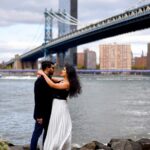
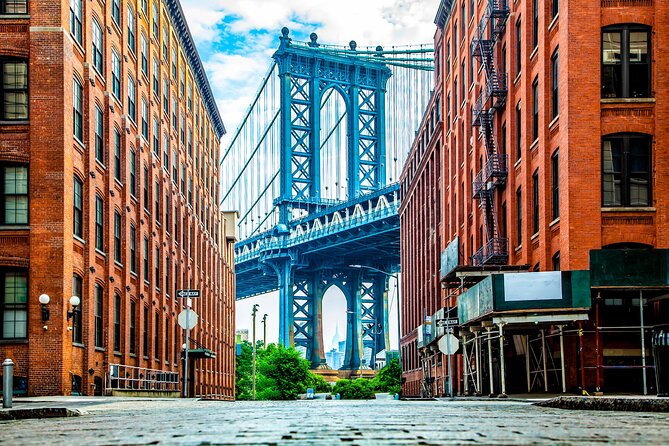
Your tour ends at the DUMBO Manhattan Bridge View on Washington Street. This is one of the neighborhood’s famous photo spots, with a view showing the Manhattan Bridge and even the Empire State Building in the scene.
This final stop is smart. By the time you reach it, you’ve already heard stories about Washington, the bridges, and the waterfront. So when you look out, you can read the city with your new context.
It’s also convenient for planning next steps. Since the tour ends here, it’s easy to keep exploring nearby areas on foot or connect back to transit without doubling back.
Who this tour is best for (and who might skip it)
This tour is a great fit if you:
- Want a short walk with both food stops and neighborhood storytelling
- Like DUMBO’s bridges, waterfront views, and history connected to specific places
- Appreciate guides who keep the tone fun while covering real topics
Skip it or choose a different format if you mostly want the cheapest food possible. Because food isn’t included, you’ll spend more if you eat at every suggested stop.
If you’re traveling with someone who loves pictures and someone who loves history, this balance usually works well. The sightseeing stops prevent the tour from feeling like a pure eating run, and the food keeps the history from becoming too heavy.
Should you book the DUMBO food and culture tour?
I’d book it if your ideal DUMBO day looks like this: a focused 2-hour walk, a few high-quality bites, and real neighborhood context you can feel in the streets. The price is reasonable for what you get—a guided experience plus iconic food visits—and the option to buy only what you want keeps it flexible.
I’d pause before booking if you’re strict about food costs or you hate walking. This is still a walking tour, and cobblestones plus city sidewalks mean you’ll be on your feet for most of the experience.
If your schedule hits the 11:00 am start time and you’re open to spending a bit more for the food highlights, this is one of the easier ways to see DUMBO with meaning.
FAQ
How long is the DUMBO food and culture tour?
It runs for about 2 hours.
What does the tour cost?
The price is $42.00 per person.
Is food included in the $42 ticket price?
No. The tour ticket covers the guided experience and restaurant stops, but you choose whether to purchase food. If you get the suggested item at all three main food stops, the total cost is around $30.
Where does the tour start?
The meeting point is 101 Clark St, Brooklyn, NY 11201, USA.
Where does the tour end?
The tour ends at the DUMBO Manhattan Bridge View on Washington Street (39-21 Washington St, Brooklyn, NY 11201, USA).
What time does the tour start?
The start time is 11:00 am.
How large is the group?
The tour has a maximum of 15 travelers.
Are service animals allowed?
Yes, service animals are allowed.
What is the cancellation policy?
You can cancel for a full refund if you cancel at least 24 hours before the experience starts. If you cancel less than 24 hours before, the amount you paid will not be refunded.