REVIEW · NEW YORK CITY
NYC Horse and Carriage Central Park Tours
Book on Viator →Operated by NYC Central Park Pedicab Tours · Bookable on Viator
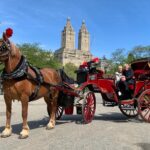
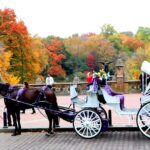
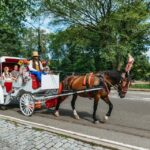
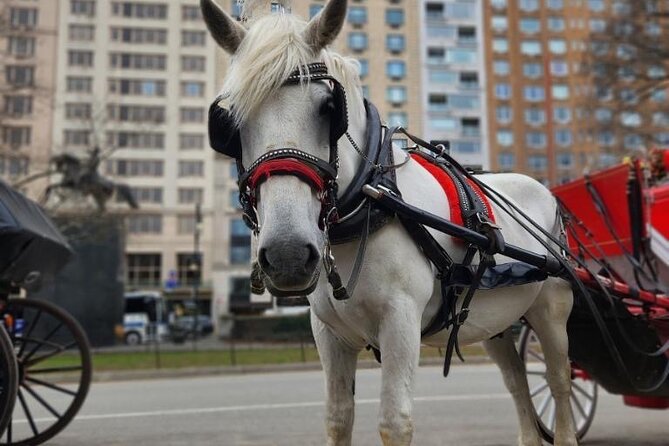
Central Park changes fast when you slow down. A private horse and carriage ride gives you scenic photos and driver commentary without the stop-start hassle of walking. Pick the time of day that fits your schedule, and you get a calmer way to see some of the park’s most famous landmarks.
I love how you can actually enjoy the views instead of constantly checking streets and crowds. I also like that the drive offers quick context on what you’re seeing, from fountain sculptures to famous story sites like Strawberry Fields. The main drawback to plan for is pacing: stops for photos can be brief, and on busy days the ride may feel like it’s moving you along.
In This Review
- Key things I’d watch for before you book
- Why this Central Park carriage ride beats the walking shuffle
- Where you meet: Ritz-Carlton Central Park and an easy starting point
- What the 40–45 minutes really feels like on the ground
- Stop-by-stop: the Central Park highlights you’ll see from the carriage
- Bethesda Fountain: sculpture, basins, and a classic photo view
- Cherry Hill Fountain: a decorative centerpiece with birds and globes
- The view toward Bethesda Terrace: romantic lake views without the hike
- Daniel Webster monument: bronze posture and West Drive presence
- Strawberry Fields: Imagine mosaic and the five-acre memorial mood
- Tavern on the Green and the old Sheepfold building
- Sheep Meadow: the park’s retreat feel, right in the middle of the city
- Pinebank Arch: the cast-iron bridge you can’t miss
- Macy’s parade route area: the pulse of a famous tradition
- The extras: carousel, ice skating, games, dogsled lore, and boating stops
- Central Park Carousel: classic since 1871
- Wollman Rink: ice skating season for fall and winter
- Chess & Checkers House: built in 1952, 24 shaded game tables
- Children’s District and the Dairy: a park made for kids early on
- The straight formal promenade with American elms
- Balto: the 1925 Alaska vaccine story
- Rumsey Playfield, the former Casino, and Model Boat Pond
- Loeb Boathouse: rowboats on the lake
- Photo and timing tips that keep the ride fun
- Who should book this carriage tour in Central Park
- Should you book this Central Park horse and carriage tour?
- FAQ
- How long is the NYC Horse and Carriage Central Park tour?
- Where does the tour start and end?
- Is this a private tour?
- Do I need a printed ticket?
- Does the tour include commentary from the driver?
- Is the experience suitable for most people?
- Are service animals allowed?
- What happens if the weather is poor?
- Can I get a refund if I cancel?
Key things I’d watch for before you book
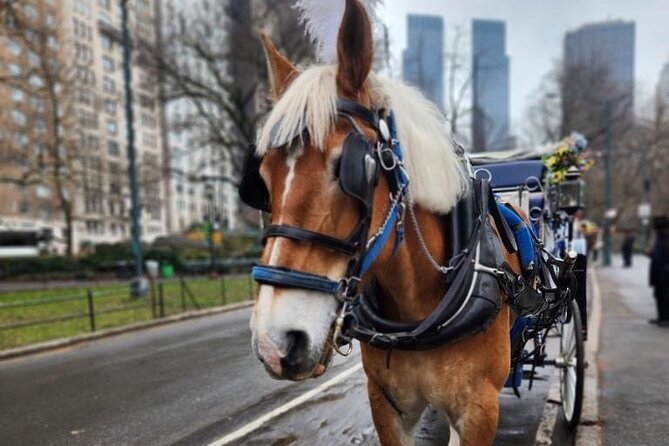
- Private carriage for your group means you can move at the pace that works for you
- Driver commentary turns common landmarks into something you can picture and place
- Scheduled photo moments (with some sites getting a few minutes) are a big part of the value
- Good weather matters since the experience runs in the open air
- Busy-season timing can feel rushed at the end of the ride, so plan your next step carefully
Why this Central Park carriage ride beats the walking shuffle
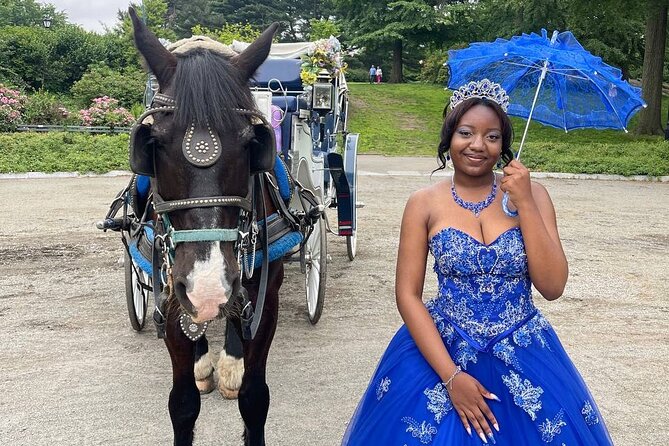
This is one of the simplest ways to “do” Central Park without wearing out your feet or fighting a crowd. A carriage moves smoothly through the park, which changes how you experience the big sights. Instead of constantly scanning for directions, you can look up, look around, and actually take in the architecture, statues, and paths.
The private part matters more than you’d think. When it’s just your group, there’s less pressure to keep up, and the driver can focus on your ride rather than a herd of people. You also get to choose the time of day, which helps if you want softer light for photos or you’re trying to dodge peak foot traffic.
The other win is that you’re not stuck listening to a long lecture. The commentary tends to be practical and tied to what you’re passing. You’ll hear about Central Park sights as you see them, so the facts land fast and you remember them.
One note: this isn’t built like a slow, sightseeing bus with frequent long stops. The ride is about 40 to 45 minutes, so the “value” is concentrated—great if you want highlights, less ideal if you want lots of wandering.
You can also read our reviews of more tours and experiences in New York City
Where you meet: Ritz-Carlton Central Park and an easy starting point
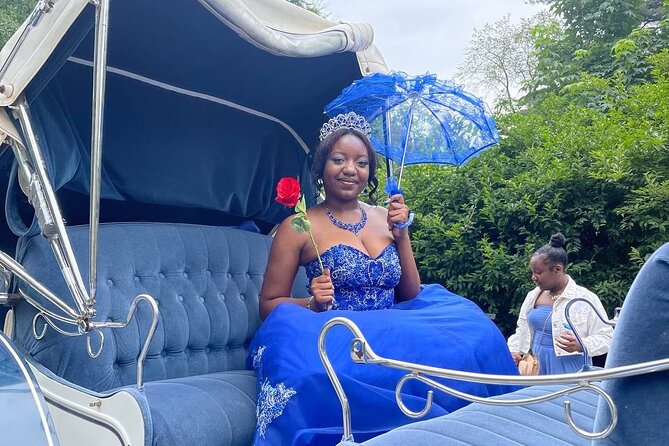
You start and end at the Ritz-Carlton New York, Central Park at 50 Central Park S. That’s a convenient anchor point if you’re using public transportation. It’s also helpful because it reduces the stress of figuring out a random park entrance with slippery signage and changing routes.
Bring your mobile ticket. Confirmation is sent at booking time, so have it ready on your phone when you arrive. Since service animals are allowed, you won’t need to hunt for special arrangements if you travel with one.
I’d give myself a little extra time for the first meeting moment. Even though the ride is straightforward, the carriage world can run on a tight rhythm—especially when multiple groups are lining up.
What the 40–45 minutes really feels like on the ground
Think of the carriage ride as two things at once: a moving photo platform and a guided tour that stays light on logistics. You’ll sit comfortably while the driver navigates the route through the park. Then you’ll get quick stops or slow passes by major points, with commentary threaded through the ride.
The pace is the key. On a good day, it feels relaxed and scenic. On a busy day, you may notice more urgency toward the end. One ride described being offered photos at the end but feeling rushed to dismount so the next carriage could start. That’s not a deal-breaker, but it’s a reason to schedule your next activity with buffer time.
If you care about photos, come prepared. Have your phone charged, and decide early whether you want wider park views or tighter landmark shots. The carriage setup is great for skyline-and-tree line framing, but the timing of each stop is still short.
Drivers in this kind of service can make a big difference. In particular, guide names like LEO, Peter, and Pharvis have come up for being friendly, informative, and good at capturing landmark photos during the ride.
Stop-by-stop: the Central Park highlights you’ll see from the carriage
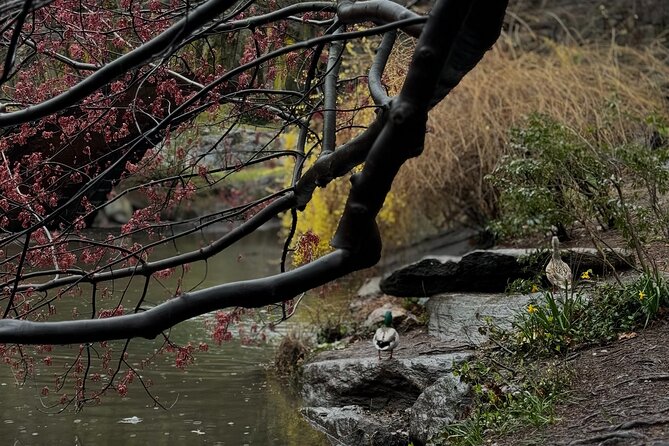
Central Park is huge. The genius of this kind of carriage route is that it picks recognizable sights and pairs them with quick context so you know what you’re looking at.
Here’s the set of stops and sights you should expect as part of the ride.
Bethesda Fountain: sculpture, basins, and a classic photo view
You’ll reach Bethesda Fountain, one of the park’s most iconic moments. The ride route calls out the Angel of the Waters sculpture at the top, with water spilling down into basins and a large circular pool below. Even if you’ve only seen pictures, being near it in person makes the scale click.
The stop is brief—about 5 minutes in the tour description—but it’s enough time to grab a signature shot and take in the details. Since the site is listed as ticket-free for admission, you’re not paying extra to enjoy the main view from the park.


Cherry Hill Fountain: a decorative centerpiece with birds and globes
Next up is Cherry Hill, where the Cherry Hill Fountain sits near the top of the carriage concourse. This one is visually specific: stone base, a finial with small saucers for birds, and a light fixture with eight globes. Water drips from the saucer setup down to a granite-and-tile base before it spills into a bluestone basin.
Again, it’s short (about 5 minutes). Use that time for a close framing photo, especially if you want water movement shots or a still view with the fountain centered.
The view toward Bethesda Terrace: romantic lake views without the hike
You’ll also pass a prominent spot designed as part of an entrance connection toward the Bethesda Terrace area. This stop is described as giving expansive views of the lake and surrounding park scenery, and it’s also noted as one of the most photographed features and a common proposal site.
This is the kind of stop that’s more about the perspective than about reading a plaque. If you want that “I’m really in Central Park” feeling, this is where it hits.
Daniel Webster monument: bronze posture and West Drive presence
Along the West Drive near 72nd Street, you’ll see the monument to American lawyer and statesman Daniel Webster (1782–1852). The bronze figure is described as gazing outward as if about to speak, with his right hand tucked into his coat and stacks of books at his feet.
This is a quieter stop, but it’s a good one if you like statues and details. From a carriage, you can catch the composition without having to navigate through foot traffic.
Strawberry Fields: Imagine mosaic and the five-acre memorial mood
One of the most memorable parts of the route is Strawberry Fields, a memorial to John Lennon. The ride description highlights the five-acre landscape near the West 72nd Street entrance and specifically calls out the Imagine mosaic, where people often come to pay tribute.
The stop is short (about 3 minutes in the tour description), so don’t plan on a long linger. Instead, treat it like a respectful photo and moment. Even if you know the song, the setting lands differently in person.
Tavern on the Green and the old Sheepfold building
You’ll also pass Tavern on the Green, the restaurant in a historic building once known as the Sheepfold. The point here isn’t that you’re eating on the carriage. It’s that you’re seeing the continuity of how Central Park buildings evolved into modern use while keeping the feel of older park architecture.
If you’re a foodie, it’s a nice “see it first, decide later” moment. If you’re not, just enjoy the setting as a recognizable slice of Central Park culture.
Sheep Meadow: the park’s retreat feel, right in the middle of the city
Another major stop is Sheep Meadow, described as an essential expression of the park’s purpose as a retreat from city life. From a carriage, you get the broad sense of space quickly—the kind of view that makes you understand why people come here to reset.
This can be a good photo moment if the sky is clear. If it’s overcast, you’ll still get the shape and the scale.
Pinebank Arch: the cast-iron bridge you can’t miss
In the south end area, you’ll pass Pinebank Arch, described as an elegant cast-iron bridge spanning the bridle path. The railings and arch form give you a strong subject for pictures even when you’re just passing through.
This stop is more about the visual geometry than about explanation. If you like dramatic frames—roads leading into trees—Pinebank Arch is built for that.
Macy’s parade route area: the pulse of a famous tradition
The ride description also points out the shopping area connected with where Macy’s parade goes through each year. From the carriage, you’ll get the sense that Central Park sits right inside the city’s rhythm, not off to the side of it.
If you’re visiting around parade season (or just want that “New York moment”), this bit adds extra flavor beyond the park-only experience.
The extras: carousel, ice skating, games, dogsled lore, and boating stops
Not every Central Park highlight is about monuments. This route also includes attractions and stories that show how the park works day-to-day.
Central Park Carousel: classic since 1871
You’ll see the Central Park Carousel area. The description notes that about 250,000 people ride it each year, and that the original attraction opened in 1871. It’s a reminder that this park has always served as entertainment, not just scenery.
Wollman Rink: ice skating season for fall and winter
Wollman Rink is another highlighted stop, opened in 1949. The description emphasizes ice skating in fall and winter and mentions gliding across ice under a star-covered sky with the Manhattan skyline around you.
If your trip overlaps those seasons, this stop is especially fun because the setting ties directly to what people do there. If you’re traveling in warmer months, you’ll still recognize it as part of the park’s year-round identity.
Chess & Checkers House: built in 1952, 24 shaded game tables
You’ll pass Chess & Checkers House, built in 1952 as a space for visitors of all ages to play games. The structure is octagonal brick, and there are 24 game tables shaded by a wooden trellis around it.
From a carriage, you’ll mostly register the vibe: play built into the park, not just wandering.
Children’s District and the Dairy: a park made for kids early on
The route includes the Children’s District, specifically the area called the Dairy. The description notes that it was conceived to meet needs of children visiting the park, and that playgrounds as we know them didn’t exist until the early 20th century. The Children’s District, completed in 1872, was the only part specifically dedicated to the youngest visitors.
This is one of those details that changes how you think about Central Park’s planning. It’s not only adult grandeur. There were kid-centered ideas from the start.
The straight formal promenade with American elms
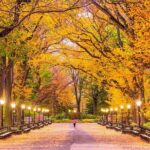
You’ll also see a wide, straight path lined with two rows of American elms. The description attributes it to Frederick Law Olmsted and Calvert Vaux and describes it as designed as a formal promenade and gathering space.
Even if you don’t know the designers’ names, this part tells you something important: Central Park isn’t random. It’s designed with rules, sightlines, and intentional movement through space.
Balto: the 1925 Alaska vaccine story
You’ll stop near or pass Balto, the famous dog known for a heroic journey across Alaska. The ride description gives the diphtheria story: in January 1925, vaccines couldn’t be transported by plane, so relay teams ran nearly 700 miles in blizzard conditions, taking about five days and seven hours through extreme cold.
This is a story stop. It’s emotionally different from the fountains and bridges, and it makes the park feel bigger than itself—part of national memory.
Rumsey Playfield, the former Casino, and Model Boat Pond
The route includes Rumsey Playfield, noting it has changed many times. The description says the site originally featured a restaurant created by co-designer Calvert Vaux known as the Casino (no gambling—just the name meaning little house).
You’ll also get to Model Boat Pond, where children and hobbyists launch and race miniature sailboats and yachts. The boats are stored and rented at the nearby Kerbs Boathouse, which also houses a cafe.
Even if you don’t watch a race, knowing it’s a functional little boating world helps you picture Central Park as a place with active hobbies, not only photo stops.
Loeb Boathouse: rowboats on the lake
Finally, you’ll see Loeb Boathouse on the eastern edge of the lake. The description says it’s best known as a launch point for rowboats, making it a great way (when conditions allow) to explore one of the park’s key views from water level.
From the carriage, it’s a quick but useful signpost. It tells you there’s more to do if you want to build a full Central Park day after the ride.
Photo and timing tips that keep the ride fun
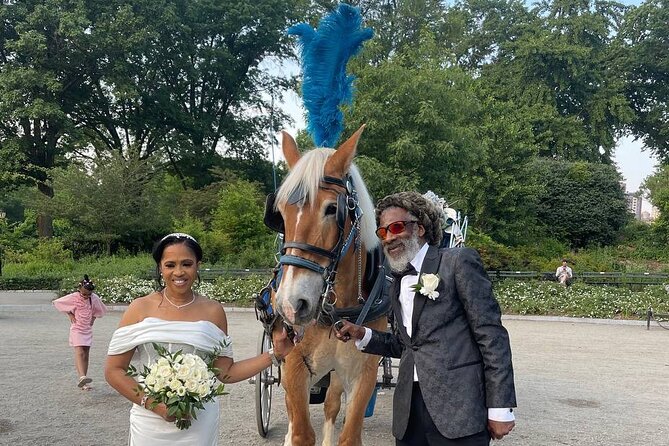
The biggest question is always: will you get the photos you want? This route is built for scenic framing. But your results depend on timing and your expectations.
Here’s what I’d do to avoid disappointment:
- Pick your photo priority before you sit down. Decide whether you want a fountain shot, a statue shot, or a skyline-in-frame shot. The carriage gives you great angles, but you won’t have infinite time at each spot.
- Treat Strawberry Fields and the fountains as quick-hit stops. The route notes minutes at these sites, so plan for a fast compose, click, and move.
- Schedule a buffer after the ride. One ride experience mentioned feeling rushed at the end on a busy day. That doesn’t mean it will happen every time, but it’s smart to plan like it might.
- Ask for landmark photos during brief pauses. The ride description centers photos from the private carriage and the driver commentary, and guide performances mentioned names like LEO and Peter as being good at getting people positioned for landmark shots.
Who should book this carriage tour in Central Park
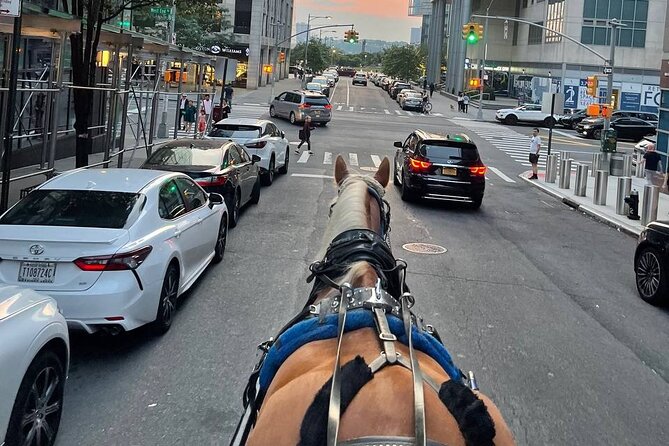
This is a strong fit if you:
- want a quick, guided highlight reel of Central Park in under an hour
- prefer a calmer pace than a walking tour in crowded areas
- care about photo angles from a seated vantage point
- want to choose the time of day to match your energy and lighting
It may be less ideal if you:
- want long stops at each landmark with time to explore on foot
- need lots of bathroom breaks, since the pacing isn’t built around repeated stops
- prefer a very independent, self-guided walking experience
Also, because it’s private and your group rides together, it can be a nice choice for families who don’t want everyone trekking across the park, or for couples who want a romantic, photo-friendly way to see major sights without planning every turn.
Should you book this Central Park horse and carriage tour?
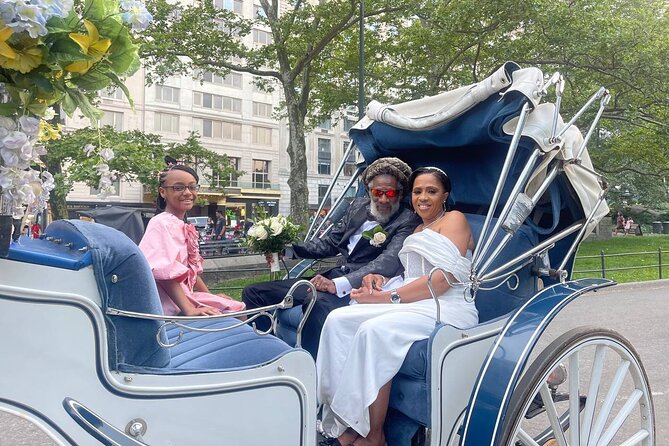
I’d book it if your goal is highlights with guidance, not a deep, hours-long hike. For 40 to 45 minutes, it hits a lot of Central Park’s most recognizable names—Bethesda Fountain, Strawberry Fields, Sheep Meadow, Pinebank Arch—and it adds practical context so the sites feel less like random stops.
It’s also a good value in the sense that you’re buying time and comfort. You don’t have to decide which entrance to use first or how to stitch together far-apart sights. The route does that for you, and the carriage setup turns the ride into part of the experience.
If you’re going on a busy holiday afternoon, go in expecting shorter photo moments and a faster ending. Plan your next step with slack, and you’ll enjoy the ride more.
FAQ
How long is the NYC Horse and Carriage Central Park tour?
The ride is approximately 40 to 45 minutes.
Where does the tour start and end?
It starts at the Ritz-Carlton New York, Central Park (50 Central Park S) and ends back at the same meeting point.
Is this a private tour?
Yes. Only your group participates.
Do I need a printed ticket?
No. The tour uses a mobile ticket.
Does the tour include commentary from the driver?
Yes. The driver provides commentary about Central Park’s sights while you ride.
Is the experience suitable for most people?
The tour lists most travelers as able to participate.
Are service animals allowed?
Yes, service animals are allowed.
What happens if the weather is poor?
This experience requires good weather. If it is canceled due to poor weather, you’ll be offered a different date or a full refund.
Can I get a refund if I cancel?
You can cancel for a full refund up to 24 hours in advance. If you cancel less than 24 hours before the start time, the amount you paid is not refunded.