REVIEW · BROOKLYN
Brooklyn: 2-Hour Best of Brooklyn Walking Tour -Williamsburg
Book on GetYourGuide →Operated by Brooklyn Unplugged Tours · Bookable on GetYourGuide
Two hours later, Williamsburg makes sense. This guided walk through Williamsburg mixes street-level art with real neighborhood history, plus a satisfying look toward the Manhattan skyline from the waterfront. You’ll come away with a clearer sense of why this place feels both creative and contested at the same time.
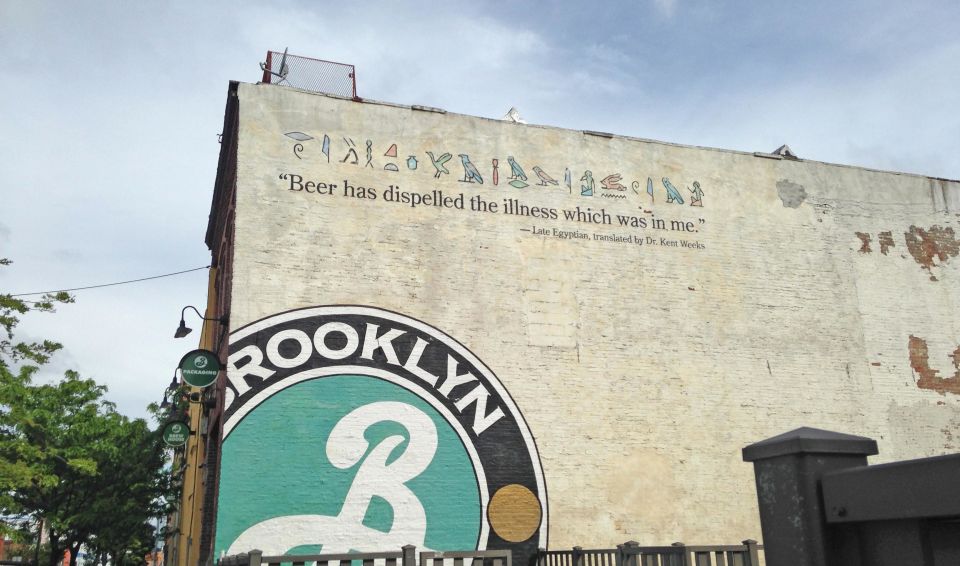
I especially like the way the guide frames Brooklyn’s past, including its manufacturing and beer-brewing roots, without turning the walk into a lecture. I also love the chance to spot the area’s street art up close, then connect it to the neighborhood’s changing identity—past to present.
One drawback to consider: it’s a 2-hour stroll with limited chances to sit and reset, so comfy shoes and a realistic pace matter.
In This Review
- Key highlights at a glance
- Two Hours in Williamsburg: Start at Black Star Bakery & Cafe
- What You’re Really Buying for $32: A Guided Orientation
- The Williamsburg Story You’ll Hear: Immigration, Manufacturing, Beer Brewing
- Street Art and Underground Graffiti: How to Look (Without Missing It)
- Converted Warehouses, Cobblestones, and Creative Architecture on Foot
- Gentrification: Getting the Honest Version While You Walk
- The Waterfront Payoff: Views of the Manhattan Skyline
- Tour Logistics That Actually Matter: Pace, Weather, and Breaks
- Who This Tour Fits Best (and Who Might Want Something Else)
- About the Guides and the Quality of the Commentary
- Should You Book This Williamsburg Walking Tour?
- FAQ
- FAQ
- How long is the Brooklyn: Best of Brooklyn Walking Tour – Williamsburg?
- Where do I meet the guide?
- What does the tour include?
- Is food or drinks included?
- Does the tour cover the Jewish district?
- What should I wear since it runs in bad weather?
Key highlights at a glance
- Black Star Bakery meetup makes it easy to start and regroup before the walk
- Street art and underground graffiti add texture while you learn the neighborhood’s story
- Manufacturing and beer brewing show Brooklyn as an industrial powerhouse, not just trendy shops
- Gentrification discussion stays honest about what improves and what gets lost
- Waterfront and skyline views give you a payoff beyond the sidewalks
Two Hours in Williamsburg: Start at Black Star Bakery & Cafe
Most Williamsburg tours start with a vibe check. This one starts with something practical: meet your guide in front of Black Star Bakery & Cafe, a white storefront between North 7th Street and North 8th Street. It’s an easy landmark, and it helps you feel organized before the walk even begins.
From there, you’re walking through Williamsburg at a neighborhood pace—time enough to see a lot, not so long that you feel trapped in one spot. The tour is designed to be an overview, so it’s less about memorizing dates and more about building a working mental map of the area.
And yes, the walk runs rain or shine. That means your best friend is footwear you can trust on uneven sidewalks.
You can also read our reviews of more walking tours in Brooklyn



What You’re Really Buying for $32: A Guided Orientation
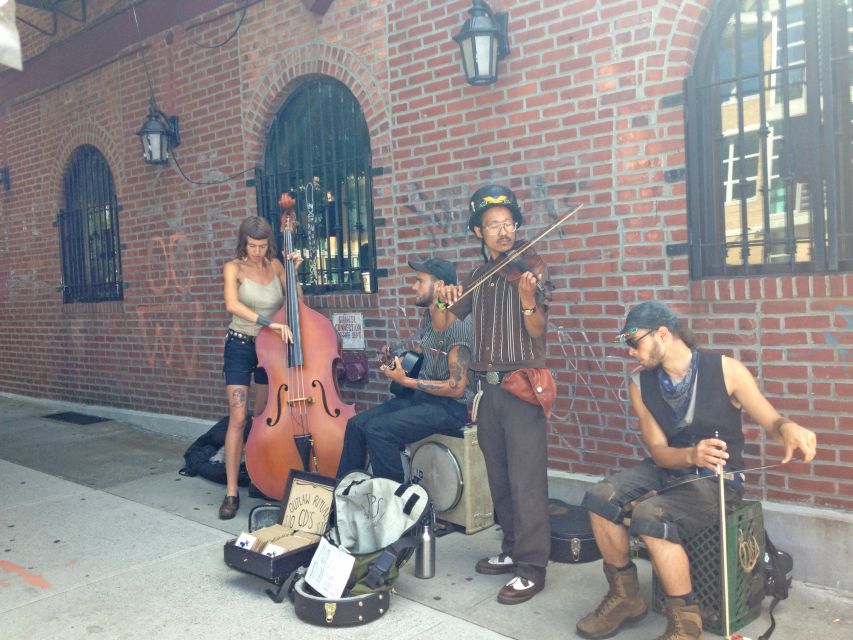
At $32 per person for about two hours, this is priced like a value-focused orientation tour. You’re not paying for a bus ride or an all-day deep course; you’re paying for a licensed guide to point out what matters and interpret what you’re seeing in real time.
For me, the value is in how quickly the guide turns scattered impressions into something coherent: where Williamsburg’s industrial-era energy went, how immigration and working-class culture shaped the streets, and why the modern street art and boutique blocks feel like the next chapter.
If you’re short on time, this format works. You get a structured walk, plus local context you can use right after the tour while you keep exploring on your own.
The Williamsburg Story You’ll Hear: Immigration, Manufacturing, Beer Brewing
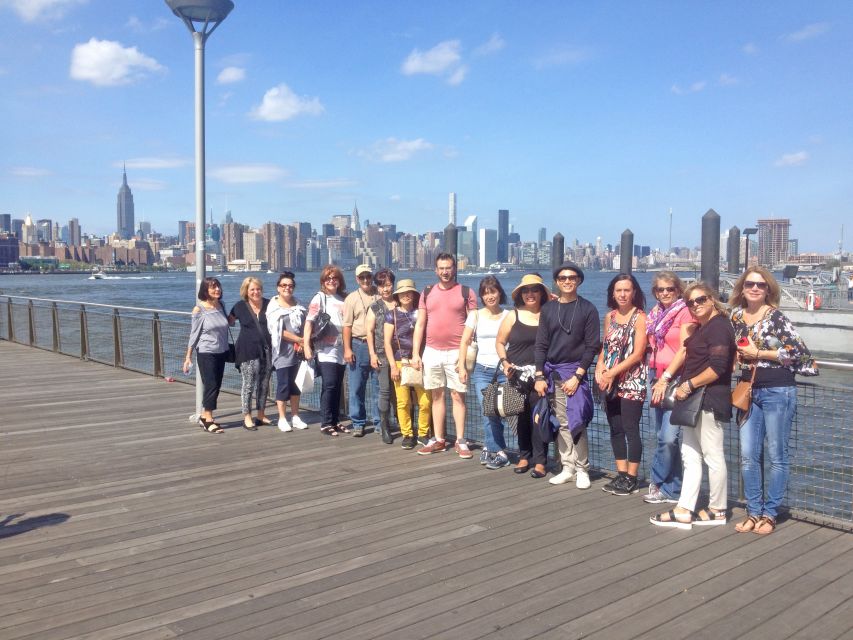
Williamsburg doesn’t fit neatly into one theme, and that’s exactly why a guided overview helps. The tour connects the neighborhood’s historic role as a capital of immigration, manufacturing, and beer brewing to what you see now.
That matters because Williamsburg can look like it’s always been trendy—converted lofts, shops, galleries, and design-forward buildings. The guide’s perspective shifts that assumption. You start noticing how industrial zones and working waterfront energy set the groundwork for later waves of residents, artists, and businesses.
You’ll also hear about how the neighborhood’s culture and identity have been shaped over time, including recent controversy around gentrification. This is one of those topics where walking with a local guide beats reading a screen at home, because the streets themselves give the argument its shape.
Street Art and Underground Graffiti: How to Look (Without Missing It)
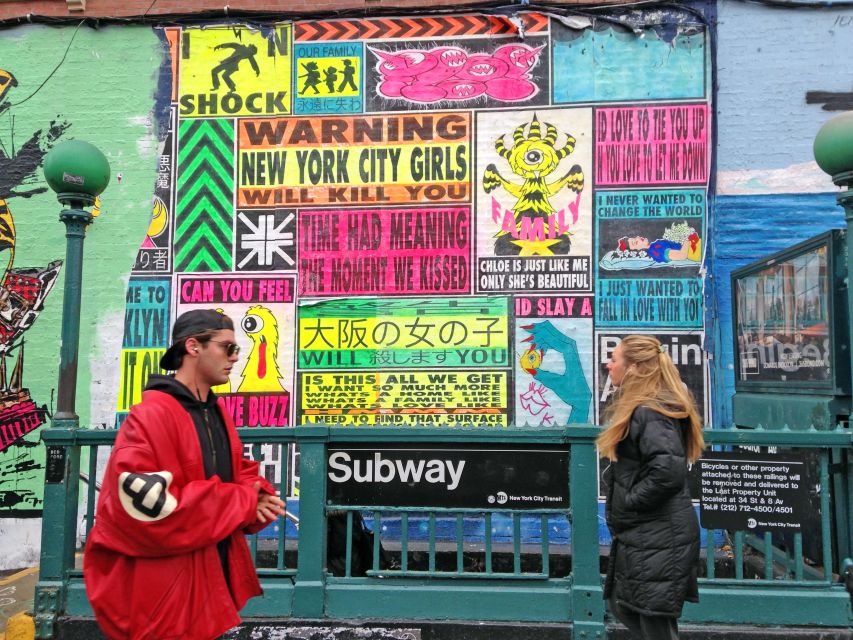
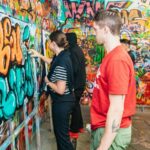
One of the best parts of a Williamsburg walk is that the art is right there, not “in a museum.” This tour leans into that reality. You’ll see both underground graffiti and more visible street art, and the guide helps you read what you’re seeing.
What I like about this approach is that street art becomes more than decoration. You start paying attention to placement—where artists choose to work, how tags and murals relate to the surrounding buildings, and how the neighborhood’s changing audience shows up in the art.
You’ll also get a sense of how creativity and commerce coexist here. Boutique shops and restored warehouses sit near walls that still feel like they belong to street culture. That contrast is part of what makes Williamsburg feel like it’s constantly negotiating its own identity.
Converted Warehouses, Cobblestones, and Creative Architecture on Foot
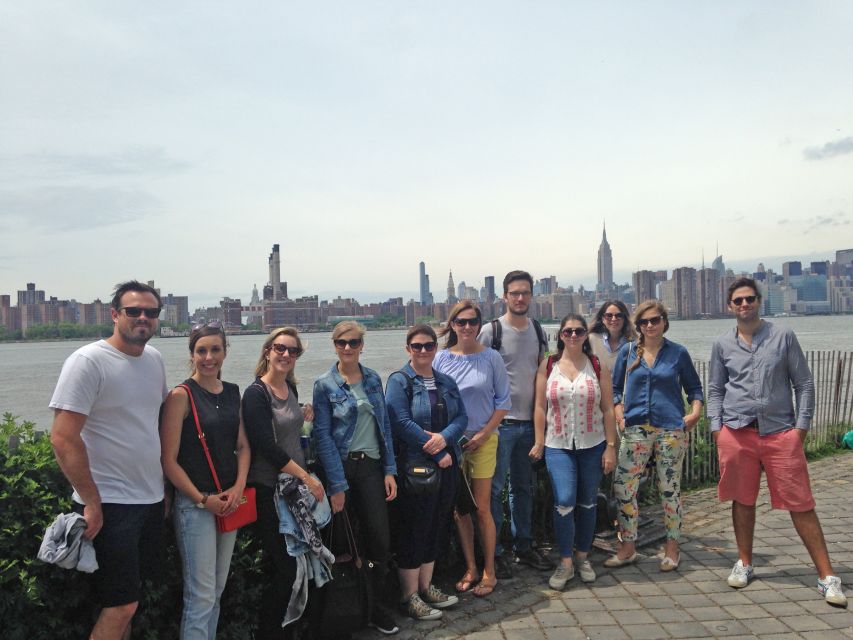
The tour’s route puts you on streets with personality—cobbled sections, restored lofts, and converted warehouses. These aren’t just photo stops. They’re clues to the neighborhood’s evolution.
When you walk past older industrial structures and then look around at what’s in them now, you get a clearer picture of reuse: how the built environment can preserve a neighborhood’s bones while changing who uses it. It’s also where you can feel the design shift—from industrial function to creative and commercial function.
This part is also where practical reality kicks in. Cobblestones and older streets can be a little harder on ankles, and you’ll want shoes that handle both grip and comfort.
You can also read our reviews of more tours and experiences in Brooklyn




Gentrification: Getting the Honest Version While You Walk
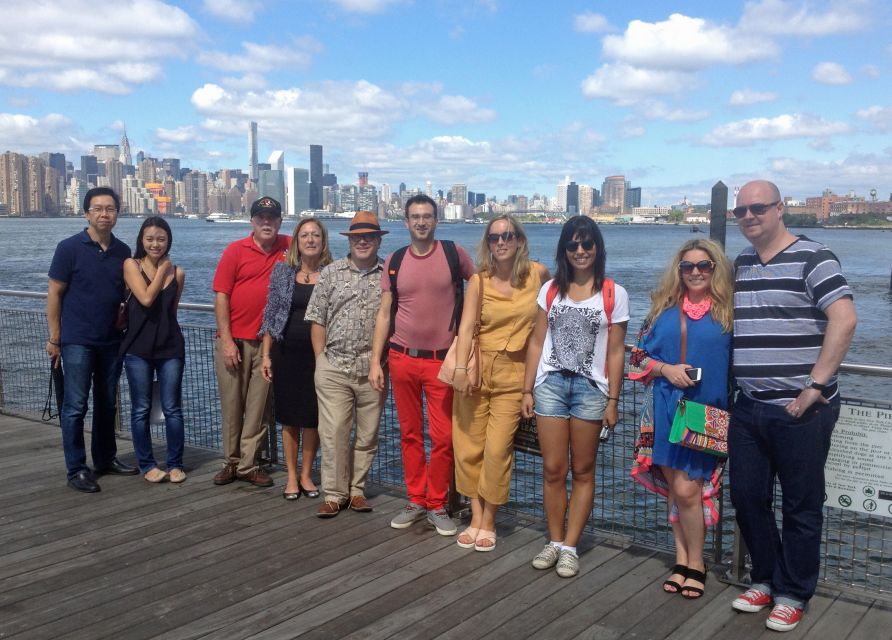
The tour doesn’t treat gentrification like a one-note villain story. You’ll hear about it as a real process with controversial impacts—how improvement and investment can raise the profile of a neighborhood while also pushing out parts of what made it culturally specific.
What makes the conversation useful is the timing. You’re hearing about this while standing in the middle of the neighborhood’s transformation. The architecture, storefront mix, and the way people use the blocks all help you judge the claims for yourself.
That’s also why the tour stays an overview. It’s not a legal case or a full sociology seminar. It’s a guided “you are here” map that gives you language to understand what you’re witnessing next.
The Waterfront Payoff: Views of the Manhattan Skyline
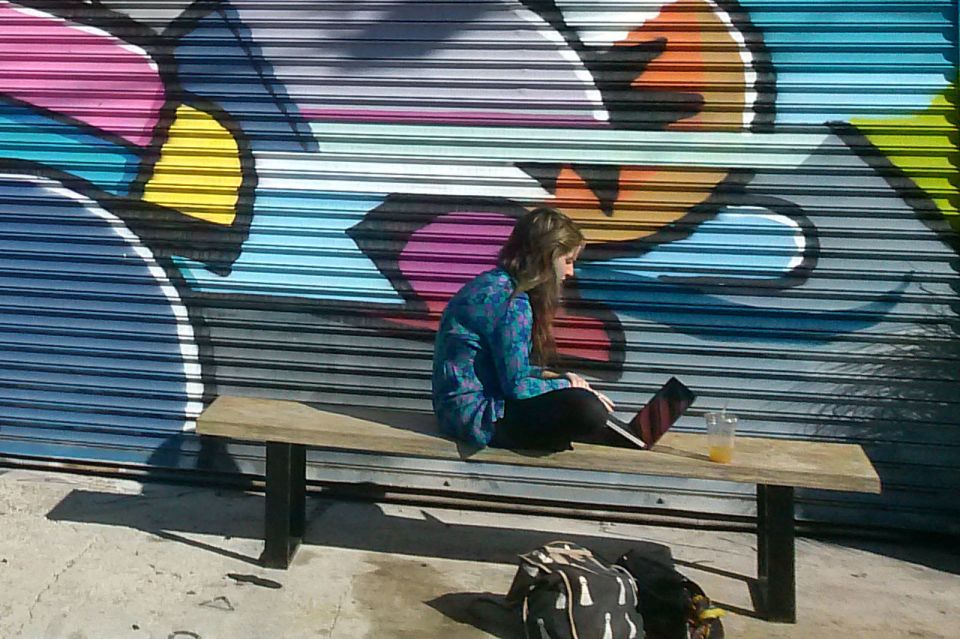
Every neighborhood has a signature moment. In this case, it’s the waterfront view and the Manhattan skyline. Even if you’re not a “views” person, this is a nice reset point during a walking tour because it changes scale.
Standing at the waterline, you get a sense of how Williamsburg connects to the rest of New York. The skyline in front of you also makes the neighborhood feel less like a bubble and more like part of a larger city system.
It’s a smart inclusion because it breaks the tour into two modes: street-level detail first, then a wider-angle appreciation at the end of the learning arc.
Tour Logistics That Actually Matter: Pace, Weather, and Breaks
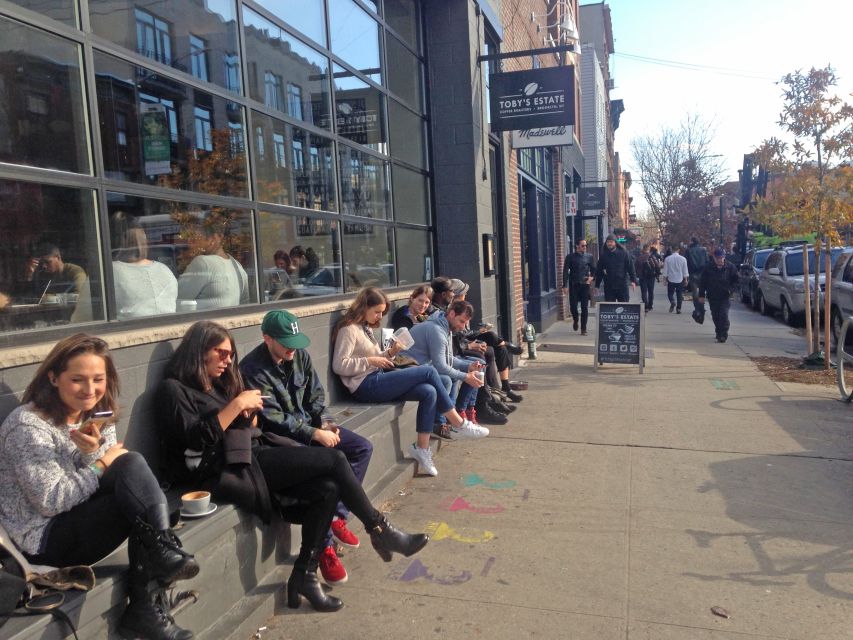
This walk is built for staying active. Expect a steady pace over two hours, and plan around the fact that seating opportunities may be limited. That’s not a reason to skip the tour—it’s a reason to come prepared.
If you’re the type who likes to stop for long photos, you might want to manage expectations. You’ll see a lot, but you’ll also keep moving. On cold, grey days, the streets can feel emptier, which can make photos easier but also makes it less lively.
The good news is that guides can adapt when weather gets unpleasant, and the tour still continues in rain. Still, bring layers and water where appropriate for your day.
Who This Tour Fits Best (and Who Might Want Something Else)
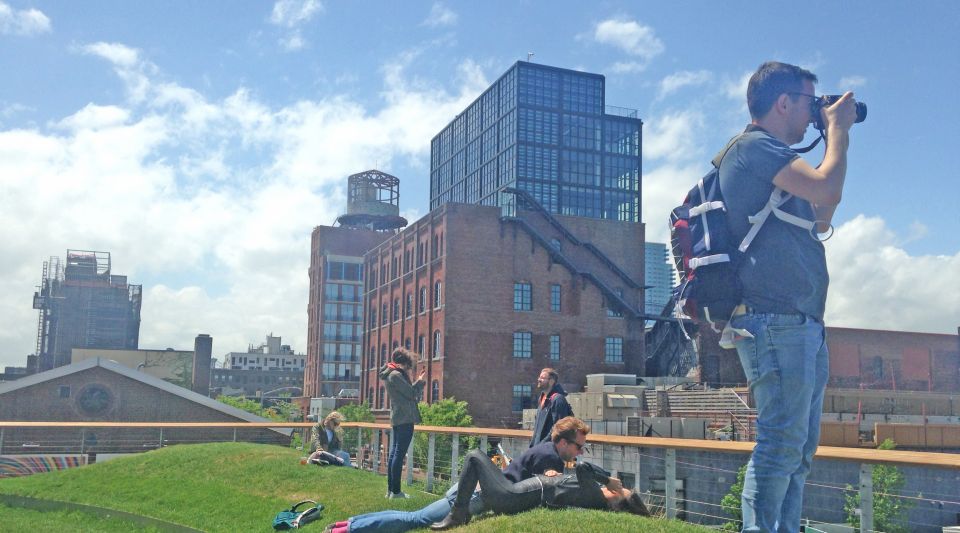
This is a strong fit if you’re:
- New to Brooklyn and want a fast, structured orientation to Williamsburg
- Interested in street art and want context instead of just sightseeing
- Curious about how industrial and immigrant-era Brooklyn feeds into today’s culture
It may be less ideal if you want:
- A deeply detailed history lecture. This one is intentionally an overview, with less focus on granular background.
- A focus on the Jewish district. That area is not included on this tour, so if that’s your priority, you’ll need a different plan.
If you like having a guide who can tailor the walk to your interests, that’s also a plus. Past guides have shown flexibility, and names like Jeff and John come up as examples of guides who connect well with the group and share plenty of detail.
About the Guides and the Quality of the Commentary
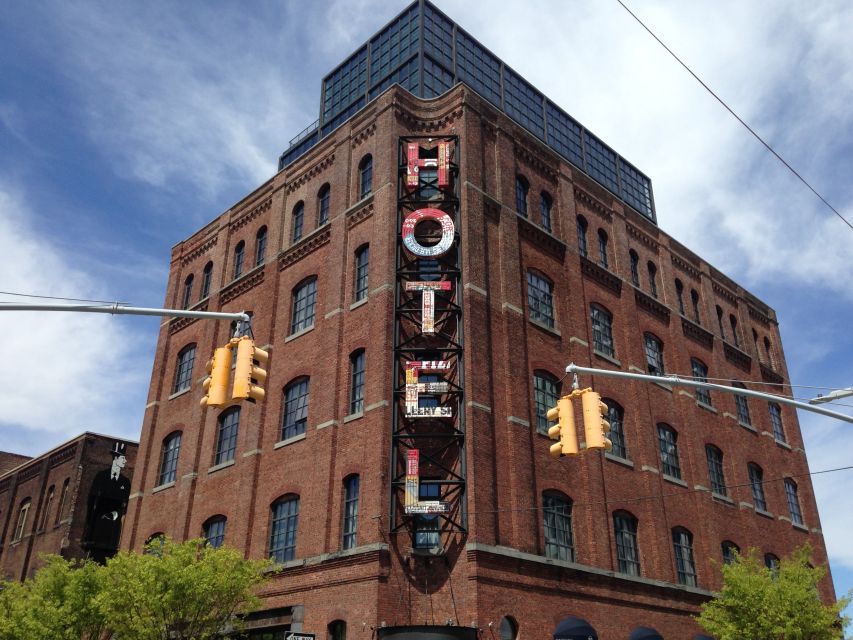
You’re not just walking. You’re listening to a licensed guide who translates what you see into neighborhood meaning. That’s the core value here.
I like that the tour isn’t scripted into boredom. You can pick up different strands—history, architecture, street art, and current issues—and the guide keeps it connected. It also helps when the guide explains not only what things are, but why they matter.
People also mention that the guide can work with the group’s interests. That’s useful because Williamsburg can pull you in different directions depending on what you’re into—food, design, music, art, or history.
Should You Book This Williamsburg Walking Tour?
If you want a two-hour introduction to Williamsburg that mixes street art, real neighborhood context, and a waterfront skyline payoff, this is a solid choice. The price feels reasonable for a guided walk with a licensed guide, especially if you’ll keep exploring afterward with better instincts for what you’re looking at.
If you’re chasing deep, highly detailed history or you want a specific district that isn’t on this route, you’ll be happier choosing a different tour focus. For everyone else, this one is a practical starting point: get your bearings fast, learn the big forces that shaped Williamsburg, then spend the rest of your day wandering with purpose.
FAQ
FAQ
How long is the Brooklyn: Best of Brooklyn Walking Tour – Williamsburg?
It lasts about 2 hours.
Where do I meet the guide?
Meet your guide in front of Black Star Bakery & Cafe, a white storefront between North 7th Street and North 8th Street. The tour ends back at the same meeting point.
What does the tour include?
You get a guided walk with a licensed tour guide.
Is food or drinks included?
No. Food or beverages are not included.
Does the tour cover the Jewish district?
No, this tour does not include the Jewish district.
What should I wear since it runs in bad weather?
It operates rain or shine, so wear comfortable clothing and shoes appropriate for the weather.