REVIEW · NEW YORK CITY
East Village NYC Pizza Walking Tour
Book on GetYourGuide →Operated by Scott's Pizza Tours · Bookable on GetYourGuide
Three slices, three ovens, one neighborhood lesson. I like how this East Village pizza walk turns your appetite into a guided tasting. You sample at three different pizzerias, and you also get a Pocket Pizza Journal so you can keep track of what you like. It’s the kind of tour where talking to the people behind the pies actually changes how you order pizza afterward.
One heads-up: it’s a walking tour, so comfy shoes and weather-proof layers matter. You’ll be on your feet for the full stretch, rain or shine.
In This Review
- Key Points That Make This Pizza Tour Worth Your Time
- Why the East Village Is a Pizza Classroom
- Gnocco Pizzeria Start: Where the Tour Gets Its Momentum
- How You Taste Pizza’s Evolution in Three Stops
- Stop One: Neapolitan Roots and Street-Food Thinking
- Stop Two: Lower East Side Technique in Action
- Stop Three: The American Staple Finish
- Pizza Makers, Owners, and the Stuff You Can Use Later
- The Oven Lesson: Why Baking Patterns Change Everything
- The Walk Itself: Pace, Weather, and What to Wear
- Price and Value: Is $65 a Fair Deal for Three Pizzas?
- Who This Tour Fits Best (and Who Might Skip It)
- A Few Smart Tips Before You Go
- Should You Book This East Village Pizza Walking Tour?
- FAQ
- Where is the meeting point for the tour?
- What is the nearest subway stop?
- How long is the tour?
- How much does the tour cost?
- How many pizzerias do you visit?
- Are beverages included?
- Is the tour offered in English?
- Does the tour run in bad weather?
- What should I wear or bring?
- Can I cancel or change plans?
Key Points That Make This Pizza Tour Worth Your Time
- Lower East Side story built into the walk: immigrant-era context, crowded streets, and why this area became a food powerhouse
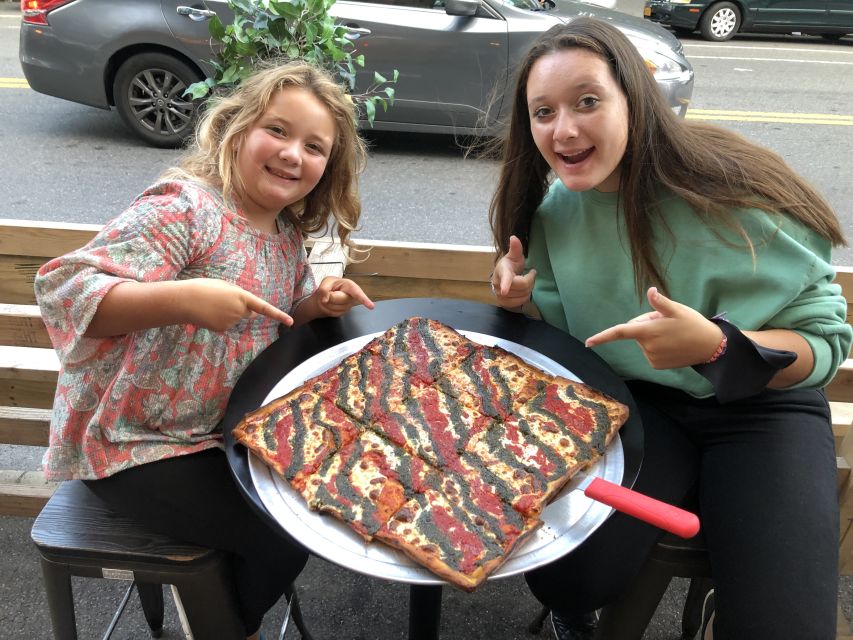
- Three pizza samples at three pizzerias: each stop focuses on a different approach to the pie
- Meet owners and pizzaioli: you get direct insight from the people making the pizza
- Oven-to-oven comparisons: you watch how baking patterns affect crust and texture
- Pizza stages you can taste: from humble Neapolitan street food to a celebrated American staple
- Pocket Pizza Journal included: a simple way to remember what you just experienced
Why the East Village Is a Pizza Classroom
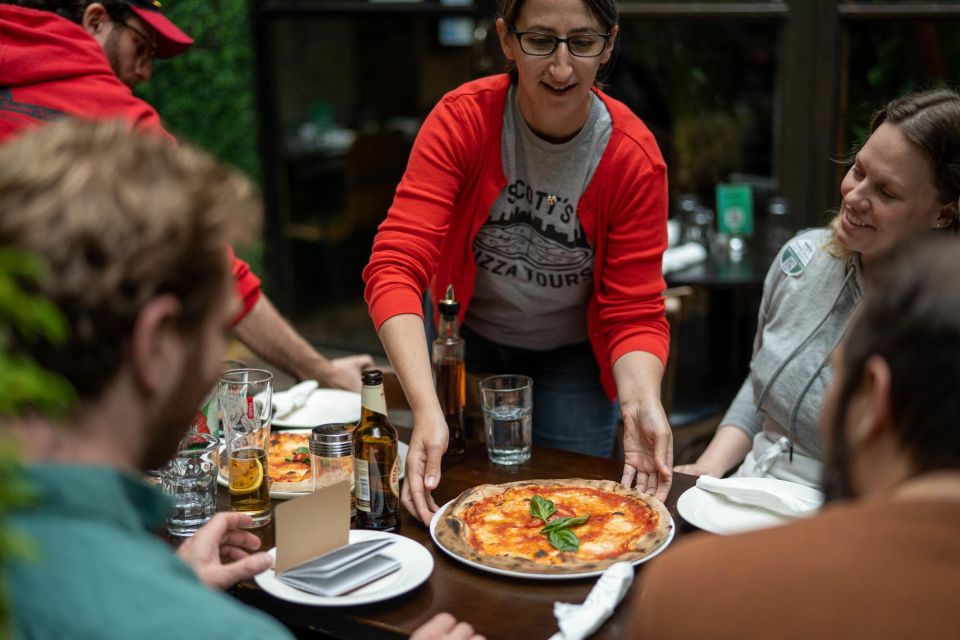
The East Village and nearby Alphabet City have long been a place where people eat fast and well. This tour uses that reality on purpose. Instead of treating pizza as one thing, you learn it as a process that changes with technique, oven style, and culture.
What I like most is that you’re not just chasing flavor. You’re also getting the human backdrop. The Lower East Side once held German, Polish, Ukrainian, and Italian communities—working-class families packed into cramped apartments with one big goal: get out as soon as possible. That pressure shaped the neighborhood, including how people lived, worked, and ate.
Then you fast-forward to the modern version: the East Village is hot, trendy, and very pizza-dense. The streets still feel like a working neighborhood, just with different outfits. On this walk, the guide connects those dots for you as you move stop to stop.
And yes, you’ll taste. But you’ll taste with context, which makes every bite more useful.
You can also read our reviews of more walking tours in New York City



Gnocco Pizzeria Start: Where the Tour Gets Its Momentum
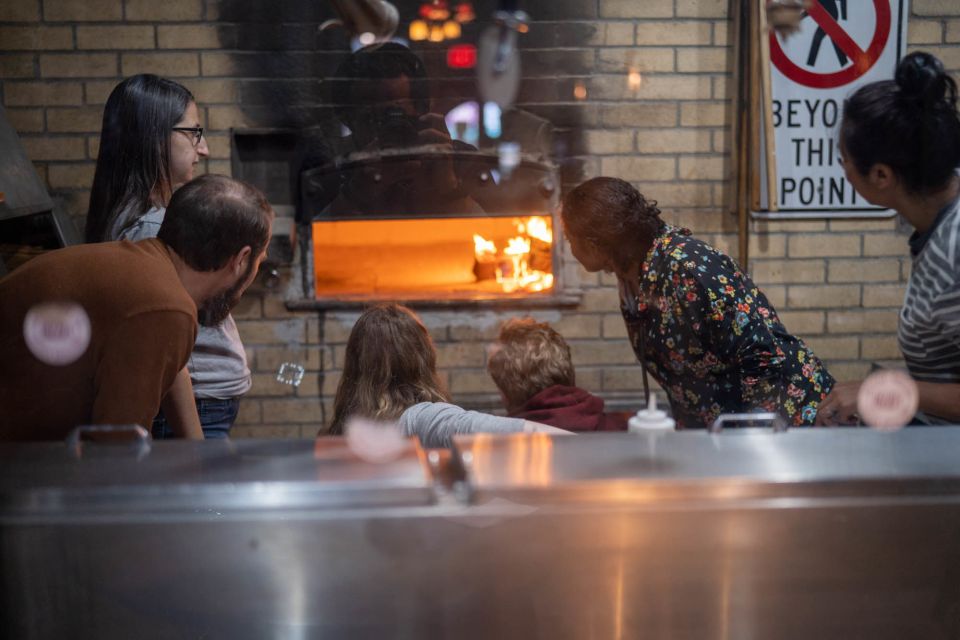
The meeting point is Gnocco Pizzeria, 337 E. 10th St. It’s just a couple blocks from the 1st Ave stop on the L subway line, so it’s pretty straightforward to reach.
Starting here matters because it sets a baseline. You’re in the middle of the East Village’s pizza rhythm right away, not in some distant meeting spot that forces you to hunt for the real action. If you arrive early, you can go inside and grab a drink from the bar, though beverages aren’t included with the tour.
From the start, the guide’s job is to make you notice details you’d normally miss when you’re hungry. Expect prompts like what the crust is doing, how the pie was baked, and how the dough feels when you talk about it rather than just chew it. This is also where the tour tone clicks in—serious pizza pro energy, but delivered like a friendly street lesson.
How You Taste Pizza’s Evolution in Three Stops
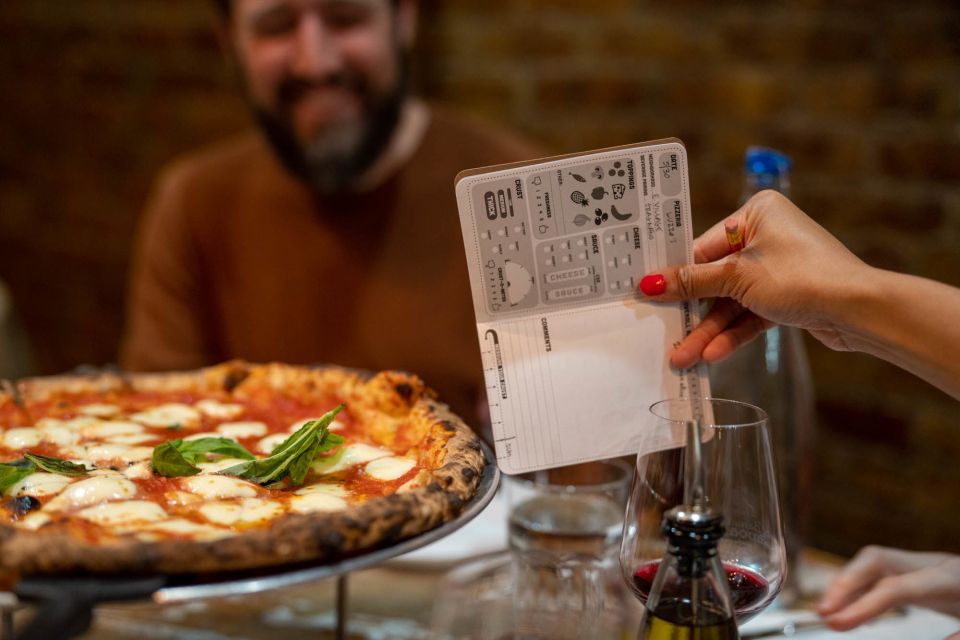
This tour is built around a simple idea: pizza changes by stage. You’ll sample three pizzas at three diverse pizzerias, and each one connects to a different step in the story of how pizza became America’s default comfort food.
You’ll also get to see different stages of pizza’s development. That means you’re not only comparing finished slices. You’re hearing about dough work, stretching, and the way baking turns raw structure into the crust you recognize instantly.
Stop One: Neapolitan Roots and Street-Food Thinking
The tour’s arc starts closer to the “humbler” side of pizza—Neapolitan street-food style. Here, the focus is usually about restraint: the dough, the bake, and how the oven treats a pizza quickly. Even if you don’t know what you’re looking for yet, you’ll learn the key cues: how thin or airy areas behave, where bubbles form, and how the crust develops flavor without extra tricks.
This stop is valuable because it gives you a baseline. After you taste this style, New York’s variations make more sense. You stop thinking pizza is just toppings. You start thinking pizza is technique.
Stop Two: Lower East Side Technique in Action
Your middle stop shifts the lesson from origin to adaptation. The Lower East Side has always been a place where imported foods meet local habits. That’s part of why this tour walks through East Village and Alphabet City instead of staying in one square.
At this point, the guide keeps pointing out how the pizza evolves—especially through dough handling and the baking pattern. You’ll also start noticing how oven behavior affects the final texture: where the edge caramelizes, how quickly the pie sets, and how different parts of the slice hold heat.
This is the stage where many people realize they’ve been judging pizza one way for years—usually only by sauce and cheese—when the real story is in the bake.





Stop Three: The American Staple Finish
The final stop moves toward pizza as a celebrated American staple. This is where the flavors can feel more familiar to U.S. eaters, but the goal isn’t comfort alone. The guide frames it as the next step in the evolution: what Americans wanted, how methods changed, and how ovens and dough translate into slice culture.
By the time you reach this last tasting, you’re primed to compare. You’re not just asking if the pizza is good. You’re asking why it’s good—and what that particular style is doing with the same basic ingredients.
Pizza Makers, Owners, and the Stuff You Can Use Later
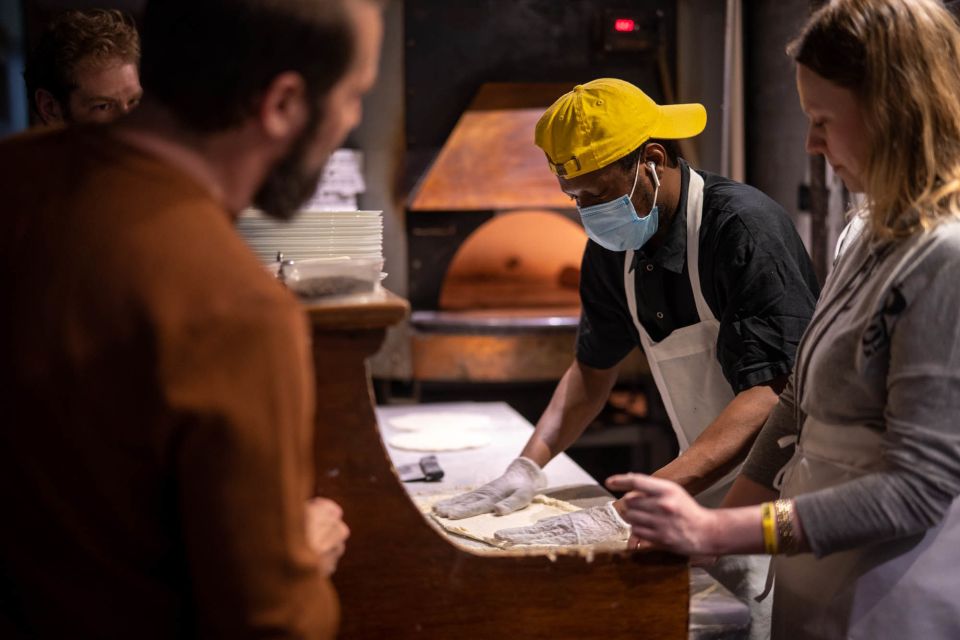
One of the most praised parts of this tour is that you’re not stuck talking only to the guide. You get to meet owners and pizzaioli—the pizza makers—at Lower East Side pizzerias. That access matters because they can explain what they do in plain language, not theory.
You’ll also learn specific craft topics mentioned in the tour focus: dough stretching techniques, pizza development stages, and how ovens change outcomes. It’s the difference between hearing pizza is made a certain way and actually understanding what that means in your mouth.
In the reviews, guides like David, Amy, and Laura show up as standout personalities—friendly, patient with questions, and quick with fun history. That matters because the best food tours don’t lecture. They answer. If you’re the type who asks why a crust gets crisp in one place and soft in another, this tour is built for that.
Also, the Pocket Pizza Journal isn’t just a souvenir. It’s a prompt to pay attention while you eat. If you’re the forgetful type, you’ll leave with notes you can actually use when you’re back home ordering pizza and trying to recreate what you loved.
The Oven Lesson: Why Baking Patterns Change Everything
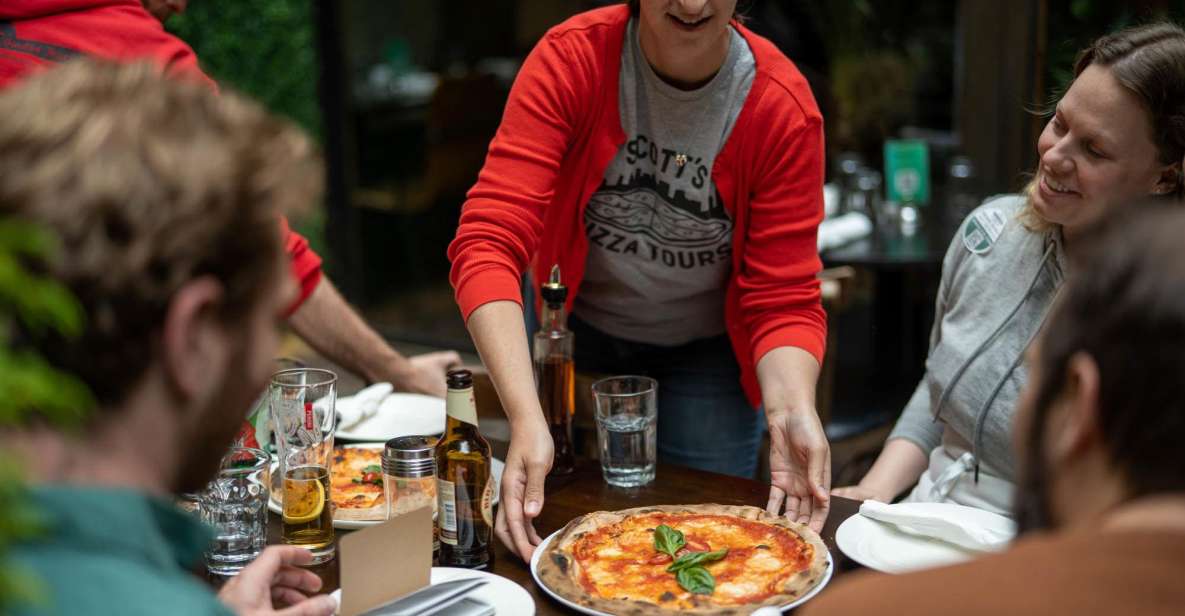
Pizza can taste similar on paper and totally different on the street. This tour takes that seriously by comparing the baking patterns of three different pizza ovens.
Here’s what that means for you in practical terms:
- Oven type affects how heat spreads and how fast a crust sets
- Baking patterns influence crust color and texture, especially the edge
- Even when toppings are similar, the bake can shift the whole personality of the slice
This oven comparison is one of the most valuable parts if you love food details but don’t have the technical vocabulary yet. The guide gives you enough structure to connect what you taste to what’s happening in the oven.
And because you’re sampling at each stage, the lesson doesn’t stay abstract. It becomes a series of taste experiments you can remember.
The Walk Itself: Pace, Weather, and What to Wear
This experience runs rain or shine, and it’s built as a walking route through the East Village and Alphabet City. That means your comfort sets the ceiling for your enjoyment.
Wear comfortable shoes. Dress for the weather. It’s simple, but it’s also real. A tour like this is about small moments—stepping in and out of shops, tasting at each stop, and hearing history and craft details while you walk.
The duration is listed as 2.5 hours, which is long enough to feel like you did something meaningful, but short enough that most people can handle it without planning their entire day around it. If you’re traveling with someone who needs frequent sit-down breaks, this may feel like more movement than they want, even though the tour is designed for easy participation.
The good news: it’s wheelchair accessible, so there’s support for mobility needs. Still, it’s smart to think about your comfort on sidewalks before you book.
Price and Value: Is $65 a Fair Deal for Three Pizzas?
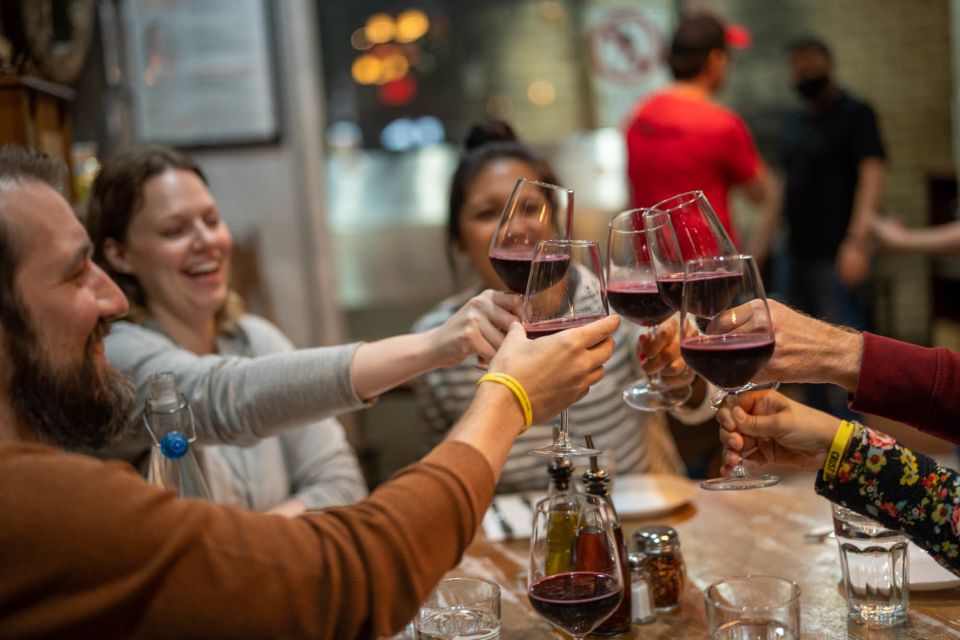
At $65 per person, this isn’t the cheapest pizza option in New York. But it isn’t trying to be.
You’re paying for:
- Pizza samples at three pizzerias
- A guided walk through one of NYC’s oldest neighborhoods
- Access to the pizza people—owners and pizzaioli—so you get real craft explanations
- Extra materials like your Pocket Pizza Journal
- A tour guide who’s a licensed tour guide and takes pizza seriously
If you were to eat three pizzas on your own, you’d still spend plenty of money. The difference here is that you’re buying an organized tasting with context and Q&A. The tour is built to make each slice teach you something specific.
So for value, I’d frame it like this: if you love pizza but you want more than just eating, the price makes sense. If you just want calories and don’t care about craft or history, you might decide to self-tour and save money.
Who This Tour Fits Best (and Who Might Skip It)
This tour is ideal if you fall into one of these groups:
- You’re a pizza lover who wants to compare styles, not just pick the nearest slice
- You like history that feels local—immigration, neighborhood change, and food culture
- You enjoy walking tours that mix stories with practical tasting
- You want to ask lots of questions and get patient answers
It might be less ideal if:
- You hate walking and want a seated food experience
- You expect a full meal with beverages included
- You’re looking for a purely modern trend tour with zero focus on origin
A Few Smart Tips Before You Go
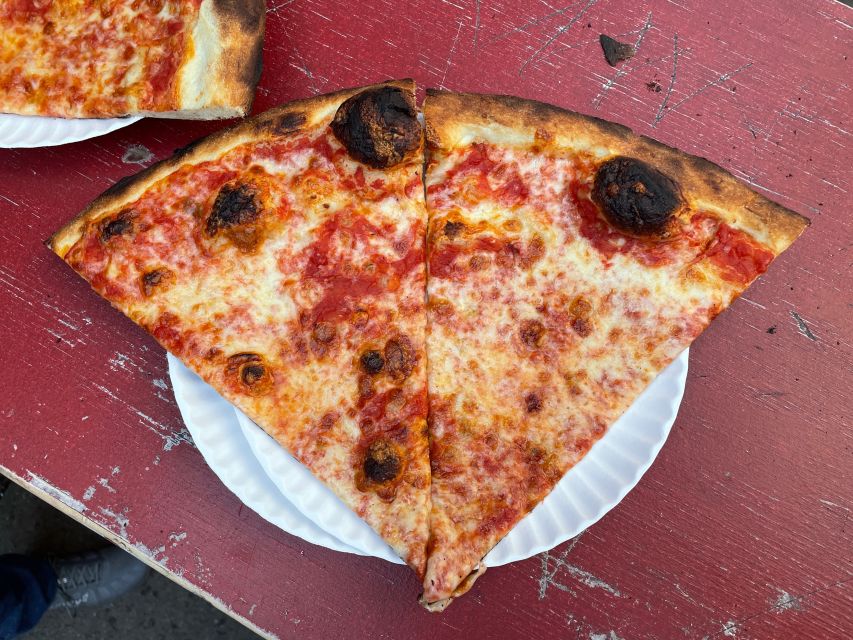
I’d suggest you come hungry enough to enjoy three tastings, but not so stuffed that you lose the details. Pizza is best when you can focus on crust, sauce, and bake effects.
Also, since beverages aren’t included, plan to buy water or another drink on your own if you need it. You can also start with a drink at the bar if you arrive early at Gnocco Pizzeria, but that’s separate.
Finally, be ready to ask questions. The guides mentioned in the reviews are described as friendly and patient, which is exactly what you want on a pizza tour where you’ll likely care about specifics like dough work and oven behavior.
Should You Book This East Village Pizza Walking Tour?
If you’re visiting New York and want one food experience that connects taste to technique and neighborhood history, I think this is a strong booking. Three pizzerias, real pizza-maker interaction, and the oven comparison all work together. You don’t just leave full; you leave with a better pizza brain.
Skip it only if you want zero walking, zero craft talk, or beverages included. Otherwise, $65 buys you a guided tasting that actually teaches you how pizza became what it is today—one slice at a time.
FAQ
Where is the meeting point for the tour?
The tour meets at Gnocco Pizzeria, 337 E. 10th St., New York, NY 10009.
What is the nearest subway stop?
It’s just a couple blocks from the 1st Ave stop on the L subway line.
How long is the tour?
The duration is 2.5 hours.
How much does the tour cost?
The price is $65 per person.
How many pizzerias do you visit?
You visit three pizzerias and sample pizza at each one.
Are beverages included?
No. Beverages are not included.
Is the tour offered in English?
Yes, the live tour guide provides the tour in English.
Does the tour run in bad weather?
Yes, tours run rain or shine.
What should I wear or bring?
Wear comfortable shoes and dress for the weather, since it is a walking tour.
Can I cancel or change plans?
Free cancellation is offered up to 24 hours in advance for a full refund, and you can reserve now and pay later.