REVIEW · NEW YORK CITY
Fifth Avenue Gilded Age Mansions Walking Tour
Book on Viator →Operated by Untapped New York · Bookable on Viator
A walk that makes Fifth Avenue make sense. This Fifth Avenue Gilded Age Mansions Walking Tour strings together mansion-row scenery and Upper East Side landmarks so the city’s past feels visible right in front of you. You’ll get guided context as you move—on foot—so you’re not just staring at buildings, you’re learning how to read them.
I especially like the earpieces, which make it easier to follow the guide even when the group spreads out near busy intersections. I also like the focus on seeing key sights in a tight loop, including quick Central Park moments, so you get a lot of “where am I, and what’s the story?” without feeling stuck on one block.
One possible drawback: this is mostly a look-from-the-street style tour. If you’re expecting a ton of time going inside grand homes, plan for a format that prioritizes exteriors and street-level architecture instead.
In This Review
- Key things to know before you go
- Is a $39 Fifth Avenue Gilded Age Walk a Good Value?
- Where the Tour Starts and How the Route Feels on Foot
- Stop by Stop: What You’ll Actually Do and See
- 1) Fifth Avenue: The Gilded Age Facade Lesson (about 20 minutes)
- 2) Central Park: A Quick Reality Check in the Middle of Manhattan (about 10 minutes)
- 3) The Arsenal (830 5th Ave): Where the City’s Stories Take Shape (about 10 minutes)
- 4) Central Park Zoo (East 64th Street): A Different Kind of Urban Attraction (about 10 minutes)
- 5) Temple Emanu-El (1 E 65th St): Architecture With a Mission (about 10 minutes)
- 6) Frick Collection (1 E 70th St): Culture Right on the Mansion Map (about 10 minutes)
- 7) Albertine (972 5th Ave): Modern Urban Reality Next to Old Fame (about 10 minutes)
- 8) The Metropolitan Museum of Art (1000 5th Ave): The “Civic Legacy” Corner (about 10 minutes)
- 9) Central Park (again, about 10 minutes): Repeat for a Different Angle
- 10) Bergdorf Goodman: The Modern Glamour Contrast (about 10 minutes)
- 11) Ukrainian Institute of America (2 E 79th St): Community Landmarks Close the Loop (about 10 minutes)
- The Earpeice + Guide Factor: Why You’ll Actually Hear the Story
- The Gilded Age vs The TV Show: Manage Your Expectations
- How Much Walking Is It, Really?
- Who Should Book This Tour (and Who Might Not)
- FAQ
- How long is the Fifth Avenue Gilded Age Mansions walking tour?
- How much does the tour cost?
- Does the tour include earpieces?
- What language is the tour offered in?
- How many people are in the group?
- Where does the tour start and end?
- Is there a mobile ticket?
- Are service animals allowed?
- Should You Book This Fifth Avenue Gilded Age Tour?
Key things to know before you go
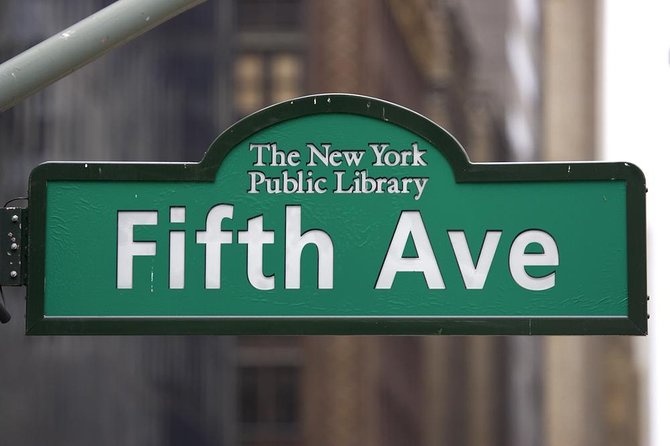
- Earpieces included so the guide’s voice stays clear even at a distance.
- Small group size (max 17) helps keep the walk orderly.
- Two-hour pacing with short stop blocks means you’ll see more than you’ll linger.
- Fifth Avenue + Central Park breaks help you connect the mansion era to the city’s layout.
- Local New Yorker guide style is built for storytelling at the curb, not in a classroom.
- Mobile ticket keeps the check-in simple if you travel light.
Is a $39 Fifth Avenue Gilded Age Walk a Good Value?
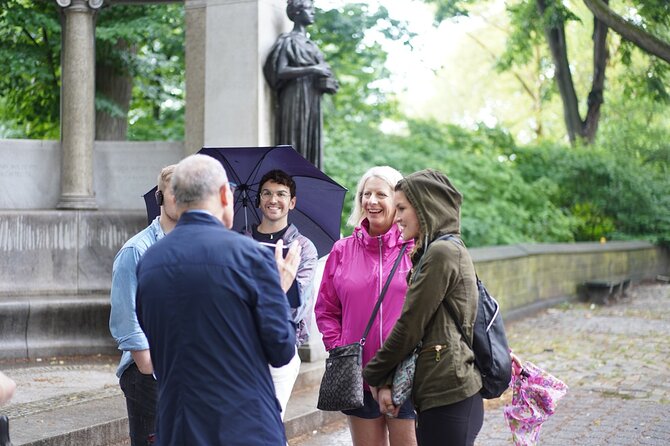
For $39 and about 2 hours, this tour hits a sweet spot for NYC: enough time to get real context, but not so long that you feel like you’ve “spent the day” in one neighborhood. The price also covers earpieces, which matter more than they sound. In Manhattan, sound is everything; standing near traffic with a guide talking “to the room” is one of the fastest ways to lose the story. With earpieces, you can actually pick up the details.
The group also stays small—up to 17 travelers—so you’ll get a more controlled pace than the mega-bus version of sightseeing. It’s not a private tour, but it also doesn’t feel like a cattle run. And because it’s on foot, you get the bonus you can’t replicate from a subway window: you can compare facades block by block and start noticing architectural choices that pass right by on a quick drive.
One practical note: the walk is long enough that you’ll want comfy shoes and a little weather planning. Even one review flagged that the pace is moderate and that the experience depends on your ability to stay focused while walking. If you’re sensitive to cold, wind, or glare, bring layers and think about hat/gloves.
You can also read our reviews of more walking tours in New York City



Where the Tour Starts and How the Route Feels on Foot
The tour begins at 764 Doris C Freedman Pl, New York, NY 10019 and ends at 975 5th Ave, New York, NY 10075. That start-to-finish design is part of the value. You’re not going out and back in a loop that steals time doubling around. Instead, you move along the kind of grid that makes Fifth Avenue easy to follow while still giving you variety.
On a walk like this, the best strategy is to treat every stop as a “data point.” You’re not meant to memorize addresses only. You’re meant to learn how to connect the dots: mansion-row styling, civic and cultural landmarks, then the park as a counterpoint to all that wealth symbolism.
You also get a useful sense of scale. Fifth Avenue looks glamorous from afar, but on foot you realize it’s a working urban corridor: busy sidewalks, quick turns, and visual lines that matter when a guide points out specific building features. This is where the earpieces shine—your attention stays on the guide, not on competing street noise.
Stop by Stop: What You’ll Actually Do and See
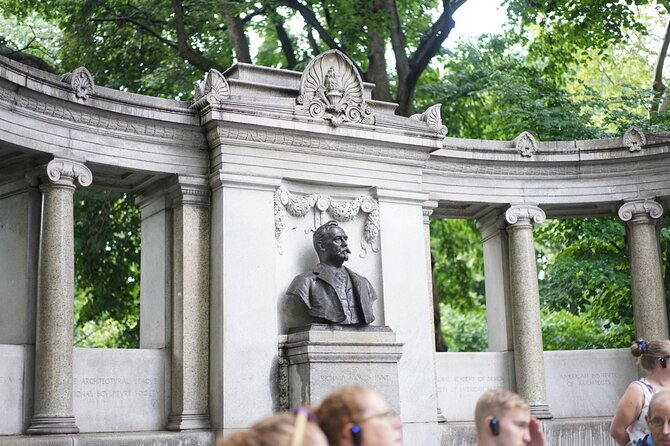
This tour keeps stops short—often around 10 minutes—with one longer on Fifth Avenue. That structure means you’ll get a quick orientation, a bit of story, and then you’re moving again. It’s fast, but it works if you stay present and don’t try to take every photo at once.
1) Fifth Avenue: The Gilded Age Facade Lesson (about 20 minutes)
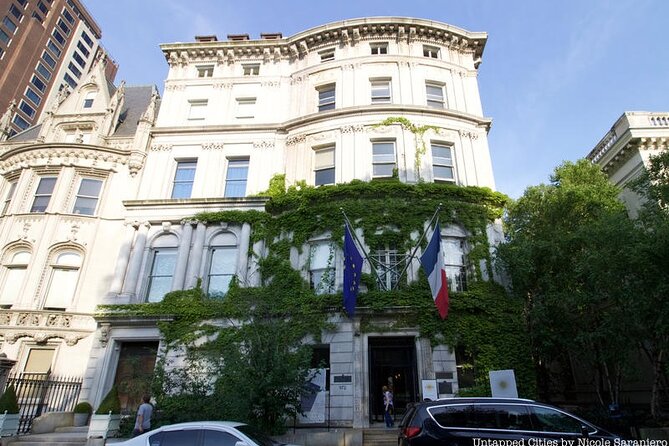
Your first segment is a stroll along Fifth Avenue “as it was” in the Gilded Age—when grand millionaires’ mansions lined this famous stretch. This is the tour’s launchpad. It sets the mindset: these buildings aren’t just pretty. They were statements—about status, taste, and power—made visible in stone, metalwork, and sheer scale.
What I like about starting here is that it gives you a baseline for everything else you’ll see later. When the guide ties the architecture to the kind of wealth and civic influence associated with the era, you start looking differently. Instead of treating facades as backgrounds, you treat them as clues.
2) Central Park: A Quick Reality Check in the Middle of Manhattan (about 10 minutes)
Then you step into a Central Park moment between the Upper West and Upper East sides. Even though the stop time is brief, it matters because Central Park interrupts the “everything is built” story of Fifth Avenue. It reminds you that the city wasn’t designed as one long parade of luxury.
This is also a great moment to reset mentally. After mansion-row visuals, you get greenery and open space. And even if you don’t go far into the park, the contrast helps you understand why the area became so desirable.






3) The Arsenal (830 5th Ave): Where the City’s Stories Take Shape (about 10 minutes)
Next is The Arsenal at 830 5th Ave. This stop works well because it shifts you from “private wealth” to “public presence” along the same corridor. You’ll be looking at a specific landmark, but the guide’s real job here is to help you connect architecture and civic symbolism.
A quick stop like this isn’t about slow wandering. It’s about learning what to notice in a short window—lines, scale, placement—so you’re not just passing by. If you’re the type who likes to know what a building is trying to communicate, this stop fits.
4) Central Park Zoo (East 64th Street): A Different Kind of Urban Attraction (about 10 minutes)
The tour then reaches Central Park Zoo on East 64th Street. Even if your main interest is the Gilded Age, this stop adds an important layer: the same neighborhood that hosted wealth displays also became a place for public leisure and family-friendly attraction.
It’s also a reminder of how Central Park functions as more than scenery. It’s part of daily city life. In a tour where everything else feels like curated grandeur, this is the human, everyday side of the same geography.
5) Temple Emanu-El (1 E 65th St): Architecture With a Mission (about 10 minutes)
At Temple Emanu-El, 1 E 65th St, you’re looking at a major religious landmark. The point here isn’t to turn the tour into a worship-focused stop—it’s about understanding how big institutions became part of the Upper East Side skyline.
This is one of those stops where a good guide can make the structure feel meaningful. You’ll likely get context on why such buildings matter to the neighborhood identity, especially when set next to wealth-driven Fifth Avenue architecture.
6) Frick Collection (1 E 70th St): Culture Right on the Mansion Map (about 10 minutes)
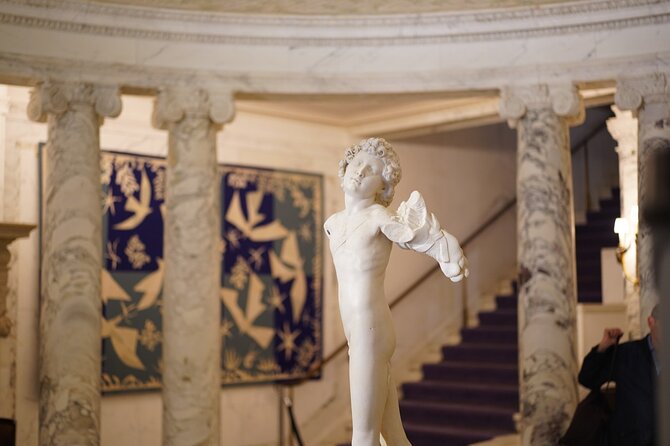
Then comes The Frick Collection at 1 E 70th St. Even without long interior time, this stop helps you see how cultural institutions sit inside the same street story. If the Gilded Age created wealth, places like this represent what wealth did next—supporting arts and public-facing cultural life.
This is also a helpful shift for your brain. Instead of thinking only about the wealthy as owners, you start thinking about them as patrons and shapers of what becomes public.
7) Albertine (972 5th Ave): Modern Urban Reality Next to Old Fame (about 10 minutes)
At Albertine, 972 5th Ave, the tour acknowledges that the skyline isn’t frozen in 1890. You’ll move past what’s there today and how the street keeps evolving around older identities.
This stop helps if you like continuity. You’re not just time-traveling. You’re learning how New York layers eras on top of each other, sometimes in the same line of sight.
8) The Metropolitan Museum of Art (1000 5th Ave): The “Civic Legacy” Corner (about 10 minutes)
Next is The Metropolitan Museum of Art at 1000 5th Ave. The guide’s framing here usually lands on the same theme as Frick: the way major institutions become part of the neighborhood’s long-term meaning.
It’s a short stop, but it gives you a checkpoint. By now you can look at a building and ask a better question: not just what does it look like, but what role does it play in the city’s cultural identity?
9) Central Park (again, about 10 minutes): Repeat for a Different Angle
You’ll return for another Central Park moment. This isn’t redundant if the guide uses the second pause to help you compare. The park is the same place, but your perspective changes as you move through the route.
I like tours that revisit key geography because it trains your observation. You start noticing how the city’s plan shapes movement—where you see openings, where the park functions like breathing room, and how Fifth Avenue channels foot traffic.
10) Bergdorf Goodman: The Modern Glamour Contrast (about 10 minutes)
Then you hit Bergdorf Goodman. This is a fun turn because it connects old wealth imagery to modern retail spectacle. Even if your main goal is architecture, this stop often becomes the most immediately recognizable moment on Fifth Avenue.
It’s also a good reminder that the “status street” idea didn’t vanish. It just changed format—from mansions to marquee storefronts.
11) Ukrainian Institute of America (2 E 79th St): Community Landmarks Close the Loop (about 10 minutes)
The final stop is Ukrainian Institute of America at 2 E 79th St. Ending with a community-focused institution is a satisfying wrap. After all the wealth symbolism, you land on a place that reflects New York’s immigrant and civic story—another layer on top of the Gilded Age narrative.
By the time you finish, the route should feel like more than a list of famous names. It should feel like a map of who influenced this neighborhood—and how the city kept changing while still using Fifth Avenue as a stage.
The Earpeice + Guide Factor: Why You’ll Actually Hear the Story

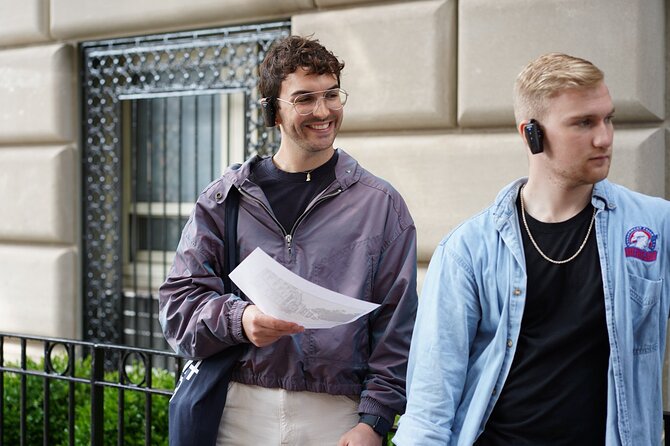
The big selling point here is that earpieces are included. In practice, that means you can stand in a comfortable spot and still understand the guide, even when there’s distance between you and the front of the group. It’s especially helpful at intersections and in spots where crowds build fast.
That said, not every piece of tech works for everyone. One review noted the earpiece can be difficult to use and may fall off. So do yourself a favor: when you get yours, adjust it right away and do a quick check before the group moves into traffic-heavy sections.
Guide names that came up in praise include Bill, AJ, Richard, Ben, Roe, Katie, and Hazel. Different personalities, same role: keep you oriented, keep you moving, and make the era feel concrete instead of abstract.
The Gilded Age vs The TV Show: Manage Your Expectations
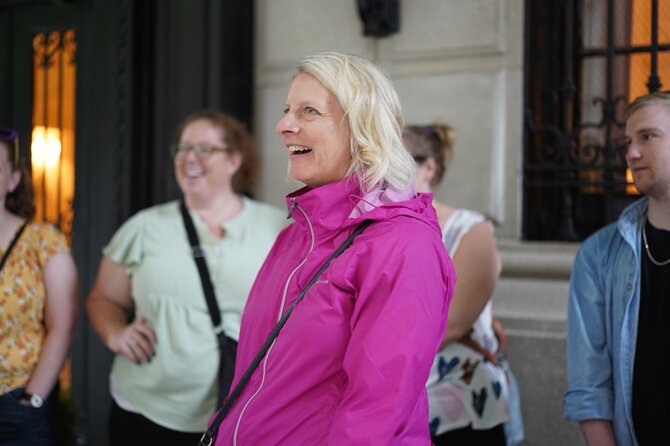
If you watched The Gilded Age, you might hope for strong show tie-ins. The reality looks mixed: at least one guide performance was praised for relating the show, while another review said the connection to the series wasn’t a major focus and that the tour leans harder on 1870–1930 NYC history and architecture.
Here’s the way to think about it: treat the TV nods as optional seasoning, not the meal. The main event is Fifth Avenue’s architectural storytelling and the broader era context. If you love the actual history, you’ll still be happy.
How Much Walking Is It, Really?
This is a two-hour route with short stops and an on-foot pace. One review described it as about a couple miles. Translation: you’ll likely be totally fine if you wear decent shoes and you don’t assume you’ll stop to rest often.
If you’re sensitive to wind or cold, plan for it. One review specifically called out how weather can affect focus and suggested practical wardrobe planning like layers and accessories.
Who Should Book This Tour (and Who Might Not)
You’ll love this if you:
- enjoy architecture more than just landmarks
- like history that’s explained at street level
- want Central Park + Fifth Avenue in one guided outing
- prefer small-group experiences with tech support (earpieces)
You might skip it if you:
- want long interior mansion visits and lots of time inside homes
- prefer a slow museum-style pace
- need minimal walking as a non-negotiable
If your group includes mixed interests, this tour often works because the stops include both “famous building fronts” and major neighborhood institutions. You get enough variety to keep people engaged without turning into a chaotic scatter.
FAQ
How long is the Fifth Avenue Gilded Age Mansions walking tour?
It runs about 2 hours (approx.).
How much does the tour cost?
The price is $39.00 per person.
Does the tour include earpieces?
Yes. Ear pieces are included so you can hear the guide clearly, even from a distance.
What language is the tour offered in?
The tour is offered in English.
How many people are in the group?
The maximum group size is 17 travelers.
Where does the tour start and end?
It starts at 764 Doris C Freedman Pl, New York, NY 10019, and ends at 975 5th Ave, New York, NY 10075.
Is there a mobile ticket?
Yes. The tour uses a mobile ticket.
Are service animals allowed?
Yes, service animals are allowed.
Should You Book This Fifth Avenue Gilded Age Tour?
I’d book it if you want an efficient, story-first way to understand why Fifth Avenue looks the way it does—and you like pairing that with quick Central Park context. The combination of local guide storytelling, a small group, and earpieces included makes it one of those NYC tours that feels practical instead of performative.
If your top priority is going deep into mansion interiors, this likely won’t be the best match. But if your goal is to learn how to see the Gilded Age on the street—then yes, this is a strong pick for a first or second trip to Manhattan.