REVIEW · NEW YORK CITY
Financial Crisis Tour with a Finance Professional
Book on Viator →Operated by ExperienceFirst · Bookable on Viator
Wall Street has scars you can still see. This tour brings the 2008 financial crisis to life with Wall Street insiders and specific, on-the-ground stories tied to big names like Lehman Brothers and Bear Stearns. I also like how it stays practical—guides explain complex stuff in plain terms—plus you’ll get real Financial District context fast. One catch: the New York Stock Exchange is closed to visitors, so you won’t go inside.
I love the route choices because they mix finance with New York’s built environment. You’ll get the iconic Charging Bull photo moment, then keep rolling to historic Federal Hall, where George Washington became President. Another plus is the guide quality; I saw examples of how different leaders (like Ben, Emily, Jared, James, Jon, and Tom) kept the tone engaging while still hitting the serious failures behind the meltdown.
One thing to plan for: this is mostly an outdoor walking tour, with only a chance to step inside a few buildings. Dress for wind and cold, and don’t assume you’ll have easy bathroom breaks mid-walk—use the last chance you get before you start.
In This Review
- Key things to know before you go
- A Wall Street crisis story you can walk through
- The route in plain terms: where you start, where you finish
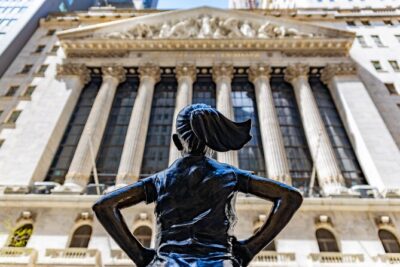
- Wall Street stop: the 2008 collapse, explained on the sidewalk
- Charging Bull: the photo stop with meaning (not just a selfie)
- Federal Hall: where early American history meets modern finance
- What you will not see: the Stock Exchange, and why that’s still okay
- Timing, pacing, and how much walking you’re really doing
- The guides: what it means when your leader has front-line experience
- Price and value: is $59 fair for a finance pro walk?
- Who this tour fits best
- Should you book the Financial Crisis Tour?
- FAQ
- Is the New York Stock Exchange included?
- How long is the Financial Crisis Tour?
- Where do I meet the guide?
- Where does the tour end?
- Is this tour mostly outdoors?
- What language is the tour offered in?
- What’s the group size limit?
- Do I get a mobile ticket?
- Are service animals allowed?
- Is free cancellation available?
Key things to know before you go
- Former finance insiders translate 2008 in everyday language, not textbook jargon
- You’ll walk key Lower Manhattan landmarks tied to the crisis aftermath
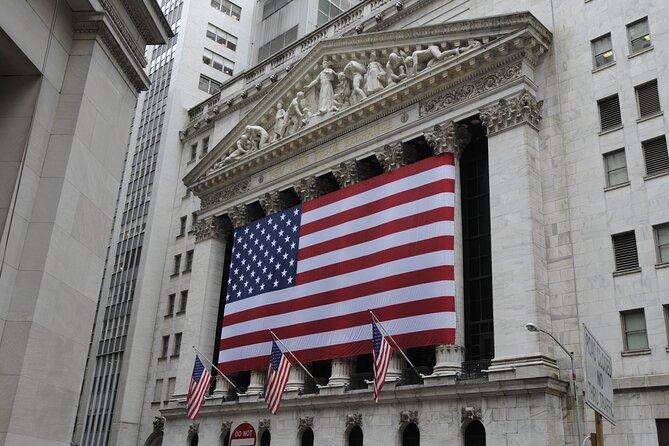
- No Stock Exchange entry, because it’s been closed to visitors since 2001
- Small group size (up to 20) makes questions actually happen
- A film-to-reality style explanation connects the crisis story to what you’ve seen in The Big Short
A Wall Street crisis story you can walk through
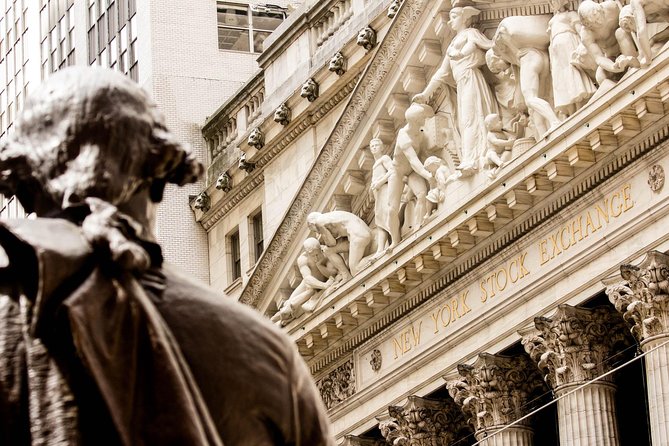
This isn’t a museum tour where you passively read plaques. It’s a paced, on-the-street explanation of how the system broke, told from a front-line finance point of view. As you move along Wall Street’s narrow corridors, the story feels less like distant news and more like a sequence of decisions that happened right here.
You also get something that’s hard to recreate on your own: a guide who can connect the dots between the headlines and the mechanics. The best part is how the tour frames the “why” behind the chaos—why certain investment products ballooned, why banks faltered, and how a crisis that started with finance spread into real life.
You can also read our reviews of more tours and experiences in New York City.



The route in plain terms: where you start, where you finish
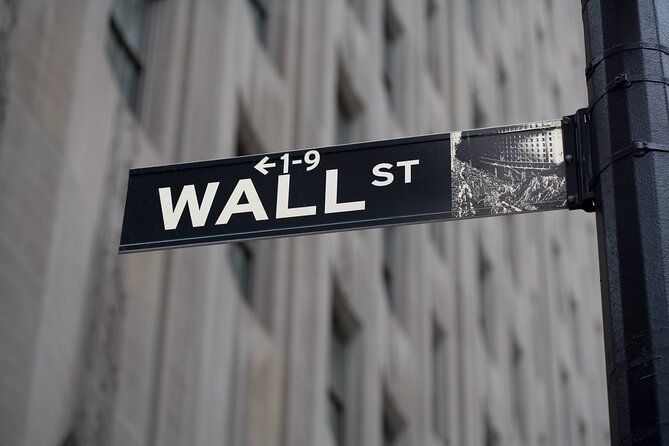
The tour begins at 22 Broad St, right in the Financial District’s core. From there, you’re walking along Wall Street itself, with stops that keep you oriented to what you’re looking at and why it matters.
It ends near 33 Liberty St, close to the Federal Reserve Bank. That ending point is useful if you’re planning to keep exploring after the tour, because you’re finishing in a logical, central zone for Lower Manhattan sightseeing.
Wall Street stop: the 2008 collapse, explained on the sidewalk
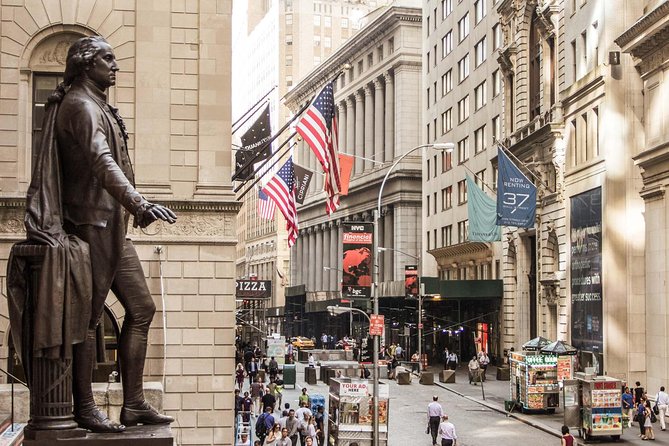
Your main focus is the 2008 economic collapse and the Great Recession that followed. You’ll see and discuss major institutions involved in the shake-up, including Lehman Brothers and Bear Stearns, and you’ll hear how traders could make massive money during the boom—and what happened when the system flipped.
What I liked here is the balance between drama and accountability. Instead of treating the crisis like a single villain, the tour tends to explain how incentives, risk, and failures in judgment built on each other. One guide-style theme that comes through strongly in the experience is that complex instruments can still be made understandable, like how products such as CDOs/CDWs were explained with simplified language.
You’ll also pick up extra context about how the Financial District has functioned over time. One guide, Ben, is noted for tying financial history to the district’s current use and tenancy—so you’re not only learning the past, you’re seeing how the buildings still matter today.
Charging Bull: the photo stop with meaning (not just a selfie)
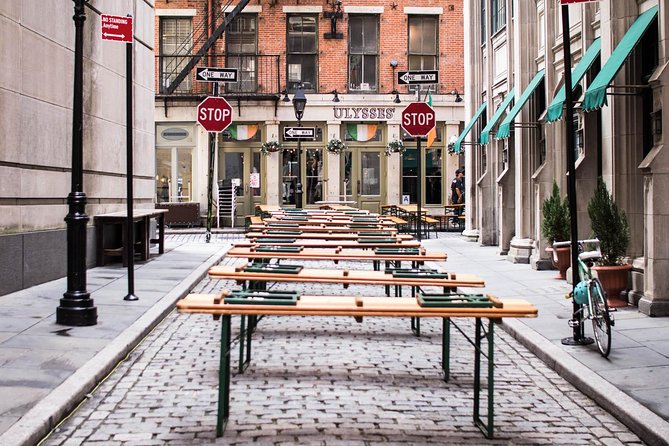
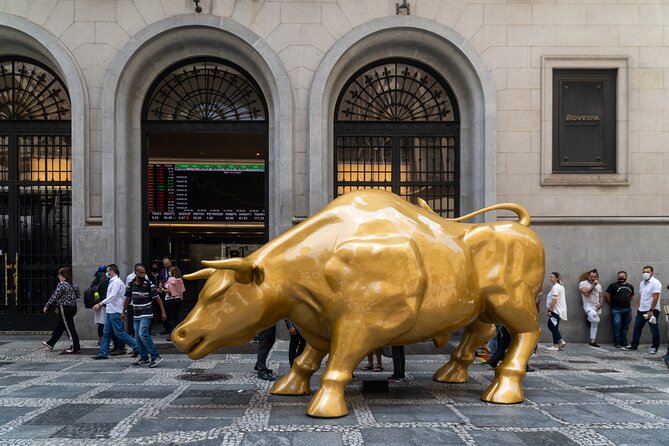
Yes, you’ll do the classic Charging Bull photo. But the tour frames it as more than a random street statue—it’s presented as a symbol of the economy, which matters right after you’ve been talking about collapse and fear.
The stop is short—about 15 minutes—so it doesn’t steal time from the story. It’s also an easy win for first-time visitors, because it helps you recognize one of Lower Manhattan’s most famous landmarks without having to fight your way through long lines.
Federal Hall: where early American history meets modern finance
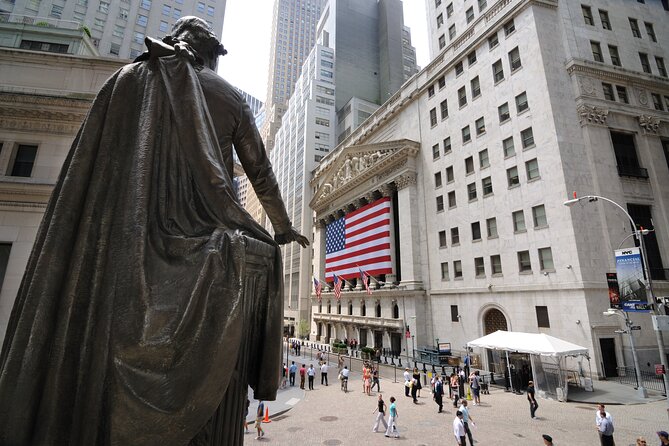
After Wall Street, you shift gears to Federal Hall, a landmark tied to the early United States. This is where George Washington became President, which gives the tour a useful pivot: finance isn’t only about markets; it’s about institutions and power structures built over generations.
This part of the walk also helps you reset mentally. After hours of focusing on 2008 mechanics, Federal Hall feels like a reminder that governance and finance have always been linked—just in different forms. It’s a strong stop for anyone who wants history with real stakes, not just dates.




What you will not see: the Stock Exchange, and why that’s still okay
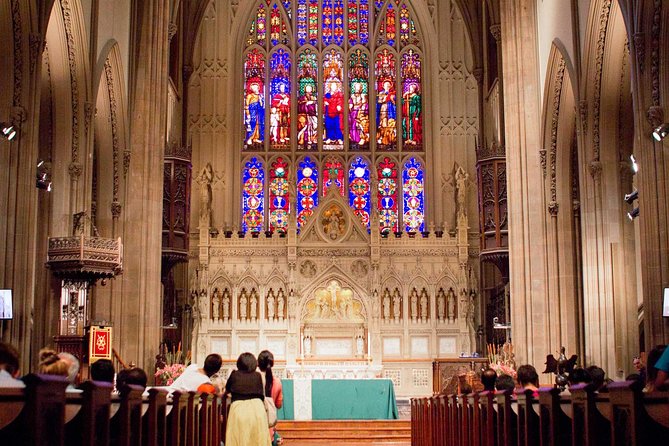
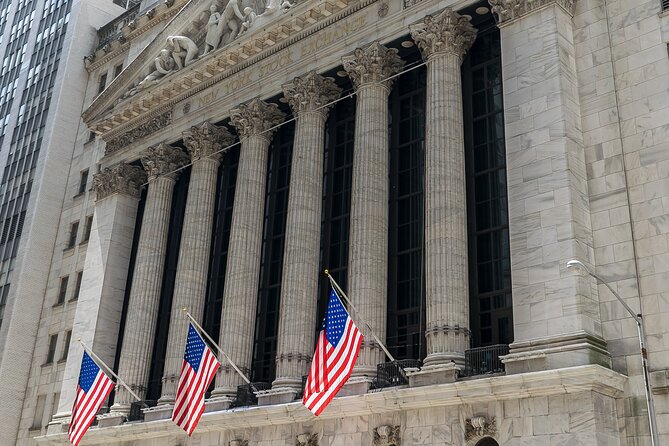
Here’s the big expectation check: the tour does not go inside the New York Stock Exchange. The explanation is clear—it has been closed to visitors since 2001.
If you were picturing an inside-the-building look at the trading floor, you’ll want to adjust. The upside is that the guide focus stays outside where the district story is strongest. You still get the visuals, the location-based clues, and the “this is what happened here” storytelling without time lost to access issues.
Timing, pacing, and how much walking you’re really doing
Expect about 2 hours on the clock. The walk involves a moderate amount of walking, and it’s mostly outdoors, with a chance to visit inside a few buildings along the way.
That outdoor time is the main logistical factor for your comfort. Downtown can get windy, and in colder months you’ll be glad you layered up. I’d also plan your hydration and restroom timing before you begin, since this is a short, story-driven route rather than a long stroll with frequent breaks.
The guides: what it means when your leader has front-line experience
A huge part of the value here is that the experience is led by professionals with financial industry experience. You’ll hear stories with practical credibility, and the guides are used to translating complicated ideas into something you can actually follow.
You’ll see this in the variety of guide names mentioned in the experience history: Emily, Ben, Jared, James, Tom, Jon, and Mike are all connected to this tour’s delivery. The common thread is how they keep the material approachable—explaining not just what happened, but how the incentives and instruments worked.
Also, the format supports questions. The group limit is 20 travelers, so it’s not one of those tours where you shout your question into the void and hope it lands. For me, that interactive element matters a lot with finance topics, because you want to ask about what feels confusing before your brain checks out.
Price and value: is $59 fair for a finance pro walk?
At $59 per person for roughly 2 hours, the cost is pretty reasonable for a specialized, pro-led experience focused on one of the most complex (and most important) financial events in modern history. You’re paying for two things: a tight walking route through meaningful sites and a guide who can make the crisis make sense.
You’re also not paying for Stock Exchange access, because it’s not available. In other words, the price isn’t tied to an interior “wow” factor—it’s tied to interpretation and explanation. If that’s what you want, the value is strong.
One caution: if you’re only after casual sightseeing with zero interest in finance mechanics, you may feel the price doesn’t match your expectations. But if you want a guided story that connects buildings, headlines, and real-world consequences, you’ll likely feel it’s money well spent.
Who this tour fits best
This is a great pick if you fall into one of these groups:
- You’re curious about the 2008 crisis and want the story explained in real-world terms
- You like walking tours but want one with substance, not just architecture and trivia
- You’re bringing a teen or someone who learns best with guided context (the finance parts can be explained without becoming a lecture)
- You want a fast way to get oriented to the Financial District landmarks without planning a route yourself
If you’re the type who hates any complexity at all, this might still be doable because the guides aim to keep the explanations understandable. But you’ll get the most from it if you’re willing to listen for how systems can fail, not just what headlines said.
Should you book the Financial Crisis Tour?
I’d book it if you want a pro-led, on-the-street explanation of the 2008 breakdown and its aftermath, with smart stops like Wall Street’s core area, Charging Bull, and Federal Hall. The small group size and the mix of finance story plus real landmarks make it feel focused, not generic.
I’d skip it—or at least set expectations—if your main goal is going inside major trading rooms or the Stock Exchange, because that’s not part of the experience. And if you’re sensitive to cold or wind, plan your outfit and consider going earlier in the day when conditions feel more manageable.
Bottom line: for $59, you’re buying a guided lens on one of the most consequential financial stories of the last century, right where it happened.
FAQ
Is the New York Stock Exchange included?
No. The tour does not go inside the Stock Exchange because it has been closed to visitors since 2001.
How long is the Financial Crisis Tour?
It runs for about 2 hours (approx.).
Where do I meet the guide?
You’ll meet at 22 Broad St, New York, NY 10005.
Where does the tour end?
The tour ends near 33 Liberty St, New York, NY 10045, close to the Federal Reserve Bank.
Is this tour mostly outdoors?
Yes. It’s mostly an outdoor walking tour, with a chance to visit inside a few buildings.
What language is the tour offered in?
It’s offered in English.
What’s the group size limit?
The tour has a maximum of 20 travelers.
Do I get a mobile ticket?
Yes, this experience uses a mobile ticket.
Are service animals allowed?
Yes, service animals are allowed.
Is free cancellation available?
Yes. You can cancel up to 24 hours in advance for a full refund.