REVIEW · NEW YORK CITY
Ghost Stories: A Mysterious, Macabre Tour in the Metropolitan Museum
Book on Viator →Operated by Fable & Lark · Bookable on Viator
Spooky art stories meet big museum galleries, and it really works. I like the ghost-themed storytelling that turns the Met into a scary-fun classroom, and I also like how the guide connects fear across cultures and time instead of treating it like random spooky trivia. You get a guided plan, then you can keep exploring after the tour ends.
One possible drawback: the experience is best when you can hear clearly, because a group tour inside the Met can get loud enough to make some moments harder to follow.
In This Review
- Key highlights you’ll care about
- Ghost Stories at the Met: What This Tour Gets Right
- What You’ll See: Egyptian Masks, Flying Dutchmen, Sculpture, and More
- Stop 1: The Met Guided Walk That Runs About 2 Hours
- How the Stories Work: Fear as a Cross-Cultural Language
- The Small-Group Advantage (Max 12) and Why It Feels Less Like a Herd
- Price and Value: What $47.50 Really Buys You
- After the Tour: Explore the Met on Your Terms
- When to Skip It (or Choose Carefully)
- Best Fit: Who This Tour Suits Most
- Practical Bits That Matter on Arrival
- Should You Book Ghost Stories: A Mysterious, Macabre Tour in the Metropolitan Museum?
- FAQ
- Where does the Ghost Stories tour take place?
- How long is the tour?
- How much does it cost?
- Is admission included?
- What language is the tour offered in?
- What age range is this tour for?
- What’s the group size limit?
- Do I need a printed ticket?
- What is the cancellation policy?
- What happens if the minimum number of travelers is not met?
- Are service animals allowed?
Key highlights you’ll care about
- Small group size (max 12) for better attention and smoother pacing
- Cross-cultural, cross-time art links built around fear and the gruesome
- Egyptian, American, and European works mixed with sculpture and still lifes
- Interactive spooky activities tied to what you’re seeing in the galleries
- Admission ticket included so you’re not paying extra just to enter
Ghost Stories at the Met: What This Tour Gets Right
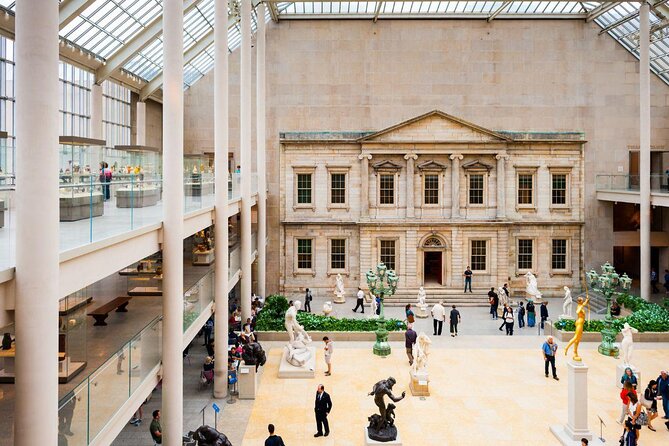
There’s a special kind of fun in watching a world-class museum go slightly off-script. This tour uses macabre themes as a lens, so you’re not just staring at famous objects—you’re learning how art makers portrayed fear, death, and the strange.
I like that the focus stays on art and meaning, not cheap jump-scares. You’ll walk through the Met with a guide who keeps the story moving from one culture to another, which makes the museum feel less like a maze and more like a narrative.
The setting matters. The Met is huge, full of dramatic lighting and heavy symbolism, so ghost stories feel natural here—even when the tour stays grounded in history and art.
You can also read our reviews of more museum experiences in New York City


What You’ll See: Egyptian Masks, Flying Dutchmen, Sculpture, and More
This isn’t a tour of one theme that only appears in one wing. The whole point is traveling across cultures and across time, using fear as the thread.
You can expect to run into a mix like funerary masks, still lifes, and sculpture. The tour also specifically mentions works connected to Egyptian, American, and European art, which is a rare blend compared with many one-nation museum walks.
One detail I find especially interesting is the mention of Flying Dutchmen. That’s the kind of myth that carries a mood instantly, and it helps the tour bridge folklore with visual symbolism.
Even the word choices in the tour description—macabre, mysterious, ghoulish—suggest the guide will steer you toward pieces that have that edge. And that’s the right approach if you’re going to label a museum tour ghost-themed.
Stop 1: The Met Guided Walk That Runs About 2 Hours

Everything happens at the Met, in one main stop. Plan for roughly 2 hours of guided time, and then you’re free to wander the museum on your own.
During the tour, you’ll move around to different collections and artworks, guided by the theme. The structure is set up like a guided route through the museum’s visual vocabulary of fear, not like a lecture in one place.
The tour also calls out fun and spooky activities. Since the exact activities aren’t spelled out here, treat this as an interactive element rather than a passive walk. The payoff is that you should feel mentally switched on, not just walked through rooms.
Also note this: the tour is described as taking you from the spooky to the scary, but the strongest value is about how art depicts the fearsome and the gruesome. If you’re expecting a literal haunting—ghost apparitions, that sort of thing—you may be slightly off-target. Think of it as ghost stories as an art-history theme.
How the Stories Work: Fear as a Cross-Cultural Language
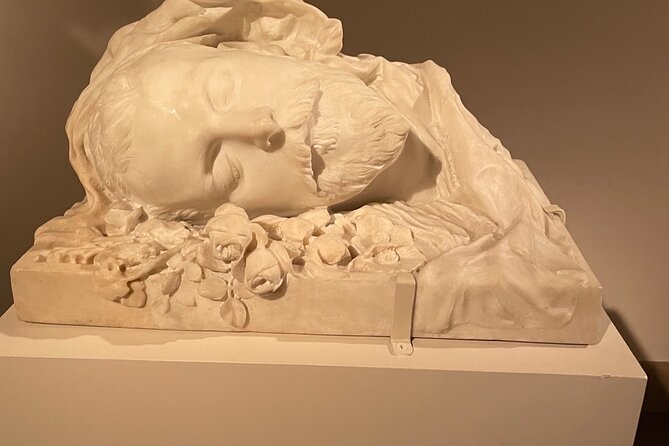
Here’s the clever part: the guide isn’t only pointing out scary objects. You’re learning how different cultures depict fear and what that fear may mean to them.
That matters for how you experience the Met afterward. Once you’ve been taught to notice expressions of dread—through figures, symbols, and staged scenes—you start seeing those choices everywhere, even in pieces you’d never label as spooky on your own.
You’ll also get a chance to compare approaches. Some societies pictured death in solemn or protective ways, while others used monstrous imagery or dramatic myth. Even when the subject is grim, the artwork itself often shows skill, rules, and craft.
That’s why the tour feels different from a standard highlights route. You’re not just collecting famous names. You’re building a way to read images, including the parts that make you uncomfortable.
The Small-Group Advantage (Max 12) and Why It Feels Less Like a Herd
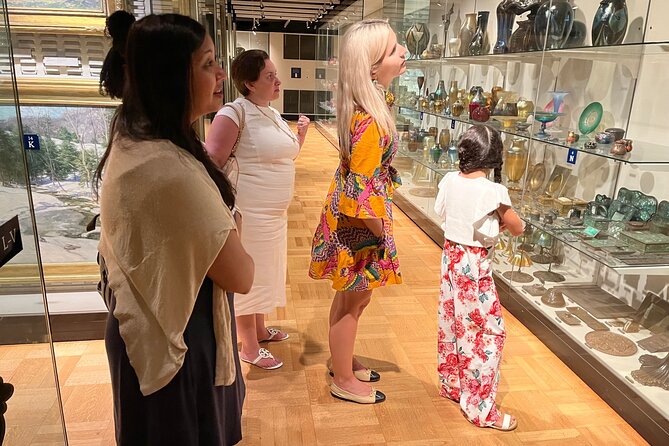
This experience tops out at 12 travelers, which changes the vibe. Smaller groups can mean you get quicker course corrections, better sightlines to what the guide is referencing, and fewer people talking over each other at the exact same second.
It’s also a practical point inside the Met. You’re stepping through space where sound can travel and crowds can compress. With a compact group, the guide can manage the flow more easily.
Based on the kinds of comments attached to this tour, the guide’s role is central. The tour works when the storytelling is clear, the links between artworks make sense, and the pace keeps attention.
So if you’re someone who likes to ask your brain questions while you walk—why this symbol, why that myth, why this mood—this format is a strong fit.





Price and Value: What $47.50 Really Buys You
At $47.50 per person for about 2 hours, the ticket isn’t the cheapest way to see the Met. But you’re not paying just for entry.
The tour description indicates the admission ticket is free. That’s a real value factor because the Met itself can’t be accessed without an admission cost, and you’re getting guided interpretation layered on top.
You’re also paying for time saved and for a specific kind of museum guidance. The Met rewards self-exploration, sure. But a theme that connects fear across Egyptian, American, and European works gives you a different kind of satisfaction than a generic highlights route.
If you already plan to spend the full day at the Met, then this becomes a way to get oriented and trained your eye early. If you’re short on time, this tour can act like a high-impact primer that tells you what to look for later.
After the Tour: Explore the Met on Your Terms
One of the best practical perks is that the tour ends and you can roam. You’re not locked into a schedule that keeps you glued to the guide all day.
Use that freedom in a smart way. Think of the tour as your shortlist generator. If something hits you—an image tied to fear, a mythic mood, a symbol tied to the gruesome—go look again and spend longer with it.
Also, since the tour moves across cultures and time, you may end up curious about a collection you didn’t originally plan to see. That’s a great reason to do a themed tour before your free wandering.
If you like Halloween-season energy, the tour is timed perfectly for that mood. Even when the content is macabre rather than silly, the feeling matches the season.
When to Skip It (or Choose Carefully)
This tour is aimed at scare-seekers age 10 and up, which tells you what the tone is supposed to feel like. It’s meant to lean spooky and macabre, not gentle.
If you want a literal ghost hunt, you might feel let down. The stronger promise here is about fear in art—how works depict dread, death, and the gruesome—rather than supernatural encounters.
One more consideration: the Met is a busy place, and group tours can get loud in real-world conditions. If you’re sensitive to sound or you struggle hearing in groups, choose seating and standing spots carefully during pauses, and plan to keep an eye on where the guide is.
Best Fit: Who This Tour Suits Most
You’ll probably love this if you:
- Enjoy spooky stories, but also want meaning behind them
- Like myth, symbolism, and the psychology of fear
- Want a guided route that shows you connections you might miss alone
- Are spending a partial visit and want a strong early “lens”
It also helps if you’re the type of traveler who likes a theme to steer your museum time. The Met is too big to wing everything. A good theme gives you a route and then hands the rest back to you.
If you’re going with family, age 10 and up makes it workable for older kids who can handle scary-ish subject matter. Younger kids might find the theme too intense, so use your judgment.
Practical Bits That Matter on Arrival
This is a mobile ticket experience, and it’s offered in English. You’ll want your phone charged, and you’ll want to make sure you can access the ticket before you reach the meeting point area.
The tour also notes that it’s near public transportation, which is useful in New York. One less headache means you spend more energy enjoying the art.
Service animals are allowed, and most people can participate. The tour also keeps the group small, which usually makes the experience easier to manage inside a large museum.
If you’re prone to museums moving too fast, arrive with a plan for how you’ll use your free time afterward. Even a themed tour can’t cover everything.
Should You Book Ghost Stories: A Mysterious, Macabre Tour in the Metropolitan Museum?
If your idea of fun is art that feels spooky and meaningful, I think you’ll enjoy this. The best reason to book is the tour’s mission: fear as a shared visual language across Egyptian, American, and European art, plus interactive moments that keep you engaged.
Skip it if you only want jump-scare entertainment or literal ghost activity. This is more about macabre storytelling through artworks than supernatural spectacle.
My simple recommendation: if you’re doing the Met and you like the Halloween-season mood, this is a smart way to get perspective fast, then explore deeper on your own.
FAQ
Where does the Ghost Stories tour take place?
It takes place at the Metropolitan Museum of Art in New York City.
How long is the tour?
The tour lasts about 2 hours.
How much does it cost?
The price is $47.50 per person.
Is admission included?
The tour description says admission ticket is free.
What language is the tour offered in?
It’s offered in English.
What age range is this tour for?
It’s great for scare-seekers aged 10 and up.
What’s the group size limit?
The tour has a maximum of 12 travelers.
Do I need a printed ticket?
No. The tour uses a mobile ticket.
What is the cancellation policy?
You can cancel for a full refund if you cancel at least 24 hours in advance of the experience start time.
What happens if the minimum number of travelers is not met?
If it’s canceled because the minimum isn’t met, you’ll be offered a different date or a full refund.
Are service animals allowed?
Yes, service animals are allowed.