Crime stories, told like legal briefs. This NYC walk focuses on real locations and case-file detail through a lawyer’s lens, across the gritty 1960s to 1990s. Two things I really liked: you get well-researched retellings pulled from case materials and out-of-print books, and each stop adds insider facts that make the neighborhood feel tied to the case, not just to the vibe.
Still, there’s one practical catch: you’ll spend a lot of time outside and standing in place while the story builds, so plan for weather and keep your focus if you’re not big on long storytelling blocks.
I also like how the tone doesn’t turn into a cheesy mafia fantasy. Eddie keeps it grounded, and you’re basically walking the city’s grid while he explains what happened and why it mattered in that era. That mix of courtroom-style framing and street-level setting is why this tour works even if you think you’ve heard it all before.
In This Review
- Key takeaways on the Gritty NYC True Crime Tour
- What this tour gets right: lawyer-level storytelling on actual blocks
- East Village stop(s): where the story meets street-level reality
- Greenwich Village finale near Washington Square Park
- The lawyer guide factor: why the explanations feel different
- Research depth: case files and out-of-print books (not just headlines)
- Pace, group size, and what it feels like in real time
- Cost and value: $79.95 for a specialist-led walking tour
- Weather and where you’ll spend your time
- Who should book this true crime tour (and who might skip it)
- A couple practical tips before you meet up
- Should you book it? My honest take
- FAQ
- How long is the tour?
- Where does the tour start and where does it end?
- How much does it cost?
- What language is the tour offered in?
- How big is the group?
- Is the tour dependent on weather?
Key takeaways on the Gritty NYC True Crime Tour
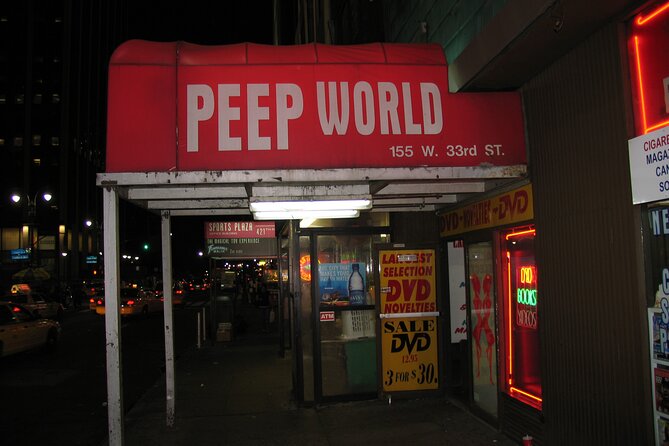
- Real address stops in the East Village and Greenwich Village tied to major cases from the 1960s to the 1990s
- A lawyer-led explanation of the murders, with clear reasoning instead of pure shock value
- Research you can feel, including details from case files and out-of-print books
- Insider facts at each location, designed to add new layers rather than repeat the same podcast beats
- Small group size (max 12), which keeps the pace conversational and question-friendly
- 2 hours outdoors with several stationary story moments, so dress for the day
What this tour gets right: lawyer-level storytelling on actual blocks
This is a true crime tour for people who like their stories tight and sourced. You’re not just hearing dramatic narration. You’re hearing a lawyer’s way of explaining what the evidence suggests, how investigators would think, and what details might change how you interpret the timeline.
The setting matters, too. East Village and Greenwich Village aren’t generic backdrops. You’re walking through the same general street world where daily life would have happened while these cases unfolded. Eddie then connects the case to the city you’re seeing now, plus the New York that existed back then.
Two things create the “I’ll remember this” factor. First, the tour leans on extensive research—the kind that shows up when someone doesn’t skip over the hard parts or hand-wave the messy ones. Second, Eddie works through multiple cases across the tour area, giving you context for the broader “gritty city” era rather than treating each murder like a one-off headline.
You can also read our reviews of more tours and experiences in New York City.



East Village stop(s): where the story meets street-level reality
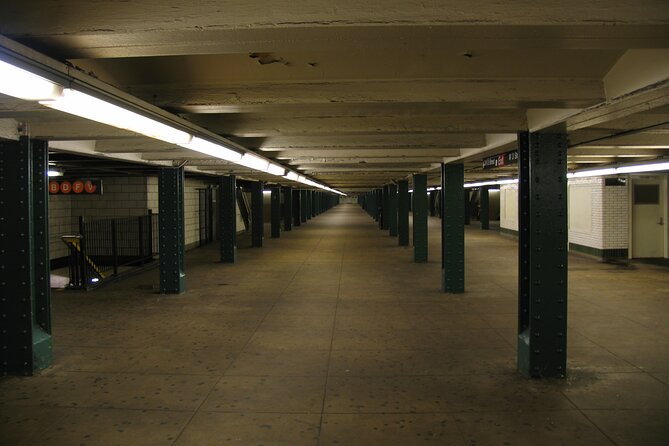
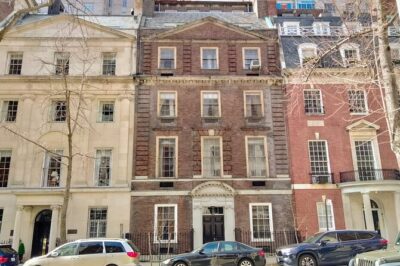
The tour starts in the East Village, at 137 Ave. C. The plan is to hit actual locations connected to notorious murders that took place across the 1960s to the 1990s. Each East Village stop is timed at about 20 minutes, and the idea is the same at both: you pause at a real place, then Eddie builds the case around what happened there and what was going on nearby.
Here’s why that’s valuable. When a story is told only from a screen, you can get lost in names and dates. When you’re standing in the area itself, details snap into place. You start thinking about practical issues like how people moved, where witnesses could have been, and what daily life might have looked like in that neighborhood during that era.
You should also expect the tour to feel story-driven, not “drive-by sightseeing.” A review specifically called out that there’s a lot of standing in one spot while you concentrate to follow the story lines. That can be a plus if you want focus. It can be a minus if you prefer constant motion and quick photo stops.
Greenwich Village finale near Washington Square Park
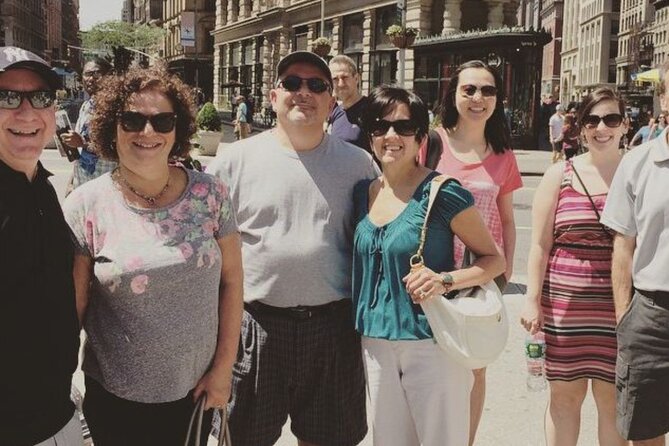
The tour ends in Greenwich Village near 171 MacDougal St, close to Washington Square Park. This third stop is also about 20 minutes, but it lands after you’ve already walked and listened your way through the East Village setting. That sequencing helps you compare how the city’s neighborhoods can feel different while still carrying the same kind of past.
Greenwich Village has a dense layer of history people love to romanticize. What makes this stop work is that Eddie doesn’t treat the area like a postcard. Instead, the cases push you to think about the darker side of the same blocks people stroll for fun today.
If you’re trying to stitch together the “New York changes but doesn’t forget” feeling, this is where it clicks. You’ll leave with a sense that the city’s geography holds clues—not in a supernatural way, but in the plain way that real addresses and real events create real memory.
The lawyer guide factor: why the explanations feel different
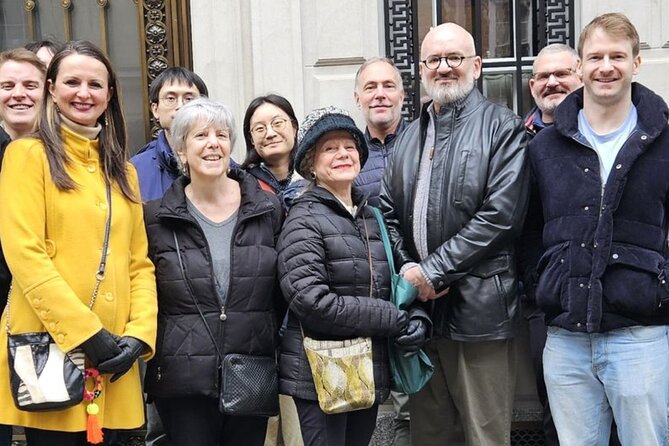
The big differentiator is that this tour is led by a lawyer. You feel that in how Eddie explains motives, timelines, and what kind of questions matter. Several reviews highlight that he answers questions and theories in a conversational style, like you’re chatting with someone who’s done real analysis rather than reading from a script.
This matters because true crime tours can go one of two ways:
- sensational and sloppy
- academic and hard to follow
This one aims for the middle. The legal framing keeps the narrative structured, while Eddie’s delivery keeps it human. One review even mentioned he brought humanity to victims and perpetrators, instead of treating people like cardboard cutouts.
I also like that Eddie uses visuals during the storytelling. At least one review noted that images on an iPad help you visualize the cases. That’s practical. If you’re the kind of person who remembers better when you can “see” what’s being described, those visual aids help a lot.
Research depth: case files and out-of-print books (not just headlines)
You’ll hear that the retellings are well-researched, including details taken from case files and out-of-print books. That’s not a marketing line that matters only to die-hard fans. It affects the experience in small, concrete ways.
When a guide has done that level of work, the story usually has fewer gaps. It doesn’t jump from one dramatic beat to the next without explaining what changed. It also tends to include details you won’t automatically find in the most basic versions of a case.
That’s one of the reasons multiple reviews praised it as fresh even for people who already know a lot about true crime. Eddie focuses on less well-known stories rather than only the cases that dominate every streaming true crime catalog.
If you’re visiting New York hoping to add something different to the usual museum-and-manhattan route, this fits the bill. It gives you a reason to care about the streets beyond architecture and brunch.




Pace, group size, and what it feels like in real time
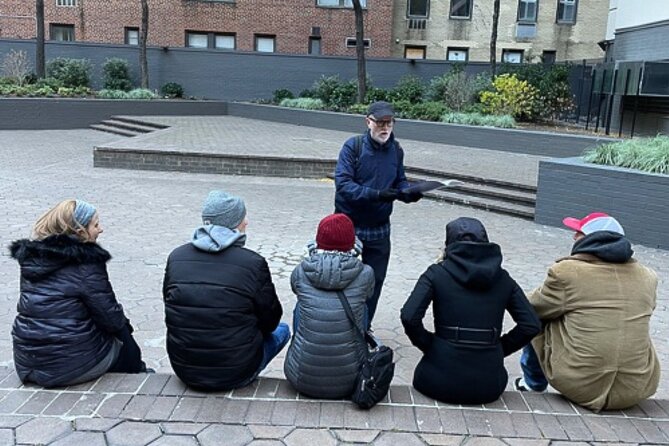
This tour is set up for a maximum of 12 travelers, which is an important detail. Small groups make the guide easier to talk to, and they help keep the tour from feeling like a one-way lecture.
You’ll have about 2 hours total (approx.), and the tour includes three main stops. Each stop is listed at around 20 minutes, so there’s time for storytelling at each location, plus time to move between them.
Reviews describe the experience as more conversational than scripted. Eddie seems happy to entertain questions and theories, which is great if you like to think along as you go. If you prefer a strictly structured narration with no back-and-forth, you might still enjoy it, but know that the tour can lean interactive.
Cost and value: $79.95 for a specialist-led walking tour
At $79.95 per person for about 2 hours, the price is not “impulse cheap.” It’s more like paying for a guided, research-heavy experience.
So where does the value come from?
- You’re paying for a specialist guide (a lawyer) who can explain the case logic, not just summarize events.
- You’re paying for real-site guiding across multiple stops, with story time built into each location.
- You’re paying for depth. The tour isn’t only about what happened; it’s about how to understand what happened.
Also, the tour mentions a mobile ticket, and the stops themselves show admission as free. That usually means you’re not paying separate site fees. You’re paying for interpretation, pacing, and storytelling that connects the city to the cases.
If you’re the type who likes your tours tight, specific, and focused on one theme, this price can feel fair. If you’re looking for a casual “walk and learn two facts” kind of outing, you may find the cost hard to justify.
Weather and where you’ll spend your time
This is an outdoor walking tour, and one review specifically noted the need to concentrate because of a lot of standing in one spot. Another review mentioned doing the tour on a day when it isn’t cold because you’re outdoors and listening.
So I’d plan like this:
- Dress for standing still and listening.
- Bring layers if the temperature drops in the afternoon.
- If rain is in the forecast, treat weather as a real factor. The tour requires good weather, and you may be offered a different date or a refund if the experience gets canceled due to poor conditions.
Who should book this true crime tour (and who might skip it)
Book it if you:
- like true crime documentaries but want the city context
- want less-famous cases and detailed explanations
- enjoy guided conversation and questions
- appreciate a grounded, legal-style approach
You might skip it if you:
- dislike gruesome or upsetting subjects, even when presented thoughtfully
- prefer tours with lots of movement and minimal standing
- want a quick, light snack of entertainment rather than layered storytelling
It also looks like it fits families and couples, based on the range of reviews. Just know that the format is still built around listening and focusing outdoors.
A couple practical tips before you meet up
The start is at 137 Ave. C at 2:00 pm, and the tour ends near Washington Square Park. One negative review mentioned arriving and timing issues around the meeting spot. That doesn’t mean the tour is unreliable, but it does suggest you should treat meeting time seriously.
My advice:
- Arrive a bit early, not on the dot.
- Use your map app to confirm you’re at the exact meeting point before the start time.
- If you’re worried about comfort, plan a snack and water, because you’ll be outside while Eddie tells the cases.
Should you book it? My honest take
If you want a true crime tour that feels researched, grounded, and tied to real addresses, this one is a strong pick. The lawyer-led explanations and Eddie’s focus on less overplayed cases make it more than a repeat of what you can hear at home. You’ll also come away with a clearer picture of the 1960s to 1990s NYC atmosphere, not just the murders.
Still, you have to be in the right mindset. This isn’t a casual stroll with five-minute facts. It’s a listening-forward, stand-and-focus outdoor tour. If that sounds fun to you, book it. If you want nonstop motion or you’re sensitive to dark material, you might prefer a different kind of NYC walking tour.
FAQ
How long is the tour?
It runs for about 2 hours (approx.).
Where does the tour start and where does it end?
It starts at 137 Ave. C, New York, NY 10009 and ends at 171 MacDougal St, New York, NY 10011, near Washington Square Park.
How much does it cost?
The price is $79.95 per person.
What language is the tour offered in?
The tour is offered in English.
How big is the group?
The tour has a maximum of 12 travelers.
Is the tour dependent on weather?
Yes. The experience requires good weather. If it’s canceled due to poor weather, you’ll be offered a different date or a full refund.