REVIEW · NEW YORK CITY
The Psychiatric History of New York: Upper East Side Tour
Book on Viator →Operated by Purefinder New York · Bookable on Viator
Psychiatric history feels real here. This Upper East Side tour strings together major mental-health and medical-story locations you’d usually skip, with a guide who turns streets and buildings into understandable context. I especially like the small-group size (up to 12) and the fact that the stops are the kind of places many locals walk past without ever realizing what they meant.
One thing to consider: the tour’s value depends on your guide’s delivery. If you prefer lots of free-flowing storytelling, know that a guide who leans more on notes can make the pace feel more like reading than talk, even if the topic is fascinating.
In This Review
- Key things I’d plan around
- Psychiatric History in the Upper East Side: Why This Route Works
- Price, Timing, and the Practical Stuff You Actually Need
- Start Point at East 87th: How to Set Up Your Walk
- John Finley Walk: East River Views to Roosevelt and Wards Islands
- Yorkville Glockenspiel at 83rd and York Ave: German Neighborhood Echo
- New York Psychoanalytic Society and Institute (82nd St): What Psychoanalysis Looked Like on Paper
- East 80th St Houses: Neighborhood Reality in the Psychiatric Story
- Hunter College Baker Theatre Building: From Mount Sinai Dispensary to Child Study
- Park Avenue Armory: Big-City Power Meets Mental Health Institutions
- Tillinghast House (East 64th): How Residential Streets Hold Institutional Clues
- Madison Ave at East 62nd (15–17): Putting the Ending in Focus
- What It Feels Like to Walk With a Guide Like Krombe
- How to Make This Tour Work for Your Day (and Your Interests)
- Who Should Book the Psychiatric History of New York Upper East Side Tour?
- Should You Book It or Pass?
- FAQ
- How long is the Upper East Side Psychiatric History tour?
- What is the price per person?
- When does the tour start and where does it begin?
- Where does the tour end?
- How big is the group?
- What language is the tour offered in?
- Is there admission to pay at the stops?
Key things I’d plan around
- Small group, up to 12 people keeps questions possible and the pace comfortable
- Many stops are outside and free to access, so you’re paying for interpretation, not entry fees
- Psychoanalysis and neurological institutions are part of the route, not just generic “history sites”
- East River viewpoints give you a quick break from the idea-heavy subject matter
- Madison Ave and Park Ave architecture lets you see how medicine and money shared real estate
- Mobile ticket and a straightforward 3:00 pm start make it easy to fit into your afternoon
Psychiatric History in the Upper East Side: Why This Route Works
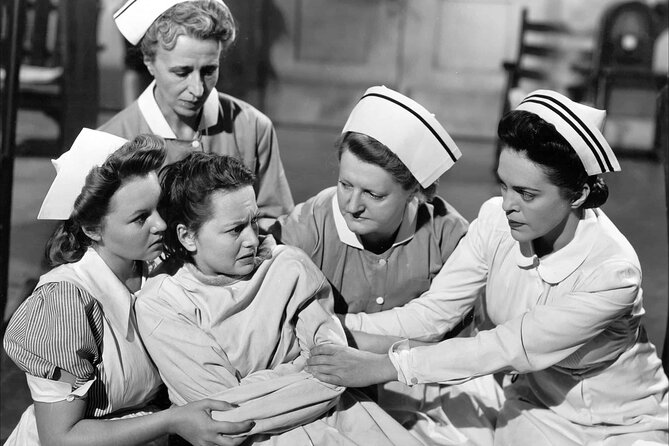
This is not a museum tour. It’s a neighborhood walk where psychiatric history shows up in the details—addresses, institutions, and the kind of New York buildings that helped shape how people treated illness, thought about behavior, and organized care.
The Upper East Side is perfect for this theme because it’s full of history that looks quiet from the sidewalk. When you connect that quiet street-level calm to the institutions that once operated there—psychoanalytic organizations, neurological efforts, child study programs, and more—the whole area clicks into focus. You stop seeing it as just pretty facades and start seeing it as a map of ideas.
I like that the tour doesn’t try to shock you or sensationalize anything. Instead, it nudges you to ask practical questions: Who built these places? Who were they for? How did treatment and research show up in real life, in real neighborhoods? If you care about modern mental health debates, learning where the roots grew is a useful start.
You can also read our reviews of more historical tours in New York City



Price, Timing, and the Practical Stuff You Actually Need
At $40 per person for about 2 hours, this is priced like a focused guided experience, not a long day commitment. The route is scheduled to start at 3:00 pm, and it runs from East 87th Street & East End Avenue to East 62nd Street & Madison Avenue—a simple, end-in-Central-Park-area setup that’s easy to work into an itinerary.
A few practical points matter here:
- Max 12 people means you’re not swallowed by a crowd. You get a chance to ask questions if you want.
- English-language tour keeps the discussion accessible.
- It uses a mobile ticket, so you’re not hunting for paper.
- All the listed stops show admission ticket free, which usually means you’re spending your time outside or at public-facing areas.
- Service animals are allowed, and the tour notes that most people can participate.
- It’s near public transportation, so you can arrive without building a whole travel plan around taxis.
Value-wise, you’re really paying for interpretation: someone stitching together how psychiatric ideas and institutions took shape in New York. If you enjoy guides who connect the dots clearly, $40 for 2 hours in Manhattan can feel like a smart swap for another generic sight-walk.
Start Point at East 87th: How to Set Up Your Walk
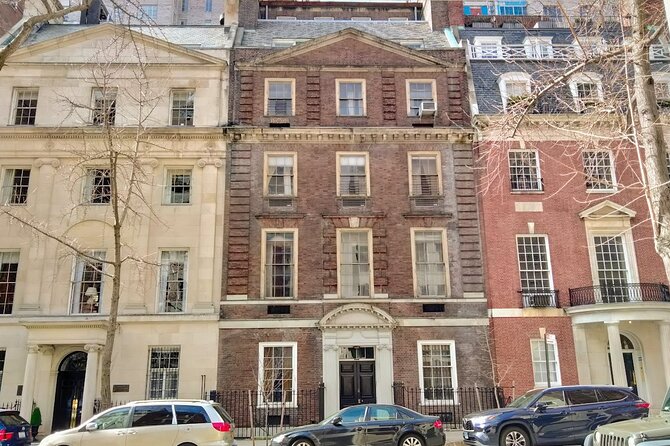
You begin near East 87th Street and East End Avenue, just a few blocks from the southeast corner of Central Park. That matters because it means you can arrive early, get oriented, and then settle into the route without feeling rushed.
This starting location also helps you get the right mindset. You’re stepping into a neighborhood that looks orderly and residential, but the tour’s theme reframes it. You’re watching for institutional clues: the difference between a building that looks “important” and one that was actually built to do a job—care, research, diagnosis, training, or therapy.
One small tip: wear comfortable shoes. The stops are short (often around 12–18 minutes), so you’ll be moving at a steady walking pace while the guide points out the meaning behind each location.
John Finley Walk: East River Views to Roosevelt and Wards Islands
First stop is John Finley Walk, with an East River vantage point where you can see Roosevelt and Wards Islands. This stop is doing more than giving you a scenic break. The guide uses views like this to ground the story in space—how New York’s geography and shoreline shaped access, movement, and the way institutions related to the rest of the city.
It’s also a good warm-up. Before you get into psychoanalytic and neurological organizations, you get a quick change of scene: water, distance, and the feeling of open air compared to the street walls behind you. That keeps the tour from feeling like you’re stuck in “lecture mode.”
If you’re the kind of person who needs a moment to reset between idea-heavy stops, John Finley Walk is a smart first landing.
Yorkville Glockenspiel at 83rd and York Ave: German Neighborhood Echo
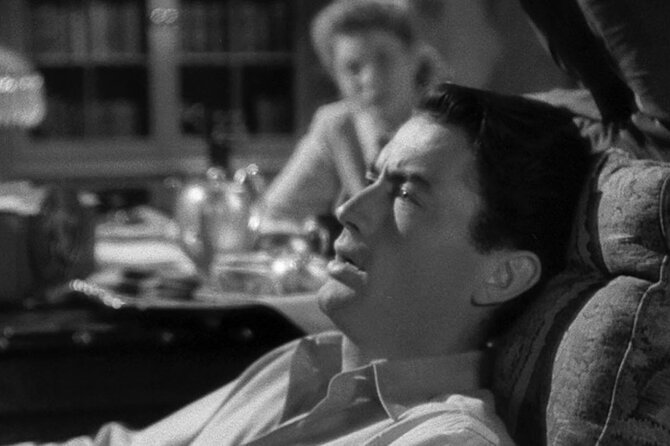
Next you’ll hit the Yorkville Glockenspiel at the southwest corner of 83rd St and York Ave. The big clue here is the mural nod to the German Yorkville neighborhood. That detail signals something important about the tour’s approach: it’s not only about hospitals and institutes; it’s also about communities and culture—how neighborhood identity overlaps with the history of care.
Yorkville’s immigrant roots helped shape the city’s institutions and civic life. When you stand near the Glockenspiel, the guide can connect the dots between who lived here, what they brought, and how medical and mental-health thinking traveled with people and ideas.
This is a good stop for anyone who likes history that includes culture, not just institutions. You’re not only learning dates; you’re learning how the neighborhood became a place where certain kinds of care and organizations could grow.






New York Psychoanalytic Society and Institute (82nd St): What Psychoanalysis Looked Like on Paper
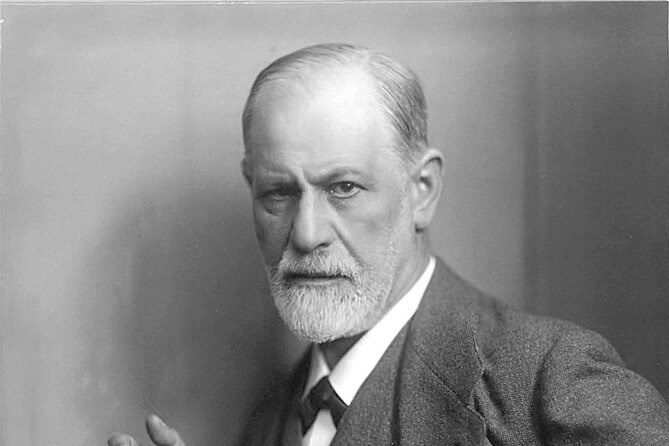
The route then reaches New York Psychoanalytic Society and Institute at 247 East 82nd St. Even if you know nothing about psychoanalysis, the building’s name is a direct hint: this is where the story stops being general and becomes specific.
What I like about this stop is that it takes a term people toss around—psychoanalysis—and points you toward its real-world presence in New York. You’re learning that psychoanalytic work wasn’t just theory in books. It had organizations, addresses, and networks tied to the city.
This is also where asking questions pays off. If you’re curious about how psychoanalytic thinking fit into broader medical care in the same city, bring it up. A small group helps you get an answer instead of feeling like you’re shouting over a crowd.
East 80th St Houses: Neighborhood Reality in the Psychiatric Story
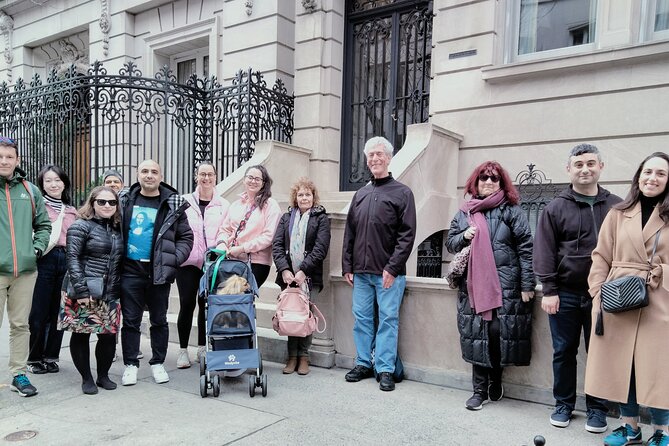
You’ll also stop at East 80th St. Houses (a named location on the walk). While you may not get a straight-up museum label telling you exactly what it meant for psychiatric history, this is the kind of stop where the guide’s job becomes essential: to show you how broader social factors intersected with care.
In other words, this stop can remind you that psychiatric history isn’t only about famous institutes. It’s also about the city’s everyday lived reality—where people lived, how communities were structured, and how public life shaped mental well-being and access to resources.
If you’re expecting an inside look, manage that expectation. This tour format is built for street-level interpretation, not building entry.
Hunter College Baker Theatre Building: From Mount Sinai Dispensary to Child Study
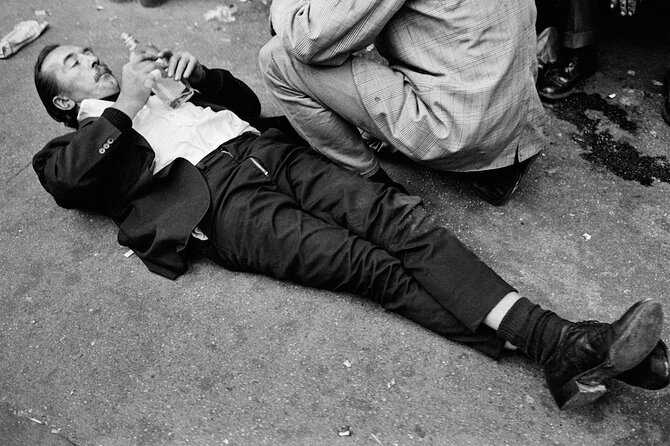
One of the most practical and interesting stops is Hunter College Baker Theatre Building at 149–151 East 67th St. The address comes with a layered set of past roles: formerly the Mount Sinai Dispensary, the Neurological Institute, and the Kennedy Child Study Center.
That list alone tells you this isn’t just one thread. It’s multiple threads connected under one roofline across time—dispensary care, neurological research, and child-focused study. If you care about how mental health overlaps with neurology and early childhood development, this is where the tour feels most grounded.
I also like how this stop bridges medical history categories that people often keep separate. Neurology, clinical care, and child study aren’t isolated topics in New York’s story. They’re part of the same evolution of institutions and how treatment ideas changed over time.
If you want to get value from this tour, this is the kind of place where you’ll leave with more questions than answers. And that’s a good sign. It means the guide gave you enough to continue reading afterward.
Park Avenue Armory: Big-City Power Meets Mental Health Institutions
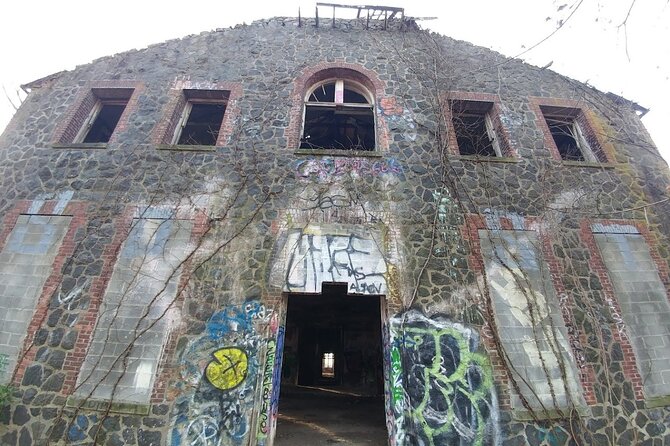
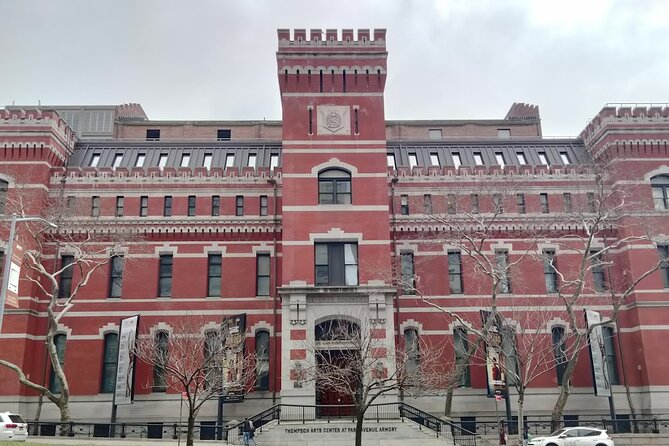
Next comes Park Avenue Armory at 643 Park Avenue. The tour uses this as a dramatic pause in the walk—an opportunity to talk about how New York institutions needed serious presence, resources, and space.
Even without an explicit “psychiatric museum” label at the building itself, the setting matters. You’re looking at a structure that represents civic power and organization. Psychiatric history often depends on organization: funding, buildings, staffing, and public legitimacy. Seeing a major civic site along the route helps you understand why mental-health work wasn’t only about ideas. It was about systems.
This stop also works as a visual reset. After several stops anchored in specific medical organizations, you get a bigger architectural moment that helps you keep the route from feeling too narrow.
Tillinghast House (East 64th): How Residential Streets Hold Institutional Clues
Then you’ll reach Tillinghast House at 26 East 64th St, off Madison Ave. This kind of stop is all about context. Houses and townhouse-scale buildings can look private and unrelated to medicine—until the guide shows you what once happened there or how it fit into broader city patterns.
I like this portion of the walk because it helps you notice the difference between what a building looks like and what it served. The Upper East Side has plenty of places that look like they’ve always been comfortable and quiet. But many of these spots have hosted serious work, and the tour makes you pay attention to that possibility.
If your interest is in how institutions shaped neighborhood life, this is a good stretch.
Madison Ave at East 62nd (15–17): Putting the Ending in Focus
Near the end, the route brings you to 15–17 East 62nd St, off Madison Ave. It’s timed around 18 minutes, which signals that the guide likely uses it to wrap several threads together—how different kinds of care and thinking existed within close walking distance.
After that, you finish at East 62nd Street & Madison Avenue. Ending here keeps you near the Central Park area, which is handy for your next plan: lunch, a museum detour, or just walking it off with one last look back at the streets you just reframed.
What It Feels Like to Walk With a Guide Like Krombe
A strong part of the experience is the guide style. In the feedback you’ll hear names like Krombe (spelled that way in one comment) and an alternative spelling Krumbie in another note. The key theme across the positive feedback is that the guide made the topic feel fun and human, not cold.
You’ll likely get stories that connect psychiatric and medical concepts to the street-level New York you see every day. That matters because psychiatric history can feel abstract if it stays in textbooks. Turning it into walking stories helps your brain store it.
Also, one person specifically appreciated how the tour filled in gaps and led them to read more afterward. That’s a practical takeaway for you: use the tour as a springboard. You’ll leave with names and themes you can follow up on at your own pace.
And yes, there can be variance in delivery. If your guide reads from notes instead of telling stories freely, the pacing might feel less lively. The best way to protect yourself is simple: show up curious, and ask a question early. In a small group, that can help steer the conversation toward what you care about.
How to Make This Tour Work for Your Day (and Your Interests)
This walk is a good choice if you like:
- Institutional history tied to real addresses
- Upper East Side architecture and neighborhood layout
- Mental-health themes connected to neurology and child study
- A guide who can translate big topics into sidewalk-level understanding
It’s also a reasonable pick if you have a personal connection to mental health. One piece of feedback mentioned a family member and bipolar disorder, and the person described feeling glad to be living in the modern era. Even if your interest is purely historical, you’ll likely find the discussion relatable in how it frames treatment as an evolving city effort.
A few practical tips:
- Bring water. It’s a 2-hour walk, and Manhattan afternoons can be dry.
- Wear shoes you trust for standing. Each stop has a short time window, so you’ll likely be on your feet.
- If you care about a specific theme—psychoanalysis, neurology, child study—ask for it when the guide sets up the first medical stop.
Who Should Book the Psychiatric History of New York Upper East Side Tour?
Book it if you want a guided Upper East Side experience that’s not just photo stops. You’re trading generic sightseeing for a structured route through places tied to psychoanalysis, neurological institutions, and how mental-health ideas took physical form in Manhattan.
This is a particularly good fit for:
- People who enjoy history with a purpose
- Anyone interested in how medical thinking changed across time in New York
- Readers who like learning enough to go search for more afterward
- Small-group fans who prefer conversation over crowd logistics
Skip it if you want a heavy museum style tour, or if you expect lots of inside access. This format is built for street-level viewing and storytelling.
Should You Book It or Pass?
I’d book this if you like walking tours that connect real places to real ideas. The route is focused, the timing is friendly (about 2 hours at 3:00 pm), and the price feels reasonable for a guided experience with a maximum group size of 12.
Your biggest risk is not the subject—it’s the delivery. If you know you strongly prefer lots of narrative storytelling, and you’re unlucky with guide style, the tour may feel more structured than you hoped. But if you show up with questions and stay open-minded, this walk can leave you with a new mental map of the Upper East Side.
If you’re curious about psychiatric history in New York City and you want it in plain language on actual sidewalks, this is the kind of tour that’s easy to recommend.
FAQ
How long is the Upper East Side Psychiatric History tour?
It lasts about 2 hours.
What is the price per person?
The tour costs $40.00 per person.
When does the tour start and where does it begin?
It starts at 3:00 pm and begins at East 87th Street & East End Avenue.
Where does the tour end?
The tour ends at East 62nd Street & Madison Avenue.
How big is the group?
The tour has a maximum of 12 travelers.
What language is the tour offered in?
It’s offered in English.
Is there admission to pay at the stops?
The listed stops show admission ticket free.