REVIEW · NEW YORK CITY
Guided tour of Lower East Side, Chinatown and Little Italy in French
Book on Viator →Operated by Voyage en français · Bookable on Viator
Three neighborhoods, one clear story.
What I like most about this walk is that it’s led by a professional French guide who explains how these Manhattan blocks grew into the city we see today, with clear facts and small, memorable anecdotes (I’ve seen names like Fred, Marc, Marie, and Aymeric linked to this experience). You also get a satisfying 3.5-hour pace that doesn’t feel like you’re sprinting from stop to stop.
The other big win for me is the range of what you’ll cover: Lower East Side street life and art, Chinatown’s everyday shop streets and parks, then Little Italy around Mulberry Street. One drawback to plan around: snacks aren’t included, so if you’re doing this right after lunch, you’ll want to bring water and think about a follow-up bite at the end.
In This Review
- Key Highlights You’ll Actually Feel on the Street
- Lower East Side: From Film-Era Myth to Real Immigrant Life
- Chinatown: Different Codes, Everyday Shops, and Columbus Park’s Calm
- Little Italy and Mulberry Street: Still Shrunk, Still Identity-Strong
- The 2:30 pm Timing and the 3.5-Hour Rhythm
- Price and Value: Why $63.86 Can Make Sense for This Topic
- Meeting Point, Getting There, and What to Bring
- What the Guides Are Known For (And Why That Matters)
- Should You Book This French Tour?
- FAQ
- What language is the guide?
- How long is the tour?
- How much does it cost?
- Where does the tour start and end?
- What time does the tour begin?
- How big is the group?
- Do I get a mobile ticket?
- Are snacks included?
- Is the tour dependent on weather?
- Is there free cancellation?
- Is this tour suitable for most people?
Key Highlights You’ll Actually Feel on the Street
- Small group size (max 12) keeps the tour from turning into background noise.
- French-speaking guidance with on-the-ground neighborhood context, not just textbook names.
- Lower East Side storytelling connects films and real immigrant-era themes (Mafia and Prohibition show up in the framing).
- Chinatown’s Columbus Park is included, with local habits like xianqui chess and tai chi practice mentioned as part of the vibe.
- Little Italy on Mulberry Street lands you right where the Italian community history still shows up, including San Gennaro festivities.
Lower East Side: From Film-Era Myth to Real Immigrant Life
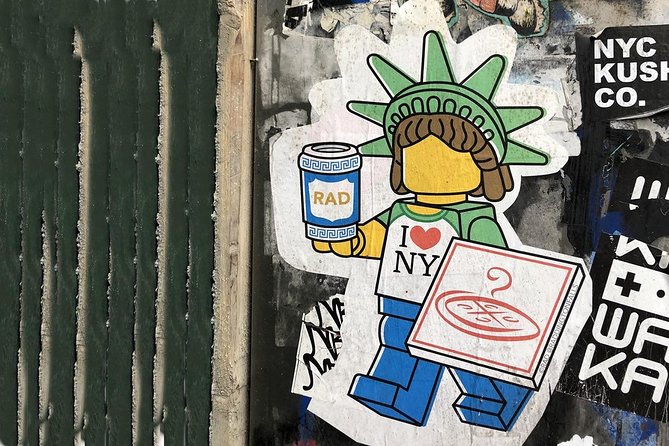
This tour starts on the Lower East Side, and it sets expectations fast. You’re not just walking pretty streets. You’re walking the part of Manhattan that helped feed famous movie stories—Gangs of New York and Once Upon a Time in America are part of the tour’s framing—then you connect those stories to the real-world forces behind them.
What I like here is the mix of big themes and street-level reality. The guide ties in immigration, urban pressure, and the push-and-pull of neighborhoods learning to live together. You’ll also hear how the area became associated with Mafia and Prohibition, not as random trivia, but as part of why certain neighborhoods earned reputations in the first place.
A practical note: the Lower East Side today is also an art and food spot. The tour talks about street art and the newer wave of galleries, which means you’re not stuck only in the past. If you’re the kind of traveler who likes to understand why a neighborhood feels the way it does now, this stop does that work.
Potential drawback: because you’re walking with a narrative focus, you might want to slow down on your own after the tour ends. If you’re the type who hates extra “explanation time,” wear comfy shoes and keep an eye out for side streets you’ll want to revisit.
You can also read our reviews of more guided tours in New York City



Chinatown: Different Codes, Everyday Shops, and Columbus Park’s Calm
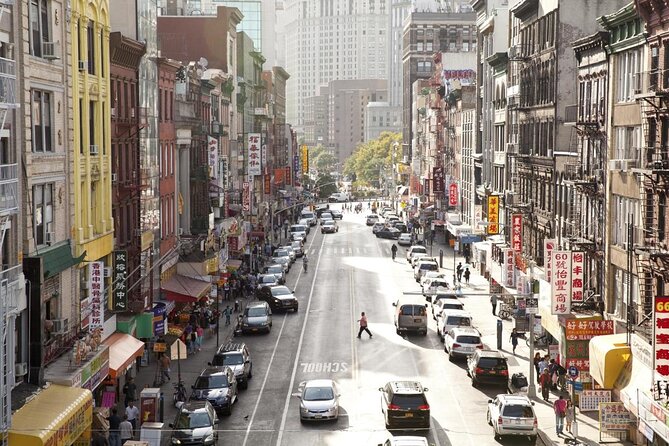
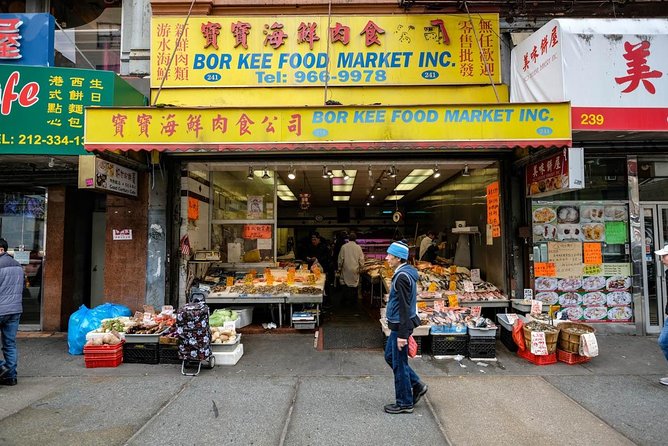
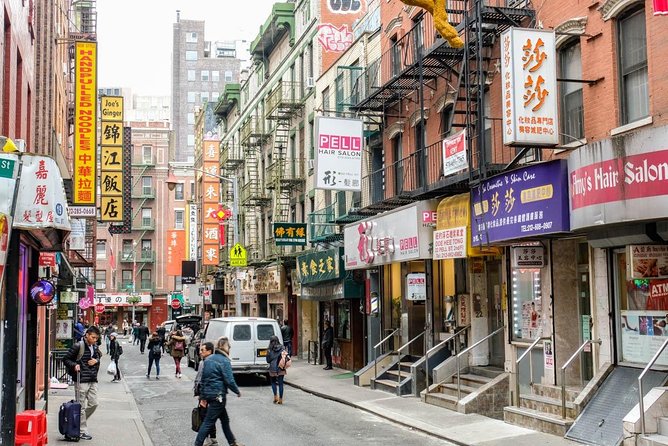
Next comes Chinatown, and the tone shifts in a useful way. The tour doesn’t treat Chinatown like a single image. It frames it as a place with its own rhythm—different codes, different routines, and a lot of small businesses tucked into the streets.
You’ll see shopfront life that’s described in concrete terms, like early commerce and fishmongers, plus the smaller workshop-style spaces that keep neighborhood work going. This is one of those areas where it’s easy to “walk through” and miss how the district actually functions. A guide helps you notice patterns instead of just scenery.
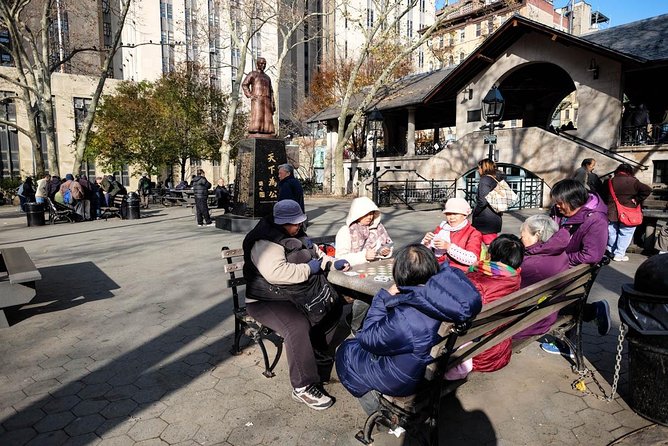
Then there’s Columbus Park, which is called out as part of the story in a smart way. The tour references it as the former site of Five Points, and you get a sense of how the location’s role changed over time. What makes this stop feel fresh is what happens there today: locals go to wander, play xianqui (Chinese chess), and practice tai chi chuan. That little mix—history + lived-in present—turns a park stop into a meaning-packed pause.
One thing to keep in mind: Chinatown can be busy around shop hours, so the walking pace matters. The tour’s small-group size (max 12) helps, because you’re less likely to get shoved along the edges while everyone is trying to read the same storefronts.
Little Italy and Mulberry Street: Still Shrunk, Still Identity-Strong
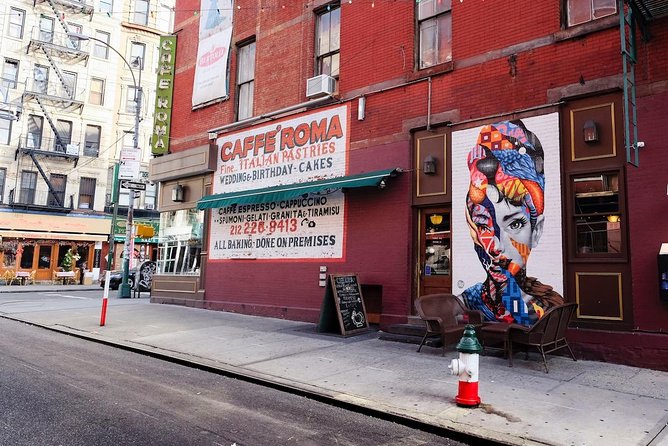
Finally, you end in Little Italy, with a focus on what’s left and what still matters. The tour points out that its surface area has shrunk, but the identity hasn’t disappeared. That’s a key idea I’d take with me into your own exploring: neighborhoods evolve, and the “center” can move, but cultural roots often stay visible in food, street names, and community events.
The centerpiece is Mulberry Street, described as home to many restaurants and delis. You’ll feel the Italian branding in the colors and atmosphere, but the tour also anchors it in the historic Italian community. If you want a place where you can grab a simple bite right after the walk, this ending point is very well chosen.
A standout detail included in the tour is San Gennaro, the big yearly festivities. Even if you’re not there during the event itself, the mention helps you understand why Mulberry Street still feels like a named destination, not just a tourist lane.
Potential drawback: if you’re expecting Little Italy to feel like a large, self-contained theme park, you might find it more compact than you imagined. That’s not bad; it’s just different. The guide’s framing helps you see it as a living neighborhood rather than a set.
The 2:30 pm Timing and the 3.5-Hour Rhythm
This walk runs about 3 hours 30 minutes, starting at 2:30 pm. That’s a great time window for two reasons. First, it’s late enough that you’ve got the morning mostly free. Second, it often lands you in the evening mood without dragging into late night traffic.
The itinerary flow also makes sense. You start on the Lower East Side, then move eastward toward Chinatown, then finish at 176 Mulberry St. That “three blocks that make sense together” structure helps your brain build connections. By the end, the districts feel like chapters in the same city story instead of separate tourist stops.
If you’re planning your day, I’d treat this tour as your guided orientation. Then you can go off-script afterward—especially in food-friendly areas like the Lower East Side and around Mulberry Street.
Practical pacing tip: since snacks aren’t included, plan your energy. Bring water. If you’re the kind of person who gets hangry faster than you admit, consider having a light meal before the meeting point on East Houston Street.
Price and Value: Why $63.86 Can Make Sense for This Topic
At $63.86 per person, this tour isn’t the cheapest walk in town. But it does offer value in the places that matter most: tight time use, language, and expert guiding.
Here’s how I think about the price:
- You’re paying for interpretation, not just movement. The story links immigrant roots, urban change, crime-era references, and present-day neighborhood behavior.
- The tour runs about 3.5 hours, and it’s focused on three districts, so you’re using your afternoon efficiently.
- The group is capped at 12, so your guide can keep the pace human.
- It’s French-guided, which is a real advantage if that’s the language you want while you’re asking questions and absorbing details.
One more value point: a mobile ticket makes it simple to show up without a paper scramble. Keep your phone charged, and you’re good.
If you’re on a tight budget, you can still compare alternatives. But if you want context and you value listening in your own language, the cost feels justified.




Meeting Point, Getting There, and What to Bring
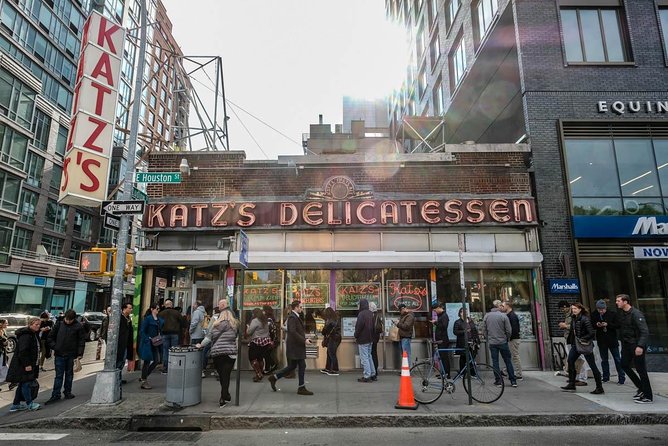
Meeting point is East Houston Street (E Houston St, New York, NY), and the tour wraps at 176 Mulberry St. It’s also listed as near public transportation, which matters in NYC. You won’t feel trapped if you misjudge subway timing.
What to bring:
- Comfy shoes. You’ll be walking through dense neighborhood blocks.
- Water. Since snacks aren’t included, hydration helps you stay present during explanations.
- Your phone for the mobile ticket.
- If the weather looks questionable, keep an eye on updates, since good weather is required for the experience to run.
Service animals are allowed, and most travelers can participate—so it’s generally approachable if you can do a normal city-walking afternoon.
What the Guides Are Known For (And Why That Matters)
The quality of a guided neighborhood tour comes down to the human at the front. In the feedback tied to this experience, the common thread is strong guiding style: precise information, good rhythm, and small anecdotes that keep attention from drifting.
I’ve also seen several guide names come up—Fred, Marc, Marie, and Aymeric—and the consistent praise around them suggests this isn’t a scripted march. You’re more likely to get explanations that connect dots: why Prohibition and organized crime show up in the neighborhood narrative, why Columbus Park is more than a park stop, and why Mulberry Street still carries community meaning.
That’s what you’re paying for. Not just where to stand. How to see.
Should You Book This French Tour?
I’d book it if you want a guided French-speaking neighborhood walk that explains how Lower East Side, Chinatown, and Little Italy fit together. It’s especially good for you if you like turning streets into stories—immigration, crime-era themes, cultural practice, and what shows up on the ground today.
I might skip it if:
- you only want quick photo stops with zero explanation,
- you need snacks built into the program, or
- you’re traveling during weather that’s likely to derail an outdoor walk.
If your goal is to understand Manhattan beyond the obvious postcards, this one is a smart use of time. Three districts, one clear narrative arc, and a finish right where you can keep exploring on foot.
FAQ
What language is the guide?
The tour is guided in French by a professional guide.
How long is the tour?
It runs for about 3 hours 30 minutes.
How much does it cost?
The price is $63.86 per person.
Where does the tour start and end?
It starts at E Houston St, New York, NY and ends at 176 Mulberry St, New York, NY 10013.
What time does the tour begin?
The start time is 2:30 pm.
How big is the group?
The maximum group size is 12 travelers.
Do I get a mobile ticket?
Yes, the tour uses a mobile ticket.
Are snacks included?
No, snacks aren’t included.
Is the tour dependent on weather?
Yes. Good weather is required, and if it’s canceled due to poor weather you’ll be offered another date or a full refund.
Is there free cancellation?
Yes. You can cancel up to 24 hours in advance for a full refund.
Is this tour suitable for most people?
It says most travelers can participate.