REVIEW · NEW YORK CITY
Harlem Sunday Morning Gospel Tour
Book on Viator →Operated by Harlem Spirituals - New York Visions · Bookable on Viator
Sunday morning in Harlem hits different. This Harlem gospel tour uses a coach to connect big-name music landmarks like the Apollo Theater with the neighborhood backstreets, then lands you in a live Sunday church service. I love how the guide turns the drive and the walking into a clear story of Black American music and community—from the Apollo Theater era through Sugar Hill and Hamilton Heights. I also love the energy in the church: congregational singing, a rousing sermon, and a gospel choir that actually sounds like it belongs there. One possible drawback: you may find the gospel portion varies in feel and size, so it’s smart to treat this as a genuine church service, not a guaranteed huge show like the ads.
The tour is built for getting your bearings fast. Meet at 690 8th Ave at 9:00am, ride north comfortably, and count on short walks (about 15 minutes on average) instead of long slogs. Guides such as Alvin and Peggy have been praised for storytelling and pacing, while some groups also get a mix of French and English from the guide, which can be great—or slightly distracting—depending on what you want.
In This Review
- Key things that make this tour worth your Sunday
- Harlem on a Sunday morning: what you’re really buying for $85
- Times Square meetup to Harlem by coach: fast routing, less fatigue
- The Apollo Theater stop: more than a photo op
- The Harlem Renaissance to Washington-era history: what the bus + stops teach
- The walking sections: get street-level texture without overdoing it
- Sunday morning gospel service: what it feels like in real life
- Soul food brunch upgrade: what you get, and what to watch for
- Practical notes that matter on the ground
- Dress code
- What to bring
- Food timing
- Language
- Group size and vibe
- Who this tour fits best (and who should reconsider)
- Should you book it?
Key things that make this tour worth your Sunday
- Sunday timing: the neighborhood is at full swing on a day when Harlem really breathes through church music and community life.
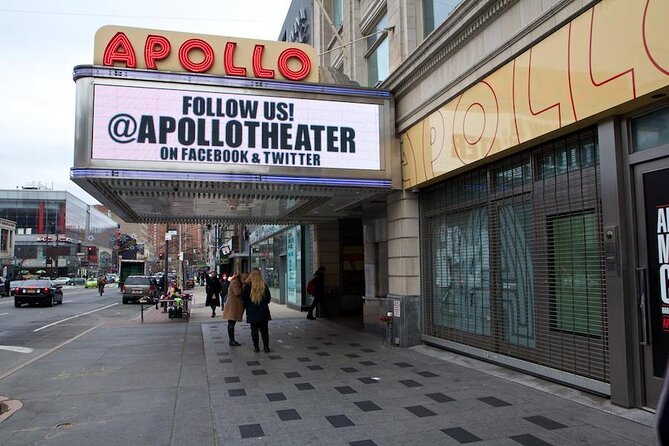
- Apollo Theater stop with quick context: you see the symbol of the Harlem Renaissance and understand why it mattered before you move on.
- Real service experience: you join the congregation for singing and preaching, not a museum-style performance.
- Short, guided walking bits: you get on-the-ground texture without losing half your morning.
- Optional soul food brunch: if you upgrade, you’re steered toward classic Southern-inspired dishes like fried chicken, ribs, collard greens, and cornbread.
- Up to 80 people: it’s not a tiny group, but it stays manageable with coach + structured stops.
Harlem on a Sunday morning: what you’re really buying for $85
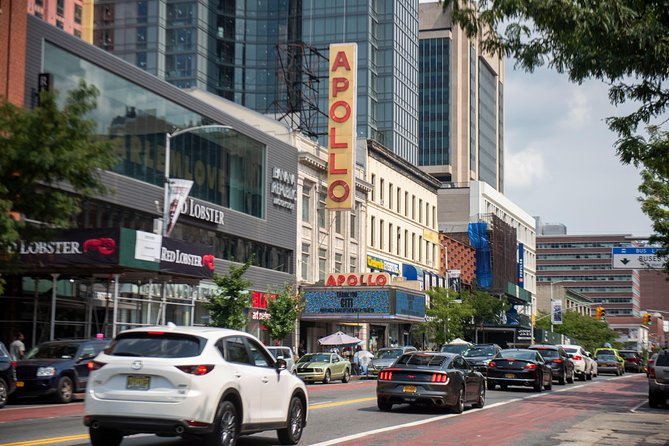
At about 4 hours for $85 per person, you’re paying for three things working together: transportation, context, and access. The coach saves time. The guide prevents you from wandering without purpose. And the church stop is the one part most people can’t easily arrange on their own.
The big idea here is simple: instead of doing Harlem as a collection of random landmarks, this tour schedules your music history and your church experience in the same morning. That matters, because gospel isn’t just something to watch—it’s a living part of Sunday life, tied to community rhythm, preaching, and song.
You also get a walking component in residential sections, which helps the day feel grounded. Several visitors note the tour gives a “real understanding” of how Harlem has changed, not just what’s famous. And if you’re pairing this with another NYC day tour, the timing can be a neat fit: morning goes culture and church, and the rest of your day stays free.
You can also read our reviews of more tours and experiences in New York City


Times Square meetup to Harlem by coach: fast routing, less fatigue
This tour starts at 690 8th Ave in Times Square at 9:00am, and it returns to the same meeting point at the end. That out-and-back format is practical. You don’t have to build transit routes while you’re figuring out what to see.
Once you’re on the bus, you cover a lot without burning daylight. The drive north typically includes music and cultural landmarks such as the Apollo Theater area, the Cotton Club (notorious, influential, and part of the story you’ll learn), and the legacy connections around Duke Ellington plus neighborhoods like Sugar Hill and Hamilton Heights. You’re getting the “where and why” while you’re moving.
Pace-wise, plan for a mix of ride time and short stops. The walking segments tend to average around 15 minutes, which makes this doable even if you’re not a big walker. One reason people like the format: you still see a lot, but you’re not spending your whole morning on your feet.
The Apollo Theater stop: more than a photo op
The first major named stop is the Apollo Theater, tied directly to the Harlem Renaissance of the 1920s. Even if you mostly treat it as an exterior moment, it’s a smart place to ground your day. The guide’s job here is to connect the legend to the people and the performance culture that grew around it.
The stop is listed at about 20 minutes, and admission is noted as free. That’s great, but here’s the practical consideration: access can vary depending on what’s happening that morning. Some people have expected more interior access and came away thinking it was more of a quick look than a full theater visit.
Still, even a short stop works if you’ve heard the context first. It’s like visiting the setting of a story and finally understanding what made it matter.
The Harlem Renaissance to Washington-era history: what the bus + stops teach
After Apollo, you move through a sequence of stops designed to show Harlem as layered, not one-note.
Here are the kinds of stops you can expect:
- A Washington-era site: the tour includes a “Manhattan’s oldest house” reference tied to George Washington as a command post. In practice, this usually means you’ll get a quick look and a guide explanation before moving on.
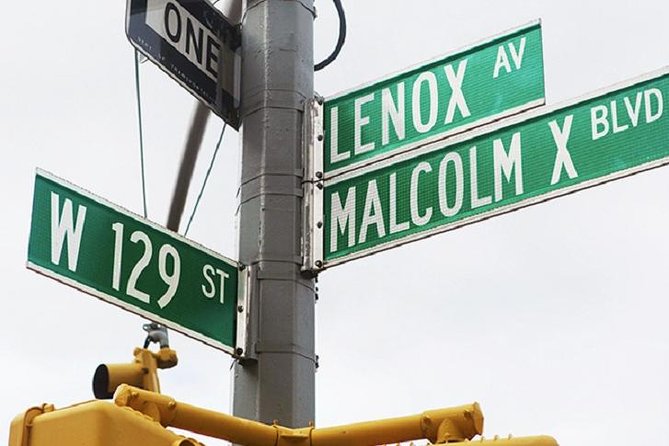
- Harlem street grid storytelling: you pass the stretch around W. 138th and W. 139th Streets, between Adam Clayton Powell Jr. Blvd. and Frederick Douglass Blvd. This is where scale and street geography help you understand the neighborhood’s role as a corridor of culture.
- The Cotton Club area: a “world famous nightclub and restaurant” stop ties the bigger entertainment industry story to Harlem, with the guide filling in what came before and what it influenced afterward.
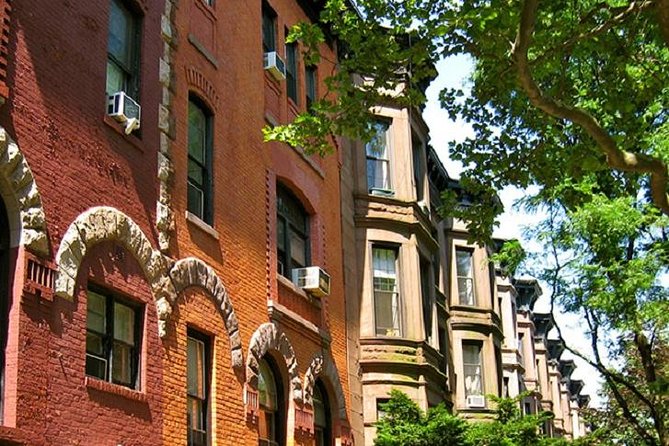
- A cobblestone street of 19th-century rowhouses: you’ll get a visual break from big avenues and learn how older housing fabric still shapes the feel of certain blocks.
I like this approach because it prevents the “checklist” trap. You’re not just doing stops—you’re learning how Harlem’s music culture, politics, and street life all connect.
And because you’re traveling as a group, you’re more likely to notice details: block names, the way streets curve, and why certain corners became performance points.
The walking sections: get street-level texture without overdoing it
You’ll also walk through residential sections. The tour notes an average walk time around 15 minutes, which helps keep the day steady.
That walking time has two benefits:
- You see Harlem’s housing and street character up close, not just from the bus window.
- The guide can point out context in a way that’s hard to do while traffic is moving.
A small but important tip: Harlem weather can flip fast in comfort. One person recommended bringing a fan for heat and a sweater in case church or indoor spaces run cool. If you’re someone who gets cold easily, bring a light layer. If you’re heat-sensitive, bring a small fan or something similar.
Also, remember there’s a no shorts and no tank tops rule for the church experience. If you’re thinking of wearing workout clothes, plan an outfit that covers appropriately.





Sunday morning gospel service: what it feels like in real life
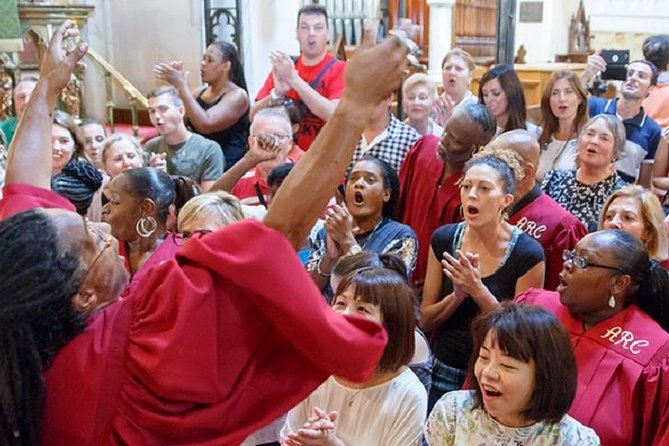
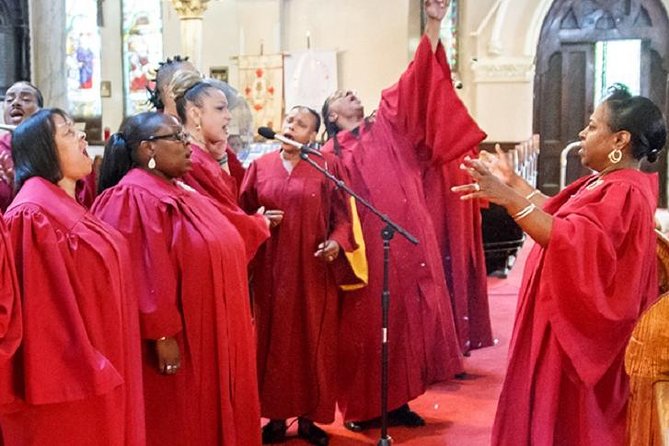
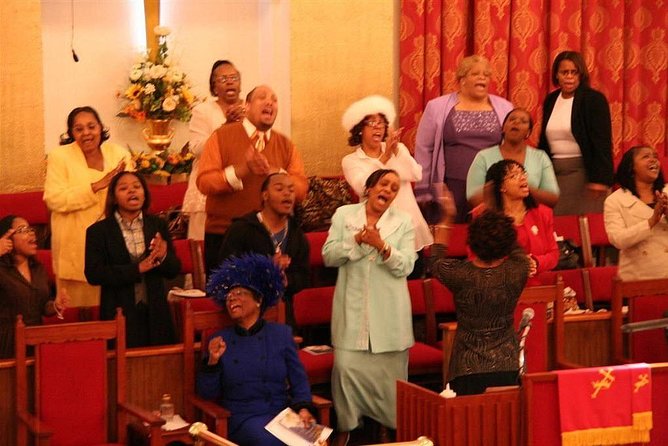
This is the heart of the tour. You’ll be taken to a local church and join the congregation for a traditional Sunday service. The day typically includes:
- a sermon
- soulful vocals from a live gospel choir
- the “call and response” style energy you can feel in the room
A key practical point: the listing notes that church services may be held in the Bronx while the tour still follows the Harlem itinerary. So don’t assume every stop stays strictly inside Harlem boundaries. The experience is still the gospel service goal.
How to set expectations:
- This is not a scripted stage show. It’s a church service. That can mean the choir size and the length of the singing portion feel different from what some photos lead you to imagine.
- Sound and volume can vary. Some people found the service too loud or the sound system not great. Others loved the energy and felt truly welcomed.
The best-case scenario sounds like this: you walk in as a visitor and leave thinking you were treated like part of the moment. Multiple guides have been praised for handling the group politely and keeping things respectful, so the visit stays focused on worship, not tourism.
If you’re going hoping for a giant choir performance, temper that idea. You’ll still likely get something powerful, but it will feel like church—because it is.
Soul food brunch upgrade: what you get, and what to watch for
If you choose the brunch option when booking, you’ll get Sunday brunch at a local Harlem restaurant. The tour frames it as soul food: classic Southern-inspired dishes such as fried chicken, spicy ribs, buttery cornbread, collard greens, and macaroni and cheese.
This upgrade can be great if you want the day to end with comfort food that matches the gospel theme. It’s also a good way to avoid hunting for lunch right after the service.
Still, be aware: brunch experiences can vary in quality and overall fit. Some people reported disappointment with the brunch setup—thin on atmosphere or just not what they expected. If food is a big priority for you, go in ready to treat this as a bonus, not the main event. And if you don’t pick the upgrade, the tour doesn’t include meals, so you’ll want your own snack plan.
Practical notes that matter on the ground
Dress code
This tour has a firm clothing rule for the church. Shorts and tank tops aren’t allowed, and the provider can refuse entry for improper dress with no refund. Plan your outfit for church comfort first, sightseeing second.
What to bring
Bring practical stuff. People recommend:
- water (you’ll be moving and waiting)
- a small snack if you think you’ll get hungry between 9am and early afternoon
- a light layer (church can run different temperatures than the street)
- a fan if you run warm
Food timing
If you did not upgrade for brunch, there are no meal stops built into the tour. The day is structured around transport, stops, and the church service.
Language
The tour is offered in English, but some groups have had guides alternate between French and English. If you prefer one language the whole time, it’s worth knowing this possibility so it doesn’t throw you off.
Group size and vibe
The tour caps at 80 people. That’s large enough for logistics to be easy, but small enough that the guide can still keep a handle on the group pace.
Who this tour fits best (and who should reconsider)
This tour is a strong choice if:
- you want Harlem history tied directly to music
- you’re excited to hear gospel in a real church setting
- you like a structured morning that uses a coach so you can see more without overplanning
- you want a guided alternative to trying to figure out a Sunday church visit on your own
It might be less ideal if:
- you expect a huge choir show on a timed stage schedule
- you need long free time at each stop (the stops are short by design)
- you’re very sensitive to loud sound systems in indoor spaces
It’s also not the best match for anyone who refuses the dress code. The outfit rule is real, and it affects whether you can participate.
Should you book it?
I’d book the Harlem Sunday Morning Gospel Tour if your goal is a guided, respectful way to experience Sunday gospel and connect it to music landmarks like the Apollo. The price is reasonable for what you get: coach transport, multiple Harlem stops, short walking time, and a church service you can’t easily replicate without local help.
Just go in with two smart expectations: the gospel service is church-first, and the exact feel (choir size, volume, length) can differ from the idea you might have from photos. If you’re open-minded and dressed correctly, it’s the kind of morning that makes Harlem feel personal fast.