REVIEW · NEW YORK CITY
Artistic, Alternative Greenwich Village Walking Tour
Book on Viator →Operated by ExperienceFirst · Bookable on Viator
Greenwich Village tells stories on every block. This guided walk strings together art-and-music storytelling with real street corners, from Edgar Allan Poe’s era to Bob Dylan and Jimi Hendrix’s small-club years, plus gay-rights origin stories. I especially like how you get local, in-the-moment context from guides such as Angela Sharp and Steve, and how the tour doesn’t just point at landmarks—it explains why they mattered. One possible drawback: if your schedule is tight, give yourself a time buffer since start-time delays can happen.
You’ll walk about 2–3 miles at a moderate pace in a group capped at 20. It runs rain or shine, so you’ll want comfortable shoes and a jacket you’ll actually wear.
At $39 for roughly two hours, this is solid value if you care about culture, music, and architecture more than checking boxes. You also get a mobile ticket and English narration, which makes it easy to show up and get moving fast.
In This Review
- Key takeaways before you go
- Why this Village walk hits harder than a typical stroll
- Price and time: what $39 buys you in the real world
- Meeting at 6th Avenue and Waverly Place: get your bearings fast
- Stop 1: Greenwich Village streets and the 200+ years story arc
- Architecture you can read as history
- The art, music, and politics thread: Poe to Dylan to Hendrix
- A personal bonus: guides with specific strengths
- TV locations and the Friends apartment angle
- Stop 2: Washington Square Park audio time on top of a forgotten cemetery
- The walking pace and what to wear
- Who the pace tends to suit
- Group size: why 20 people matters for a “story tour”
- Value check: when this tour is worth it
- Price and logistics: the one thing I’d watch
- Who should book (and who might choose something else)
- Should you book this Artistic, Alternative Greenwich Village Walking Tour?
- FAQ
- How long is the Artistic, Alternative Greenwich Village Walking Tour?
- Where does the tour start and end?
- How much walking is involved?
- Is the tour wheelchair accessible?
- Do I need to worry about rain?
- What language is the tour offered in?
- What’s the group size limit?
Key takeaways before you go
- Gay-rights movement origins are treated as neighborhood history, not an afterthought.
- Pop culture sightings fit the real geography, including a famous Friends apartment angle.
- You’re walking 200+ years of change, from bohemian counterculture to what’s still here now.
- Washington Square Park gets a short audio-style stop built atop a forgotten cemetery.
- Guides vary in style, but the common thread is energy and specific local details—including restaurant and bar ideas.
Why this Village walk hits harder than a typical stroll
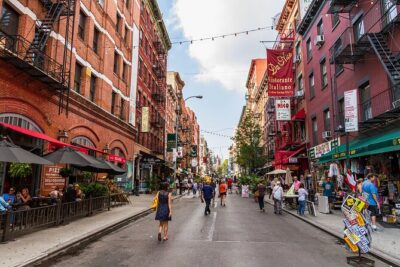
Greenwich Village is one of those parts of New York where the past isn’t behind glass. It’s in the street plan, in the brownstone rhythm, in the way small blocks connect music, politics, and art without much warning. This tour leans into that. Instead of asking you to memorize facts, it gives you story threads—artists, movements, and cultural shifts—and then shows you where those threads ran through everyday life.
I like that it mixes famous names (Poe, Dylan, Hendrix) with the “how did that happen here?” part. You’ll hear about counterculture thinkers and the Beat movement, plus how parts of the gay rights movement formed and grew locally. That angle helps you read the neighborhood differently once you’re out there.
And for a practical reason: it’s only about two hours. You get direction and pacing, without ending your day exhausted or spending the whole afternoon in lines.
You can also read our reviews of more walking tours in New York City



Price and time: what $39 buys you in the real world
The ticket price is $39 per person for about 2 hours. That may sound like a lot until you compare it to the value of a good local guide plus structured time. You’re not paying for a museum ticket. You’re paying for:
- A guided route that keeps you from zig-zagging randomly
- Context that turns pretty buildings into meaningful stories
- A cap of up to 20 people, which usually means you’re not swallowed by a huge crowd
Booking tends to happen around 16 days in advance on average, so if you want a specific day, it’s smart to reserve earlier rather than later. Also, with a start time of 1:30 pm, it fits well after a morning of museums or a late brunch—without forcing you to rush all day.
Meeting at 6th Avenue and Waverly Place: get your bearings fast
The tour starts at 375A 6th Ave, New York, NY 10014, near 6th Avenue and Waverly Place, with a 1:30 pm start. It ends near Village Cigars (110 7th Ave S) at the intersection around Christopher Street and 7th Avenue.
This matters because it anchors you in the right starting mindset. You’re not starting deep in Midtown where Village history feels far away. You’re starting right where the neighborhood’s character is strongest, and the early stories set you up to understand what you’ll see next.
One small planning note: tours are usually easier when you arrive a bit early. Even with that, start-time hiccups can occur, so if you have dinner reservations or another timed activity right after, give yourself breathing room.
Stop 1: Greenwich Village streets and the 200+ years story arc
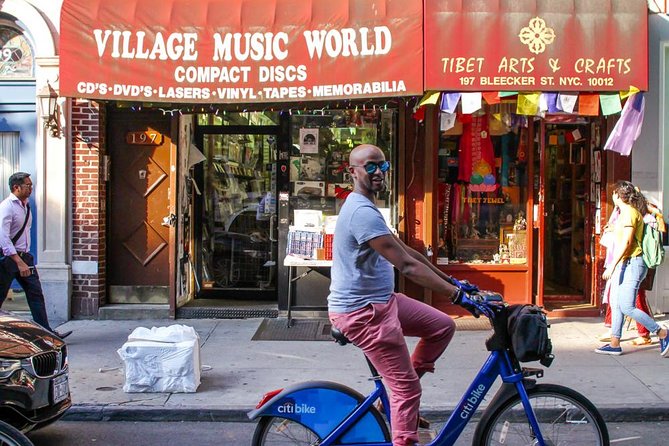
The first big block is an exploration of Greenwich Village with an expert guide. You’ll cover more than 200 years of neighborhood history and spend time looking at:
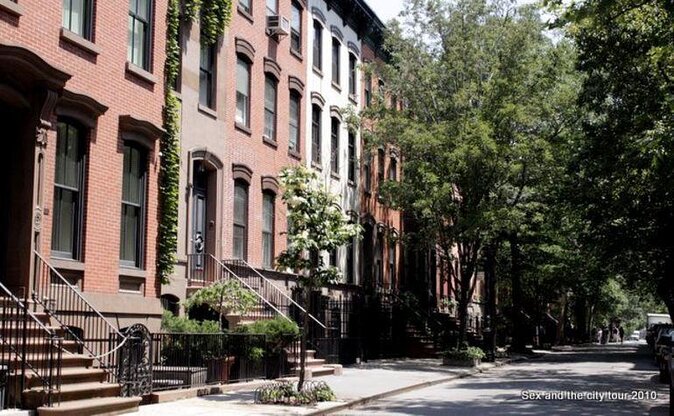
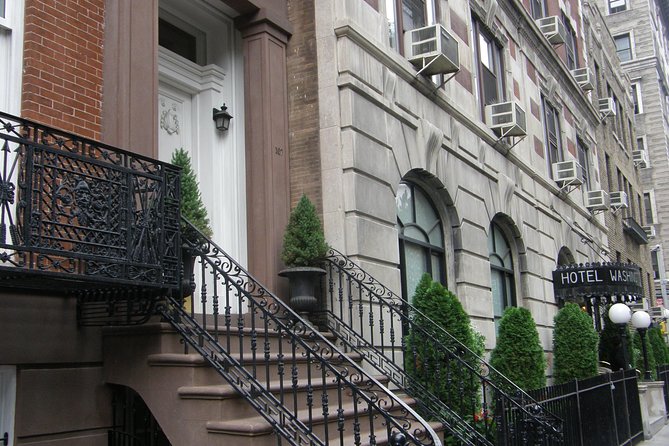
- Historic brownstone buildings
- The small bars and restaurant culture that helped shape nightlife
- The kind of places where creative work and protest could happen close together
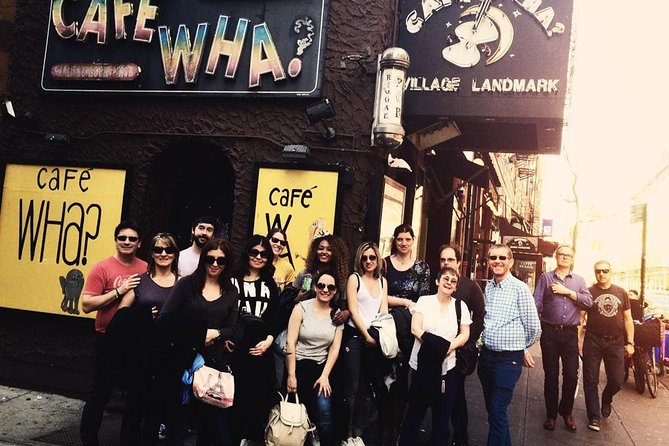
What makes this stop work is the way the guide connects people to place. The tour is built around named eras and figures—Edgar Allan Poe lived and wrote in the neighborhood. Dylan Thomas has a grim legend tied to the area (the tour’s framing includes the story of him drinking himself to death here). You’ll also hear about radical thinkers John Reed and Upton Sinclair and how their ideas fueled counterculture movements.
This is also where you start building the “Village logic.” You’ll hear how the area became a haven for bohemians and a birthplace of the Beat movement. That’s useful even if you already know the big book names, because you’ll learn the local conditions behind the work.
Architecture you can read as history
The tour doesn’t just mention buildings. It helps you notice what’s different about Village streetscapes compared to other Manhattan areas. In practice, that means you’ll look at fronts and stoops like they’re part of the story. You’ll also get a better sense of how neighborhood layout supports creativity and community—because small places let people find each other.





The art, music, and politics thread: Poe to Dylan to Hendrix
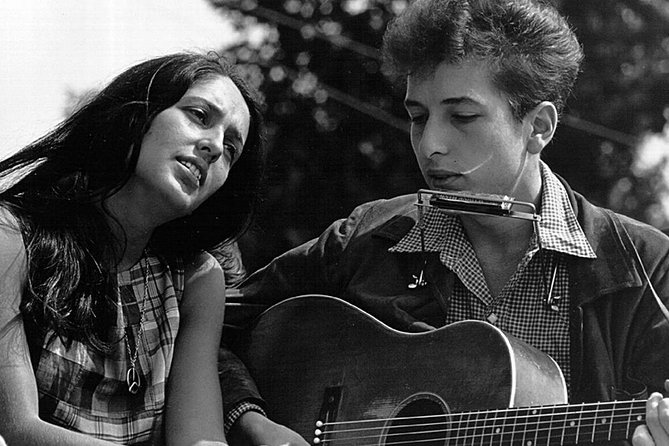
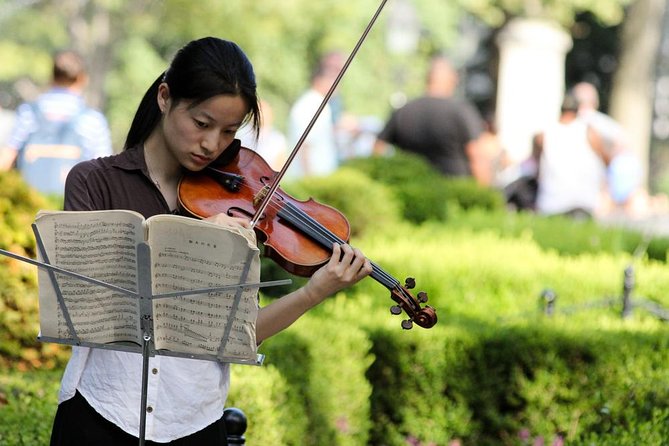
A central promise of this walk is that you’ll hear how the Village shaped artists and musicians. The tour includes pop-culture and music highlights tied to real geography, including Bob Dylan and Jimi Hendrix playing in small clubs and creating some of their best music in this part of town.
Even if you don’t consider yourself a music buff, it helps to understand that great art often comes from specific communities, not just genius. This tour keeps bringing you back to that point: the Village’s scene formed because people with ideas could gather, experiment, and push back.
On the politics side, you’ll also hear about elements of the gay rights movement that were born here. That piece is important because it shifts the tour from “cool old stories” to real social change happening in ordinary streets.
A personal bonus: guides with specific strengths
In the real world, guided tours can be hit-or-miss depending on who’s leading. Here, the guide experience seems to vary by person, but the best ones have a consistent skill: they know how to connect the dots without turning the walk into a lecture.
You’ll see names like Angela Sharp, Steve, Rob, and Dave attached to high satisfaction. The themes from those guides that stand out include:
- Strong enthusiasm and pacing
- Specific local insight rather than generic city facts
- Extra attention to group needs, including breaks
- Practical recs for where to eat or drink after the tour
One guide also uses photo materials (a binder) to add context. Another kind of follow-up shows up too: written recommendations sent after the walk, which can be handy once you’re figuring out dinner and evening plans.
TV locations and the Friends apartment angle
Greenwich Village is part of New York’s filmed imagination, and this tour includes famous TV locations. One of the explicitly mentioned sights is the apartment from Friends.
Even if you’re not obsessed with the show, this is a smart addition because it adds another layer to the “why this area?” question. Filmmakers pick real neighborhoods for specific reasons—character, lighting, street texture, and story potential. Seeing a TV reference through a historical lens makes the neighborhood feel more grounded.
Just keep expectations realistic: you’re walking, so the TV stops are about seeing the exterior context and hearing the story behind it, not taking a photo shoot marathon.
Stop 2: Washington Square Park audio time on top of a forgotten cemetery
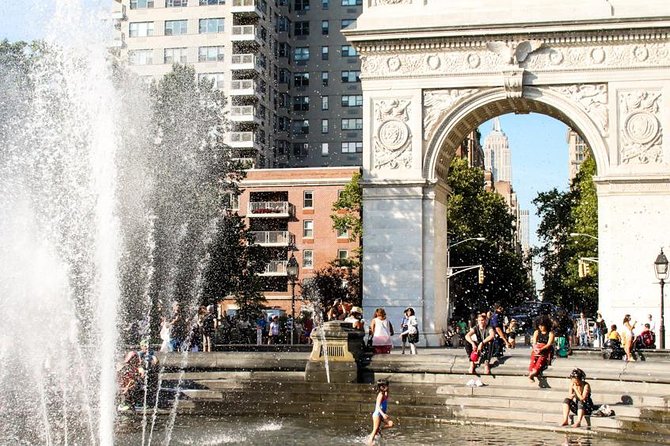
The walk finishes around Washington Square Park. Before the tour ends near Village Cigars, you get an audio-style stop that focuses on the park itself.
This is a great moment to slow down for two reasons:
- Washington Square Park is a breather after a long stretch of streets.
- The park’s origin story is heavy in a useful way: it was built atop a forgotten cemetery.
That kind of detail changes how you experience the space. It’s not only where people meet today. It’s also where older layers of the city have been covered over, and the tour helps you notice that shift.
Depending on the guide, you might get extra local references around the square. One example that shows up in guide style is pointing out well-known park landmarks such as Johnny Chess, which gives you something fun to look for while you rest your feet.
The walking pace and what to wear
You’ll cover about 2–3 miles at a moderate pace. That’s long enough to feel like you’ve done something real, but not so intense that you need marathon shoes.
This tour runs in all weather conditions, so plan for rain or cold. The guidance is to check the forecast and dress appropriately. If it’s winter, bring layers. If it’s summer, seek shade when you can and drink water before you feel thirsty.
Who the pace tends to suit
This is a good fit if you can handle continuous walking for two hours and you like learning by moving. It’s also described as stroller and wheelchair accessible, which is a plus for mixed groups.
Group size: why 20 people matters for a “story tour”
The group maximum is 20. That’s not tiny, but it’s also not so large that the guide becomes a megaphone at the front.
Smaller groups help because you can:
- Hear the guide’s stories clearly
- Stop briefly without the whole line getting tangled
- Have the guide respond if your group has questions
In reviews, guides like Angela Sharp and Dave are praised for being attentive to group needs. That lines up with what you’d hope a capped group can support: fewer people, more attention.
Value check: when this tour is worth it
You should strongly consider booking if you want:
- A focused Village orientation that goes past obvious sights
- Stories tied to named figures (Poe, Dylan Thomas, Reed and Sinclair, Bob Dylan, Jimi Hendrix)
- A blend of art, music, architecture, and social movements (including gay-rights origins)
- A guided route that helps you understand how the neighborhood changed over time, including pressures like gentrification
You’ll also like it if you’re the kind of traveler who enjoys walking tours that feel like a conversation instead of a textbook.
Price and logistics: the one thing I’d watch
The main reason to pause isn’t the content. It’s timing. While many tours likely run smoothly, there has been at least one reported case of a guide being late, and a cancellation request being handled without a refund when it happened close to start time.
So here’s my practical advice: if your itinerary is tight, schedule something flexible after the tour, and avoid booking a hard-to-move plan immediately at the finish.
Who should book (and who might choose something else)
This is a great match for:
- First-time New York visitors who want the Village’s creative side
- Repeat visitors who feel like they’ve seen the big attractions but not the neighborhood’s deeper angles
- People traveling with teens or family who can handle 2–3 miles without complaint
- Anyone who likes history when it’s delivered through people and places, not just dates
It might be less ideal if:
- You want a quiet, self-paced walk. This is guided and story-driven.
- You’re trying to squeeze the walk between back-to-back timed reservations with no buffer.
Should you book this Artistic, Alternative Greenwich Village Walking Tour?
If you want Greenwich Village in story form—art, music, politics, and architecture linked together—this tour is a good bet. The price is reasonable for a two-hour guided route, and the structure supports learning without turning your day into a full-day commitment.
I’d book it if you’re excited by the idea of walking from Poe-era references to Dylan and Hendrix club stories, then finishing at Washington Square Park with an audio-style pause that includes the cemetery-over-city reality. Add in a guide who can bring the present into the past, and you’ll leave with a clearer picture of how this neighborhood became what it is.
If you hate any risk around timing, or you’re traveling with a very strict schedule, give yourself slack after the walk and keep your plans flexible. With that small caution, it’s an enjoyable way to see the Village like a local story—not like a checklist.
FAQ
How long is the Artistic, Alternative Greenwich Village Walking Tour?
It’s about 2 hours.
Where does the tour start and end?
The tour starts at 375A 6th Ave, New York, NY 10014, and ends near Village Cigars at 110 7th Ave S, New York, NY 10014.
How much walking is involved?
There’s a moderate amount of walking, about 2–3 miles.
Is the tour wheelchair accessible?
Yes. It’s accessible for strollers and wheelchairs.
Do I need to worry about rain?
No. The tour runs in all weather conditions. In extreme cases, you may be offered a chance to reschedule or receive a full refund.
What language is the tour offered in?
The tour is offered in English.
What’s the group size limit?
The maximum group size is 20 travelers.