REVIEW · NEW YORK CITY
Lower Manhattan Tour: The Remnants of Dutch New Amsterdam!
Book on Viator →Operated by Untapped New York · Bookable on Viator
Dutch New Amsterdam is still written in street corners. This 3.5-hour Lower Manhattan walk brings the early days of New York to life with a licensed NYC guide and ear pieces so you catch every story, even in busy spots. I especially like the small group size (max 10) because the pace feels calm and questions are welcome, and I like how the route threads “old town” moments into today’s financial skyline. The main drawback is simple: it’s a walking tour in lower Manhattan, so cold wind or heat can affect comfort.
If you want a fast, clear way to understand where New York came from, this is a smart match. The tour also has a strong reputation, with a 4.9 rating and 98% recommendation, and guides like Mandy, Richard, and Gabbie are known for storytelling that makes landmarks click into place. Go with your walking shoes and a curious mind, and you’ll leave with a way to read the city you pass every day.
In This Review
- Key points worth knowing before you go
- Why Lower Manhattan still carries Dutch New Amsterdam clues
- Value check: $39 for a guided, ear-piece supported walk
- Small group touring from Bowling Green, max 10 people
- National Museum of the American Indian as a thoughtful launch
- Bowling Green: where the Dutch imprint gets a name
- NY Stock Exchange, Fearless Girl, and the story of money
- Stone Street and Wall Street: spotting old street bones in a modern grid
- Lower Manhattan’s big picture: the harbor that shaped New York
- Who should book this Dutch New Amsterdam walk (and who might skip it)
- Should you book Remnants of Dutch New Amsterdam?
- FAQ
- How long is the Lower Manhattan Remnants of Dutch New Amsterdam tour?
- Where does the tour start and end?
- What time does the tour begin?
- How many people are in a group?
- Are admissions included for the stops?
- Is the tour available in English?
- Are service animals allowed and is cancellation free?
Key points worth knowing before you go

- Small-group pace (max 10) keeps the walk relaxed and interactive
- Ear pieces for everyone mean no guessing what the guide said near traffic and crowds
- Start at Bowling Green and end right back there, so you’re not stranded halfway across the Financial District
- Dutch New Amsterdam context turns familiar landmarks into a clearer origin story
- Photo stops are brief but focused, including a pass by Fearless Girl facing the NYSE and a final look at the Charging Bull
- The harbor theme matters for how the city grew from the waterfront out into Lower Manhattan
Why Lower Manhattan still carries Dutch New Amsterdam clues
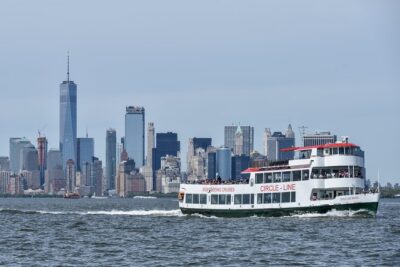
Lower Manhattan can look like one giant “then and now” collage. What makes this tour special is that it doesn’t treat the Dutch period like trivia. It shows you how early choices, street patterns, and the waterfront role of the harbor helped shape what grew into modern New York.
You’re also walking in the right geography. The route stays south of Wall Street, where the city’s earliest European footprint and later commercial power overlap. That’s how you get the best effect: history that you can point at, not just read about.
If you like cities you can actually navigate mentally, this tour helps you get your bearings fast. You’ll start seeing Lower Manhattan as a set of decisions—who controlled what, why it mattered, and what survived in the streets.
You can also read our reviews of more tours and experiences in New York City.



Value check: $39 for a guided, ear-piece supported walk

At $39 per person for about 3 hours 30 minutes, this is priced like a practical orientation. The value comes from what’s included: a guided walking tour with a licensed NYC tour guide and ear pieces so everyone hears the commentary clearly.
That matters more than people expect. In downtown, you’re constantly dealing with street noise, other pedestrians, and the sheer speed of modern life. With ear pieces, you’re not forced to “lean in” all the time. You can actually look around and follow the story without constantly losing audio.
Also, admissions are listed as free at the stops. That helps keep the tour from turning into a budget surprise. You’re paying mainly for the guide and the walking route that strings the lessons together.
The price isn’t trying to cover a museum day. Instead, you get a tight “how New York began” circuit that uses landmark proximity as the teaching tool.
Small group touring from Bowling Green, max 10 people
This runs with a maximum of 10 travelers, which is a big deal for a history walk. With smaller groups, you spend less time waiting and more time actually listening. You’re also more likely to get a direct answer when you ask a question, instead of the guide replying to the first person in line and moving on.
The tour also provides a mobile ticket and runs in English. It starts at 2:00 pm and ends back at the meeting point in Bowling Green, which keeps the logistics clean. If you like tours that don’t require a complicated reroute, this format is comfortable.
One thing to plan for: some stops are intentionally short. You’ll see the highlights quickly—enough to understand the point—then you move on before the group gets worn out. If you want long museum-style stops, you might prefer pairing this with a separate daytime visit later.
National Museum of the American Indian as a thoughtful launch
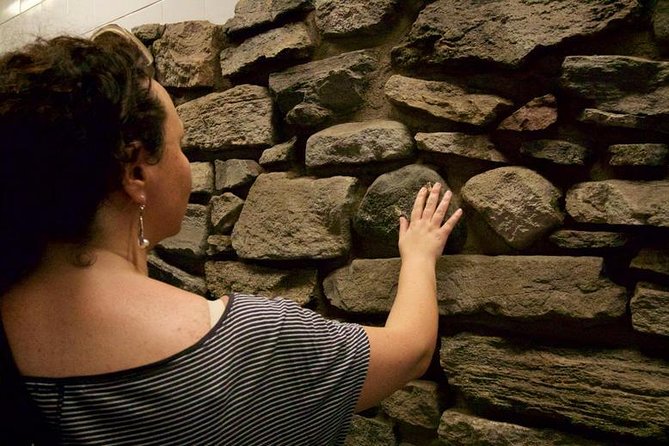
The tour begins at the National Museum of the American Indian. Starting there is an interesting choice because it sets a broader lens for “origins.” Before you get into Dutch New Amsterdam, you’re in a place that reminds you New York didn’t start as a European project.
In practical terms, it also gives you a solid head-start on context. The first stop is listed as about 15 minutes, and it’s a good warm-up: enough time to settle in, then you step outside and start reading the city as you go.
If you’re the type of traveler who likes understanding the full timeline—who was here first and how later arrivals changed the story—this opening works.
Bowling Green: where the Dutch imprint gets a name
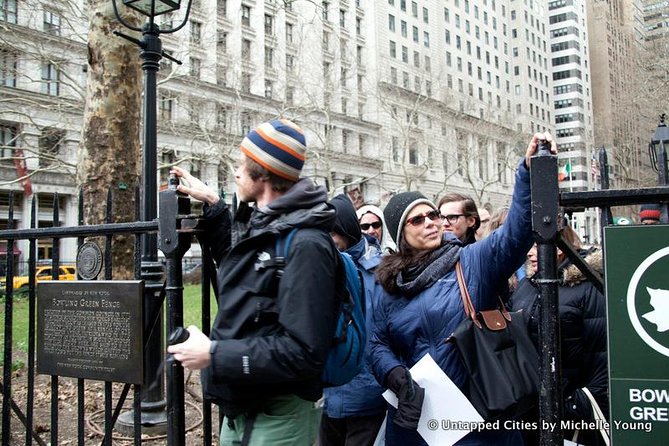
From the first minutes, the tour leans into Dutch impact through Bowling Green. This stop is about 15 minutes and focuses on how Bowling Green got its name and why it mattered to the Dutch.
Why does that matter? Because naming is history with fingerprints. When a place name carries meaning from a specific group, it hints at what they valued and what daily life looked like back then. The guide’s job is to connect the name to the larger pattern of settlement and control.
Bowling Green also functions as a natural anchor for the route. It’s a central starting point, and from here you can feel the shift from early civic space toward later commercial and financial dominance.
If you’re traveling with kids or family, this is a strong mid-tour “aha” moment. It’s concrete: you’re standing in a real place while learning how the Dutch presence became part of the city’s identity.





NY Stock Exchange, Fearless Girl, and the story of money
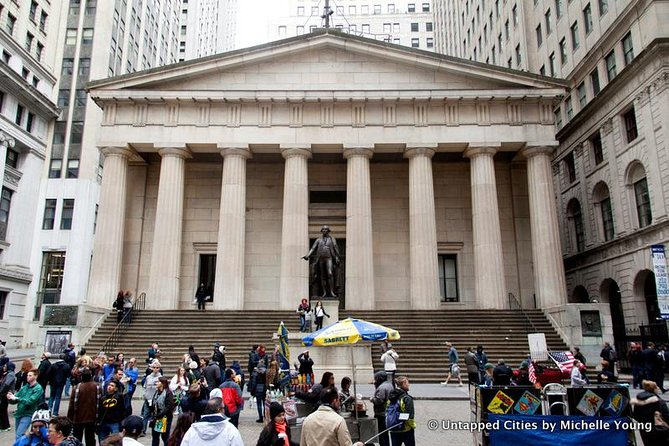
Next up is the New York Stock Exchange area, with a short stop of about 5 minutes. That brevity is intentional. This is a pass-and-explain moment—enough time to connect today’s iconic finance symbol with the earlier growth of commerce in the city.
As you move through the area, the tour includes walking by Fearless Girl, positioned facing the New York Stock Exchange. You’ll also end with a look at the famous bull later in the walk.
The real value here isn’t the photo itself. It’s the way the guide uses these symbols to talk about how New York became a money magnet—and how the city’s early geography and harbor access helped feed the commercial ecosystem.
A possible consideration: if you were hoping for time inside the NYSE, this isn’t that kind of stop. The focus stays on exterior storytelling and landmark connections, and you’ll move on quickly.
Stone Street and Wall Street: spotting old street bones in a modern grid
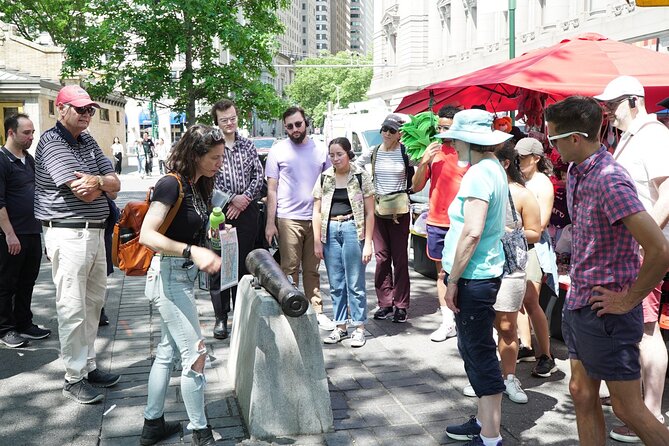
Stone Street is one of the tour’s best “time travel” settings. It’s listed at about 15 minutes, and the whole point is stepping back in time inside the Financial District. Even if you’ve walked past Stone Street before, this kind of guided context changes what you notice: not just the look of the street, but why the location mattered and how the city evolved around it.
From there, the tour moves to Wall Street and explores a mix of on-street and nearby details for about 15 minutes. The guide is looking for connections you’d normally miss if you were just scanning for famous buildings.
What to expect at this stage: you’re in the busiest part of downtown, so the pace can feel fast on your legs. The ear pieces help you keep the learning going without constantly repeating yourself in your head.
If you like history explained through physical place—corners, street alignments, and landmarks that survived—this section tends to be a highlight. It’s also where the guides you hear about most often shine, including Mandy, Richard, and Gabbie, who are praised for turning ordinary blocks into a story you can actually track.
Lower Manhattan’s big picture: the harbor that shaped New York
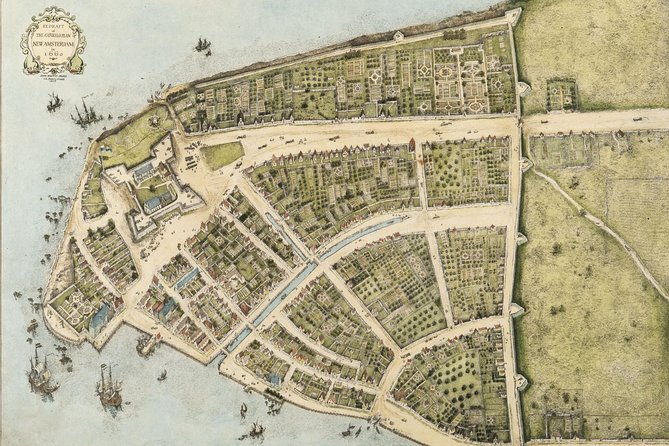
After the more “landmark-heavy” stops, the tour shifts into a longer stretch that ties the whole story together. There’s about an hour covering Lower Manhattan, followed by about another hour focused on how New York became New York, including the role of the harbor in development.
This is where the Dutch New Amsterdam theme earns its keep. The harbor wasn’t just scenery. It was a working advantage—trade access, shipping routes, and the practical reality of how goods and people moved. When you understand the harbor role, you stop seeing the waterfront as a background detail. You start seeing it as a driver.
This longer section is also where you get the broader narrative that many people feel they miss on their own. You might read about the Dutch period, but without a guide linking it to the modern map, it can stay stuck in your notes instead of landing in your brain.
If you want the tour to change how you walk back out afterward, this is the part that does it. The city starts to feel less random and more like it was built for specific reasons.
Who should book this Dutch New Amsterdam walk (and who might skip it)
I’d book this if you want:
- a clear introduction to New York’s founding story with Dutch New Amsterdam emphasis
- a calm, small-group walk (max 10) rather than a sprint through downtown
- ear-piece audio so you can actually enjoy the street-level storytelling
- a practical way to understand landmarks like Stone Street, the NYSE area, Fearless Girl, and the Charging Bull
You might skip it if you:
- want a long stop at major sites or a museum-style experience
- dislike walking in crowds, even with a relaxed group pace
- only care about modern architecture and would rather do a purely contemporary architecture tour
For anyone who’s read history books and wants the streets to match the page—like travelers who mentioned enjoying Russell Shorto’s work—this type of route tends to click because it translates ideas into places.
Should you book Remnants of Dutch New Amsterdam?
Yes, if you want a short, high-impact way to understand where New York’s story starts, and you like learning by walking. The strongest reasons to book are the combo of small group size, licensed guide, and ear pieces that make the experience easier to follow in a noisy part of town.
I’d especially recommend it to first-timers in NYC who feel overwhelmed by Lower Manhattan’s size. This tour gives you a framework: not just facts, but a way to connect the Dutch period to what you see today.
And if you’re already a repeat NYC visitor, it’s still worth it. Lower Manhattan changes every year, but the “why it grew” logic doesn’t disappear. This walk helps you spot how old decisions echo in modern landmarks.
FAQ
How long is the Lower Manhattan Remnants of Dutch New Amsterdam tour?
It runs for about 3 hours 30 minutes.
Where does the tour start and end?
It starts at Bowling Green, New York, NY 10004, and it ends back at the meeting point.
What time does the tour begin?
The start time listed is 2:00 pm.
How many people are in a group?
The maximum group size is 10 travelers.
Are admissions included for the stops?
Admission is listed as free for the stops included on the route.
Is the tour available in English?
Yes, the tour is offered in English.
Are service animals allowed and is cancellation free?
Service animals are allowed. Free cancellation is available up to 24 hours before the experience start time for a full refund.