REVIEW · NEW YORK CITY
Semi-Private Greenwich Village Walking Tour
Book on Viator →Operated by Top Dog Tours Inc. · Bookable on Viator
Greenwich Village tells stories on every corner. This 2-hour semi-private walk starts at the Waverly Diner and threads Poe’s house to Stonewall Inn, with stops that explain how this neighborhood shaped social change.
I love the small-group pace and the chance to ask questions as you walk. I also love how the guide ties famous addresses to real turning points, from the Triangle Shirtwaist Factory fire at NYU to the clubs and cafes where Dylan, Hendrix, and Springsteen got early stage time.
One possible drawback: it’s a decent amount of walking, so you’ll want comfy shoes and a willingness to move at city speed—especially if it’s crowded outside.
In This Review
- Key highlights
- Starting at Waverly Diner: the fastest way to get your bearings
- Poe, Washington Square, and the Village’s mix of fame and politics
- The Triangle Shirtwaist stop: turning building details into real-world lessons
- Down McDougal Street: where early icons tested their sound
- Comedy Cellar area: current-famous rooms with deep roots
- The Friends Apartment Building moment: pop culture, handled lightly
- Stonewall Inn and the courthouse-turned-library stop: activism you can point to
- Ending at Hess Triangle: where your afternoon can keep going
- Price and time: why $39 feels fair for a 2-hour, guided walk
- Weather, pace, and the practical stuff that keeps the day smooth
- Who should book this Greenwich Village walk (and who might skip)
- Should you book this tour?
- FAQ
- Where does the tour start and what time does it begin?
- Where does the tour end?
- How long is the Greenwich Village walking tour?
- What is included in the price?
- Is food or drinks included?
- What landmarks does the tour cover?
- Is the tour affected by weather?
- Can children join?
Key highlights
- Max 20 travelers, guided the whole way: You get a true walking-tour feel instead of being swallowed by a big crowd.
- Stonewall and gay rights context: You don’t just see the Stonewall Inn—you learn what happened and why it mattered.
- Triangle Shirtwaist Fire connection at NYU: The Brown Building stop gives labor-rights and workplace-safety context to the buildings you’re looking at.
- Washington Square Park with real street energy: You’re in the area where musicians, performers, and protestors keep showing up.
- Pop-culture stops that still feel local: The walk mixes landmarks like the Edgar Allan Poe house with places tied to comedy and early celebrity gigs.
- Guide personality that shows up in the storytelling: Many guides bring an animated, theatrical style that keeps the facts moving.
Starting at Waverly Diner: the fastest way to get your bearings
Most walking tours give you a list. This one gives you a sense of direction—literally and historically. Your morning kicks off at the Waverly Diner on the corner of 6th Avenue and Waverly Place. It’s a practical choice: easy to find, easy to meet at, and close to the kind of streets you’ll be exploring for the next couple of hours.
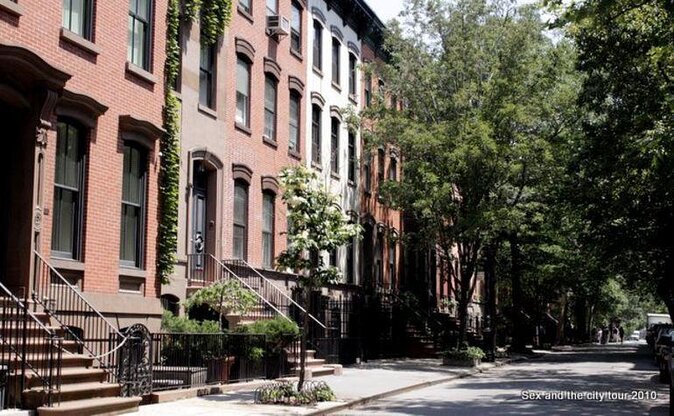
The big win here is how the guide frames the neighborhood right away. Greenwich Village can look like a maze of charming blocks and old facades, but the stories give shape to the grid. You’ll hear how the Village developed over time and why these streets became magnets for artists, activists, and anyone who wanted to try something new.
There’s also a feel-good realism to this start point. This isn’t some museum lobby. It’s a working New York spot, which makes the rest of the walk click into place: history here isn’t behind glass—it’s on the street.
You can also read our reviews of more walking tours in New York City


Poe, Washington Square, and the Village’s mix of fame and politics
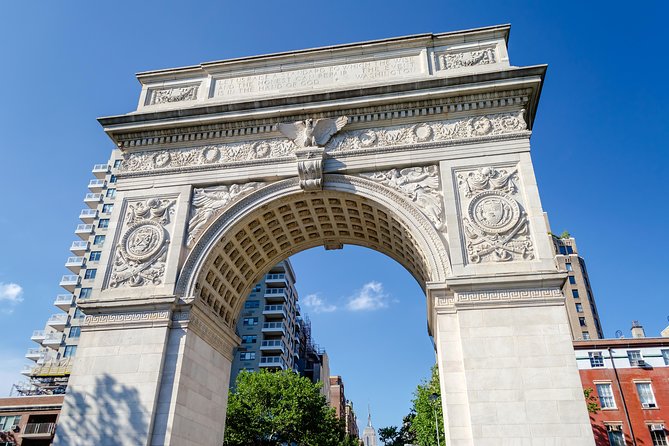
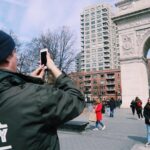
After you get going, you’ll head toward Washington Square Park, one of the neighborhood’s main crossroads—politics and performance included. This is where the guide often uses architecture and location like clues. You’ll check out key nearby landmarks, including the home associated with Edgar Allan Poe and the Washington Square Hotel area.
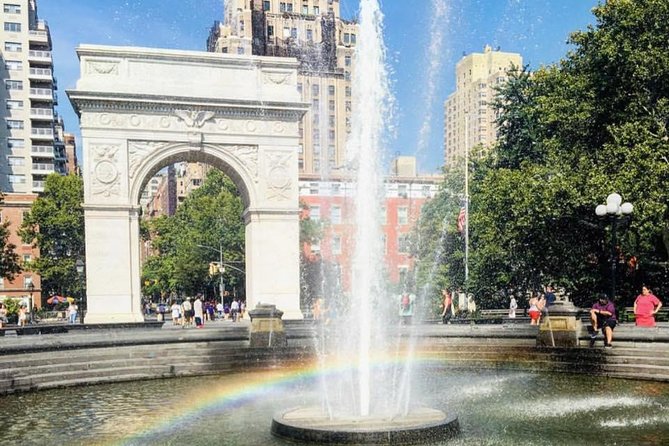
Then you get time to actually walk through the park. The point isn’t just to snap photos. It’s to see how Washington Square functions as a public stage. Musicians, performers, and protestors still draw people in, so it feels less like a reenactment and more like a living city ritual.
What I like about this part is the way it balances two Village identities that can feel like they don’t belong in the same frame: artistic fame and public agitation. In other neighborhoods you pick one lane—here you constantly see both.
The Triangle Shirtwaist stop: turning building details into real-world lessons
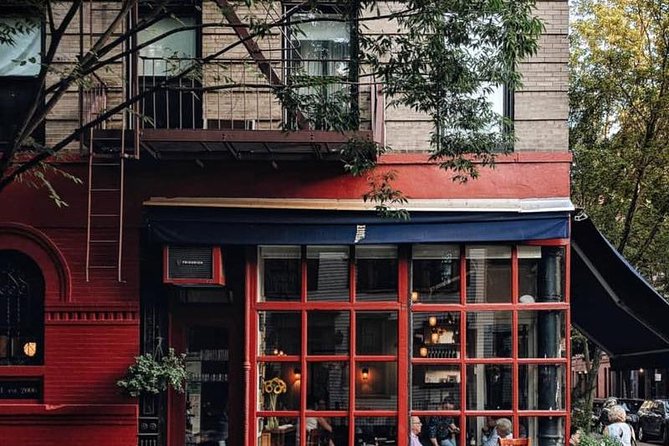
One of the most meaningful stops on the walk happens as you move toward New York University’s campus area. You’ll visit the Brown Building, tied to the 1911 Triangle Shirtwaist Factory fire.
This is where the tour earns its keep for anyone who wants the history to connect to human stakes. The fire is presented as a turning point for the American labor movement. The guide explains how it generated major attention for workers’ rights and safety—exactly the kind of context you’d miss if you only looked at buildings as backdrops.
Why this matters for your trip: when you connect a tragic event to the physical location, you stop treating the neighborhood like a postcard. You start noticing how communities, institutions, and regulations evolve in response to real events. And since you’re on foot, the explanation lands while you’re still looking at the area that shaped the story.
Down McDougal Street: where early icons tested their sound
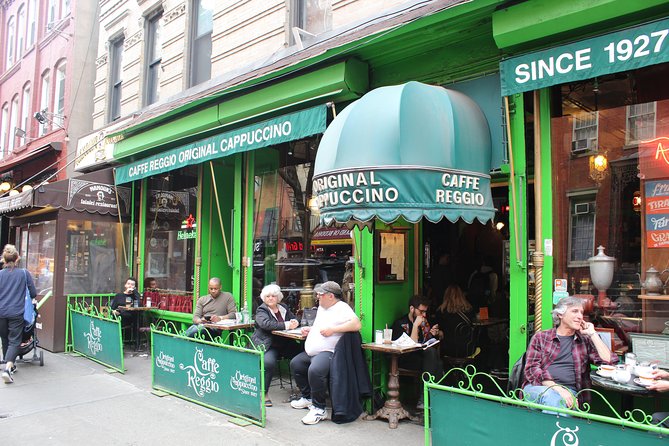
If Washington Square gives you the public-stage vibe, McDougal Street gives you the creative street-level version. You’ll wander past cafes and venues tied to performers who were building audiences long before they became household names.
The tour specifically highlights early performances by Bob Dylan, Jimi Hendrix, and Bruce Springsteen. Even if you think you already know their stories, I find it hits differently when it’s anchored to a block you can stand on. It turns fame into a set of ordinary steps—show up, play, refine, repeat—rather than magic.
This is also a good stretch for questions. The guide can answer on-the-spot stuff like what streets are best for another walk on your own afterward, and what to look for when you’re reading street signs and old storefronts. If you enjoy discovering patterns—where culture clusters and why—you’ll enjoy this section a lot.
Comedy Cellar area: current-famous rooms with deep roots
Next, you’ll pass by the Comedy Cellar, a venue still associated with big-name comedians. The tour mentions performers who still perform there, including Jimmy Fallon, Jerry Seinfeld, and Dave Chappelle.
This stop works for two kinds of travelers:
- If you want entertainment tied to place, you’ll like hearing how major careers connect back to smaller stages.
- If you prefer history with a lighter touch, comedy makes the neighborhood’s evolution feel approachable.
And because this is a walking tour, you’re not trapped in a single “show” environment. You move through the neighborhood and get the sense of how the club district overlaps with the Village’s café culture. Even without going inside, you’ll come away with a clearer mental map of where you’d want to spend extra time later.
You can also read our reviews of more private tours in New York City




The Friends Apartment Building moment: pop culture, handled lightly
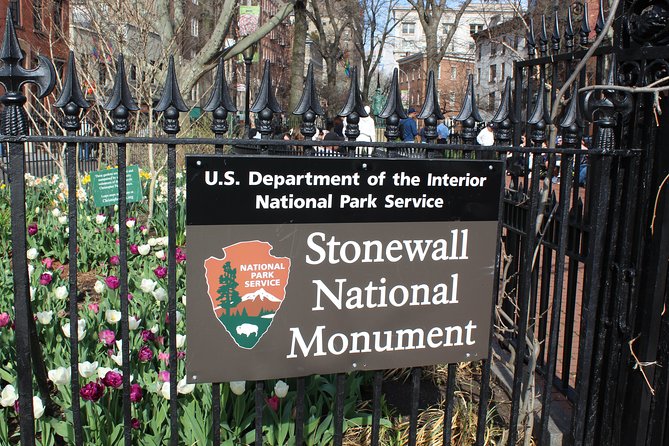
One stop that stands out in the route is the Friends Apartment Building. This is a classic example of a tour using pop culture as a doorway—not a detour.
You might walk past the place, take a photo, and move on quickly. That’s the right tempo. You don’t want your tour to turn into a sitcom scavenger hunt. The value comes when your guide ties why this kind of location became famous, and how the Village’s streets turned into set-worthy scenery.
If you’re a fan of TV and movies, you’ll probably enjoy this as a quick wink. If you’re not, it’s still useful because it reminds you that Greenwich Village has long been a magnet for the media—and that attention changes neighborhoods.
Stonewall Inn and the courthouse-turned-library stop: activism you can point to
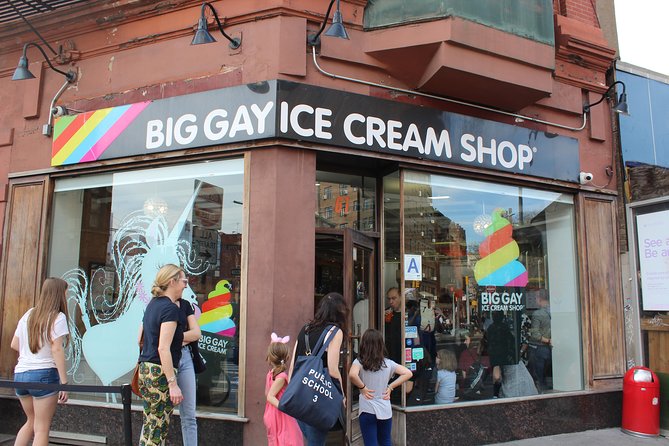
As you head toward the end of the walk, the focus shifts sharply to activism. You’ll see the Stonewall Inn and get the story behind the Stonewall riots and the gay rights movement.
This isn’t presented as a slogan. It’s presented as a turning point, tied to what people fought for and what changed afterward. If you’ve seen Stonewall referenced in books or news, this is the moment where it becomes grounded in the street you’re actually standing on.
Along the way, you’ll also pass a building described as once a courthouse and now a library. That kind of transformation is quietly powerful. It’s the Village doing what cities do best: repurposing old power structures into public spaces.
Ending at Hess Triangle: where your afternoon can keep going
Your tour ends near Hess Triangle, at the corner of 7th Avenue South and Christopher Street. That’s a smart finish, because it puts you close to more of the Village’s energy without forcing you to retrace your steps.
By the time you’re done, you’ll have more than a list of sights. You’ll have a set of street-level instincts: which blocks lean artistic, where public debate spills into the open, and how the neighborhood’s landmarks connect to movements rather than just celebrities.
This is the kind of walk that makes the rest of your trip easier. You can choose what to return to, instead of wandering blindly.
Price and time: why $39 feels fair for a 2-hour, guided walk
At $39 per person for about 2 hours, you’re paying for three things: a local guide, a focused route, and time saved. Greenwich Village is walkable, sure. But self-guided walking often turns into “pretty street, next pretty street” unless you already know what you’re looking for.
Here, the guide supplies the connective tissue:
- events that explain why certain buildings matter
- cultural context for the clubs and cafes
- a narrative through neighborhoods and social movements
The “semi-private” angle matters too. With a maximum of 20 travelers, you’re less likely to feel like a number. You’re also more likely to get real answers when you stop and ask questions.
Food and drinks aren’t included, so come prepared. The tour is meant to be efficient, not a meal tour. But your guide can still point you toward where to grab something after.
Weather, pace, and the practical stuff that keeps the day smooth
The tour operates in all weather conditions, but it’s still subject to favorable weather. If it gets canceled due to poor weather, you’ll get an alternative date or a full refund. So yes, you’ll want to dress for the walk and be ready for street-level wind and sidewalks.
Pace-wise, it’s a walking tour with a decent amount of movement. Most people can participate, but this isn’t a sit-and-stare kind of experience. Bring good shoes, and if you’re sensitive to crowds, pick a day/time when you’ll be comfortable with urban foot traffic.
Also keep in mind: the route may adjust due to marches, parades, or circumstances beyond control. That’s normal in New York. The key is that the guide still keeps the story going as the streets shift.
Who should book this Greenwich Village walk (and who might skip)
This tour is a strong fit if you want:
- a guided overview of Greenwich Village without racing
- social and political context tied to real landmarks
- a mix of literature, activism, and arts culture
It’s also great for people who like learning through stories rather than facts alone. Many guides on this route bring a theatrical style—animated voices, dramatic pacing, and lively answers when questions pop up. Names like Joel, Connor, Patrick, Percy, Rory, and Liz show up as guides in the experience history, so you may get someone with that same engaging approach.
You might consider a different plan if you:
- hate walking and long city blocks
- want a more in-depth museum-style experience (this is a street walk)
- need frequent built-in breaks tied to venues you can sit in (food isn’t included, and the tour is structured as a walking route)
Should you book this tour?
I’d book it if you’re spending at least part of a day in Greenwich Village and want your time to feel purposeful. For $39, you get a tight 2-hour arc: Poe and Washington Square, NYU and the Triangle Shirtwaist Factory fire, the café-and-comedy corridor, and then Stonewall and the gay rights movement.
The big reason to go is the way the guide turns landmarks into meaning. You’ll still walk past charming streets and famous doors—but you’ll also leave with a clearer sense of what this neighborhood fought for, celebrated, and changed.
FAQ
Where does the tour start and what time does it begin?
The tour starts at Waverly Diner, 385 6th Ave, New York, NY 10014, at the corner of 6th Ave and Waverly Place. Start time is 10:00 am.
Where does the tour end?
The tour ends at Hess Triangle, near 110 7th Ave S, New York, NY 10014, at the corner of 7th Ave and Christopher Street.
How long is the Greenwich Village walking tour?
It runs about 2 hours.
What is included in the price?
The price includes a local guide and a small group tour.
Is food or drinks included?
No. Food and drinks are not included.
What landmarks does the tour cover?
You’ll see key Greenwich Village locations such as the Edgar Allan Poe house area, Washington Square Park, the Brown Building at NYU connected to the Triangle Shirtwaist Factory fire, and the Stonewall Inn. The walk also includes stops in the Washington Square and McDougal/Christopher Street areas tied to music and comedy venues.
Is the tour affected by weather?
It operates in all weather conditions, but it is subject to favorable weather conditions. If it’s canceled due to poor weather, you’ll be offered an alternative date or a full refund.
Can children join?
Children under 18 must be accompanied by an adult at least 21 years of age.
If you want, tell me what month and day you’re going, and whether you’re more into activism, literature, or comedy—I’ll help you decide the best time to start and what to pair it with afterward.