REVIEW · NEW YORK CITY
Manhattan Architecture Yacht Cruise
Book on Viator →Operated by Classic Harbor Line NYC · Bookable on Viator
New York from the water feels like cheating. This Manhattan architecture yacht cruise swaps crowded sidewalks for a 1920s-style yacht ride with American Institute of Architects narration as you circle the island, with guides like Jenny/Jennie, Ginny, John, and Doug showing up on past departures. You’ll get repeatable, easy-to-follow design context for places you already know, plus angles you can’t get from street level.
What I like most is the way the tour mixes big-name landmarks with real architectural framing. The AIA New York Chapter narrator explains what you’re seeing as you pass it, and the boat adds comfort details that matter, like warm indoor seating on cold days. I also love the small inclusion: one complimentary beer, glass of wine, or soft drink, so you’re not stuck paying for basic hydration while you focus on the sights.
One thing to consider: this is a heavily narrated experience. If you want a quiet cruise or lots of side chat, you may feel constrained, and if weather is wet, sight lines through windows can be worse for photos than you’d hope.
In This Review
- Key highlights to know before you go
- Why this yacht cruise beats walking Manhattan
- Getting on board at Chelsea Piers and settling in
- The AIA architect narration: how it actually helps
- Your route around Manhattan: major zones and what to watch for
- Lower Manhattan focus: Financial District, Woolworth, and the skyline chain
- Statue of Liberty and Ellis Island area: up-close and photo-friendly
- Bridge run: all 18 bridge connections (and the dramatic moments)
- Lower East Side and waterfront blocks
- East River highlights: Chrysler Building and the skyline’s angles
- Upper West Side and Roosevelt Island: calmer visuals, smart context
- Northern pass: George Washington Bridge
- Photo and comfort strategy: open bow vs observation cabin
- Value check: what $113.23 really buys you
- Who this cruise is best for (and when to skip)
- Should you book this Manhattan Architecture Yacht Cruise?
- FAQ
- How long is the Manhattan architecture yacht cruise?
- Where does the cruise depart from?
- What’s included in the ticket price?
- Is food included?
- What landmarks and areas will I see?
- Is the cruise offered in English?
- Do I get assigned seating?
- Is this cruise suitable for kids?
- What if the boat can’t fully circle Manhattan?
- Do I need good weather for this to run?
Key highlights to know before you go
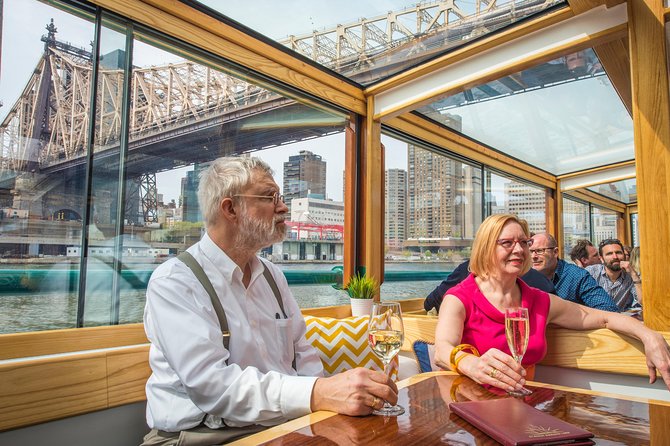
- AIA New York Chapter narration that turns landmarks into architecture lessons
- All the bridges connection tour, including the Brooklyn, Manhattan, and Williamsburg Bridges
- Open bow and observation cabin viewing, so you can chase photos or stay sheltered
- Iconic photos from the water, including Statue of Liberty, Roosevelt Island, and One World Trade Center
- Assigned tables with the option for private section seating vs communal seating
- One free drink to keep the experience feeling like a good deal
Why this yacht cruise beats walking Manhattan
Manhattan can be a grind. Even when you’re excited, the “where do I stand?” shuffle and the stop-and-go crowds add stress fast. This cruise flips the script. Once you’re onboard, your job is simple: look outward, listen carefully, and let the city come to you.
The real payoff is that you’re not just staring at a skyline. The narration comes from a member of the American Institute of Architects (AIA) New York Chapter, and that changes how the landmarks land in your head. You start noticing the building logic: massing, materials, skyline relationships, and how neighborhoods grew. It’s the kind of context that makes the next day of sightseeing faster and more meaningful.
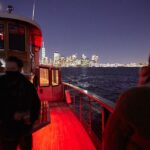
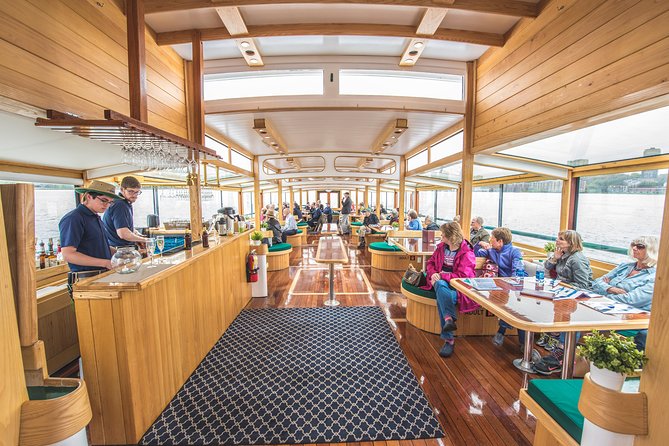
You also get a classic “New York postcard” view without the endless walking. From the teak deck and the open bow, you can catch wide angles. From inside, you can stay comfortable while still following the commentary. That flexibility is a big deal if you’re visiting in wind, rain, or cold.
You can also read our reviews of more boat tours in New York City


Getting on board at Chelsea Piers and settling in
Your meeting point is Classic Harbor Line, Chelsea Piers Pier 62 (62 Chelsea Piers, Pier 62, New York, NY 10011). It’s easy to reach with public transportation, and you’ll use a mobile ticket. Once you board, you’ll find an elegant, old-school vibe aboard a 1920s-style yacht—the kind of boat that looks like it belongs in the harbor.
Seating is handled with assigned tables. At checkout you can choose between private section seating or communal seating. That choice isn’t just about comfort. Private seating can help if you’re trying to keep your view focused while you listen to the AIA narration. Communal seating can feel more social, but you’ll want to plan for people moving around during stops.
The boat is also built for “move between views” rather than “sit for two hours staring straight ahead.” If it’s cold, you’ll likely spend more time inside. If it’s clear, you’ll gravitate toward the open areas for photos, especially when you’re nearing landmarks.
The AIA architect narration: how it actually helps
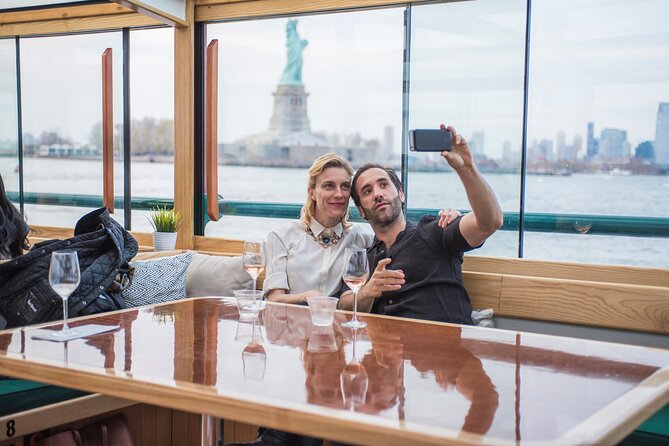
The cruise is a heavily narrated tour, and that’s not a warning sign—it’s the point. The commentary is designed to be heard clearly, which is why the crew asks that conversation stays at a reasonable level. If you like learning while you see, this format works well. If you mostly want scenery with minimal talking, you might prefer a less narrated daytime cruise.
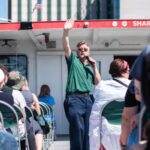
A key detail: the narrator is tied to the AIA New York Chapter. That means you’re getting design-informed storytelling, not just generic skyline facts. In past departures, the narration delivery has included guides like Ginny, Jenny/Jennie, John, and Doug—people who can explain what you’re seeing in a way that sticks.
The narration timing matters because the route is packed with architectural “targets.” As you pass through different Manhattan zones, the speaker ties neighborhoods and building features together, so you get a sense of how the city’s layout and skyline evolved rather than a list of disconnected attractions.
Your route around Manhattan: major zones and what to watch for
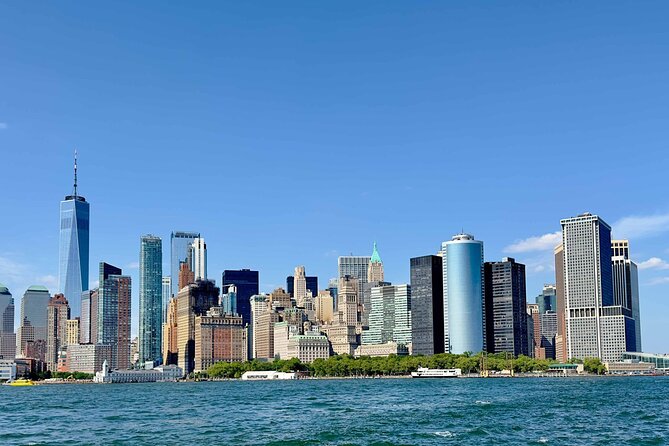
This cruise is about 2 hours 45 minutes and aims to circumnavigate Manhattan. You’ll cruise the waterfront around the island, under major bridges, and close to iconic landmarks. You should plan on a lot of “new angles, same buildings” energy—perfect for photos, but also good for learning how Manhattan presents from different sides.
Lower Manhattan focus: Financial District, Woolworth, and the skyline chain
Early on, the narration zeroes in on the Financial District. Even if you’ve walked this area before, seeing it from the water changes the scale. You also get the kind of building-to-building context you don’t get on land, because the harbor view flattens the usual distractions.
A standout stop is the Woolworth Building. From the water, you can appreciate its position in the skyline rather than just its street presence. You’ll also hear live commentary about the surrounding famous buildings, which makes the “why this mattered” story click.
As you continue, you’ll be in the zone where other recognizable parts of Lower Manhattan come into view—think of the skyline elements near the World Trade Center area, which the cruise highlights as photo-worthy.
You can also read our reviews of more sailing experiences in New York City






Statue of Liberty and Ellis Island area: up-close and photo-friendly
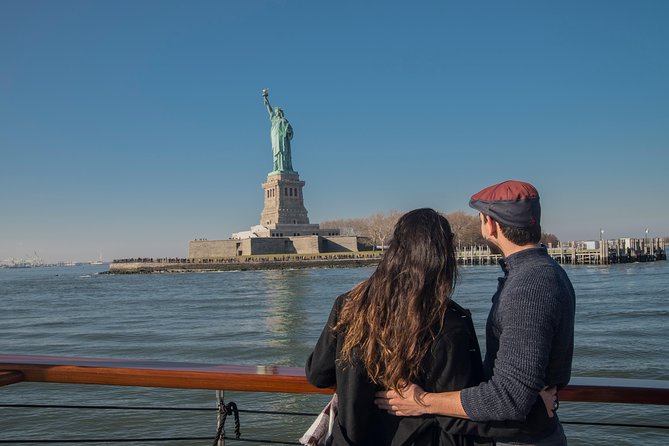
This is the big crowd-pleaser for a reason. The cruise provides up-close views of the Statue of Liberty, and you’ll have options for where to watch: the observation cabin for shelter and steadier viewing, or the open bow for the best direct photos.
You also pass near Ellis Island, and the tour’s framing makes it more than just a landmark pass. You’ll get context while you’re close enough to see the base and surrounding waterfront clearly. If your NYC trip includes a “must-see” list, this is one of the smoother ways to check it off without fighting for sidewalk space.
Bridge run: all 18 bridge connections (and the dramatic moments)
One of the most distinctive promises here is the bridge circuit. The cruise goes under all 18 bridges connecting Manhattan to the outer boroughs of New York and New Jersey. That includes major hits like the Brooklyn, Manhattan, and Williamsburg Bridges.
This section matters because it’s where the ferry-ride feeling turns into “wow, this city is connected everywhere.” The bridges also add architectural variety—steel and suspension forms, waterfront approaches, and different bridge deck relationships to surrounding buildings.
If you like infrastructure as design, you’ll probably feel extra satisfied on this part. You’ll learn how Manhattan’s geography funnels movement, and the narration keeps you oriented while you’re moving fast through visual landmarks.
Lower East Side and waterfront blocks
After the bridge action, the cruise shifts back into neighborhood storytelling, including the Lower East Side. Seeing these blocks from the water helps you understand waterfront development patterns—what sits tight to the edge, what looks different from harbor distance, and how the skyline transitions from dense core to more varied shoreline.
Even if you don’t plan to do deep neighborhood walks on land, this portion gives you enough “map memory” to make the next day’s exploring easier.
East River highlights: Chrysler Building and the skyline’s angles
Heading along the East River, you’ll get prime photo moments for the Chrysler Building. Watching it from the water is a cheat code because the building’s vertical character reads clearly against the river corridor.
This segment also includes live narration about the buildings and waterfront as you move. That combo helps you notice how the East River side of Manhattan behaves like a stage: long sight lines, clean framing for skyline silhouettes, and repeated architectural motifs.
Upper West Side and Roosevelt Island: calmer visuals, smart context
You’ll also cruise along the Upper West Side, including historic sites and how new buildings relate to older ones along the waterfront. This is a nice change of pace from the most famous towers. It’s where you start seeing Manhattan as a living shoreline rather than a single monument collection.
Roosevelt Island is another named highlight in the experience. From the water, you can get “island between boroughs” perspective. It’s the kind of view that makes you understand why NYC’s bridges and waterways matter as much as the skyline.
Northern pass: George Washington Bridge
As you reach the north side, the cruise passes under the George Washington Bridge, a major connection between Manhattan and New Jersey. This section often feels cinematic because you get a big scale infrastructure view plus a clear sense of Manhattan’s upper reach.
Photo and comfort strategy: open bow vs observation cabin
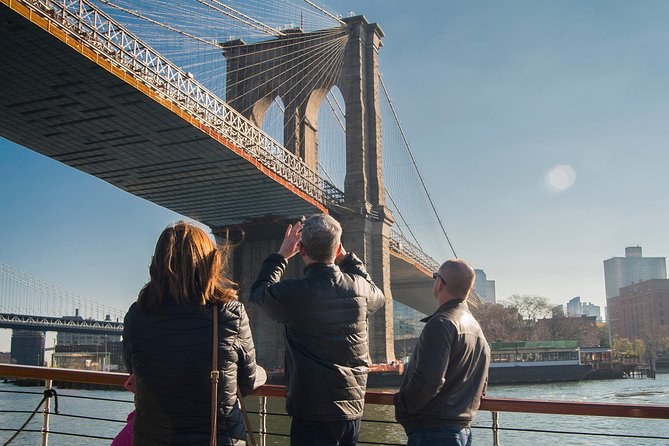
You’ll have real choices during the cruise. In clear weather, the open bow is your best friend for sharp, wide photos. In wind, cold, or rain, you’ll likely shift back into the observation cabin.
A practical note from real-world experience: window clarity affects photos. On wet or very cold days, windows can get dirtied or fogged more easily, and that can soften your pictures. You can still get great views for the experience itself, but if your goal is crisp skyline shots, aim for times when the weather is drier and you can spend more time outside.
Also, don’t ignore the inside perspective. The narration is structured for everyone to hear, and the cabin gives you steadier viewing while you listen. If you’re trying to learn rather than just shoot photos, you may prefer inside for the best “watch and absorb” balance.
Value check: what $113.23 really buys you
Price is always personal, but here’s how I’d think about the value.
You’re paying for three things that are hard to replicate cheaply:
- Architect-level narration from an AIA New York Chapter member
- Time saved versus multiple land stops, because the boat handles the travel between major zones
- A viewing experience you can’t easily recreate with public ferries at the same “stop-and-learn” pace
On top of that, you get a complimentary beverage—beer, wine, or soda—at no extra cost. That’s not a huge ticket item, but it removes a small annoyance during a longer outing.
Food is available for purchase onboard, but you’re not required to spend on it. If you prefer eating your own snacks, keep it light, and plan to wait for the shipboard options only if you truly want them.
Tip for value: if you’re going in a group, consider how much you’d pay for separate museum tickets or architecture tours that only cover one slice of the city. This cruise covers a lot of slices in one go, and the narration makes it feel coherent.
Who this cruise is best for (and when to skip)
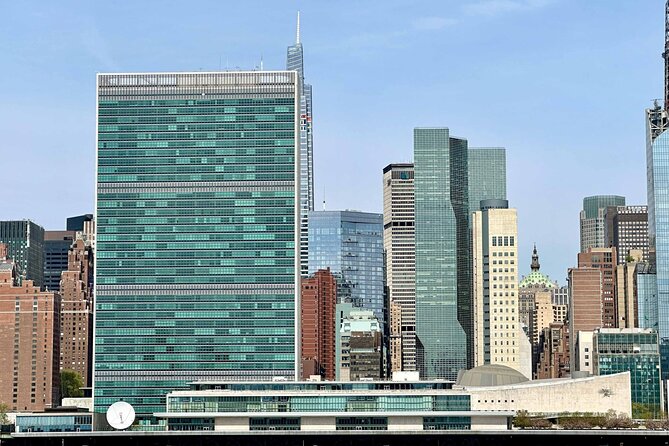
This tour is made for people who enjoy architecture, history, and city design stories while they look at the skyline. If you like the idea of a “class trip” vibe but on a yacht—structured, calm, and informative—this is a good fit.
It’s also a strong choice for couples who want something different from standard sightseeing. The boat setting feels special, and you’re not competing with the land crowd. Families can enjoy it too, but there’s a clear limit: it’s not for children under 12 because it’s a heavily narrated experience. If your kids are younger, you’ll likely do better with a less talk-heavy daytime cruise or a simpler sightseeing option.
Finally, if you care about mobility, you’ll want to coordinate with the operator in advance because accessibility varies by boat, and boarding may require help depending on your needs.
Should you book this Manhattan Architecture Yacht Cruise?
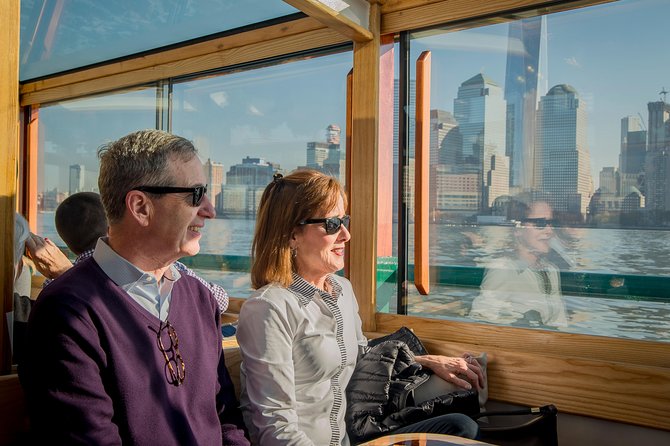
Book it if:
- You want a learning-first skyline experience, not just a “see it and move on” ride
- You’re excited by bridges, waterfront neighborhoods, and architectural context
- You’ll enjoy switching between outside views and inside comfort to manage weather
Skip or reconsider if:
- You hate guided narration and want quiet conversation
- You’re primarily focused on window photos in bad weather (windows can fog or get less clear)
- You’re bringing kids under 12 or want a very low-structure sightseeing outing
If your goal is to understand Manhattan’s architecture as you move around it, this cruise is a smart use of time. You get the rare combo: big sights, real design explanations, and a harbor perspective that makes the whole island feel bigger than it does on land.
FAQ
How long is the Manhattan architecture yacht cruise?
The cruise runs about 2 hours 45 minutes.
Where does the cruise depart from?
It starts at Classic Harbor Line, 62 Chelsea Piers, Pier 62, New York, NY 10011, and it returns to the same meeting point.
What’s included in the ticket price?
You get narration by a member of the American Institute of Architects (AIA) New York Chapter, assigned tables (private section seating or communal seating), and one complimentary beverage.
Is food included?
No. Food selections are available for purchase onboard. If you bring food, you should keep it to a light snack.
What landmarks and areas will I see?
You’ll see and learn about multiple Manhattan areas, including the Financial District and the Woolworth Building, plus close views of the Statue of Liberty and Ellis Island area. The route also includes the Brooklyn, Manhattan, and Williamsburg Bridges, the George Washington Bridge, the Chrysler Building, One World Trade Center, Roosevelt Island, and the Upper West Side.
Is the cruise offered in English?
Yes, the experience is offered in English.
Do I get assigned seating?
Yes. You’ll be assigned tables, and you can choose between private section seating or communal seating at checkout.
Is this cruise suitable for kids?
It’s not for children under 12 because it’s a heavily narrated tour.
What if the boat can’t fully circle Manhattan?
A full circumnavigation is not guaranteed. The Spuyten Duyvil train bridge may be inoperable on rare occasions, and river closures can also happen. If a complete circumnavigation is not possible, the operator will accommodate with a route featuring double backing, and there are no refunds for tours that cannot fully circumnavigate.
Do I need good weather for this to run?
Yes. The experience requires good weather. If it’s canceled due to poor weather, you’ll be offered a different date or a full refund.