REVIEW · NEW YORK CITY
Museum of Broadway
Book on Viator →Operated by Broadway Inbound · Bookable on Viator
Broadway magic starts before curtain. The Museum of Broadway turns the story of New York theatre into a walk-through experience using art and technology, plus real artifacts and show highlights from past to present. It is a fun stop whether you already live for opening nights or you just want to understand how Broadway works.
I especially love the costumes, sets, and props that make the timeline feel real. And I also like the behind-the-scenes flow at the end, which helps you see how shows go from idea to full production.
One thing to consider: there are stairs/steps and not a lot of places to sit for long reading breaks, so build in time and keep your feet happy.
In This Review
- Key things to know before you go
- Broadway’s Story, Walked—Museum of Broadway in Plain English
- Where Your Visit Fits: Timing, Entry, and How Long to Budget
- Entering the Museum: What to Expect in the First Few Minutes
- Following Broadway Through Time: The Exhibit Timeline
- Costumes, Sets, and Props: The Part That Makes It Feel Real
- Behind the Scenes at the End: How Shows Get Put Together
- Photo Moments and Interactive Fun Without Making It Loud
- Shoes, Seats, and Stairs: Practical Comfort Tips for New York
- Value Check: Is $44.92 a Good Deal for the Museum of Broadway?
- Who Should Book This Museum (and Who Might Skip)
- Quick Decision: Should You Book the Museum of Broadway?
- FAQ
- How long does the Museum of Broadway visit take?
- How far in advance should I book tickets?
- When will I get confirmation after booking?
- Is the museum good for families?
- Are service animals allowed?
- Is it refundable or changeable?
Key things to know before you go

- Hands-on-style Broadway storytelling using art + technology, not just glass cases
- Costumes and production artifacts that make different eras feel tangible
- A behind-the-scenes section near the end that answers how shows get built
- Photo moments mixed into the exhibits for quick wins and memories
- Plan extra time if you like to read every label and linger
Broadway’s Story, Walked—Museum of Broadway in Plain English
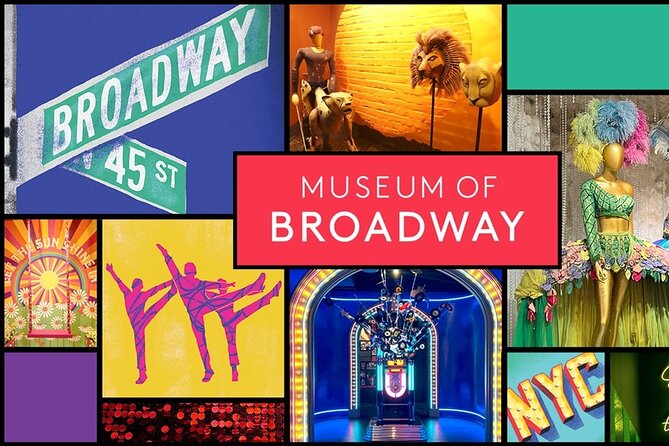
If you love theatre, the Museum of Broadway gives you something rare: context. Not just facts about famous shows, but the “how did we get here?” story. You walk through time, then you circle back to what actually matters for anyone making a musical: design, staging, performance, and the constant push to make it work night after night.
What makes this museum worth your time is the way it blends formats. You get exhibits with text, plus videos and tech-supported displays, plus physical pieces like costumes and props. It’s not just a history wall. It’s more like a guided experience with the museum doing the guiding for you.
And the tone is welcoming. Broadway can feel intimidating if you are new—like you need to know everything already. This museum breaks that barrier by showing the craft in layers: style changes by decade, but the basics of theatre production still hold.
You can also read our reviews of more museum experiences in New York City



Where Your Visit Fits: Timing, Entry, and How Long to Budget
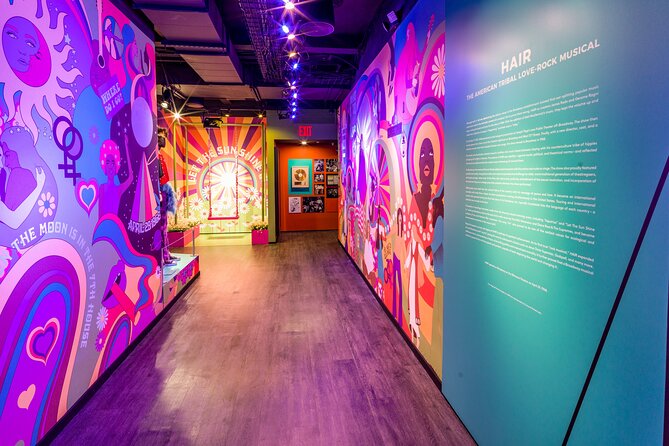
The experience is listed at about 1 to 2 hours, and that can be true if you speed-read and move steadily. But if you stop often—watch videos, take photos, and actually read the captions—plan closer to 2 to 3 hours. Several people mention needing extra time to enjoy it properly.
Here is how I’d pace it:
- Give yourself a slow start. The early sections set the tone and help you follow the later displays.
- Hit the costumes and artifact areas in one pass. That way you do not bounce back and forth when you decide you want to slow down.
- Save time for the ending. The behind-the-scenes segment tends to be a payoff moment, and it is where you’ll connect more dots.
Booking-wise, it is commonly reserved about 11 days in advance on average. If your trip has a tight schedule, booking earlier is smart—especially if you want a specific day.
Entering the Museum: What to Expect in the First Few Minutes
Right away, you are not thrown into a maze of exhibits. The flow is designed to help you orient fast. You start with the idea that Broadway’s story is not one straight line—it’s a series of breakthroughs, trends, and practical challenges that shape what you see onstage.
You’ll likely find yourself looking for three things as you go:
- When the design style changes
- How technology affects what is possible
- Why certain show choices became repeatable
Keep that in mind as you move through the first rooms. Once you notice those patterns, the rest of the timeline becomes much easier to “read” without trying.
Following Broadway Through Time: The Exhibit Timeline
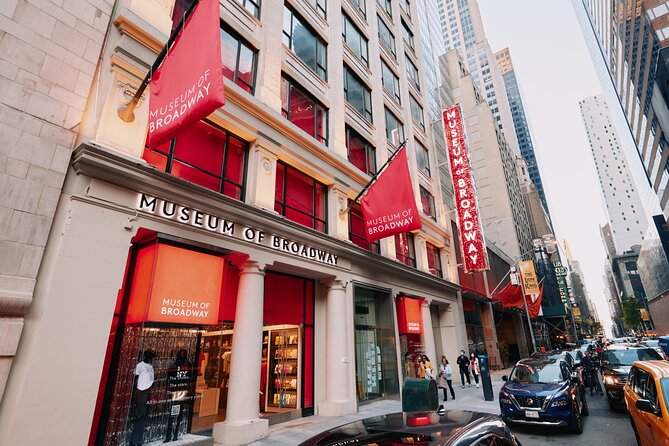
The heart of the museum is the Broadway timeline, built to show how the industry evolved while still keeping the theatre’s essentials in view. You’ll see how Broadway reflects society—how musicals and productions mirror the eras that created them.
The displays also do something helpful: they connect big cultural moments to practical theatre decisions. It’s not only about fame. It’s about what it takes to stage, perform, and sell a show in a specific moment.
One of the best ways to enjoy the timeline is to watch for contrasts:
- Early ideas vs. modern production techniques
- Smaller scale approaches vs. shows that demanded bigger stagecraft
- Shifts in costume design and visual storytelling
If you take a minute at each era to ask, what problem did they solve here? the museum stops feeling like you are touring “old stuff.” It starts feeling like you are learning how theatre evolves under real-world constraints.
Costumes, Sets, and Props: The Part That Makes It Feel Real
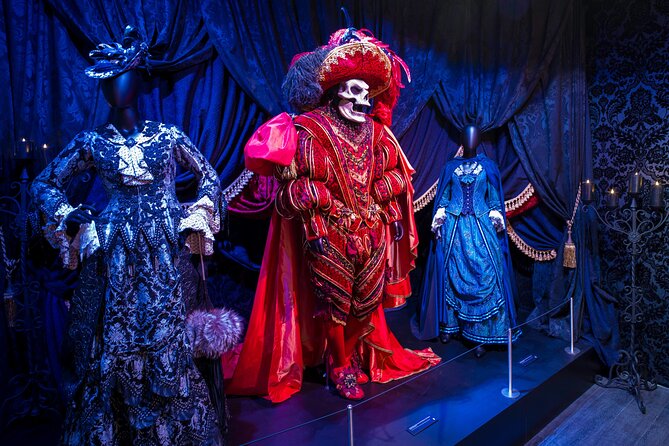
If you like visuals, this is your best section. People consistently point to the costumes, props, and artifacts as the standout because they bring the stories to life. A photo can show you what a costume looks like. Seeing the physical piece helps you notice details: construction, materials, and how design choices translate to movement under stage lighting.
This is also where theatre fans tend to get extra excited. If you have watched shows over the years—especially if you have a favorite costume moment—you’ll likely recognize style patterns across decades.
Also, the museum does more than display items. It helps you understand why the choices mattered:
- Costume as character and era marker
- Set design as storytelling tool
- Props and staging needs as problem-solving
Just know this: you might find yourself lingering here. It’s easy to lose time if you get pulled into the details.





Behind the Scenes at the End: How Shows Get Put Together
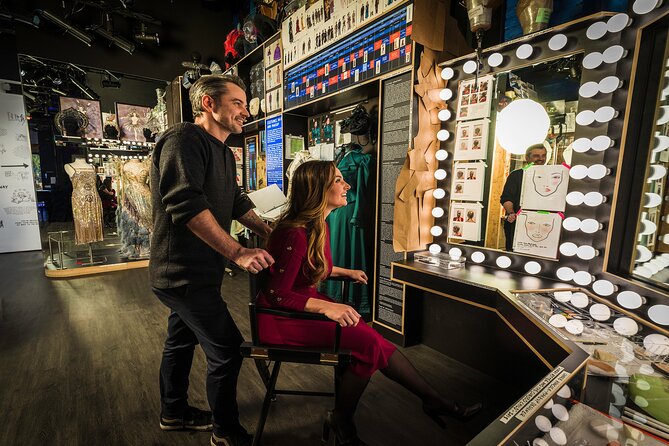
The museum’s ending is one of the most praised parts for a reason. It shifts from “what happened” to “how the machine runs.” The behind-the-scenes area connects the dots between the artwork you saw earlier and the real production process behind a musical.
This section tends to work well for two types of visitors:
- The theatre super-fan, who wants more production mechanics and deeper craft context
- The newbie, who needs an explanation of how a show goes from concept to curtain call
A small but meaningful detail: the museum’s staff are often described as interactive and helpful, and that can seriously improve your experience. If you have questions—about what you are seeing, how staging works, or how Broadway production choices affect the final show—ask. In at least one visit, staff members named Alexandra and Caleb were specifically called out for being friendly and knowledgeable, which is exactly the kind of human support that turns a museum visit into a memory.
Photo Moments and Interactive Fun Without Making It Loud
One of the nicer surprises is how the museum builds in photo opportunities without turning the whole place into a selfie circus. It’s more like the exhibits give you moments to pause and capture the story you just learned.
If you care about photos, do this:
- Take pictures of the exhibit context, not just the object.
- Read the caption briefly before photographing. That way your memory matches what the display intended.
- Do your longer photo stops in the middle of your visit, when your feet and energy are still decent.
Photo moments are also a good time to slow down and actually process what you just saw. The museum works better when you treat it like a guided walk, not a race.
Shoes, Seats, and Stairs: Practical Comfort Tips for New York
This is New York, so you’ll want to wear practical shoes. The museum includes stairs/steps, and people have noted that it can be a lot if you are not expecting that.
Also, there are limited places to sit for extended reading. That matters if you like to absorb every detail. You’ll likely do more standing than you expect, so plan for it.
A simple strategy:
- Plan on short reading bursts, then move on
- When you see a comfortable spot, use it. Don’t wait for the “perfect seat” that might not exist
- If you need breaks, do them intentionally rather than after you’re already tired
If you are traveling with kids, the physical design matters too. The museum is still doable for many families, and children 4 and under may enter free of charge, but you’ll want to keep pacing realistic.
Value Check: Is $44.92 a Good Deal for the Museum of Broadway?
Price is $44.92 per person, and the honest value question is: will you get enough “I learned something” moments in the time you have?
In my view, it’s a good deal if you:
- Care about how theatre works (not only famous titles)
- Like costumes and production details
- Want an indoor activity that teaches as well as entertains
It’s also strong value because it’s easy to participate at your own pace. You’re not stuck waiting for a long, rigid guided script. You can spend more time where you connect.
The best value signal here is that people tend to describe the museum as educational and genuinely fun at the same time. That combination is rare, and it’s what makes a theatre museum worth repeat attention.
If you want a museum purely for entertainment with minimal reading, you might find parts slow. But if you’re the type who likes captions, artifacts, and context, you’ll likely feel you got your money’s worth.
Who Should Book This Museum (and Who Might Skip)
This museum fits best if you fall into one of these categories:
- Broadway fans, including people who love costumes, staging, and theatre craft
- Musical newbies, who want the “what is Broadway really?” explanation
- Film and media students or writers who notice storytelling choices across decades
- Couples and families looking for a rainy-day plan in Midtown-ish New York (it is near public transportation)
You might consider another option if:
- You hate stairs and know you struggle with standing
- You only want to see the biggest hits and do not want to spend time reading context
- Your visit is so short you cannot give it at least a solid couple of hours
Quick Decision: Should You Book the Museum of Broadway?
I’d book it if you want a theatre-focused activity that is both enjoyable and informative, and you like the idea of learning Broadway from the production side. It’s especially worth it when you have limited time, because it is an indoor experience that still feels like New York culture.
Go in expecting to walk, read, and look closely at artifacts. If you do, you’ll leave with a new appreciation for how shows are built—and why the past still shapes what you see today.
FAQ
How long does the Museum of Broadway visit take?
It is typically about 1 to 2 hours, but you may want to budget extra time if you plan to read displays and spend time on photo and behind-the-scenes areas.
How far in advance should I book tickets?
On average, this is booked about 11 days in advance.
When will I get confirmation after booking?
You should receive confirmation within 48 hours of booking, subject to availability.
Is the museum good for families?
Yes. Children 4 and under may enter free of charge, and the experience is described as suitable for most travelers.
Are service animals allowed?
Yes, service animals are allowed.
Is it refundable or changeable?
No. The experience is non-refundable and cannot be changed for any reason once you book.