REVIEW · NEW YORK CITY
New York City: Harlem Civil Rights Walking Tour with Lunch
Book on GetYourGuide →Operated by Welcome to Harlem · Bookable on GetYourGuide
Harlem remembers loudly. This 3-hour walk turns the Civil Rights Movement into something you can see on the sidewalk, starting near 116th Street. I especially like the street-level Civil Rights storytelling and the fact that lunch is built in, so the tour stays practical and not just academic.
I also like that the experience includes time with local musicians, so you get culture, not only facts. You’ll pause at important sites such as the original Temple No. 7 and Hotel Theresa, and your guide ties them to the people behind the movement. One consideration: it’s a walking tour, so you’ll want comfortable shoes and an ability to keep up for the full 3 hours.
In This Review
- Key highlights at a glance
- Harlem Civil Rights on your feet: why this tour works
- Getting oriented: meeting at 116th & Lenox (and what that means)
- The story stops: original Temple No. 7 and Hotel Theresa
- The people behind the movement: Malcolm X, A. Philip Randolph, and more
- Music during the walk: why the mingling changes everything
- Lunch in Harlem: included, local, and worth the break
- Price and value: is $82 fair for 3 hours with lunch?
- Logistics that matter: meeting point, pace, and what to bring
- Who should book this Harlem Civil Rights tour?
- Should you book this tour?
- FAQ
- How long is the Harlem Civil Rights Walking Tour with Lunch?
- What’s the meeting point for the tour?
- What’s included in the price?
- Is hotel pickup or drop-off included?
- What should I bring?
- Is the tour available in English?
- Is the tour wheelchair accessible?
- What is the cancellation policy?
- Is there a reserve now, pay later option?
Key highlights at a glance
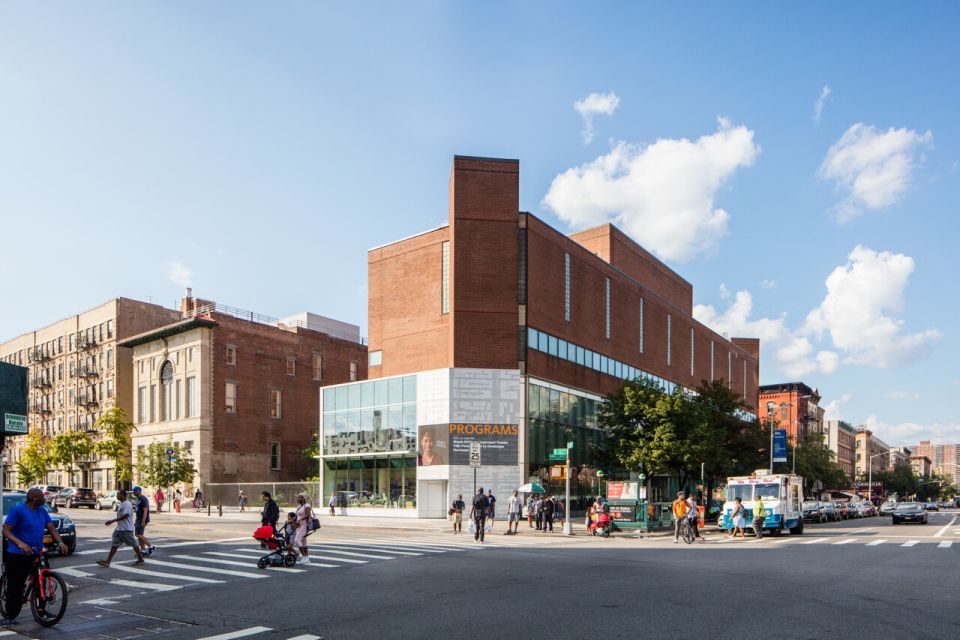
- 116th Street to the 137th area: a focused Harlem stretch instead of random sightseeing
- Stops at the original Temple No. 7 and Hotel Theresa for direct, place-based context
- Civil Rights and Harlem icons covered, from Malcolm X to W.E.B. DuBois
- Music mix-and-mingle that adds a real-world Harlem feel to the history
- Lunch at a local restaurant included, so you’re not hunting for food mid-walk
- Guides with strong Harlem ties, including Carolyn and Jonathan, who bring the neighborhood into the story
Harlem Civil Rights on your feet: why this tour works
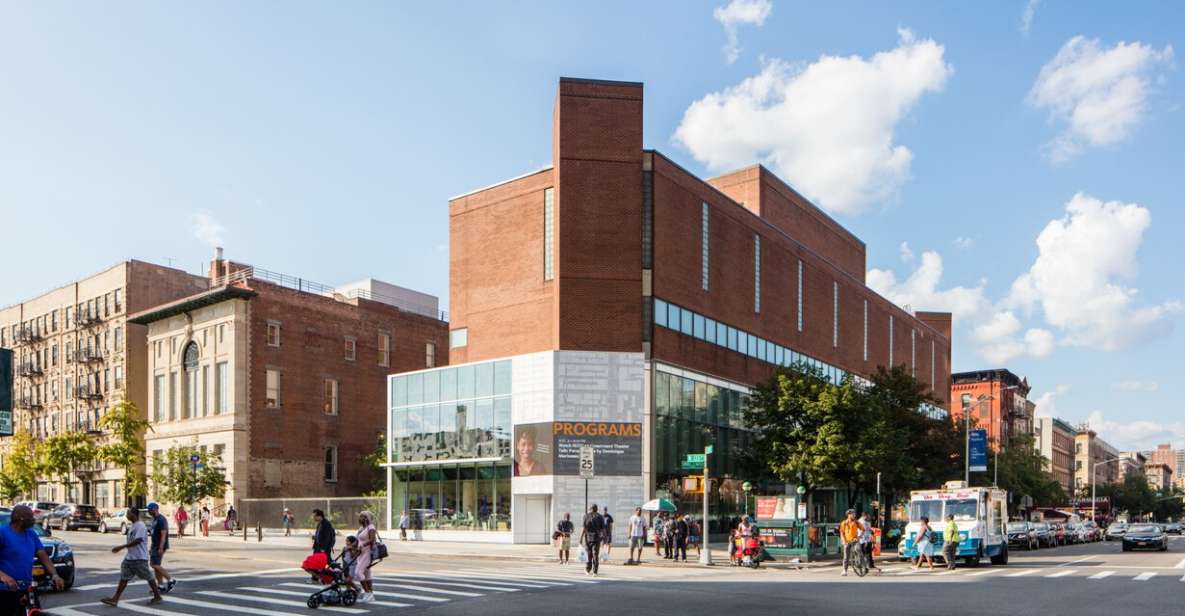
If you’ve only seen Harlem from a distance, a walking tour changes the scale fast. Here, you’re not just looking at buildings. You’re moving through a neighborhood’s story line—one block at a time—through the lens of the Civil Rights Movement and the people who shaped it.
I like the approach because it stays grounded. The tour ties the era to real locations and real names, including activists and artists. It also gives you room to connect the movement to the neighborhood’s identity, not just the headlines. And because lunch is included, you get a natural pause to reflect and reset.
The result is a city experience that feels useful, even if you’re not a history buff. You come out with a clearer mental map of Harlem’s role in the fight for equality, plus a better sense of how culture and activism braided together.
You can also read our reviews of more walking tours in New York City



Getting oriented: meeting at 116th & Lenox (and what that means)
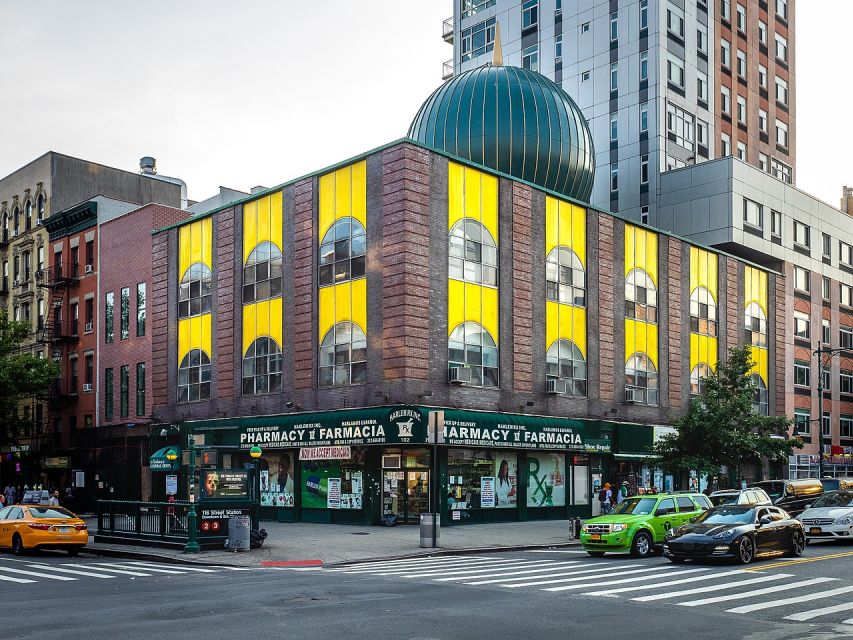
Your tour starts at 116th Street and Lenox Avenue, in front of CVS. That’s a handy setup because it’s a clear, easy reference point once you’re in the area.
Starting uptown matters too. The tour runs from the 116th Street area up toward roughly the 137th area, which means you’re not doing a flat, same-street loop. You’re getting variety in streetscape and perspective as you go. For me, that’s one of the underappreciated perks of a short, 3-hour format: you still get a meaningful sense of direction.
And if you’re coming from elsewhere in Manhattan, it’s generally straightforward by subway. One review specifically called out a quick, easy trip by subway—about 20 minutes—which matches how many visitors experience Harlem when they plan one direct ride rather than multiple transfers.
Bring comfortable shoes and a camera. This isn’t the kind of walk where you’ll want to stop for every photo opportunity, so shoes first, photos second.
The story stops: original Temple No. 7 and Hotel Theresa
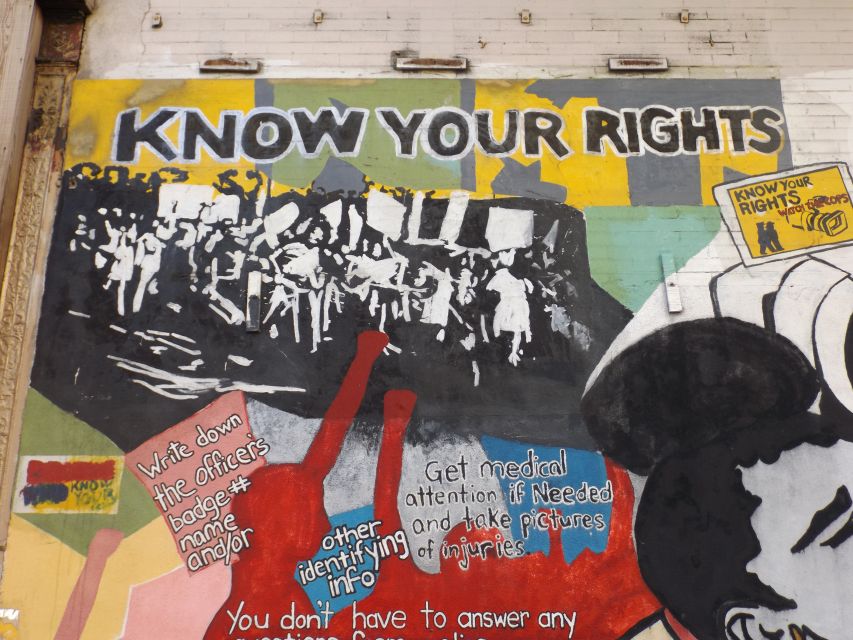
This is the part of the tour that gives you the “okay, I get it” moment. Two major locations anchor the walk: the original Temple No. 7 and Hotel Theresa.
Why these stops matter (and why a guide helps)
With landmarks like these, it’s easy to see a building and still miss the significance. A good guide translates the address into context: what was happening around it, who was connected to the scene, and why the place ended up in the Civil Rights narrative.
Here’s what I’d watch for as you go:
- When you arrive at a site, listen for how your guide links that location to the movement’s people and themes.
- Pay attention to transitions. The tour is designed so one stop doesn’t float alone. Each pause connects back to the broader arc of Harlem’s contributions to the fight for equality.
- Look for the neighborhoods-as-character angle. Harlem isn’t presented as a backdrop; it’s presented as an active participant, made of people, ideas, and organizing.
A practical consideration
The tour has a lot to cover in a short window. That doesn’t mean it skims—just that you should come in with flexibility. If you love ultra-detailed biographies, you may want to pair the tour with a bit of reading afterward so your favorite figures get their full depth.
The people behind the movement: Malcolm X, A. Philip Randolph, and more
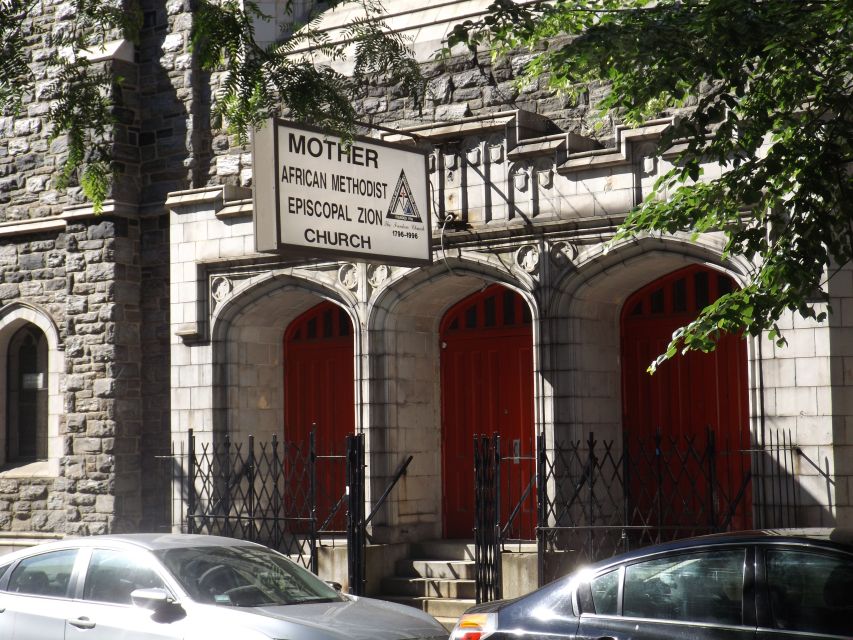
One reason this tour is so compelling is the range of names it includes. You’ll hear about leaders and cultural figures such as Malcolm X, A. Philip Randolph, Josephine Baker, Adam Clayton Powell, Jr., W.E.B. DuBois, and Paul Robeson.
What I like about this mix is that it avoids a one-note version of Civil Rights history. The movement wasn’t only marches and speeches. It also lived in media, culture, organizing, and public intellectual life. Harlem’s contribution shows up through that variety, and your guide uses the neighborhood route to show how these different strands intersect.
How to get more out of the names
As you walk, pick one or two figures to pay extra attention to. Then watch how the guide frames them alongside the others. That turns a list of famous names into a web of connections.
If you’re the type who remembers stories better than dates, you’ll probably enjoy the way the tour pulls people into scenes. If you’re more timeline-oriented, you’ll still benefit, because the tour’s structure helps you place each person into Harlem’s broader setting.
And since the guides leading this tour include people such as Carolyn and Jonathan (noted in reviews), you’re likely to get a tone that feels connected to the neighborhood, not just memorized facts.
Music during the walk: why the mingling changes everything
A walking tour can sometimes feel like a classroom with better views. This one avoids that trap by adding time to mix and mingle with the musicians.
That part matters because it adds emotional texture. History in Harlem isn’t only told; it’s heard and felt. When you meet musicians during the walk, you’re effectively getting a bridge between past and present—between the era’s organizing energy and the neighborhood’s continuing cultural voice.
Even if you’re not a “music person,” you’ll likely appreciate the change of pace. It breaks up the information load, and it turns the tour from a sequence of stops into a shared moment in the neighborhood.
Practical tip: don’t plan a super tight schedule afterward. You may want a few minutes to linger, talk, or take a couple extra photos once the music moment ends.
You can also read our reviews of more city tours in New York City






Lunch in Harlem: included, local, and worth the break
Lunch is included, and it’s not an afterthought. The tour includes the guide walking to and lunch at a local restaurant, which means you’re not left scrambling once you’ve covered your first stretch on foot.
In practice, this does two good things for you:
- It keeps the group together during a key break.
- It gives you a chance to eat in the neighborhood where the story is happening, instead of heading back toward where you started.
One review highlighted the lunch as delicious, and another pointed to it as a shared meal in a typical Harlem restaurant. I’d treat that as a sign that the lunch stop isn’t meant to be a box-check. It’s meant to be part of the day.
What to do before you go
Given it’s a 3-hour tour, plan on being hungry but also ready to move promptly after. If you have dietary restrictions, you’ll want to check with the operator when you book, since the specific restaurant isn’t listed in the provided details.
Price and value: is $82 fair for 3 hours with lunch?
At $82 per person, this isn’t a budget impulse buy. But when you break it down, the value story makes sense.
You’re paying for:
- a live guide for the full walk
- the walking portion from the 116th Street area up toward the 137th area
- lunch at a local restaurant as part of the experience
And importantly, you’re not paying for hotel pickup and drop-off. That can reduce the cost structure for the operator, and it also means you should plan to get to the meeting point on your own. If you’re already comfortable reaching Harlem by subway, that’s not a downside—it’s just part of the deal.
Who gets the best value
You’ll feel the strongest value if you want more than “see a few sites.” You want a guided connection between place, people, and the Civil Rights Movement—and you want lunch without logistics stress.
If you’re only interested in a quick photo stop list, then any guided walking tour with lunch will feel pricey. But if you enjoy stories and want to leave with a clearer understanding of Harlem’s role, the price lines up with what you get.
Logistics that matter: meeting point, pace, and what to bring
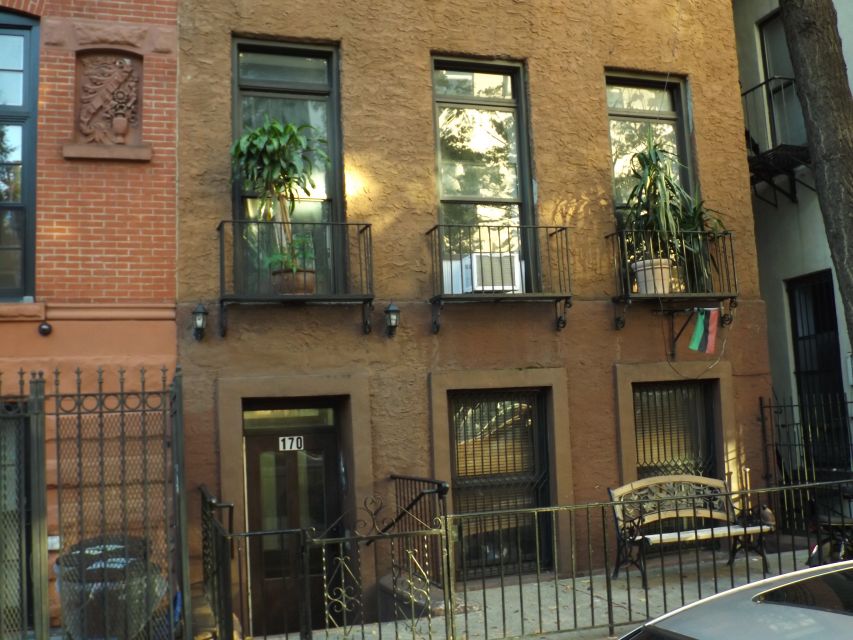
The meeting point is 116th Street and Lenox Avenue, in front of CVS. From there, you’ll walk as a group and hear the story laid over the streets.
Duration is 3 hours, which is long enough for meaningful context but short enough to fit into a day. Still, treat it like an active block of time. Bring comfortable shoes and keep your camera handy.
Also note:
- The tour is English with a live guide.
- It’s described as wheelchair accessible, which is good news if mobility is a factor for you.
One more practical thought: since you’re meeting on a specific corner, don’t try to arrive “right on time.” Arrive a few minutes early so you can settle in and get oriented without feeling rushed.
Who should book this Harlem Civil Rights tour?
This is a strong fit if you want:
- a walking tour that centers the Civil Rights Movement in Harlem, not just general neighborhood sightseeing
- time with a guide who can connect locations to names and themes, including Malcolm X, A. Philip Randolph, W.E.B. DuBois, and more
- a more human experience through music and a seated lunch stop
It’s also a good option if you’re visiting NYC and want to get out of midtown. One review specifically praised the chance to experience a different part of the city and called the trip up by subway worth it.
You might skip it if you already know the specific Harlem Civil Rights figures deeply and you prefer self-guided museums over a guided neighborhood route. But if you’d rather have someone help organize the story for you while you walk, this format is built for that.
Should you book this tour?
I’d book it if you want a structured, guided Harlem experience that connects the Civil Rights Movement to real streets and real landmarks—and you don’t want to spend extra time figuring out lunch.
It’s especially appealing for first-time Harlem visitors because the route gives you direction, the stops give you anchors, and the guide brings the neighborhood into the conversation. The included lunch lowers friction, and the music mingling helps the whole thing feel like something you lived through, not just something you studied.
If you’re on the fence, ask yourself one question: do you want a guided story with stops like Temple No. 7 and Hotel Theresa, plus lunch, in about 3 hours? If yes, this is an easy choice.
FAQ
How long is the Harlem Civil Rights Walking Tour with Lunch?
The tour lasts 3 hours.
What’s the meeting point for the tour?
Meet your guide at 116th Street and Lenox Avenue, in front of CVS.
What’s included in the price?
The price includes a guide for the walking portion and lunch at a local restaurant.
Is hotel pickup or drop-off included?
No, hotel pickup and drop-off are not included.
What should I bring?
Bring comfortable shoes and a camera.
Is the tour available in English?
Yes, the tour is in English.
Is the tour wheelchair accessible?
Yes, it’s listed as wheelchair accessible.
What is the cancellation policy?
You can cancel up to 24 hours in advance for a full refund.
Is there a reserve now, pay later option?
Yes. The booking option is reserve now & pay later, meaning you can book your spot and pay nothing today.