REVIEW · NEW YORK CITY
New York City: Harlem Gospel Experience Walking Tour
Book on GetYourGuide →Operated by Inside Out Tours · Bookable on GetYourGuide
Harlem sings before you even reach the church. This 4-hour Harlem Gospel Experience walking tour ties music, migration, and landmark streets into one easy route from the Schomburg Center onward. You’ll get the big-picture story of how Harlem formed, then see famous sites that shaped Black American culture.
I love the way the tour turns famous names into real places. Starting at the Schomburg Center for Research in Black Culture gives context you can feel as you walk, and the guide’s street-level stops connect history to what you’re seeing in front of you. The main thing to consider is the gospel service itself: it can feel more like a structured church program than the smooth, old-school gospel sound some people expect.
In This Review
- Key things that make this tour worth your time
- Starting at the Schomburg Center: context you can carry all day
- Harlem’s Dutch-era roots: why the neighborhood formed the way it did
- Walking the streets behind names you’ve heard: Apollo, Strivers’ Row, Hotel Theresa
- Harlem Hospital exterior: institutions that shaped everyday life
- Abyssinian Baptist Church and the church-world context of gospel
- The gospel service: what you’re really signing up for
- Price and value: is $59 fair for four hours?
- Pace and logistics: how to make the walking part easy
- Who should book this Harlem Gospel Experience?
- Should you book it?
- FAQ
- Where is the meeting point for the tour?
- How long is the Harlem Gospel Experience walking tour?
- What does the tour cost?
- Is hotel pickup and drop-off included?
- What’s included in the tour?
- Are food and drinks included?
- What languages are offered for the tour guide?
- What should I wear or bring?
Key things that make this tour worth your time
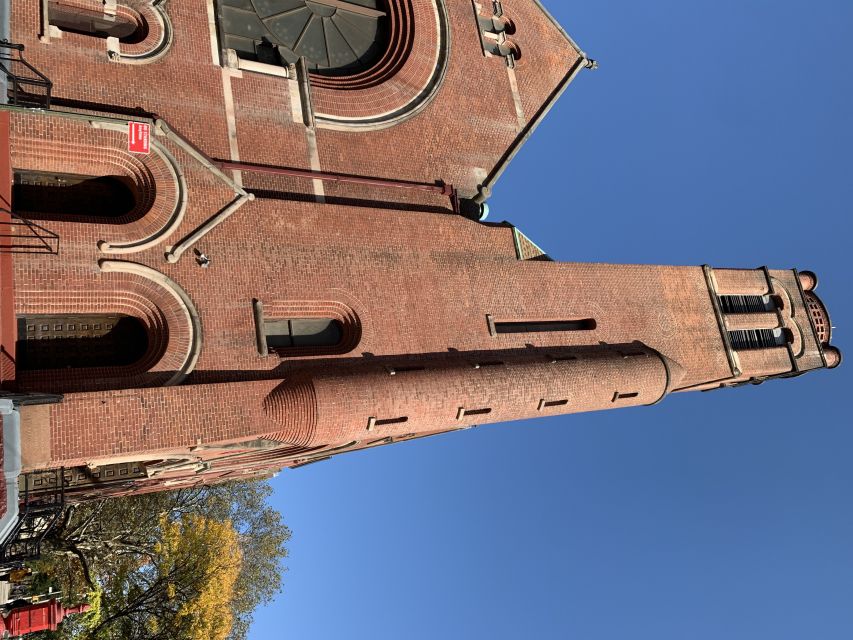
- Schomburg Center first: you start with research and context, not just street spotting
- Harlem’s Dutch-colony story: you learn why this area grew in the way it did
- Classic Harlem photo-and-story stops: Apollo-area landmarks, Strivers’ Row, Hotel Theresa, and more
- A real church experience: you can hear gospel music during a local service, not just from a stage show
- A licensed guide who links everything: history, music origins, and what the streets are telling you
Starting at the Schomburg Center: context you can carry all day
The tour meets at the Schomburg Center for Research in Black Culture, right on Malcolm X Boulevard. That matters more than you might think. If you walk Harlem with no framework, you’ll collect photos but miss the why. Starting here puts you in the right mindset: this neighborhood isn’t just a collection of landmarks. It’s a living archive.
From the beginning, the tour connects culture to scholarship. You’ll hear how research, community memory, and storytelling are tied to Harlem’s influence on Black America and beyond. It sets up everything that follows, including the tour’s music focus—especially the origins of gospel music and how that sound developed over time.
You’ll also learn how to read the neighborhood while you walk: what to notice on a facade, what a street name can signal, and how different institutions shaped daily life. It’s a smarter way to tour Harlem than hopping from one sight to another with no thread.
You can also read our reviews of more walking tours in New York City



Harlem’s Dutch-era roots: why the neighborhood formed the way it did
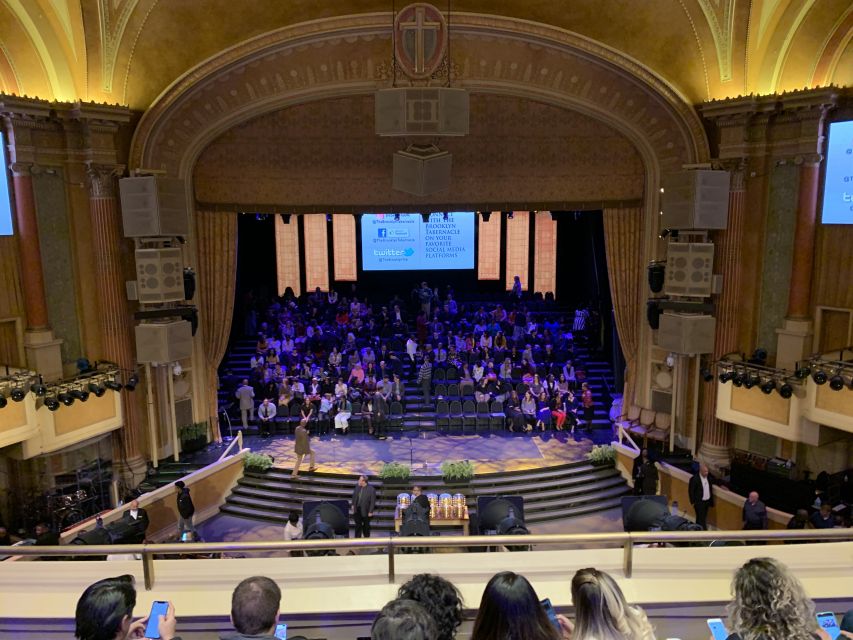
One of the most interesting parts is the tour’s explanation of Harlem becoming the second Dutch colony on Manhattan. That might sound like a history footnote, but it changes your perspective.
When you understand the early colonial layout and land development, Harlem stops being a random name in a song lyric and becomes a place with layers. You’ll connect those layers to later waves of migration and community growth—so the modern Harlem you see has a backstory that goes deeper than the jazz and gospel era.
This also helps you understand why Harlem developed the way it did: neighborhoods evolve when land ownership, institutions, and transportation shift. The tour keeps that story moving so you’re not stuck in dates. It’s the kind of background that makes you look up from your phone and start noticing patterns.
Walking the streets behind names you’ve heard: Apollo, Strivers’ Row, Hotel Theresa
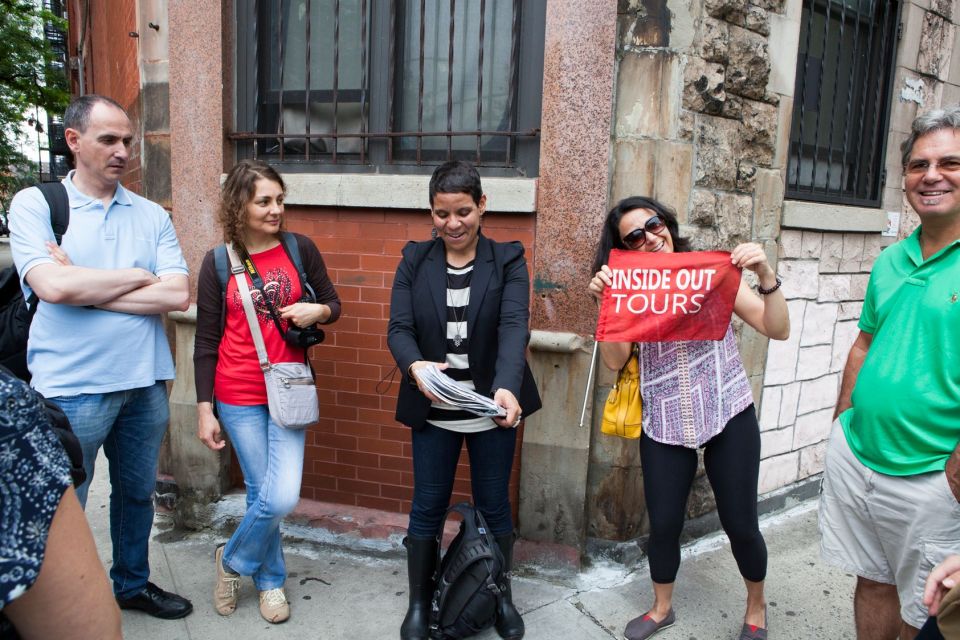
A major draw of this tour is that it doesn’t only point out famous buildings. It links them to the kind of creative momentum Harlem became known for.
You’ll spend time with iconic Harlem sites tied to the entertainment era. The Apollo Theater area is part of the route, and it’s a good stop because it represents performance as community power—not just entertainment. When you hear about gospel’s roots alongside the stage tradition of Harlem, you can see how different musical forms influenced each other in the same streets.
The tour also includes Strivers’ Row and Hotel Theresa. Those stops are valuable because they make the neighborhood’s social story easier to grasp. You’re not just looking at architecture; you’re seeing how people lived, aspired, and built community visibility. If you like walking tours that teach you how neighborhoods work, these street-level stops deliver.
One practical note: some stops are exterior views. That’s normal for a walking tour. It also means you’re free to focus on what you can actually verify with your eyes—street context, building scale, and how blocks feel as you move through them.
Harlem Hospital exterior: institutions that shaped everyday life
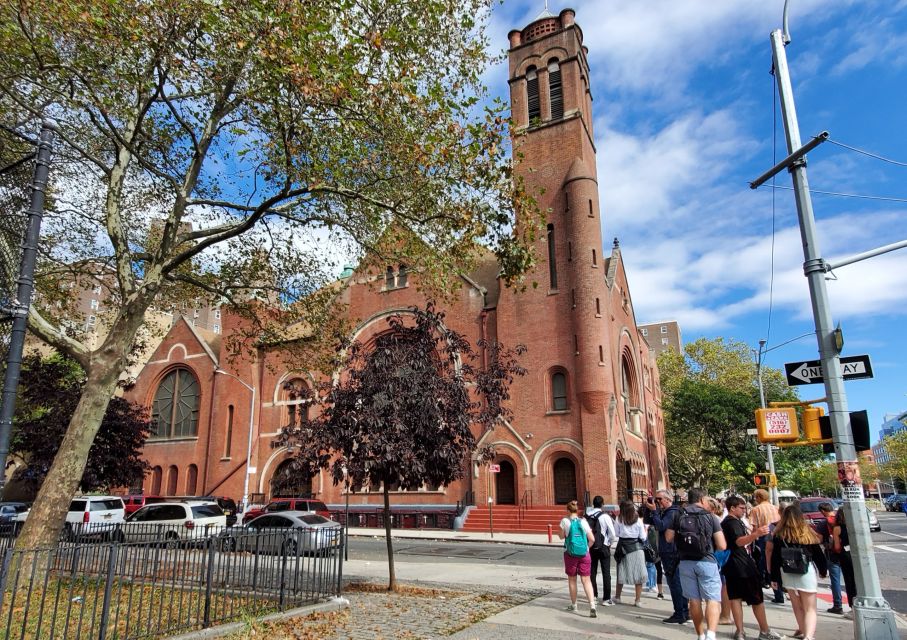
The tour includes the exterior of Harlem Hospital. Even without going inside, it’s a strong stop because hospitals are anchor institutions. They reflect where resources were placed, how healthcare access evolved, and how the neighborhood’s needs were met.
This kind of stop helps you widen the story beyond music. Gospel and performance are center stage in this tour, but Harlem’s identity also grew through work, support systems, and community resilience. Seeing Harlem Hospital from the outside keeps the tour grounded in everyday reality, not just legend.
If you’re the kind of person who likes to connect culture to the practical world—where communities gathered, worked, and cared for each other—this is one of the route stops that earns its place.
Abyssinian Baptist Church and the church-world context of gospel
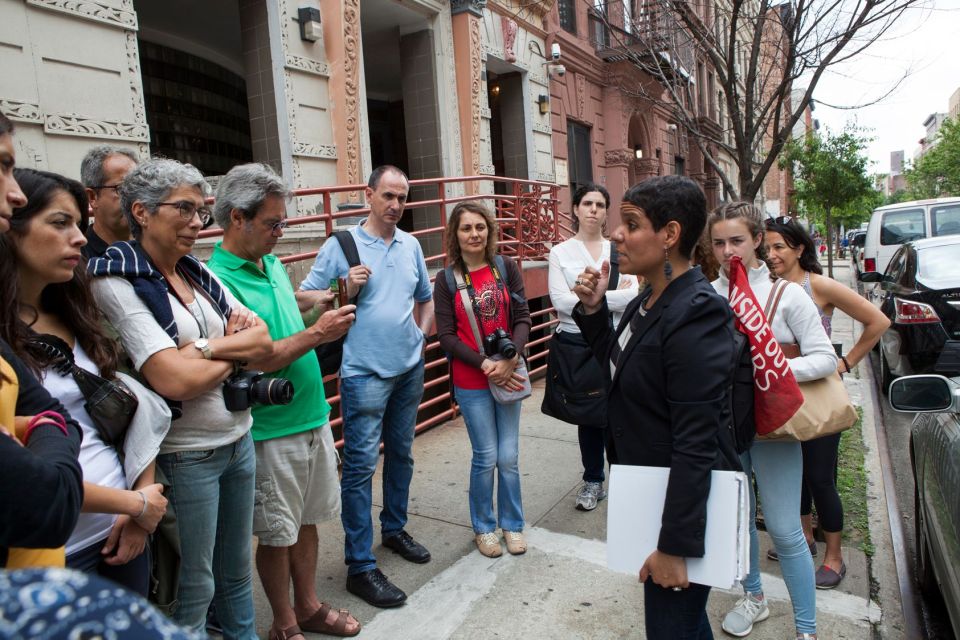
You’ll visit stops connected to gospel culture, including the Abyssinian Baptist Church area. Even when you’re not stepping into every space, the tour’s approach helps you understand what churches represent in Harlem: not only places of worship, but also social hubs where music, leadership, and community life overlap.
The guide also covers the origins and development of gospel music. That matters because gospel isn’t one sound. It’s a tradition shaped by history, theology, and community experience. When the tour sets up gospel’s evolution before you go into a service, you’re more likely to hear what’s happening musically instead of just judging it as loud or different.
You’ll also pick up a sense of how different styles emerged over time, and why modern gospel can sound different from what visitors expect.
You can also read our reviews of more city tours in New York City






The gospel service: what you’re really signing up for
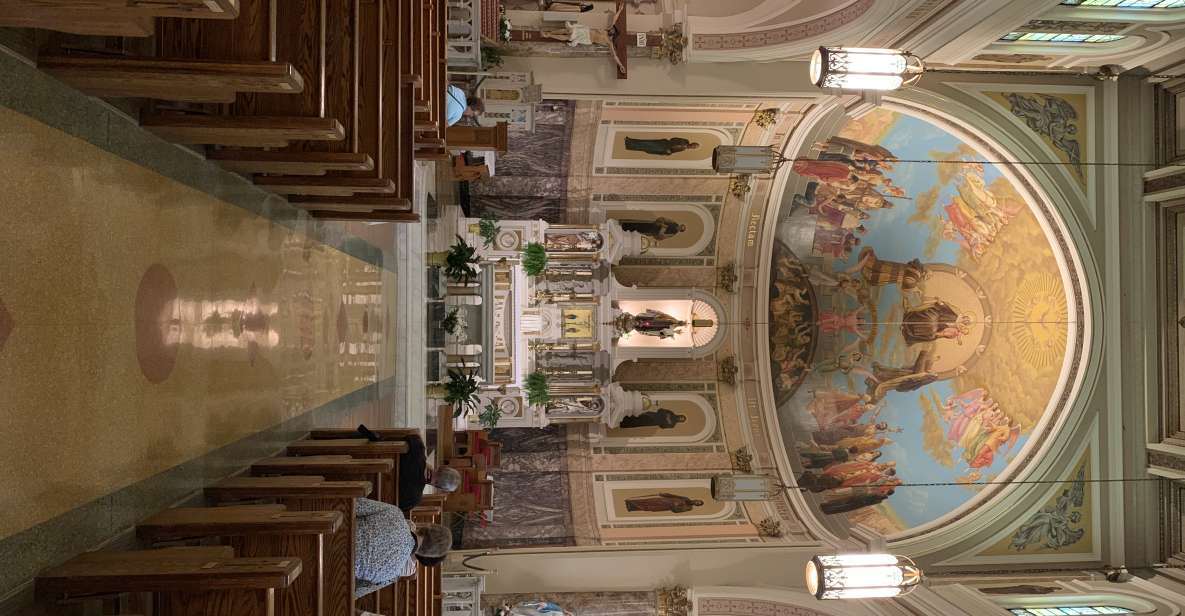
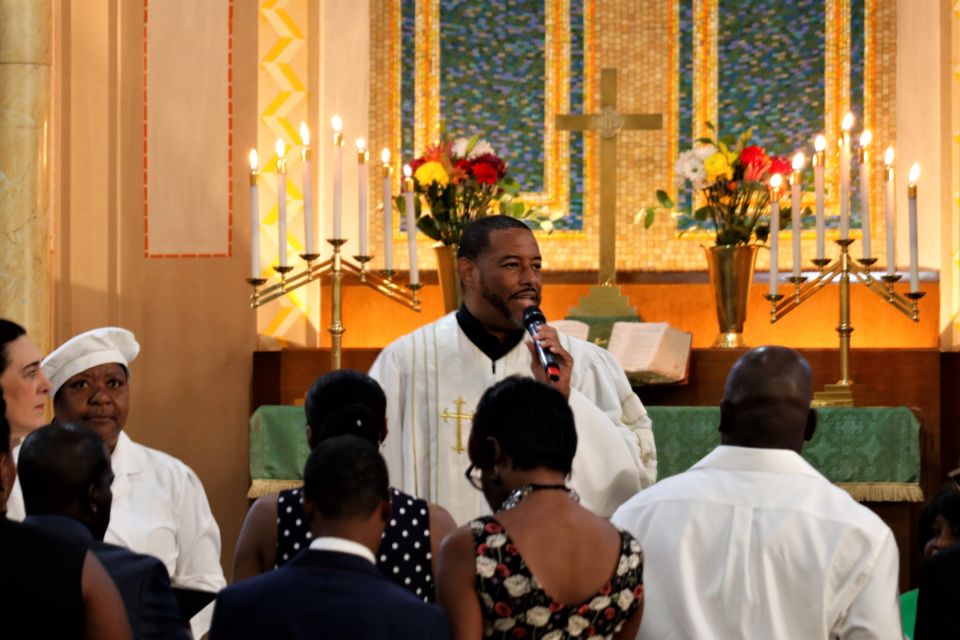
After the walking portion, the tour gives you a chance to experience gospel music during a service in a local church. This is the moment that turns the day from sightseeing into something more personal.
A few details are worth weighing before you go in:
- Go in expecting a church service, not a concert. The tone, timing, and flow follow a faith community’s needs.
- The sound can be more modern and program-driven than older-style TV gospel. If you’re picturing smooth harmonies with the exact vibe you may associate with European TV performances, you might find it different. One common reaction is that the music can feature modern rhythms and a style that doesn’t match everyone’s expectations.
- It can feel structured with groups. If you want one-on-one choir spotlight moments the whole time, set that expectation carefully.
That said, the payoff is real if you’re open-minded. A gospel service is living culture. Even if it’s not the version you imagined, you’ll still come away with a better understanding of how gospel functions as worship and community expression.
Also, churches are sometimes cold. One practical heads-up from experience: air conditioning can be strong, and you might want a light jacket even in warm weather. It won’t hurt, and it can save you from spending the service shivering.
Price and value: is $59 fair for four hours?
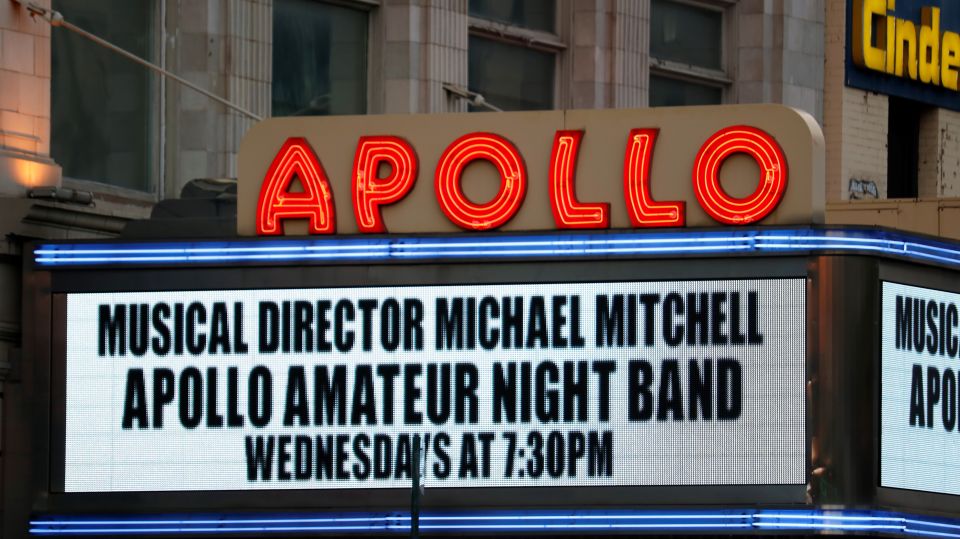
At $59 per person for about 210 minutes, this tour is priced like a mid-range guided experience. The value comes from three things you’re getting together:
1) A licensed, live guide covering history and music
2) A curated walking route through multiple meaningful Harlem stops
3) A chance to attend a local gospel service, which is not just watching from a distance
You’re also not just paying for narration. You’re paying for context. Harlem is dense with stories, and without a guide you’ll likely miss the connections between institutions, migration, and musical development.
If you want a quick Harlem overview with a culture-and-music thread, this price feels reasonable. If you’re purely chasing a performance show, you may find it more satisfying to look for a concert-style event instead. This one is built around walking plus worship.
Pace and logistics: how to make the walking part easy
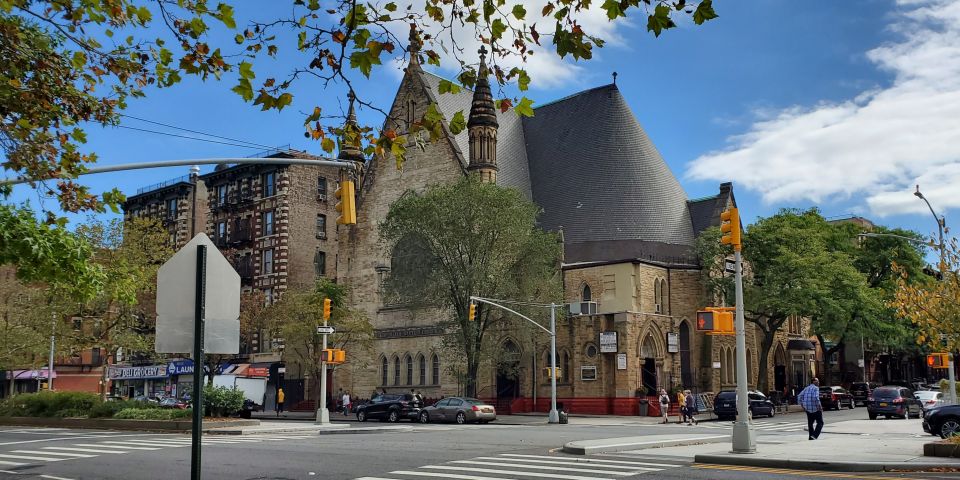
This is a 4-hour tour with a walking route and stops outdoors. That means your comfort matters almost as much as the sites.
Bring comfortable shoes—really. The tour also has a dress rule: no sandals or flip-flops, and no shorts. That’s usually about respectful church comfort and practical footing.
For a smooth day, I’d plan like this:
- Wear layers, since you’re outdoors and then inside a church
- Use a light jacket or sweater for A/C
- Bring water for the walking portion, even though food and drinks aren’t included
- Keep your camera ready, because exterior landmarks make it easy to grab good angles as you move block to block
Also, there’s no hotel pickup or drop-off. You’ll meet in front of the Schomburg Center at 515 Malcolm X Blvd, and you’ll handle your own transport before and after.
Who should book this Harlem Gospel Experience?
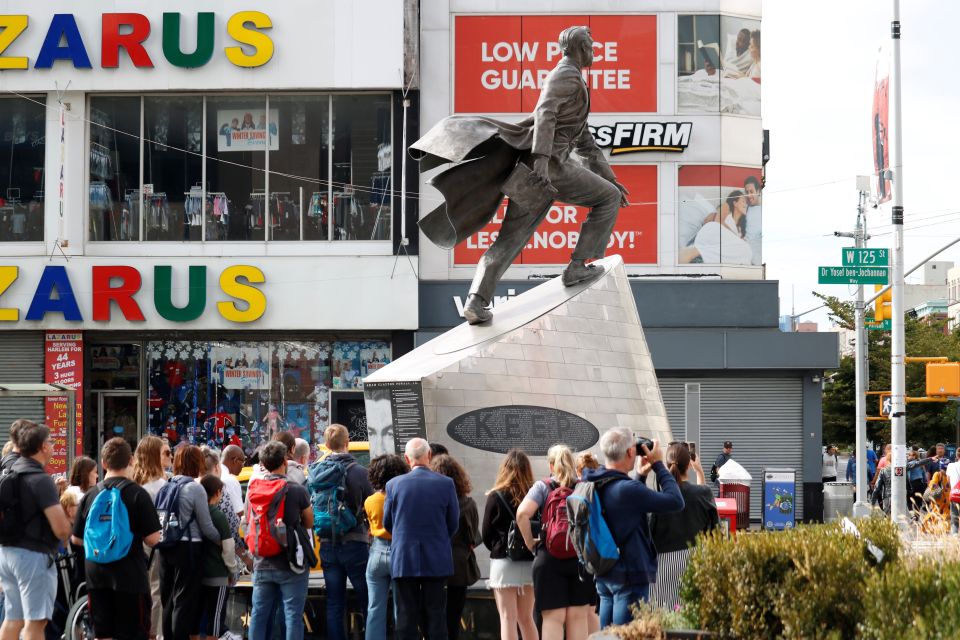
This tour is a great match if you want:
- A guided Harlem walk that links culture, history, and music origins
- Iconic landmarks with explanation, not just quick photo stops
- A real church service experience, as part of the day’s plan
It’s also a smart choice for first-time visitors to Harlem who want direction. Instead of wandering, you follow a route with reasons. And the multilingual guide option—English, French, Spanish—makes it easier for mixed-language groups to stay together.
If you’re a strict “only the traditional old-school gospel sound” listener, you’ll want to go in with flexible expectations about what you’ll hear.
Should you book it?
I’d book it if you want a guided, story-focused Harlem morning-to-afternoon that ends with an authentic gospel service experience. The Schomburg Center start is especially strong for first-timers because it gives you context before the tour starts showing you the famous streets.
I’d skip or reconsider if your priority is a polished concert-style performance with a specific version of gospel. This tour includes worship culture and church structure, and that can feel different depending on your musical expectations.
If you do book, pack a jacket, wear solid shoes, and keep an open mind. Harlem gospel is powerful even when it surprises you.
FAQ
Where is the meeting point for the tour?
Meet in front of the Schomburg Center at 515 Malcolm X Blvd, New York, NY 10037.
How long is the Harlem Gospel Experience walking tour?
The duration is 210 minutes, about 4 hours.
What does the tour cost?
The price is $59 per person.
Is hotel pickup and drop-off included?
No. Hotel pickup and drop-off are not included.
What’s included in the tour?
A NYC licensed tour guide is included.
Are food and drinks included?
No. Food and drinks are not included.
What languages are offered for the tour guide?
The live tour guide is available in English, French, and Spanish.
What should I wear or bring?
Bring comfortable shoes. Sandals/flip-flops and shorts are not allowed.