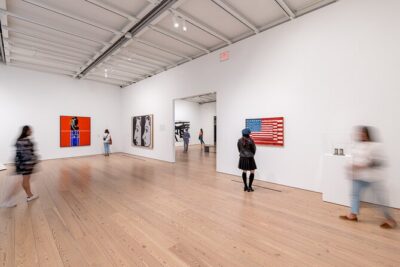
REVIEW · NEW YORK CITY
New York City: Museum of Broadway Entry Ticket
Book on GetYourGuide →Operated by Broadway Inbound · Bookable on GetYourGuide
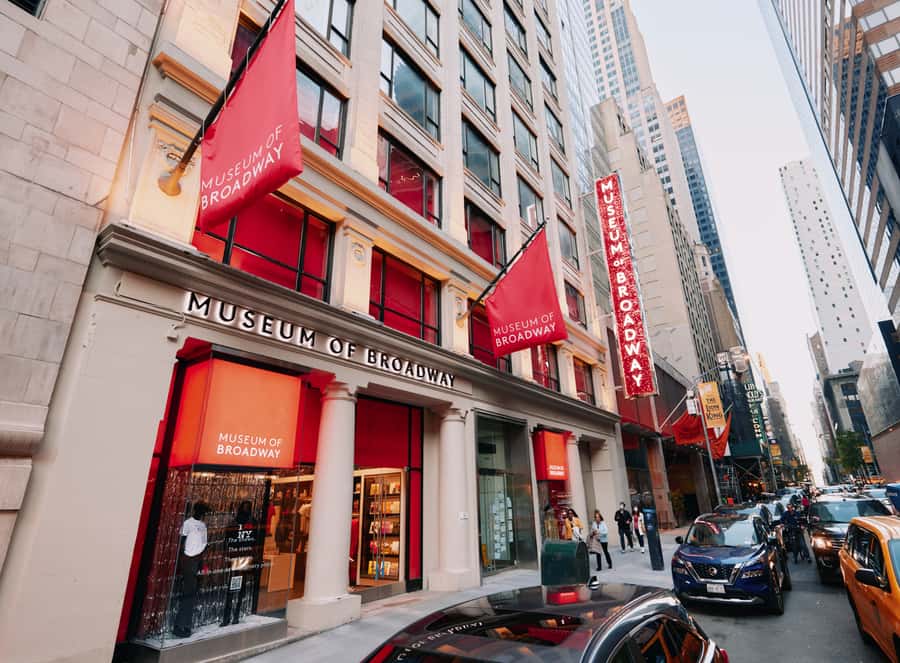
Broadway history, minus the seat. With this Museum of Broadway entry ticket, you get an interactive video timeline of how the Great White Way grew from its early days to what you see now, all in the heart of Times Square.
I especially like the behind-the-curtain look at what it really takes to mount a Broadway show, including the many unseen jobs that rarely get credit. One caution: the museum can get crowded, so if you only have an hour, you’ll feel rushed.
Key highlights worth your attention
- Times Square location makes it easy to slot in between shows and skyline walks
- Drama-filled Broadway timeline covers pioneers, major eras, and how the theater world expanded
- Behind-the-scenes learning focuses on the full chain of work required to create a musical
- Socially progressive moments show Broadway moments that challenged norms
- Design-led exhibits use creations by internationally renowned artists and designers, plus costumes and props
In This Review
- Museum of Broadway in Times Square: Your 1-Day Ticket Setup
- The Timeline Galleries: Broadway From Its Early Days to Today
- Behind the Curtain: The Jobs You Usually Never See
- Social Change on Stage: Broadway Moments That Challenged Norms
- Design-Led Exhibits, Costumes, Props, and Photo Stops
- How Much Time You Actually Need (And What If You’re Short)
- Price and Logistics: Getting Value From a $41 Ticket
- Who Should Book This Broadway Museum Ticket?
- Should You Book the Museum of Broadway Entry Ticket?
- FAQ
- What does the Museum of Broadway entry ticket include?
- Where is the Museum of Broadway located?
- How long should I plan to spend at the museum?
- Is the ticket refundable?
- Can I bring a stroller into the exhibit areas?
- Are service animals allowed?
- Are there age rules for children?
Museum of Broadway in Times Square: Your 1-Day Ticket Setup
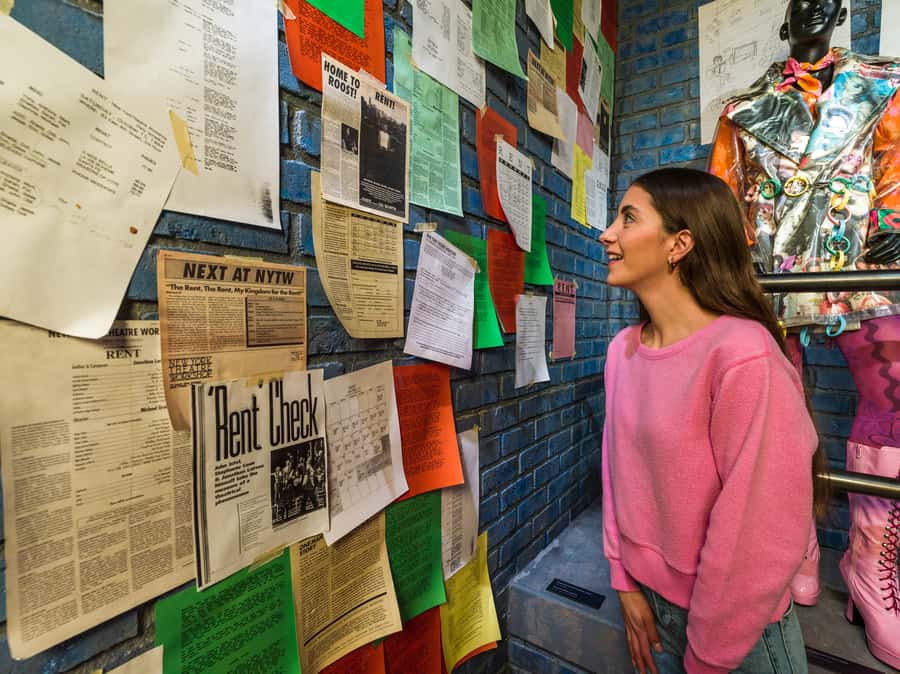
The Museum of Broadway sits right where you expect it to: Times Square. This is the kind of stop that works even when your schedule is tight, because the experience is built around walk-in entry and self-guided exploration.
The ticket is priced at $41 per person for a 1-day visit. That sounds steep until you remember you’re paying for a multi-floor museum experience, not a quick photo stop. You’re also paying to understand what you’re about to see onstage, which can make later theater time feel smarter and more fun.
When you arrive, you’ll present your voucher at the Museum of Broadway. Plan to spend real time inside. Some visitors finish quickly, but if you want details, the exhibits need your attention. The museum is designed for standing, reading, and looking closely at materials—so wear shoes you trust.
There’s also a practical reality check: strollers aren’t allowed beyond the lobby and merchandise store, and you’ll be required to check them before entering the exhibit areas. If you’re traveling with a kid in a stroller, plan that out early.
And yes, it’s clean and well run. You’ll see thoughtful touches like lockers for keeping bags out of the way, which matters when you’re bouncing between Times Square streets and museum floors.
The Timeline Galleries: Broadway From Its Early Days to Today
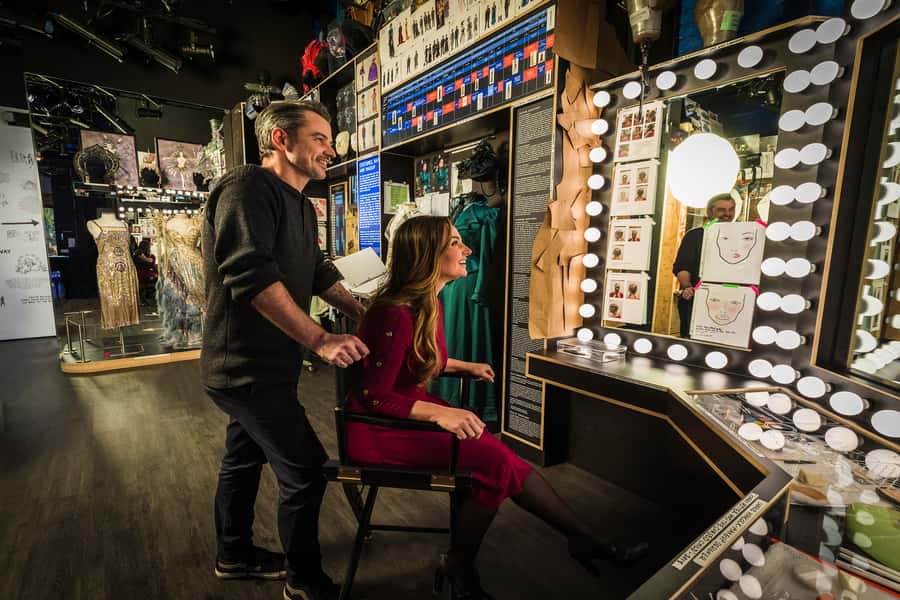
The core of the museum is a timeline of Broadway history, built to be more watch-and-see than read-and-sit. Expect immersive videos that map Broadway’s growth through major moments and changing tastes over time. The idea is simple: you get context, then you move on to the next era.
You’ll see the story of theater’s pioneers and how Broadway expanded beyond just shows into a larger cultural force. The exhibits are structured so you can follow the progression without needing a textbook in your bag. Even if you’re new to Broadway, the timeline gives you enough backbone to recognize the significance of what came later.
What I like about the timeline format is that it avoids making history feel like homework. The museum uses drama and momentum—history with plot. It also keeps the focus on theater as a living machine, where trends, performers, and production choices all interact.
The museum is also organized across three floors, and that vertical layout helps you keep your bearings. Reviews frequently call out that the floors are well done and easy to enjoy at a slow pace, especially if you pause to look at details, not just speed through.
One thing to keep in mind: crowding can happen. This means your visit can feel very different at 10:00 a.m. than at later hours. If you’re sensitive to tight spaces, aim for a less busy time and don’t cram everything into the last minutes.
You can also read our reviews of more tours and experiences in New York City



Behind the Curtain: The Jobs You Usually Never See
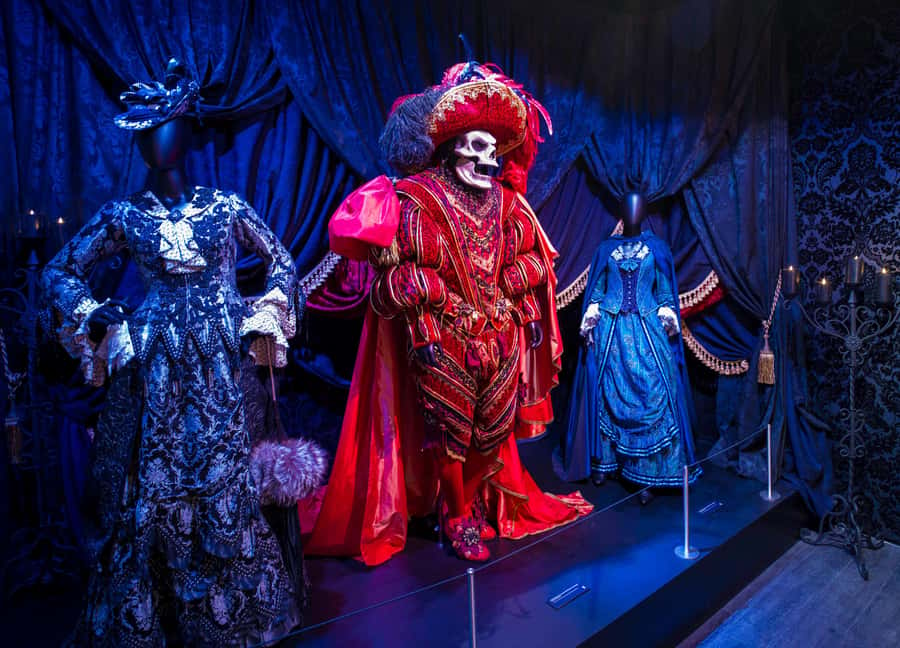
Broadway is the final product onstage, but the museum’s big win is how it explains the production work behind the curtain. The exhibits focus on what it really takes to make a Broadway show—the unseen jobs, not just the headline performers.
You’ll get an inside view of the process and the many roles required to bring a musical to life. That backstage focus is one of the most compelling parts of the museum, especially if you’ve ever watched a performance and wondered how all the moving parts line up.
This is also where the museum leans into hands-on and real-world materials. You can expect costumes and props connected to well-known productions, which helps you connect the abstract idea of theater production to something tangible. Seeing stage-used elements makes the production process feel less like magic and more like craft.
It also helps explain why Broadway shows can look effortless while still being technically complex. The museum doesn’t just say what happens; it builds a sense of how decisions are made and how labor shows up in every detail you watch.
If you’re traveling with non-theater folks, this backstage section can be a helpful bridge. It shifts the conversation from story plots to teamwork, logistics, and creativity—stuff that can interest people who aren’t already Broadway obsessives.
Social Change on Stage: Broadway Moments That Challenged Norms
One of the museum’s standout themes is how Broadway intersected with social change. The exhibits highlight socially progressive moments—times when theater pushed creative boundaries and challenged social norms.
This matters because Broadway isn’t only entertainment. It reflects the era it lives in, sometimes ahead of the culture and sometimes responding to pressure from society. When the museum points out these turning points, it gives you a way to watch later shows with extra context.
If you’re the kind of person who likes to understand what art is reacting to, you’ll appreciate how these moments are folded into the timeline. Instead of treating the story of Broadway as only dates and productions, you get the human side—ideas, debates, and change.
And if you already know a lot about theater history, this section still earns its keep. It’s not just trivia. It’s a reminder that stage innovation has always been tied to who gets to be seen, who gets to tell stories, and what society will allow.
Design-Led Exhibits, Costumes, Props, and Photo Stops
The museum experience isn’t only informational. It’s also built to be visually engaging, and the design work is part of the package. The exhibits are described as being designed by internationally renowned artists and designers, and you feel that in the look and flow of the galleries.
You’ll also find themed rooms and hands-on areas. Some visitors mention photo spots too, which makes it easier to take a break without losing momentum. You’ll want a few minutes to step back and look around, because the museum is set up for noticing layout details as much as content.
Costumes and props are a big deal here. Reviews repeatedly point to stage-used items from a wide variety of shows, and that’s exactly what makes Broadway feel real. Paper descriptions are fine, but costumes and props let you see scale, materials, aging, and the work that goes into making something believable onstage.
If you’re a theater nerd, you’ll likely slow down at the display cases. If you’re not, you’ll still enjoy the way the exhibits turn production elements into approachable story points.
At the end, there’s also a shop for Museum of Broadway and Broadway merchandise. It’s a practical add-on for anyone who wants a souvenir that matches what you just learned, not just a generic Times Square item.
How Much Time You Actually Need (And What If You’re Short)
This is one of those museum tickets where your schedule decides your mood. If you only have an hour, it can feel rushed. One review notes that feeling rushed with limited time, which makes sense in a three-floor museum with lots of small details.
On the other hand, give yourself a couple of hours and the visit becomes more satisfying. Reviews mention emerging after about two hours, and another says to allow a couple of hours to get the most from your experience. That’s a solid rule of thumb.
Here’s a simple way to plan your flow:
- Spend more time on the sections that match your interests (timeline vs. backstage vs. social change).
- If you’re short on time, prioritize the timeline and the behind-the-curtain area first, then circle back for costumes and props.
Also remember the building requires plenty of walking and stairs. If you have physical limitations, plan around the fact that you’ll likely be on your feet a lot and climbing multiple flights of stairs. This is mentioned as something to watch if you have mobility challenges.
And don’t forget the crowd factor. The museum can get busy in parts, but lockers and practical layout help you keep things manageable.
You can also read our reviews of more city tours in New York City





Price and Logistics: Getting Value From a $41 Ticket
Let’s talk value, because $41 for a museum can either be a smart buy or a regret depending on what you want.
If you love Broadway stories, appreciate theater craft, or plan to see a show later, the museum can act like a “pre-show guide.” You’ll walk into the theater with better context—what you’re noticing, what you’re looking for, and what production effort you should respect.
If you’re traveling with a group and not everyone shares theater knowledge, this ticket can still work. The exhibits are structured so you can enjoy them at different depth levels. Timeline watchers get their path. Costume-and-prop lovers get their eye candy. People who like social topics get the progressive moments. And everyone gets a backstage lens that ties it together.
Logistics are fairly straightforward: check in with your voucher at the museum. It’s non-refundable, so commit only if your timing is solid. The activity is also described as non-refundable again in the details, so treat this as a firm plan.
One more practical note: strollers have restrictions beyond the lobby and merchandise store. If you need to bring one, plan time for checking it before you reach exhibit areas.
For families: kids 12 and under must be accompanied by an adult 18 or older. If that applies to your group, you’re good, but it’s worth remembering so you don’t get surprised at the start.
Who Should Book This Broadway Museum Ticket?
This experience is a strong fit if you want more than a quick look at Times Square.
You’ll likely enjoy it most if you’re:
- A Broadway fan who wants context behind famous shows
- A theater craft fan who cares about costumes, props, and production roles
- A visitor who likes museum experiences that blend videos, exhibits, and storytelling
- Traveling with a mix of theater knowledge levels and want shared ground
It might not be your best choice if you hate crowds, need lots of seating breaks, or only have a short, one-hour window with no flexibility. In that case, you may feel rushed and miss the details that make the museum rewarding.
Should You Book the Museum of Broadway Entry Ticket?
I think it’s worth booking if you want to leave the museum feeling like you understand Broadway better—especially the timeline and the backstage work behind shows. The $41 price makes more sense when you treat it like a guided education through exhibits, not just a stop for photos.
Book it if:
- You’re planning a Broadway show soon and want deeper context
- You like interactive media, costume and prop displays, and museum design
Skip or reconsider if:
- You only have time for a quick hit and dislike stairs or standing a lot
- You’re traveling with constraints like stroller limitations and you don’t have a plan for checking it
If you can, give yourself about two hours so you’re not sprinting through the floors.
FAQ
What does the Museum of Broadway entry ticket include?
It includes museum entry. You present your voucher at the Museum of Broadway to enter.
Where is the Museum of Broadway located?
The museum is located in the heart of Times Square in New York City.
How long should I plan to spend at the museum?
The activity is listed as duration 1 day, and it’s best to plan time to explore. Some visitors note that an hour can feel rushed, while a couple of hours feels more comfortable.
Is the ticket refundable?
No. The activity is non-refundable.
Can I bring a stroller into the exhibit areas?
Strollers are not allowed beyond the lobby and merchandise store, and you will be required to check them before entering the exhibit areas.
Are service animals allowed?
Yes, service animals are permitted as authorized by applicable law.
Are there age rules for children?
Yes. Guests 12 and under must be accompanied by an adult who is 18 or older.