REVIEW · NEW YORK CITY
New York: Hamilton and Washington Revolutionary Walking Tour
Book on GetYourGuide →Operated by Snoring Dog Productions, Inc. · Bookable on GetYourGuide
Hamilton and Washington come alive nearby. This 3-hour walk in Lower Manhattan turns landmarks into scenes you can picture, from the Declaration of Independence to the people behind the new nation.
I like that the tour is led by a licensed New York City guide and historian with a master’s degree in American history, backed by years of on-the-ground expertise. I also like the hands-on storytelling choices, like the rousing Declaration reading reenactment and the use of period visuals that make the era feel close, not dusty.
One possible drawback: because it runs in snow, rain, or shine, you’ll want good weather clothing and comfortable shoes, or the walk could feel longer than it is.
In This Review
- Key moments you will hit
- Starting at Bowling Green: Hamilton’s U.S. Custom House meet-and-greet
- July 9, 1776: the Declaration reading that changes the pace
- From protests to power: the King George III statue-takedown moment
- Battle of Brooklyn and Washington’s retreat: why this walk feels intense
- Fraunces Tavern farewell: the emotion behind Washington’s leadership
- Washington as first president: the inauguration site and the meaning of continuity
- Young Hamilton’s New York: ambition with consequences
- Hamilton’s financial plan and the birth of stability
- The first U.S. Congress and the Hamilton-Burr rivalry
- Seeing the resting place of Hamilton and Eliza Schuyler Hamilton
- What you’ll actually learn (and why it’s worth 3 hours)
- Who this tour suits best
- Should you book this Hamilton and Washington Revolutionary Walking Tour?
- FAQ
- How long is the New York Hamilton and Washington Revolutionary Walking Tour?
- How much does it cost?
- Where do I meet the guide?
- What language is the tour guide?
- What happens during the tour?
- Is the tour canceled if the weather is bad?
- Is food included?
- What should I bring?
- Are pets allowed?
- Is there free cancellation?
Key moments you will hit
- Declaration reenactment on July 9, 1776 that sets the tone fast
- Battle of Brooklyn with the story of Washington’s daring retreat
- Fraunces Tavern farewell and why that moment mattered
- Hamilton’s financial plan and the ambition behind it
- The first U.S. Congress through the lens of early federal power
- Hamilton and Eliza Schuyler Hamilton resting place to close the loop on legacy
Starting at Bowling Green: Hamilton’s U.S. Custom House meet-and-greet
Your tour begins right at 1 Bowling Green, on the steps of the Alexander Hamilton U.S. Custom House. If you’ve ever walked past Lower Manhattan without stopping, this is a good way to slow down. The area puts you in the right mood: government, commerce, and ambition in one compact pocket.
Meet-up here also helps you get your bearings quickly. It’s a clear, recognizable starting point, and it matters because the first part of the walk is about framing the whole Revolution in plain terms.
Bring comfortable shoes and plan to dress for the weather. The tour runs in snow, rain, or shine, so you’re not just sightseeing for fair-weather days.
You can also read our reviews of more walking tours in New York City



July 9, 1776: the Declaration reading that changes the pace
The tour’s signature moment is the re-enactment of the reading of the Declaration of Independence on July 9, 1776. Even if you know the big dates, this kind of staged moment forces you to pay attention to what the Declaration represented at the time: a break in political reality, not just a document you can skim.
What I like about this choice is that it gives you an anchor. After you hear the story framed through that reading, you’ll understand why later events feel so urgent. The Revolution isn’t only battles and speeches. It’s decisions that risk everything.
And since the guide uses gripping stories and vivid period images, the point is not just facts. It’s atmosphere. You’re meant to leave with a feeling for how people processed history while it was happening.
From protests to power: the King George III statue-takedown moment
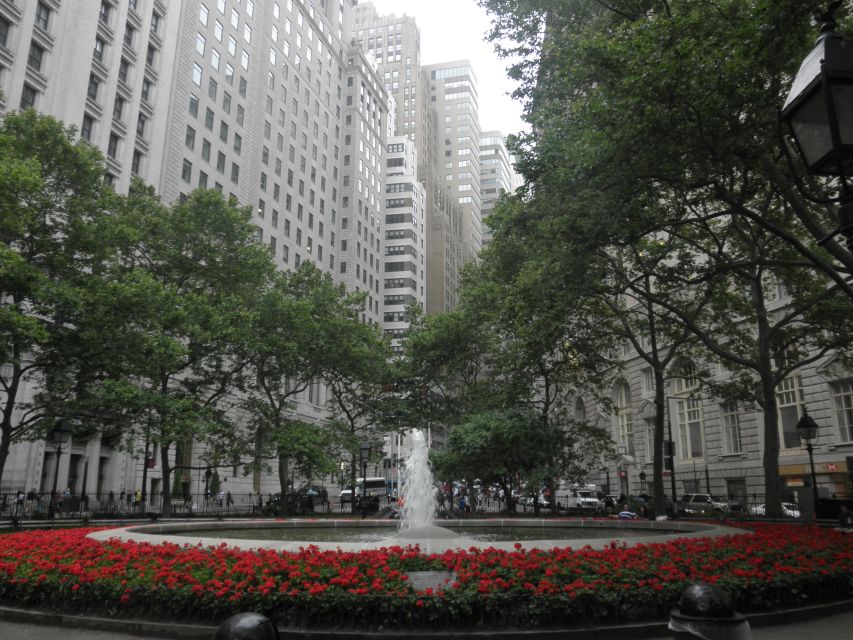
As you move through Lower Manhattan, you’ll stop at a historic park tied to colonists tearing down a statue of King George III. This is the Revolution at the street level. It’s not polished; it’s public, messy, and political.
This stop is especially valuable because it gives you the full shape of conflict. You see how resistance could start before armies ever met in full force. It also helps you understand how public emotion fed into military decisions.
If you like your history grounded in everyday action, this part delivers. It’s short, but it sharpens your perspective fast.
Battle of Brooklyn and Washington’s retreat: why this walk feels intense
One of the biggest story beats is the Battle of Brooklyn, followed by Washington’s daring retreat. This is where the tour starts to feel like a living narrative instead of a list of names.
The value here is that the guide doesn’t treat the battle like a single scene. You get the lead-up, the stakes, and the aftermath. You also get why retreat can be both heartbreaking and brilliant. Not winning immediately doesn’t mean losing the war.
It’s also a reminder that leaders faced impossible odds. Washington’s decisions weren’t theoretical. They were made with limited information, fast-changing threats, and civilians watching the outcome.
If you’re coming as a Hamilton fan, this part helps too. Hamilton’s era follows this kind of chaos. You start seeing how the later political fights grow out of earlier survival instincts.
Fraunces Tavern farewell: the emotion behind Washington’s leadership
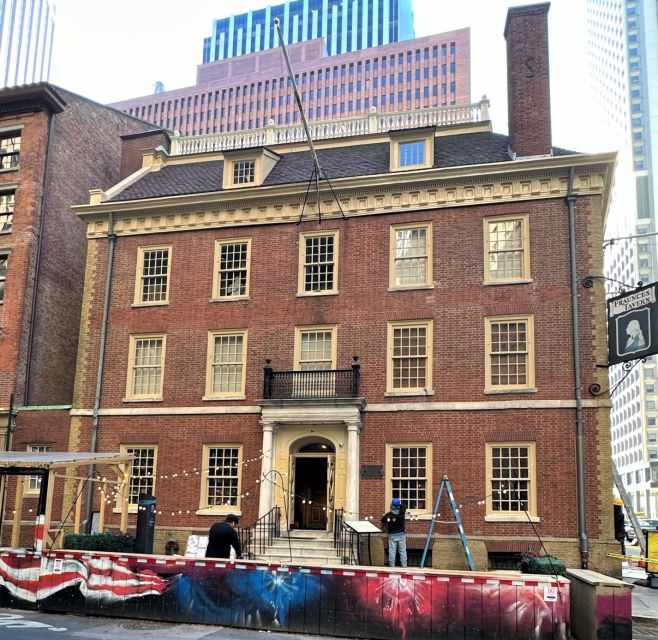
Next up is Fraunces Tavern, the famous spot where Washington gave a moving farewell to his officers. This stop adds something the classroom version often skips: emotion, fatigue, and the human cost behind command decisions.
It’s one thing to know Washington was a great leader. It’s another to hear the story of what farewell meant when the war’s outcome still wasn’t secure. The guide’s emphasis on gripping storytelling makes this scene land in a personal way.
After the intensity of Brooklyn, the farewell works like a breath. It shows you leadership after crisis—how people process separation when the future is uncertain.






Washington as first president: the inauguration site and the meaning of continuity
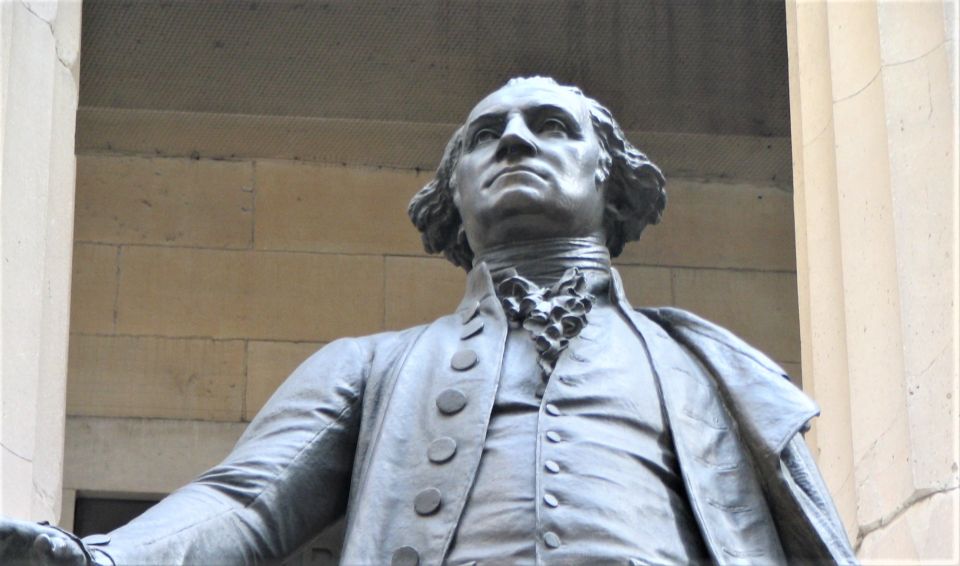
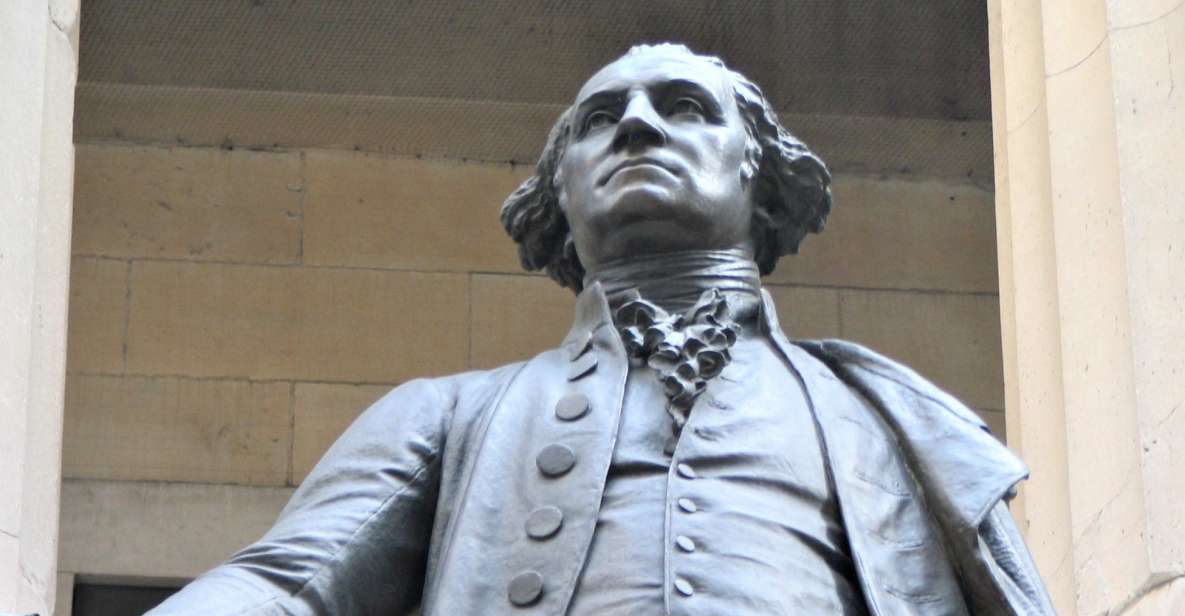
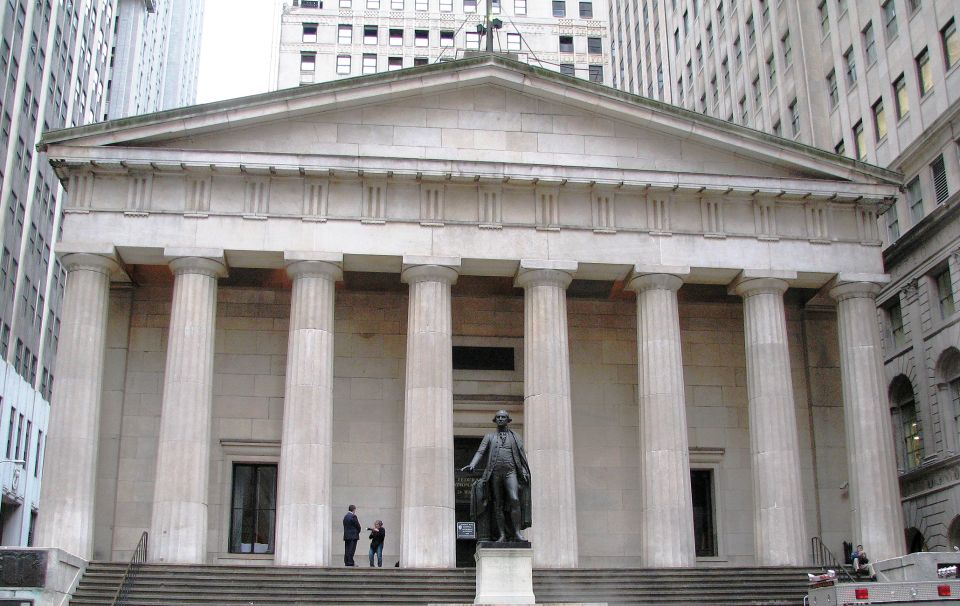
The tour also includes Washington’s inauguration site, with his statue as the visual centerpiece. This matters because the walk keeps asking one question: what changes when the war ends?
You’ll connect the Revolution’s street-level energy to the long work of building institutions. That shift is the whole point of walking Lower Manhattan rather than sitting in a museum. The streets still hold the geometry of the story, even if the buildings have changed.
This section gives you a sense of continuity, too. The political drama doesn’t vanish with the last musket. It moves into legislatures, budgets, and written rules.
Young Hamilton’s New York: ambition with consequences
Hamilton’s role isn’t treated like a sidebar. You’ll learn about how a young Hamilton found purpose in the city and how his drive shaped the country’s direction.
This is where the tour becomes more than Washington-focused. Hamilton’s ambition is framed as a force that both creates and complicates. You see why his ideas could build stability while also stirring conflict.
I like this approach because it avoids turning Hamilton into a superhero character. The guide presents him as driven, strategic, and politically consequential—someone whose confidence created winners and enemies.
If you want a Hamilton story that connects to the actual political world of the time, you’ll appreciate this section.
Hamilton’s financial plan and the birth of stability
Another core stop is Hamilton’s groundbreaking financial system, explained in a way that matches the walk’s pace. You’re not stuck reading policy. You’re learning why financial structure becomes a national survival tool.
This is practical history. After you hear how the new nation needed order and credibility, you’ll start understanding why later political battles mattered so much. Money wasn’t boring here. It was power.
You’ll also connect Hamilton’s plan to the early growth of federal authority. It helps you see how the Revolution didn’t end with independence letters. It continued through governance, legislation, and financial trust.
The first U.S. Congress and the Hamilton-Burr rivalry
The tour includes a stop tied to the first U.S. Congress, and it doesn’t treat early governance as a dry topic. Instead, you get it as the place where political conflict gets formal and dangerous.
You’ll also hear about the Hamilton and Burr rivalry, which is introduced as more than dramatic personality clash. The rivalry fits into the bigger story: competing visions for the country’s direction, handled in the arena of power.
I like that this section helps you understand why people argued so hard. When the system is new, there’s no comfort blanket. Every vote shapes what comes next.
Seeing the resting place of Hamilton and Eliza Schuyler Hamilton
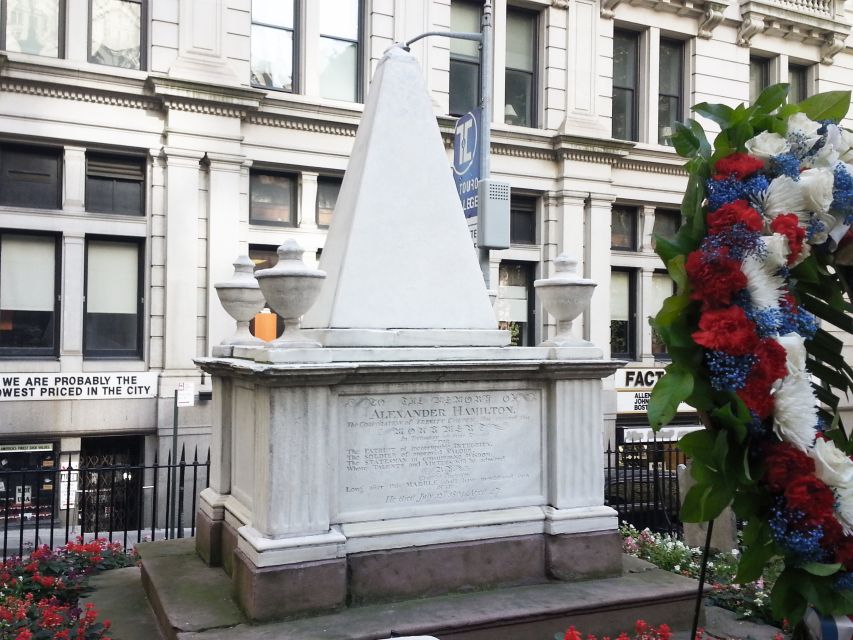
The tour ends with a powerful note: the resting place of Alexander Hamilton and his wife Eliza Schuyler Hamilton. This part changes the emotional temperature of the walk. After politics and battles, you get a quieter pause.
It’s a fitting finish because Hamilton’s life story can feel like constant motion—ideas, conflict, speeches, strategy. Seeing the resting place gives you a chance to absorb the personal cost behind legacy.
And Eliza’s inclusion matters. It’s a reminder that history isn’t only made by the loudest voices. The guide also points out overlooked contributions from women, African Americans, and everyday New Yorkers, which gives the story more human weight.
What you’ll actually learn (and why it’s worth 3 hours)
This isn’t a long tour, and that’s part of its value. At 3 hours, it’s designed to cover major turning points without turning into an all-day history marathon.
You’ll likely come away with:
- A clearer timeline linking major Revolutionary moments to early government
- Better context for why Washington’s leadership shifted from military command to presidential power
- A grounded understanding of Hamilton’s ambition and how it connects to financial structure
- A sense that the Revolution was both political and personal, not just public speeches
One of the strongest themes in the experience is the sense of cause-and-effect. Street protests tie into battles. Battles tie into leadership decisions. Leadership decisions tie into the hard work of institutions.
That kind of story logic is what keeps people from getting bored, even if they think they know the basics.
Who this tour suits best
I’d put this tour in the sweet spot for three types of people:
First, you’re a Hamilton fan and want the real-world history behind the characters. The walk connects the musical energy to the actual political forces at the time.
Second, you like Revolutionary-era New York and want it explained with scenes you can visualize on foot. The guide’s period images and story approach help you picture the city as a colonial port becoming a new capital.
Third, you enjoy history that pays attention to how societies form. The tour doesn’t ignore contributions beyond the most famous names, which makes it more complete than a purely founder-focused stroll.
Should you book this Hamilton and Washington Revolutionary Walking Tour?
If you want a fast, story-driven Lower Manhattan walk that connects battles, politics, and legacy—yes. For $47 per person over 3 hours, you’re paying about $15–$16 per hour, which feels reasonable given you get a licensed NYC historian with a master’s degree plus reenactment moments and period visuals. This is a solid value when you’d rather learn on streets than in a lecture.
I’d skip it only if you hate weather walks or you need a tour with no standing outdoors. Since it runs snow, rain, or shine, plan accordingly. Also, since food and drink aren’t included, bring snacks only if the tour allows it in the moment—otherwise just be ready for your next meal after.
If you’re deciding based on whether it will satisfy both Washington and Hamilton fans, this one is built for exactly that mix.
FAQ
How long is the New York Hamilton and Washington Revolutionary Walking Tour?
The tour lasts 3 hours.
How much does it cost?
The price is $47 per person.
Where do I meet the guide?
Meet on the steps of 1 Bowling Green, the Alexander Hamilton U.S. Custom House and the National Museum of the American Indian.
What language is the tour guide?
The live tour guide speaks English.
What happens during the tour?
Expect history storytelling, including a reenactment of the Declaration of Independence reading on July 9, 1776, plus stops tied to the Battle of Brooklyn, Fraunces Tavern, Washington’s presidency, Hamilton’s financial plan, and the resting place of Alexander Hamilton and Eliza Schuyler Hamilton.
Is the tour canceled if the weather is bad?
No. The tour takes place snow, rain, or shine.
Is food included?
No, food and drink are not included.
What should I bring?
Bring comfortable shoes and weather-appropriate clothing.
Are pets allowed?
No, pets are not allowed.
Is there free cancellation?
Yes. You can cancel up to 24 hours in advance for a full refund.