REVIEW · NEW YORK CITY
New York: Hip-Hop, Murals, Sports, and Dangerous Neighborhoods Tour
Book on GetYourGuide →Operated by CARERI ENTERTAINMENT · Bookable on GetYourGuide
One great way to skip the usual tourist New York is this. It’s built around 1990s grit—hip-hop, sports, film landmarks, and crime stories—so the city feels like it has a pulse, not a brochure.
I especially like the mix of music icons and real neighborhood street corners, including the Apollo Theater, major murals, and the paths tied to Notorious B.I.G. I also like how the guide quality shows up: names like Kent, Alex, Jose, and Louie keep the day moving with humor, patience, and real back-and-forth with the group.
One caution: this route isn’t set up for everyone, with no baby strollers and it not suitable for people with back problems, mobility impairments, or heart problems. Also, it leans into the feeling of “dangerous neighborhoods,” so you’ll want to stay alert and stick with the group.
In This Review
- Key things that make this tour worth your time
- Why the 1990s theme changes how you see New York
- Meeting point on 49th Street: easy start, clear instructions
- Hell’s Kitchen to Harlem: where the city feels more real than polished
- Apollo Theater and the mural moments that stop the conversation
- Bronx and the Tyson-rooted streets: sports meets street legend
- Spike Lee’s studio stops you can connect to film reality
- Yankee Stadium and the Joker stairs: sports photos with attitude
- Brooklyn’s music-and-film corridor: murals and the creative momentum
- Subway time plus two local interiors: what that adds to your day
- Price value: what you get for $69 over 5 hours
- Who should book this and who should skip it
- Should you book this Dangerous Neighborhoods Hip-Hop, Murals, Sports Tour?
- FAQ
- How long is the tour?
- Where do I meet the guide?
- What’s the price?
- Are subway tickets included?
- What languages are available?
- Is the tour suitable for young children?
- Are baby strollers allowed?
- Can I get a refund if my plans change?
Key things that make this tour worth your time
- 1990s theme with pop-culture anchors: hip-hop, Yankees, Knicks, iconic films, and legends tied to the streets
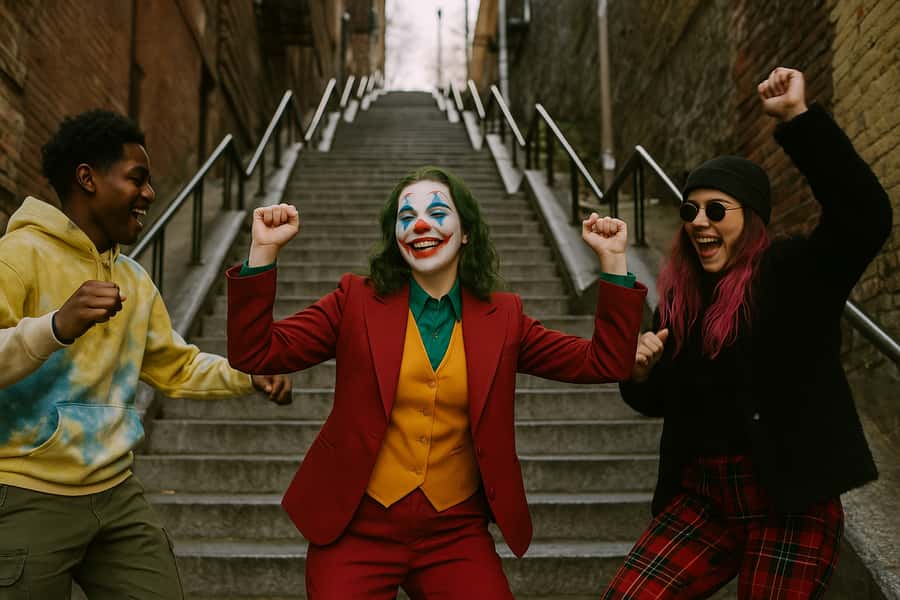
- Big stops with photo payoff: Apollo Theater, Yankee Stadium, and time-period icons like the Joker stairs
- Murals you can actually stand in front of: including the Notorious B.I.G. mural in Brooklyn
- A guide who can run the room: past guides (Kent, Alex, Jose, Louie) are praised for energy and keeping people comfortable
- Subway included as part of the experience: subway tickets aren’t included, but the ride is part of the plan
- Local interiors, not just sidewalks: the tour promises exclusive access to a coffee shop and a barber shop
Why the 1990s theme changes how you see New York
This tour doesn’t treat New York like a museum with one perfect route. It frames the city as a set of neighborhoods where music, sports, film, and crime stories all moved at the same time—especially in the 1990s.
The creator, internationally known Italian writer Andrea Careri, builds the vibe around that era’s energy: the golden age of old-school hip-hop, the Yankees and Knicks in their prime, and crime legends that people still talk about today. That context matters, because it gives you a reason to care about what you’re looking at besides the photo.
You’ll also feel the tone shift as you cross boroughs. Manhattan’s edge, the Bronx’s swagger, Harlem’s layered identity, and Brooklyn’s creative momentum all show up as different flavors of the same story.
You can also read our reviews of more tours and experiences in New York City.



Meeting point on 49th Street: easy start, clear instructions
You’ll meet at Mickey Spillane’s at 350 W 49th St, at 9th Avenue and W 49th Street. Your guide will be holding a sign that says Careri Entertainment, which makes it simple to find the group quickly.
The tour is listed as 5 hours, usually available in the morning. That’s a good length if you want more than a quick neighborhood walk but don’t want your entire day eaten by transit and long stops.
Also, this is a live, certified guide experience. It’s not a recording and it’s not self-guided wandering—your guide’s role is central, especially for the stories that connect landmarks to the era.
Hell’s Kitchen to Harlem: where the city feels more real than polished
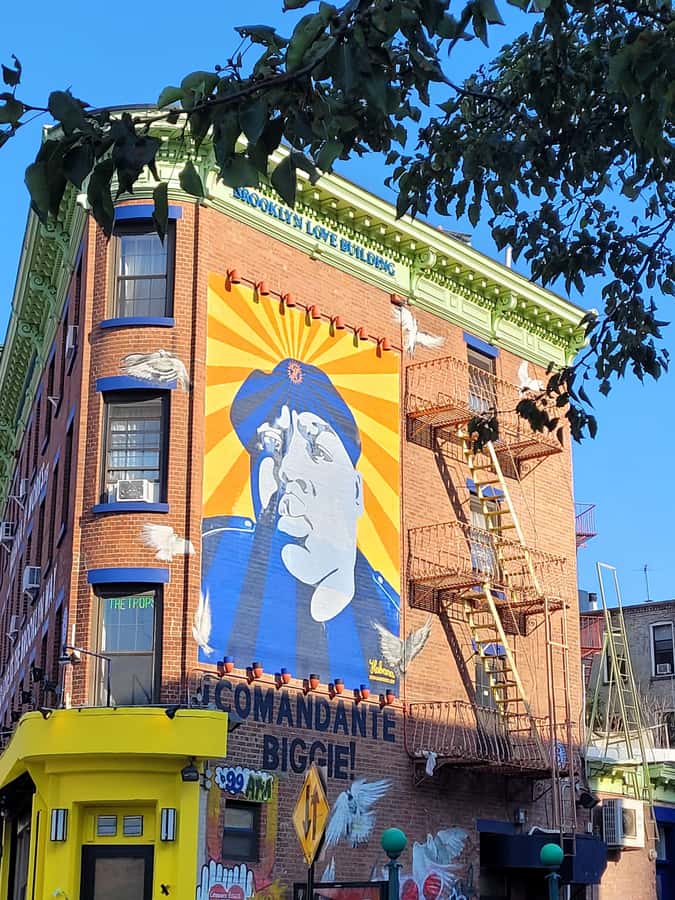
The tour often starts in Hell’s Kitchen, a neighborhood that has carried fear, toughness, and change for decades. The value here is how the tour uses that rough reputation to set expectations: you’re not just seeing “scenery,” you’re learning how people lived and moved through the streets during that 1990s mindset.
From there, the route heads into Harlem and keeps connecting “legend” to actual place. You’ll get sights tied to famous music chapters and local stories—so even if you’ve seen New York on TV a hundred times, this angles the camera away from the obvious.
One practical note: the emotional tone of the tour can be intense even when nothing “happens.” If you want a calm stroll with wide-open views all day, this might feel like a heavier watch. If you like story-driven city walking, it’s the point.
Apollo Theater and the mural moments that stop the conversation
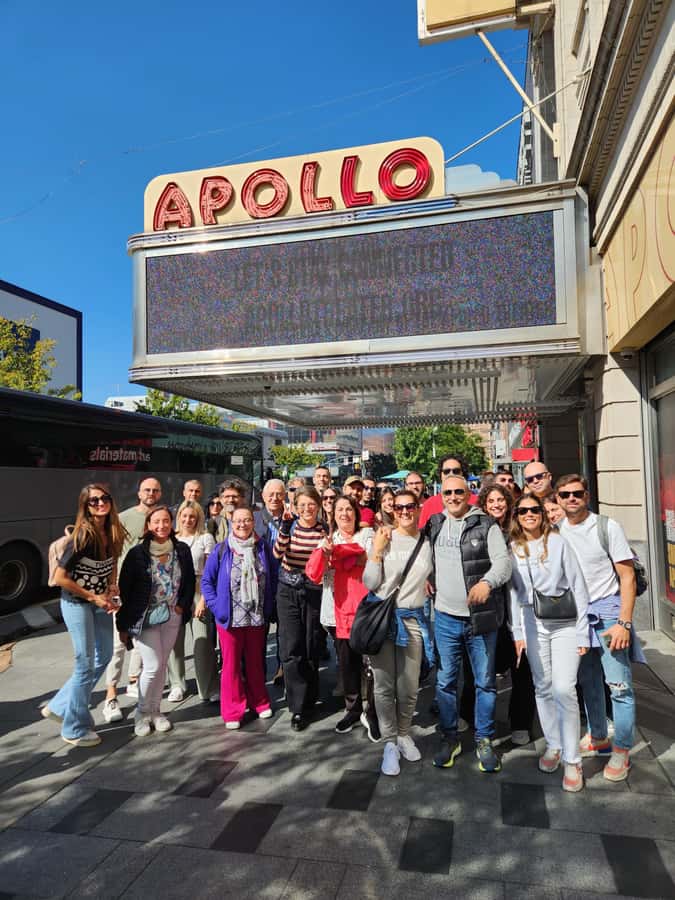
One of the strongest draws is the combo of a major cultural landmark and street art that you can see up close.
The Apollo Theater is more than a name. It’s a real anchor point for understanding why certain neighborhoods became launchpads for music and performance. A tour like this makes that make sense by linking the building to the era’s people and creative energy.
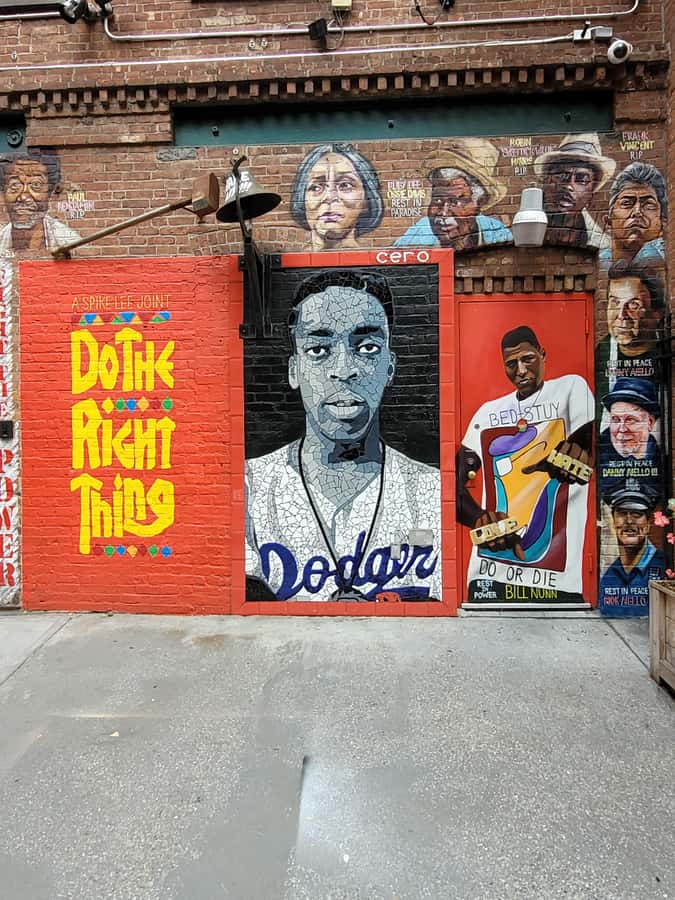
Then you get mural stops—these are the “look up, not just forward” moments. Murals are often where the city writes its own commentary, and the tour uses them as storyboards. In particular, it includes the Notorious B.I.G. mural in Brooklyn, which gives you a clear visual reference when you hear the associated street stories.
If you care about hip-hop beyond the hits, this part tends to click fast. You’re not only hearing names; you’re standing on surfaces that helped shape the culture’s public memory.
Bronx and the Tyson-rooted streets: sports meets street legend
The tour doesn’t isolate sports from the music story. It treats them like the same social ecosystem.
A key stop includes Mike Tyson’s birthplace. Even if you don’t know the full timeline, seeing that kind of landmark with the right context changes how you interpret the neighborhood. It’s a reminder that fame in New York doesn’t come only from entertainment; it also comes from grit, competition, and local identity.
The same “local legend” approach shows up again as the route connects to streets where figures like Notorious B.I.G. made history. The goal isn’t to turn the Bronx and surrounding boroughs into a crime-themed walking exhibit. It’s to show how the era’s larger myths were born in real places where people actually spent time.
Do keep in mind: the tour focuses on “dangerous neighborhoods” as a theme. That means the vibe can feel more serious, and you’ll want to pay attention to your guide and the group.



Spike Lee’s studio stops you can connect to film reality
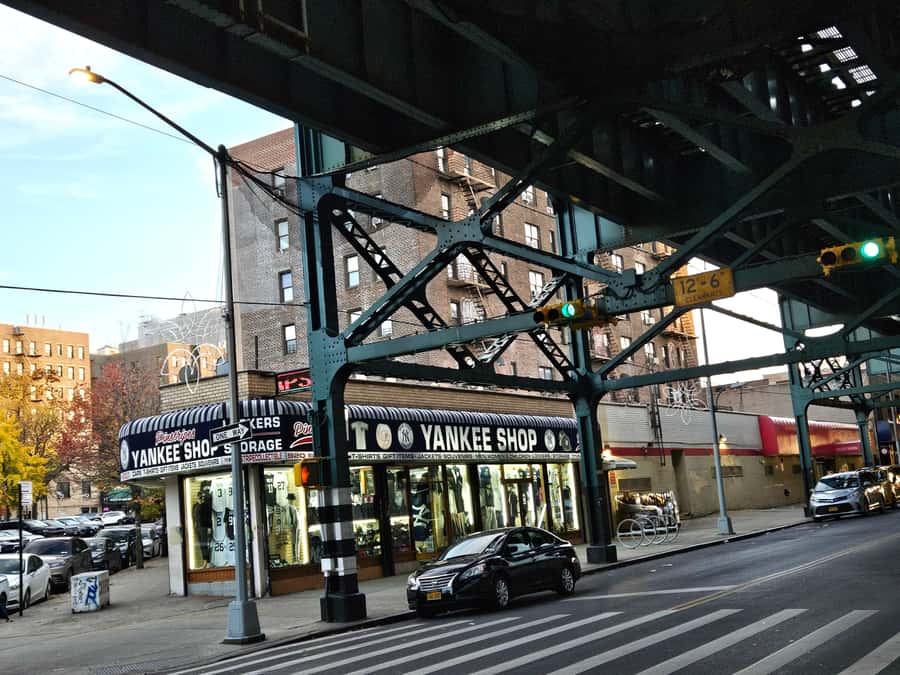
Another stand-out element is film. Spike Lee is part of the story, and you’ll stop near Spike Lee’s production company.
That matters because New York’s 1990s era wasn’t just music and sports. It was also film that argued with the world about who New York really was. A stop like this helps you connect what you’ve seen on screen to where the work was made.
The tour also includes iconic bookstores along the way. Bookstores might sound like a break from the “big legend” stops, but they actually help anchor the day in everyday New York culture—places where ideas collect and communities keep passing the torch.
If you’re a film person, this is one of those “wait, I get it now” sections where you start seeing the boroughs as sets, not just locations.
Yankee Stadium and the Joker stairs: sports photos with attitude
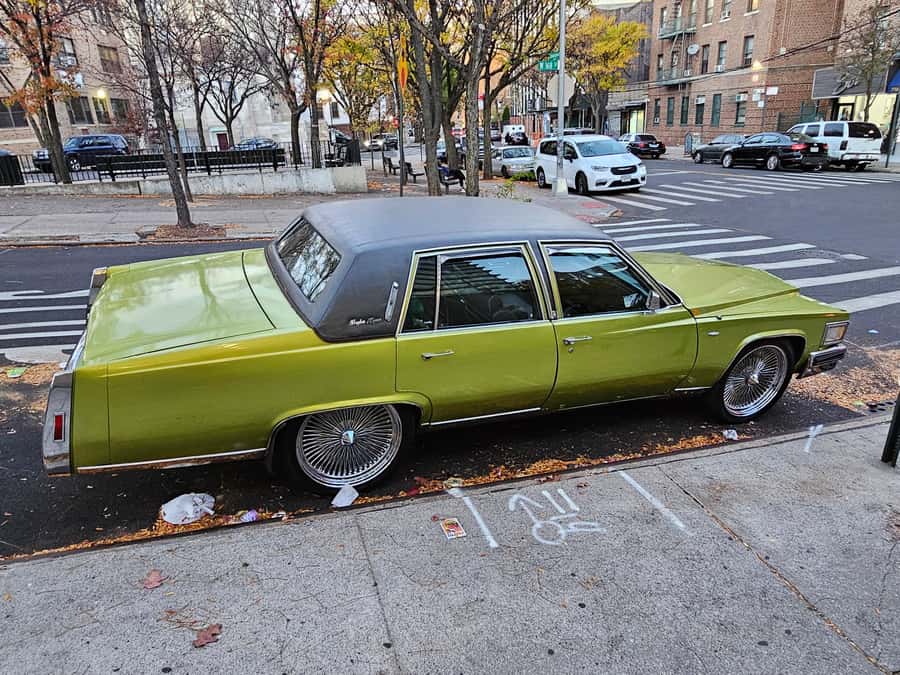
If you’re coming for a hip-hop and mural day, this is the part that adds a different kind of energy.
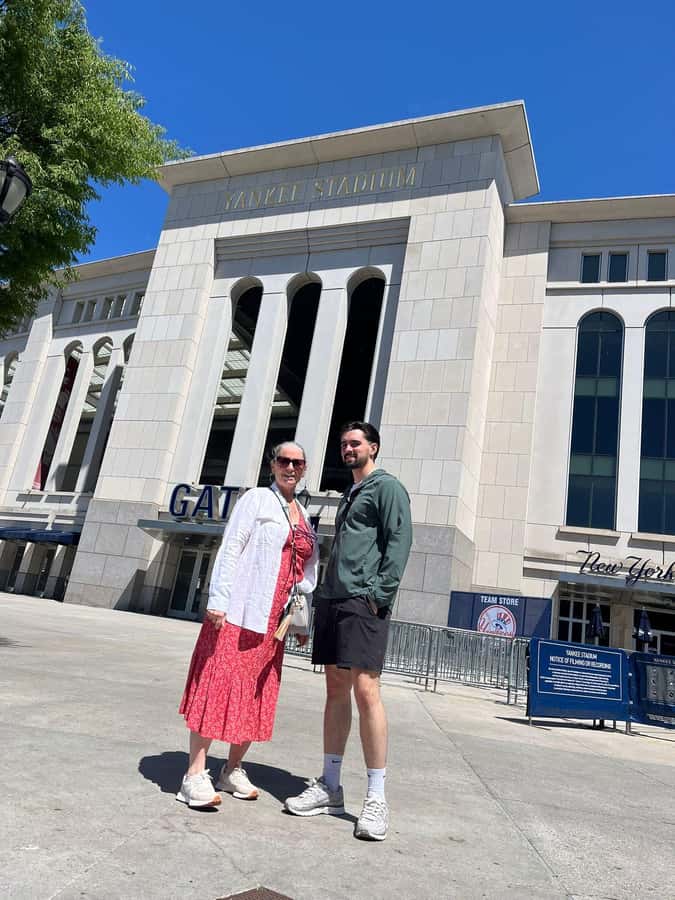
You’ll visit Yankee Stadium, and the tour sets it up as a key 1990s sports landmark. Even if you’re not a hardcore Yankees fan, it’s a major New York symbol. The guide’s job here is to connect sports fandom to neighborhood identity—why these teams mattered beyond the score.
Then there’s the Joker stairs stop, where you can pose on a well-known photo location tied to New York pop culture. This isn’t just about the picture. It’s about how specific places became shorthand for an era’s attitude.
This section also tends to be fun because it mixes legend with a quick, low-stress photo moment. Just be sensible about crowding and keep moving when the group needs to.
Brooklyn’s music-and-film corridor: murals and the creative momentum
Brooklyn is treated as the music-and-film engine room of the day. You’ll spend time in the areas where entertainment culture feels less like a celebrity circuit and more like a working ecosystem.
One highlighted moment is the Notorious B.I.G. mural. Another is the broader focus on murals and local legends tied to that era’s creative push.
This is where the tour’s tone often feels lighter, not because the stories vanish, but because you’re seeing how art claims space. Murals read like public memories, and the guide’s storytelling helps you notice details you’d otherwise ignore.
If you like street art, you’ll enjoy the way murals are treated as part of the narrative, not as random decoration. You’ll also appreciate the walk-and-stop pacing, which helps you digest the borough-to-borough shift.
Subway time plus two local interiors: what that adds to your day
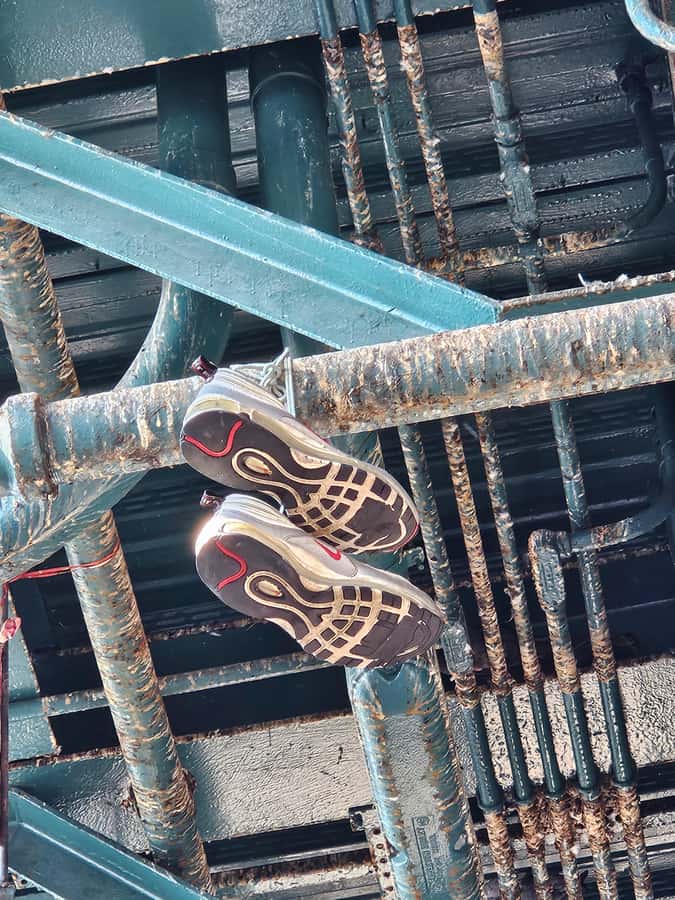
One of the clever pieces is that the tour uses the subway as part of the experience. It’s not just transportation. It’s how you feel New York moving—fast, crowded, loud, and constantly in motion.
Subway tickets are not included, so you’ll want to plan for that cost. But the fact that you ride is a plus if you’re trying to understand neighborhoods as connected parts of one system.
The tour also promises exclusive access to a legendary coffee shop and an iconic barber shop frequented by baseball stars and hip-hop legends. That’s the kind of stop you usually miss when you stick to the standard checklist.
These interiors help you slow down for a moment, ask questions, and get a feel for local routines. They also break up the walking so your feet get a chance to recover.
What to wear: expect walking and urban weather. Comfortable shoes matter. If you’re sensitive to stairs or uneven sidewalks, plan accordingly, since the tour isn’t suitable for certain mobility conditions.
Price value: what you get for $69 over 5 hours
At $69 per person for about 5 hours, this tour aims at “big payoffs per minute.” You’re paying for a certified guide, a story-driven route, and stops that blend major landmarks with neighborhood specifics, including mural time and subway use.
The value is strongest if you like interpretation—someone telling you why each place matters in the culture of the 1990s. Without a guide, a lot of these stops could feel like separate photos. With a guide, they become connected chapters.
The price also makes sense for a multi-borough run that would take you a lot of planning time on your own. You get structure, context, and the ability to ask questions in real time.
If you want a do-it-yourself scavenger hunt, you might spend less. But if you want the day to feel like a coherent story, $69 buys a guide-led narrative across multiple boroughs.
Who should book this and who should skip it
This tour fits best if you enjoy:
- Hip-hop culture plus street-level storytelling
- Sports icons as part of the same urban narrative
- Murals, Apollo-style landmarks, and film-adjacent stops
- A guide who keeps the day engaging and interactive
Based on how guides are described—Kent, Alex, Jose, Louie, Louis, and Alexander being repeatedly praised—you can expect guides to answer questions, keep the group comfortable, and keep things light when they can.
Skip this tour if:
- You need wheelchair-friendly access or you’re dealing with mobility impairments
- You have back problems or heart problems
- You’re traveling with a baby stroller (not allowed)
Also, if you want a purely “bright and sunny” New York day, the theme of dangerous neighborhoods may not match your mood.
Should you book this Dangerous Neighborhoods Hip-Hop, Murals, Sports Tour?
I think it’s a strong book if you want New York that feels like real life—loud, opinionated, and story-driven. The combination of Apollo Theater, Yankee Stadium, Joker stairs, and mural stops makes it easy to leave with both photos and meaning.
If you’re the type who likes asking questions and wants a guide to connect pop culture to place, this is built for you. Just be honest with yourself about the physical demands and the fact that the route isn’t designed for everyone.
If your trip goal is simple landmark tick-boxes, you’ll probably be happier with a more standard city sights tour. If your goal is culture with edges, this one is worth your time.
FAQ
How long is the tour?
It lasts 5 hours.
Where do I meet the guide?
You meet at Mickey Spillane’s, 350 W 49th St, New York, NY 10019 (9th Avenue and W 49th Street). The guide will be holding a sign that says Careri Entertainment.
What’s the price?
The price is $69 per person.
Are subway tickets included?
No. Subway tickets are not included, but the tour does take the subway as part of the experience.
What languages are available?
Live guide languages include Italian, English, Spanish, and French. Specific days are listed for each language.
Is the tour suitable for young children?
No. It is not suitable for children under 6 years.
Are baby strollers allowed?
No. Baby strollers are not allowed.
Can I get a refund if my plans change?
Yes. There is free cancellation up to 24 hours in advance for a full refund.