REVIEW · NEW YORK CITY
New York: The secret Greenwich Village with a local
Book on GetYourGuide →Operated by Wayacan New York · Bookable on GetYourGuide
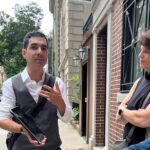
One sidewalk, and suddenly the Village feels personal. This 2-hour walk through Greenwich Village is built around first-person LGBTQ+ and civil-rights stories, plus the kind of local details you can’t read on a plaque. Led by an experienced queer local guide (Pedro is one of the names you may meet), the tour mixes neighborhood history, design, and real-life anecdotes.
I especially like the personal storytelling—not just dates, but how this neighborhood became a refuge and a creative home. I also like that you get architecture and street-level surprises in a tight timeframe, with stops that can include food tastings along the way.
One thing to consider: it’s a walking experience, so you’ll want comfortable shoes and a weather-tuned outfit. Also, food and drinks aren’t included, so plan to pay your share if you want to sample during the gastronomic stops.
In This Review
- Key highlights you’ll feel on this walk
- Why Greenwich Village’s LGBTQ+ stories matter more than you expect
- Meeting at 401 W 14th St and getting your 2-hour game plan
- Pedro’s personal story: how refuge and identity become part of the street
- Architecture you can spot in minutes: brownstones, art-deco hints, and street texture
- Tea salon stories, high-profile sightings, and why the food stops feel local
- Hidden corners, secret gardens, and local gossip that feels earned
- Price and value: is $69 for 2 hours worth it?
- Who should book this Village walk (and who might skip it)
- Should you book this secret Greenwich Village with a local?
- FAQ
- How long is the Greenwich Village walking tour?
- Where does the tour start?
- What’s included in the ticket price?
- What languages are the live guides?
- Is the tour wheelchair accessible?
- Are food and drinks included?
- What’s the cancellation and payment flexibility like?
Key highlights you’ll feel on this walk
- Queer local storytelling with real context: you’ll hear how the Village shaped identity, expression, and community life.
- A small group (10 max): easier conversation, more personalized pacing, and better chance to ask questions.
- Pedro-led history plus street knowledge: firsthand accounts help you notice details you’d otherwise miss.
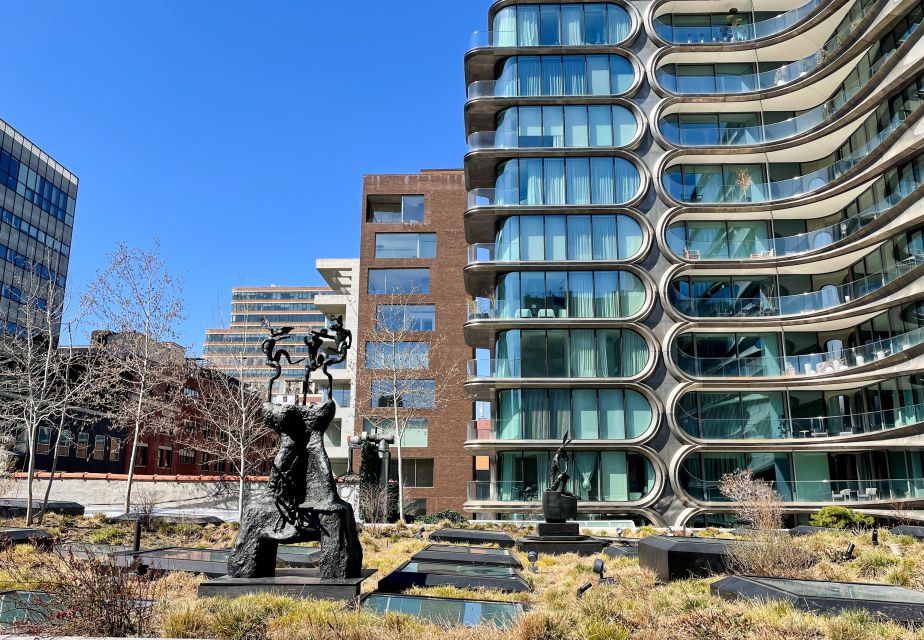
- Architecture from brownstones to art-deco touches: you’ll learn what to look for as you move through the blocks.
- Tea-salon legend and celebrity-watching culture: the tour references a tea salon connection and a restaurant linked to high-profile visitors.
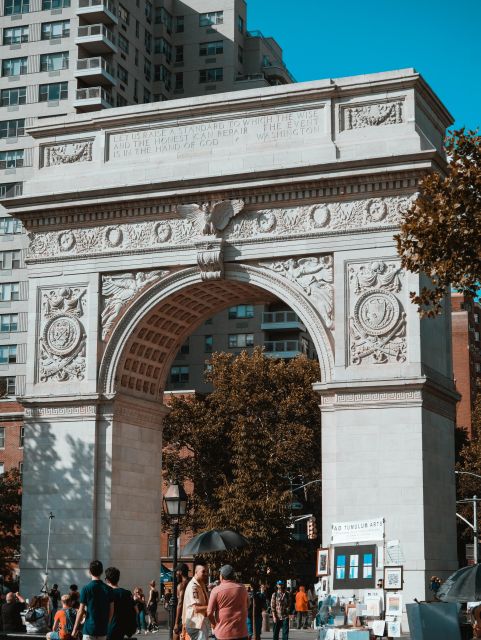
- Finish near Washington Square Park: a classic Village landmark where you can keep exploring after the tour ends.
Why Greenwich Village’s LGBTQ+ stories matter more than you expect
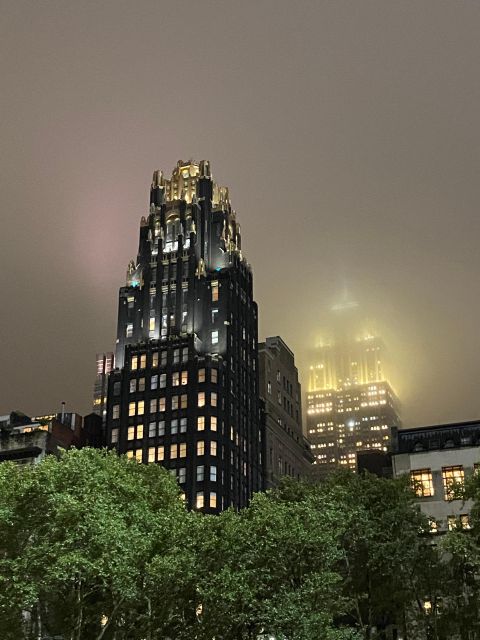
Greenwich Village can look like a movie set if you’ve only seen it from Instagram angles. What this tour does is slow you down enough to understand why this neighborhood carried so much hope, pressure, creativity, and reinvention over time. You’re not just learning about LGBTQ+ history in an abstract way. You’re getting the story through a guide’s lived perspective and the local culture around it.
What I like is how the themes are not stuck in one lane. The tour frames the Village as a place connected to LGBTQ+ rights, and also to woman and Afro efforts for rights and recognition over the years. That wider lens helps you connect the dots between movements, venues, and the social spaces that made organizing possible.
If you want a Village tour that treats the neighborhood like a living community rather than a checklist, this is built for that. You’ll be walking through blocks where you can still see why people wanted to be here in the first place.
You can also read our reviews of more walking tours in New York City



Meeting at 401 W 14th St and getting your 2-hour game plan
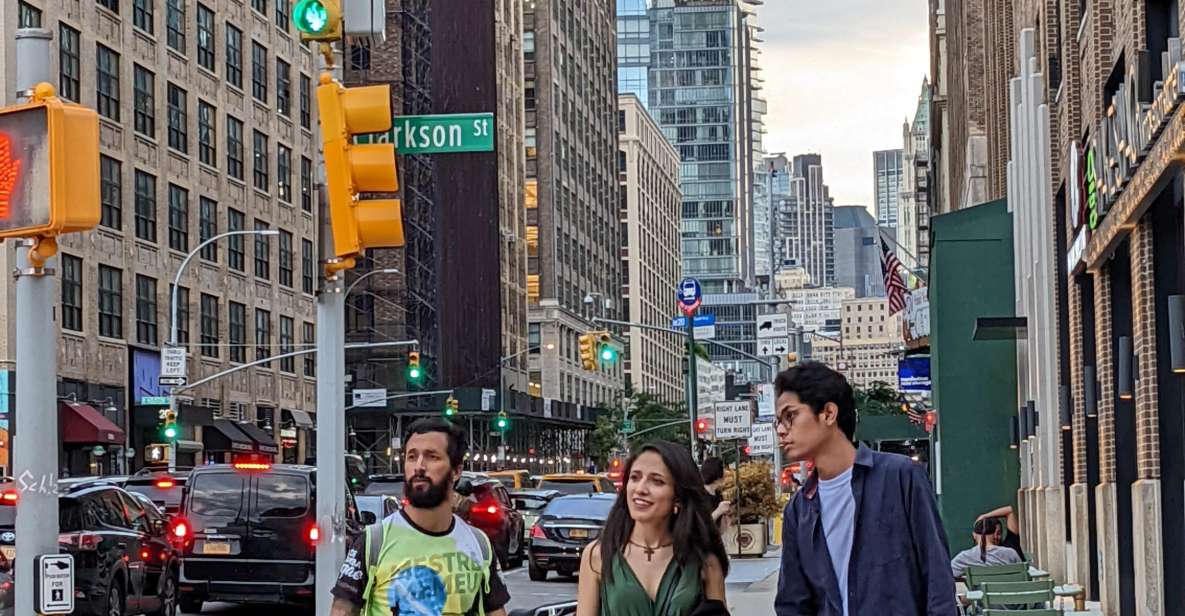
You meet at the entrance of Apple West 14th Street, at 401 W 14th St, New York, NY 10014. The host will be waiting at the entrance, and they ask you to get in touch in advance (WhatsApp or text to the number provided after booking) to confirm participation. It’s a small step, but it prevents that awkward start-of-tour delay.
The tour runs for about 2 hours, and it stays on foot. That timing is smart. You get enough time to hit major Village vibes—architecture, key street scenes, and the emotional context—without turning the experience into an all-day endurance test.
One small heads-up: the activity info lists a start and an end, but it also mentions ending back at the meeting point area. The itinerary also references finishing at Washington Square Park. In practice, expect a wrap-up near that area so you can either continue on your own or head to transit without backtracking.
Pedro’s personal story: how refuge and identity become part of the street
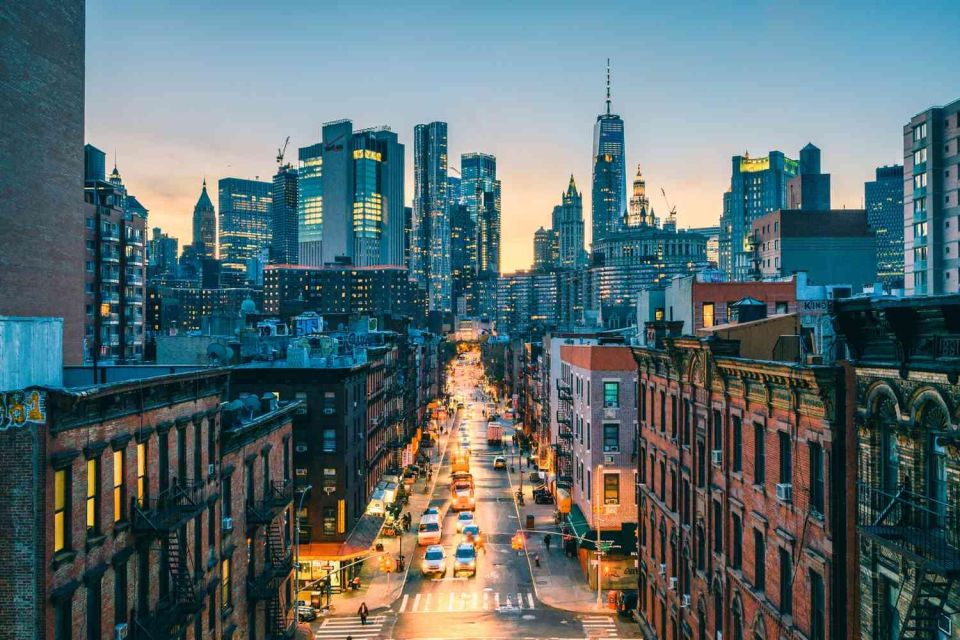
A standout feature here is the guide’s personal narrative before you even get into the classic sightseeing flow. You’ll hear how the Village became a refuge—how it functioned as a center of expression and creativity—and why multiple communities found a home there.
I find this matters because street tours often treat history like scenery. Here, the emotional layer is part of the route. When you understand why certain types of gathering spots mattered, the architecture and street layout stop feeling random. They start feeling purposeful.
One name you may hear is Pedro, who shows up in the strongest feedback as a friendly, easygoing guide who tailors the tour to what you care about. In other words, if you’re more into architecture than social history—or the reverse—you’ll likely feel the pace shift to meet that interest.
The tour is also interactive in a way that’s practical. You’re encouraged to ask questions and keep things conversational, which makes the story land better than if you’re just listening and moving on.
Architecture you can spot in minutes: brownstones, art-deco hints, and street texture
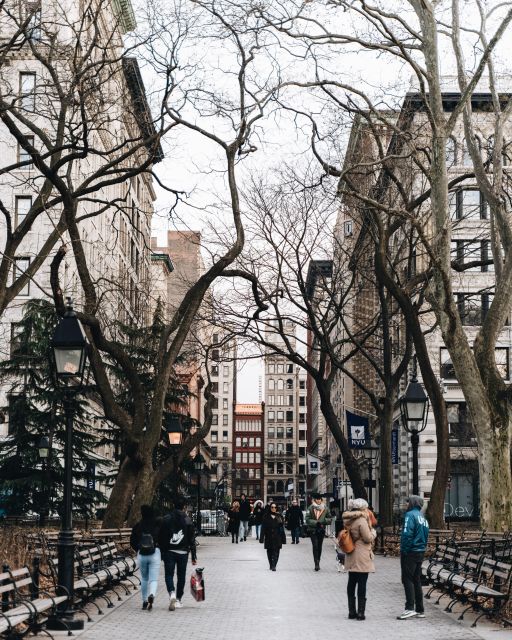
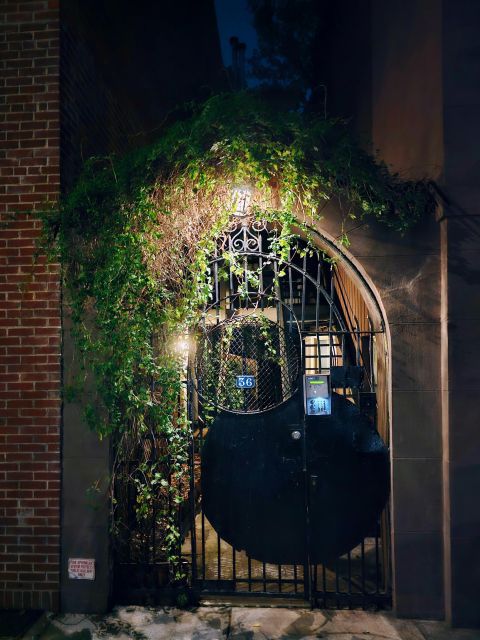
You’ll spend time walking through parts of the Village where buildings tell the story without needing a translator. The tour highlights historical architecture such as brownstone houses and art-deco elements, and then connects those visual cues to the neighborhood’s identity and past.
Here’s how to get more out of it: look for the details as you walk, not just the overall vibe. Pay attention to facades, entrances, and the feel of side streets—because that’s where the tour’s commentary tends to land. The more you notice, the more the guide’s explanations click.
A small drawback is that the tour is only 2 hours. That means you won’t see every type of Village institution or every angle of residential life. If you’re hoping for a deep catalog of specific buildings and organizations, you might want a longer-focused option too. But for a first taste, this one is built to help you read the neighborhood like a map.
Tea salon stories, high-profile sightings, and why the food stops feel local
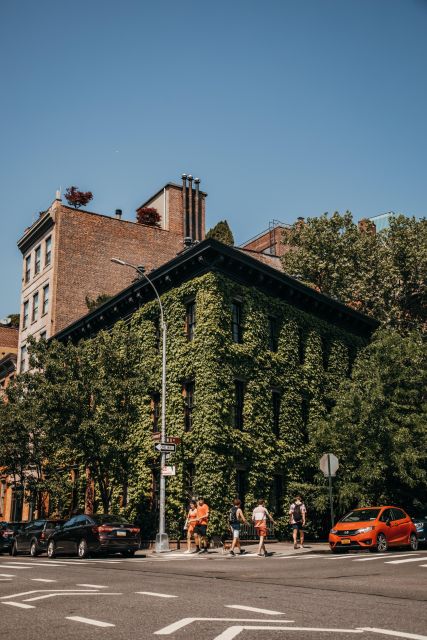
This tour carries a specific signature: the guide is tied to a tea-salon pioneer story in the area. Even if you’re not a tea superfan, the point isn’t the beverage—it’s the social role these spaces played. Tea salons, restaurants, and small gathering spots often functioned as informal stages for community life: meeting points, discussion spaces, and places where outsiders could become insiders.
The tour also references a restaurant that attracted celebrities like Kate Moss and even the Dalai Lama. That kind of detail isn’t there to name-drop for fun. It helps explain how the Village earned attention beyond its own borders while still keeping its local character.
Food and drink work a bit differently here. The tour includes stops at gastronomic places where you can buy and taste, but food and drinks aren’t included. I like that approach because it lets you choose what fits your budget and appetite. If you want a quick bite and a couple sips, you can do that. If you’d rather save calories for later, you’re not forced into spending money at every stop.





Hidden corners, secret gardens, and local gossip that feels earned
One of the most fun parts of Greenwich Village is that it rewards slow attention. This tour leans into that by pointing you toward lesser-known details and small surprises—things like ancient cobblestone streets, cozy bistros, bohemian art galleries, and the kind of side-street energy people talk about long after they’ve left.
In the strongest feedback, guides mention secret garden moments and even a charming private street. That’s exactly the kind of payoff I like from a guided walk: places you might pass without noticing, made clear with context and a bit of drama.
And yes, you’ll hear local gossip. The difference here is tone and relevance. It’s not random gossip for laughs. It’s the informal street-level history that explains who belongs, what changed, and why certain cultural rhythms emerged here.
Price and value: is $69 for 2 hours worth it?
At $69 per person for a 2-hour walking tour, you’re paying for three things: a local guide, a focused route, and a thematic lens you can’t easily replicate on your own. If you’ve never explored the Village through an LGBTQ+ and civil-rights story framework, this price starts to make sense fast.
What makes it good value is the combination of:
- a small group capped at 10 (less waiting, more chance to ask questions),
- live guiding in English and Spanish,
- and added extras like a digital guide with unique recommendations (from Wayacan) plus a NY sticker designed by Parisian illustrator @Leclarq.
The tour still isn’t magic. You’re walking, and you’ll likely spend extra if you choose to buy tastings. So if you hate walking tours or you only want landmark photo stops, you may feel the cost more than the value.
Who should book this Village walk (and who might skip it)
Book this if you want:
- a queer local perspective on the Village, not just “what’s famous,”
- street-level context that helps you understand why the neighborhood mattered,
- architecture commentary that improves your noticing skills,
- a small-group format where you can ask questions and keep it interactive.
Consider skipping if:
- you need wheelchair-friendly routes with minimal walking stops. The tour is wheelchair accessible, but it’s still a walking experience, so pace and ground conditions will matter.
- you want a long, stop-by-stop institutional history. This is tightly timed.
If you’re staying in or around the West Village/Greenwich Village area, this tour also pairs well with self-guided wandering afterward—especially since it wraps up near Washington Square Park.
Should you book this secret Greenwich Village with a local?
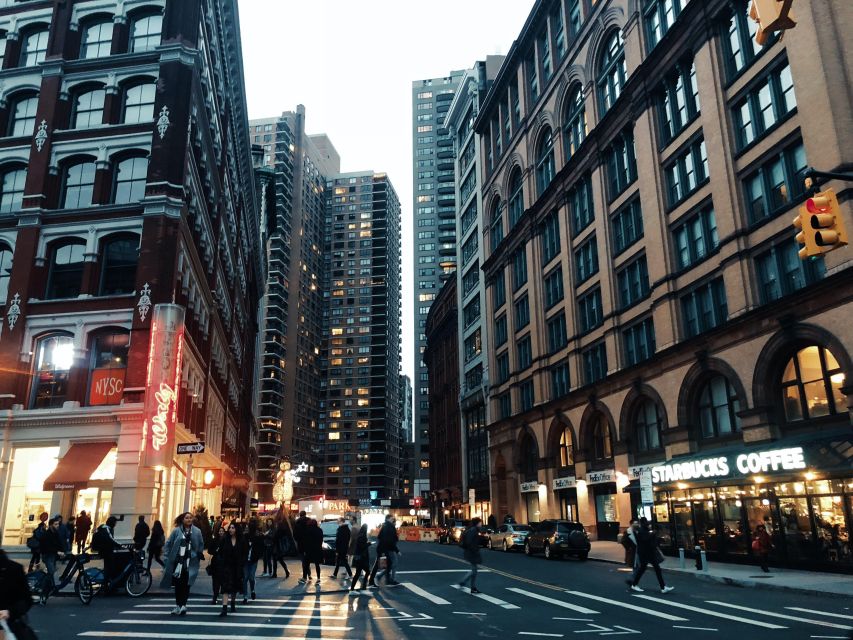
I think this is a strong choice if you want the Village to feel like more than a postcard. The best part is the blend: personal storytelling tied to real social movements, plus practical sightseeing that helps you look at streets and buildings with sharper eyes. The small group size and the guide’s apparent willingness to tailor the walk to your interests also makes a real difference in a short 2-hour format.
If you go, come ready to ask questions and slow down. Wear comfortable shoes. And if you’re hungry, bring a little extra cash for the gastronomic tasting stops since food and drinks aren’t included.
FAQ
How long is the Greenwich Village walking tour?
The tour lasts about 2 hours. Starting times depend on availability.
Where does the tour start?
You’ll meet at the entrance of Apple West 14th Street, 401 W 14th St, New York, NY 10014.
What’s included in the ticket price?
It includes stops where you can buy and taste at gastronomic places, a NY sticker designed by @Leclarq, and a digital guide with unique recommendations by Wayacan.
What languages are the live guides?
The tour is guided in English and Spanish.
Is the tour wheelchair accessible?
Yes, it is listed as wheelchair accessible.
Are food and drinks included?
No. Food and drinks are not included, though you’ll have opportunities to buy and taste at gastronomic stops.
What’s the cancellation and payment flexibility like?
You can cancel up to 24 hours in advance for a full refund, and you can reserve and pay later.