REVIEW · NEW YORK CITY
NYC: Discover NYC Subway Secrets Below Manhattan – Private
Book on GetYourGuide →Operated by Region NYC · Bookable on GetYourGuide
Subway secrets live under your feet. This private NYC subway tour takes you into parts of Manhattan’s oldest stations and the downtown network that rebuilt after major disasters, guided by licensed urban planner Rayn Riel. You’ll connect station art and design to the real-world politics and engineering choices that still shape your rides.
I especially love two things: the storytelling mix of history + how the system actually works, and the fact that you get ear pieces and subway fare included for a smooth, clearer experience underground. Rayn’s style is part transit nerd, part patient teacher, so even the technical bits land without getting heavy.
One consideration: this is walking up and down steps in an underground environment, so comfy shoes and a steady pace matter more than usual. If you hate stairs or long indoor corridors, plan accordingly.
In This Review
- Key highlights inside this NYC subway secrets tour
- Meeting in Battery Park and getting the underground mindset
- The guide: Rayn Riel and why this feels practical, not just historical
- City Hall Station and the charm of what still survives
- What to watch for
- The flooded-before-and-after story you only get underground
- World Trade Center platforms: seeing the footprint of tragedy and rebuild
- A wine cellar under the Brooklyn Bridge that changes how you think about tunnels
- Practical note
- Abandoned platforms and stations you notice for the first time
- Downtown’s newest builds: Fulton Center and the World Trade Center Oculus
- What the 2 hours feel like in real life
- Cost and value: $200 per group up to 15, and why it can be worth it
- Who should book this NYC subway secrets tour
- Should you book it?
- FAQ
- How long is the NYC subway secrets private tour?
- Where do we meet for the tour?
- Where does the tour end?
- What’s included in the price?
- Is the tour limited to public areas?
- What should I bring and wear?
- Is there a cancellation option?
Key highlights inside this NYC subway secrets tour
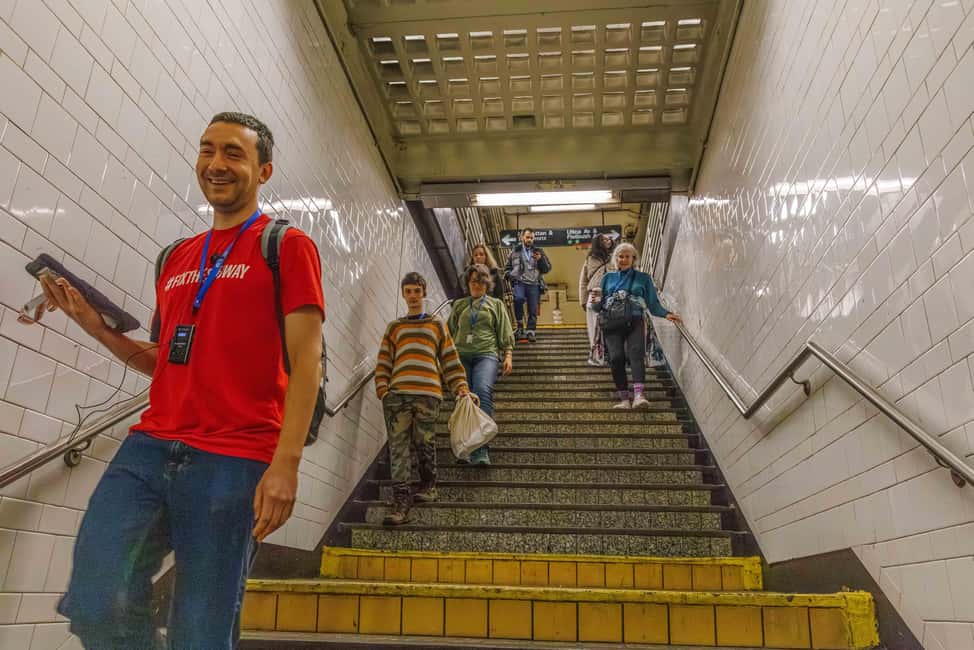
- 1904 City Hall Station and other older stops hidden in plain sight
- A look at a station affected by catastrophic subway flooding about a decade ago
- Moments on downtown platforms connected to the World Trade Center collapse
- A look at a wine cellar under the Brooklyn Bridge connected to subway tunnels
- Time in the newest downtown builds like Fulton Center and the World Trade Center Oculus
- A tour end at the World Trade Center Transportation Hub where you can buy food and drinks
Meeting in Battery Park and getting the underground mindset
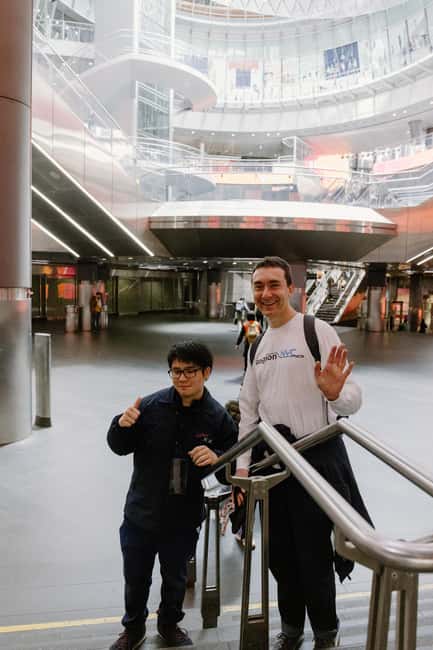
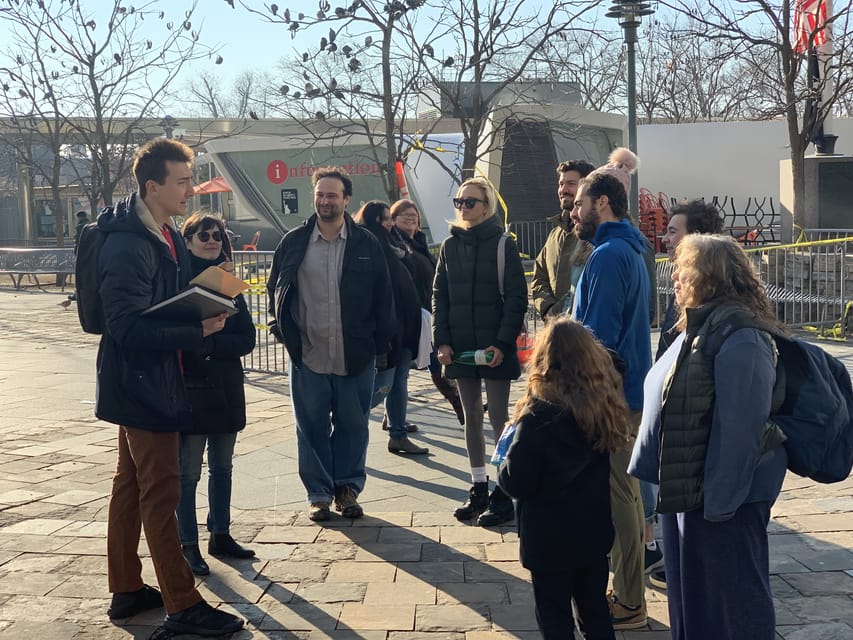
You start at the Starbucks at One Battery Park Plaza on State Street. This is a good staging spot because it’s close to the downtown transit core, so you’re not spending your 2 hours commuting in from somewhere else. It also sets the tone: this is not a casual “walk and look” tour. It’s a working-city experience where you’ll pay attention to how the subway was built, repaired, and redesigned.
Right away, Rayn sets you up to notice what most people miss. You learn how Manhattan’s transit network went underground at the beginning of the 20th century and why so many stations feel like different eras stacked on top of each other. You’ll also get the framing you need for the whole tour: abandoned platforms are not just spooky trivia. They’re evidence of shifting plans, funding fights, and engineering constraints.
You’ll be in public areas only, and you’ll use subway transportation during the tour with the full subway fare included. That matters for value. You’re not paying extra on top of the tour price just to move between stops.
You can also read our reviews of more private tours in New York City



The guide: Rayn Riel and why this feels practical, not just historical
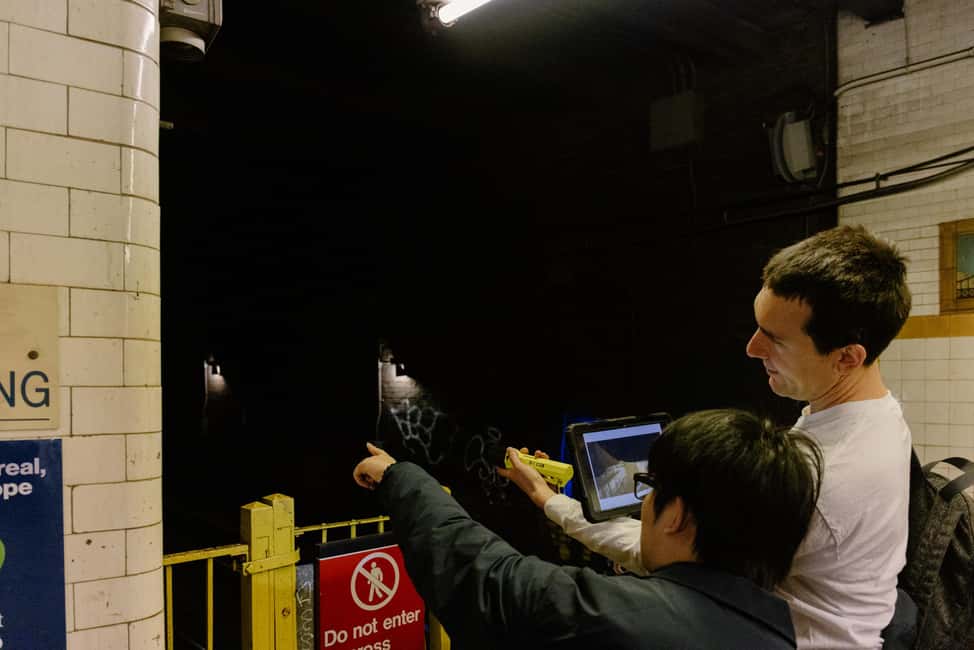
The tour is led by licensed guide and award-winning certified urban planner Rayn Riel. That credential mix matters because it changes the way you hear the story. You’re not only getting dates and facts. You’re getting cause-and-effect.
From what I took away, Rayn is strong at two skills:
- He explains the subway like an engineer and a city planner, not like a museum docent.
- He keeps it funny and human, so the technical details don’t turn into a lecture.
In multiple ways, the tour trains your eyes. You start to see why dripping pans exist, why certain station layouts feel inefficient, and how maintenance realities shape passenger experience. One review even points out the way he can connect small operational details to bigger engineering lessons. That’s what makes the tour feel like it’s about riding smarter tomorrow, not just looking backward.
City Hall Station and the charm of what still survives
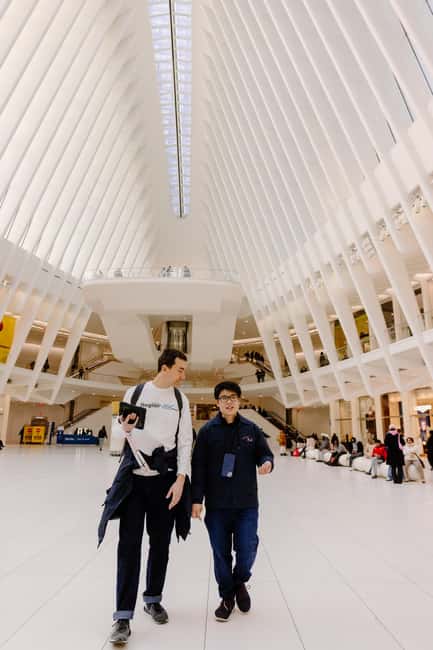
A major anchor is 1904 City Hall Station, one of those famous places that feels almost too “in plain sight” once you know what to look for. The draw here is that the station doesn’t feel like a generic subway stop. It carries the earlier design language of the system’s birth and shows how early planners thought about heavy passenger flow in a dense city center.
You’ll also get the meaning behind art and architecture in the system’s oldest stations. That’s more than decorative trivia. Station design influences how people move, how light and signage guide you, and how future renovations slot into older spaces. When you understand that, you’ll feel less lost the next time you pass through downtown.
What to watch for
Pay attention to the older station feel: proportions, materials, and the “this was built for a different era” vibe. Rayn’s explanations help you connect what you see to why it still exists in that form today, even when everything around it keeps changing.
The flooded-before-and-after story you only get underground
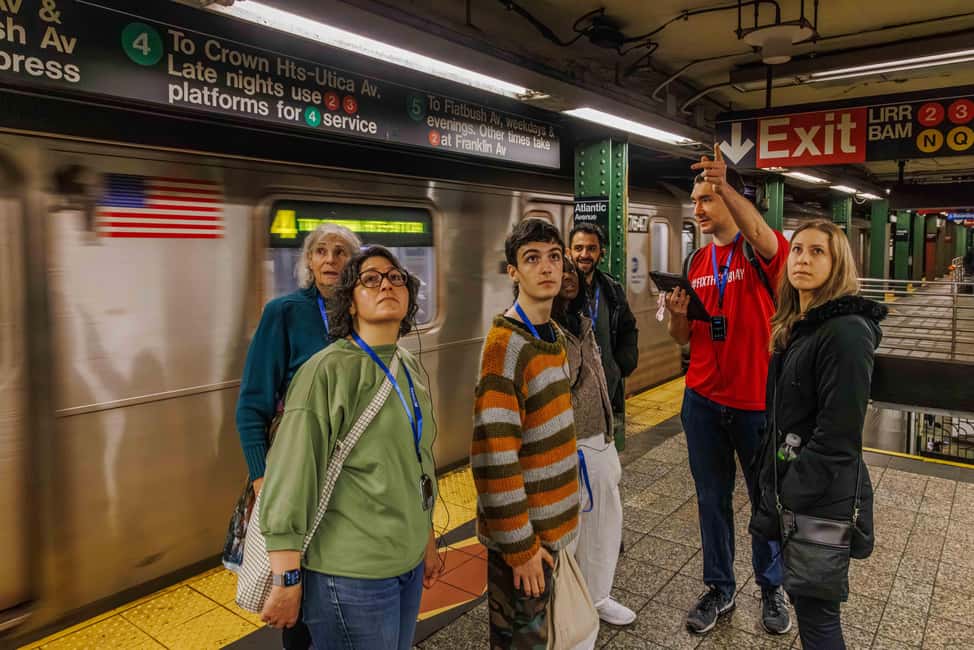
Another highlight is a stop that involves a station where catastrophic subway flooding drowned it about 10 years ago. Even without turning it into doom-and-gloom, the point of this section is clear: major water events can permanently reshape how a subway works.
This part of the tour helps you understand why certain areas feel different in smell, lighting, and maintenance. It also sets you up to appreciate resilience as an engineering challenge, not a PR slogan. The subway doesn’t just “return to normal” after disasters. It changes how systems are protected, how corridors are managed, and how future planning accounts for failure modes.
You’ll leave this part with a new respect for the boring stuff that keeps the subway running: drainage, waterproofing, equipment placement, and the ongoing work that passengers never see.






World Trade Center platforms: seeing the footprint of tragedy and rebuild
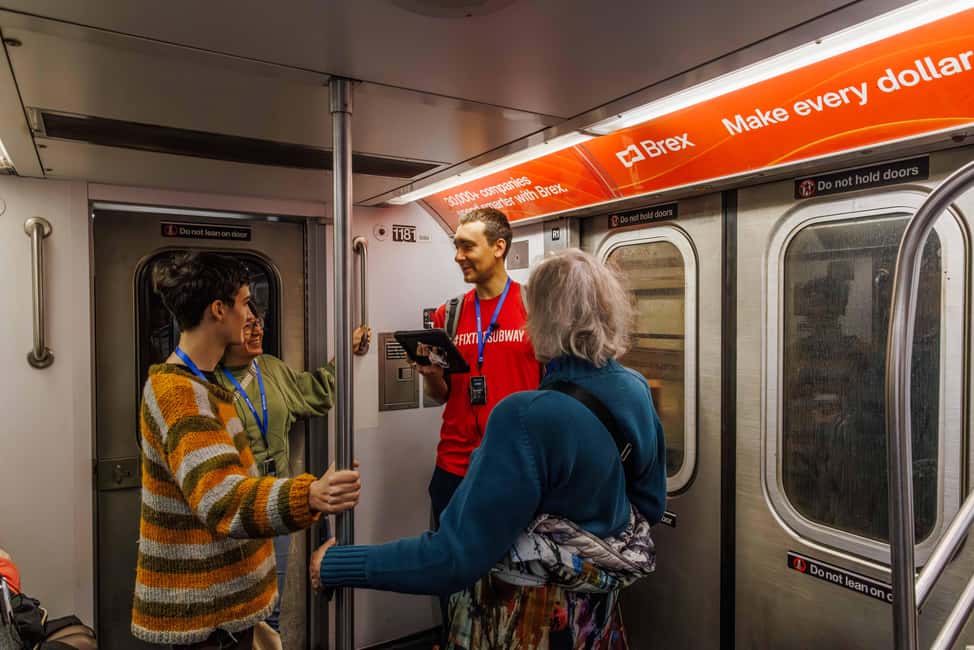
The tour also includes a moment where you stand on subway platforms that had collapsed under the World Trade Center. This is the emotional and historical weight of the trip, and it’s handled in a way that stays grounded in infrastructure and design choices.
Here’s what you gain if you’re paying attention: the downtown subway isn’t just one network. It’s a layered system built, damaged, and rebuilt, and those phases are still visible in the station experience. You’ll better understand why certain routes feel like they were forced into shape and why some connections feel more complicated than they should.
If you want a subway tour that connects the built environment to lived reality, this stop is why the tour exists. It turns a daily commute into a story about how cities recover, and how fast “normal” can be reassembled when the stakes are high.
A wine cellar under the Brooklyn Bridge that changes how you think about tunnels
One of the most intriguing claims on the tour is a former wine cellar under the Brooklyn Bridge that connects to subway tunnels. This kind of stop is exactly why a transit planner can make your brain click into a different mode: you stop thinking of tunnels as one-purpose corridors and start thinking of them as infrastructure with overlapping roles over time.
Even if you’ve heard bits and pieces about the subway’s hidden past, a structured walk guided by someone like Rayn makes it click. You’ll learn how older infrastructure sometimes gets repurposed, connected, and reinterpreted as the city’s needs shift.
Practical note
This part of the tour is still within public areas, so you’re not heading into restricted spaces. What you’re really gaining is context—why the location matters and how it ties into the bigger underground network story.
Abandoned platforms and stations you notice for the first time
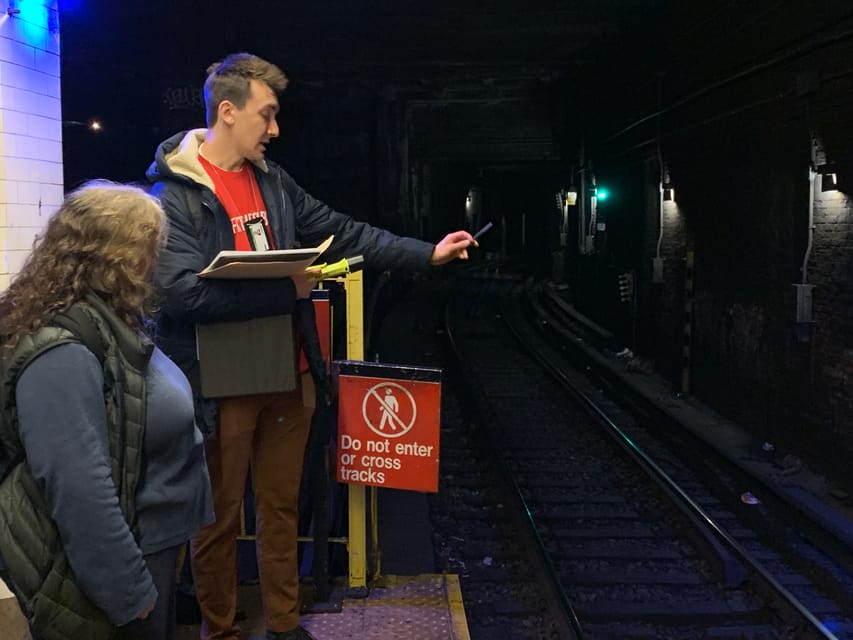
You’ll also explore abandoned platforms and stations hidden in plain sight. This is one of the tour’s best value moments because it trains you to read the subway like a living blueprint.
Abandoned spaces aren’t random. They point to canceled lines, rerouted plans, and shifting construction priorities. They also reveal the political side of transit building—who got funded, who lost out, and why some of the most expensive projects can turn into delays or compromises.
If you’ve ever wondered why the subway seems to have extra space, dead ends, or structural leftovers, this is where you get answers you can actually use. Next time you see a closed-off area, you’ll have a better guess for what it represents.
Downtown’s newest builds: Fulton Center and the World Trade Center Oculus
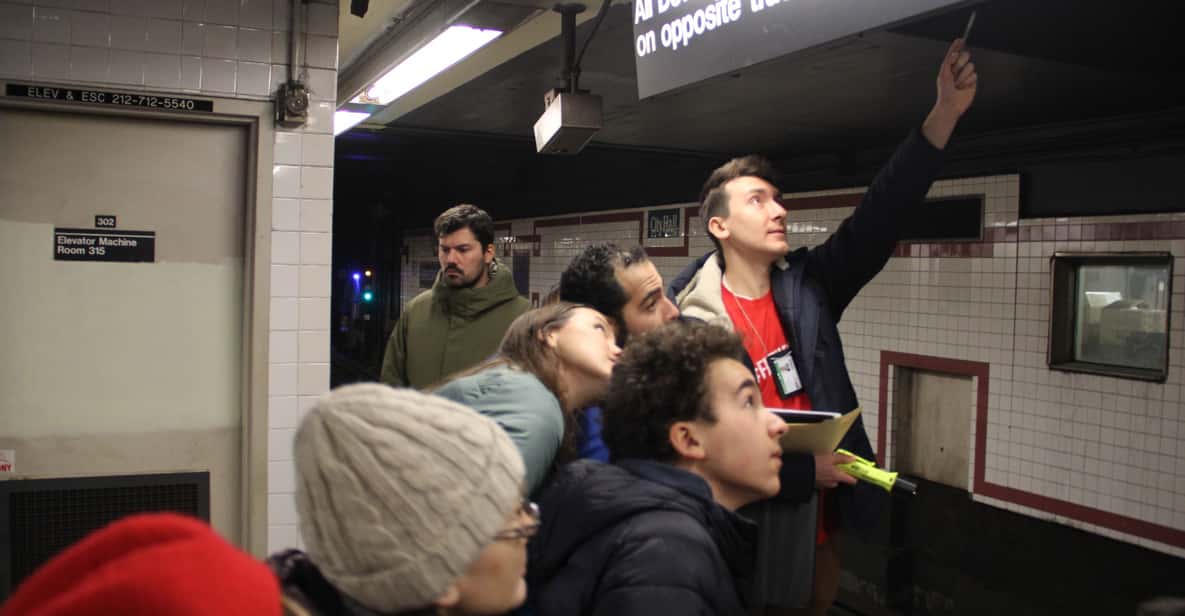
After the older and damaged parts of the system, you get a payoff: a walk through some of the newest downtown subway stations, including Fulton Center and the World Trade Center Oculus.
This is more than a “cool architecture” segment. It’s where you compare design philosophies across eras. You can feel it in the way space is opened up, how wayfinding works, and how the newest downtown projects try to handle passenger flow in a way older stations couldn’t. Rayn’s explanations make the differences about more than style. You learn about the meaning behind art and architecture in the older system, then see how the new projects respond to modern transit expectations.
And since your tour concludes at the World Trade Center Transportation Hub with food and drinks available for purchase, this section feels like a natural finish line. You’re not just “done” underground. You’re pulled back into a livable, public environment where you can reset.
What the 2 hours feel like in real life
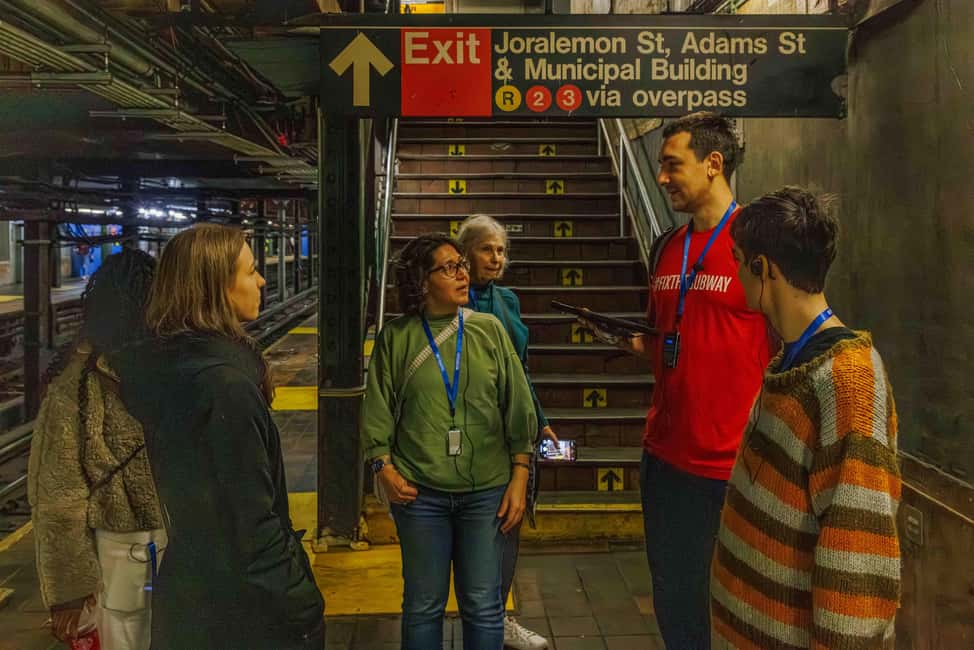
This tour runs about 2 hours, and it’s designed to cover a lot of ground without turning into a marathon. You’ll be moving between public stations and underground sections, with time spent at key spots for explanations.
You should go in expecting steps. The tour involves walking underground and includes walking up and down steps, so treat it like a real city walk, not a “stand still and listen” experience. Bring water and wear comfortable shoes. If you’re prone to knee issues or you know you hate stairs, this is the part where you should think carefully.
One more detail that can shape your experience: the exact route and tour length may vary slightly depending on the MTA’s weekend schedule. That’s normal in a real transit environment, and it’s also why the tour is built around public-access areas rather than fragile timing.
Cost and value: $200 per group up to 15, and why it can be worth it
The price is $200 per group up to 15, for about 2 hours. On the surface, that might sound steep if you’re comparing it to big, shared group tours. But private transit expertise changes the math.
Here’s where the value stacks up:
- You’re paying for a licensed guide plus an award-winning certified urban planner. That’s not just commentary. It’s a different depth level.
- Subway fare is included, so you’re not adding single-ride costs on top.
- Ear pieces are provided, which matters in a place where noise and distance can make a normal conversation impossible.
If you’re traveling as a couple or a small group, you’ll usually feel this as strong value because you’re getting individualized attention. If you’re a family or a mixed-age group, the private format helps keep the pace manageable while still covering multiple major locations.
For solo travelers, it can still be worth it if you want a guided lens that changes how you see the city. But if you only want one or two stops, you might weigh the cost against other subway tours that are cheaper per person.
Who should book this NYC subway secrets tour
This fits best if you:
- Like history that’s connected to how cities actually run
- Enjoy architecture and want the “why” behind it
- Want a transit-focused tour that treats the subway like infrastructure, not a novelty
- Travel with teens or curious adults who don’t want a museum-only vibe
It can also work well for a date night, a staycation, or a group that wants something different from the typical Big Apple highlights. If you tend to notice details like station layout, signage, and construction eras, you’ll get a lot out of it.
If you’re looking for a fully relaxed, low-stairs experience or you want zero underground walking, you may find the format less comfortable.
Should you book it?
I’d book this if you want to leave New York seeing the subway differently. The combination of Rayn Riel’s planning brain, the oldest stations plus the newest downtown builds, and the inclusion of real-world stories like flooding and the World Trade Center platform history make this more than a standard “see the subway” outing.
You should reconsider if stairs and underground walking are a deal breaker for you. Otherwise, this is a rare kind of NYC tour: practical, detailed, and grounded in how the subway shapes daily life.
If you’re excited by the idea that the city below your feet has chapters you’ve never noticed, this is a smart way to spend 2 hours.
FAQ
How long is the NYC subway secrets private tour?
The tour is listed as 2 hours.
Where do we meet for the tour?
Meet at the Starbucks at One Battery Park Plaza on State Street.
Where does the tour end?
The activity ends back at the meeting point. The tour also concludes at the World Trade Center Transportation Hub area, where food and drinks are available for purchase.
What’s included in the price?
Your subway fare during the tour is included, and individual ear pieces are provided so everyone can hear clearly.
Is the tour limited to public areas?
Yes. The tour only visits areas open to the public and does not access any restricted areas.
What should I bring and wear?
Wear comfortable shoes and bring water. The experience involves walking up and down steps in an underground environment.
Is there a cancellation option?
Yes. You can cancel up to 24 hours in advance for a full refund, and you can reserve now and pay later.