REVIEW · NEW YORK CITY
NYC: Harlem Renaissance Guided Walking Tour with Lunch
Book on GetYourGuide →Operated by Welcome to Harlem · Bookable on GetYourGuide
Harlem history comes alive fast on these streets. This guided walk traces the Harlem Renaissance through today’s blocks, building the story around famous names like Duke Ellington and Langston Hughes, plus smaller legends such as Pig Foot Mary. Guides such as Doris and Jonathan are praised for bringing real neighborhood context, so the past feels close instead of locked behind facts.
I love two parts in particular: the tour’s focus on key landmarks (theaters, ballrooms, and churches) and the way the guide ties them to daily life and culture. And I really like that lunch is included, so you’re not hunting for a meal right after the walk—you stay in the neighborhood vibe and keep the momentum going.
One consideration: it’s a 3-hour walking experience, so plan for sidewalk time and weather. Bring comfortable shoes and dress for the day, especially in colder months when you’ll want to be ready to stand still for a moment while the story lands.
In This Review
- Key Things to Know Before You Go
- Start at 145 West 122nd Street and Get Your Bearings Fast
- Striver’s Row, 135th Street, and the Harlem Blocks That Carried Momentum
- Jungle Alley and the Theaters: Learning the City’s Entertaining Side
- Churches and Ballrooms: Community Spaces With Real Power
- The People Behind the Stories: Pig Foot Mary, Duke Ellington, and More
- Art and Photography on the Route: Jacob Lawrence and James Van Der Zee
- Modern Harlem Isn’t a Background: It’s Part of the Point
- Lunch in Harlem: Included, Local, and Timed Right
- Price and Value: Is $82 Fair for a 3-Hour Walk With Lunch?
- Pacing, Timing, and What to Wear So You Enjoy Every Stop
- Who Should Book This Harlem Renaissance Tour?
- Should You Book This Harlem Renaissance Walking Tour With Lunch?
- FAQ
- Where is the meeting point?
- How long is the tour?
- What’s included in the price?
- What can I expect to see and learn?
- Is the tour offered in English?
- What should I bring?
- Is the tour wheelchair accessible?
- Can I cancel and get a refund?
Key Things to Know Before You Go
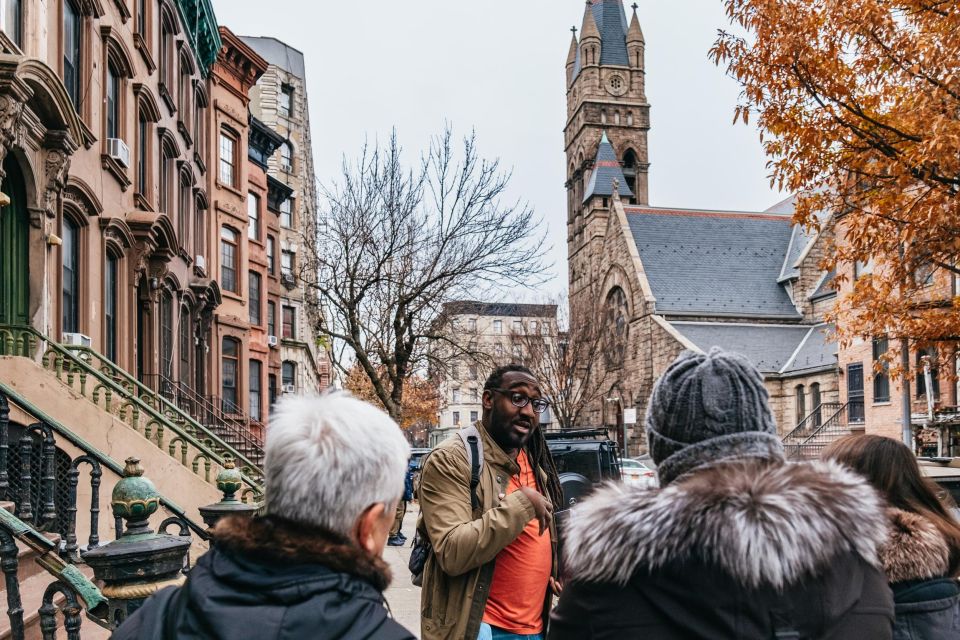
- Guides with local gravitas: You may get a long-time Harlem resident style of storytelling, like Doris, who adds personal touches.
- Landmarks you can actually see: The tour spotlights theaters, ballrooms, and churches that shaped the era’s culture.
- Big names plus character roles: You’ll hear about Duke Ellington, Langston Hughes, Zora Neal Hurston, and also Pig Foot Mary.
- Art and photography on the route: Jacob Lawrence and James Van Der Zee show up in the narrative, not as trivia.
- Lunch comes at the right moment: You finish with a local restaurant meal so the history doesn’t stay stuck in your head all afternoon.
- Time can run a bit long: Some guides extend the outing to keep everyone together and handle conflicts thoughtfully.
Start at 145 West 122nd Street and Get Your Bearings Fast
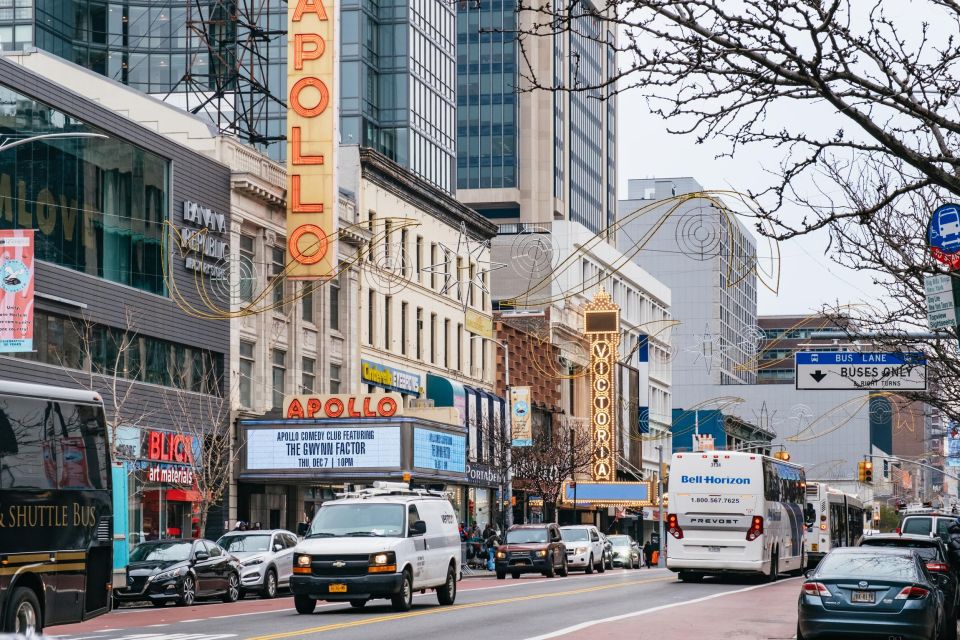
The tour meets at 145 West 122nd Street, Apt. 1, between Adam Clayton Powell Blvd and Lenox Avenue. That specific mid-block location matters. Harlem’s streets can feel like a grid that blends together until someone helps you connect what you’re seeing to what the neighborhood meant at the time.
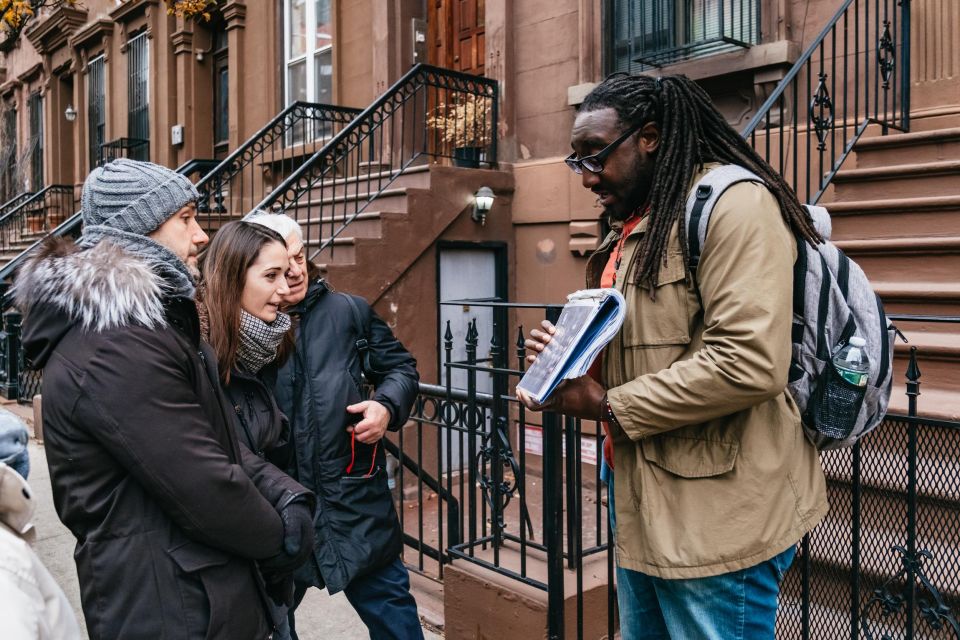
The first minutes set the tone. Guides are described as energetic and friendly, with a knack for storytelling that doesn’t feel like a lecture. You’re meant to walk with the group, absorb what each place is, and then learn why it mattered during the Harlem Renaissance—a period when African-American creativity, style, politics, and music reshaped American culture.
If you’re coming from another part of NYC, this meeting spot also helps you orient quickly. The area is close enough to get a sense of present-day Harlem while still landing in the heart of the tour’s historical storyline.
You can also read our reviews of more walking tours in New York City



Striver’s Row, 135th Street, and the Harlem Blocks That Carried Momentum
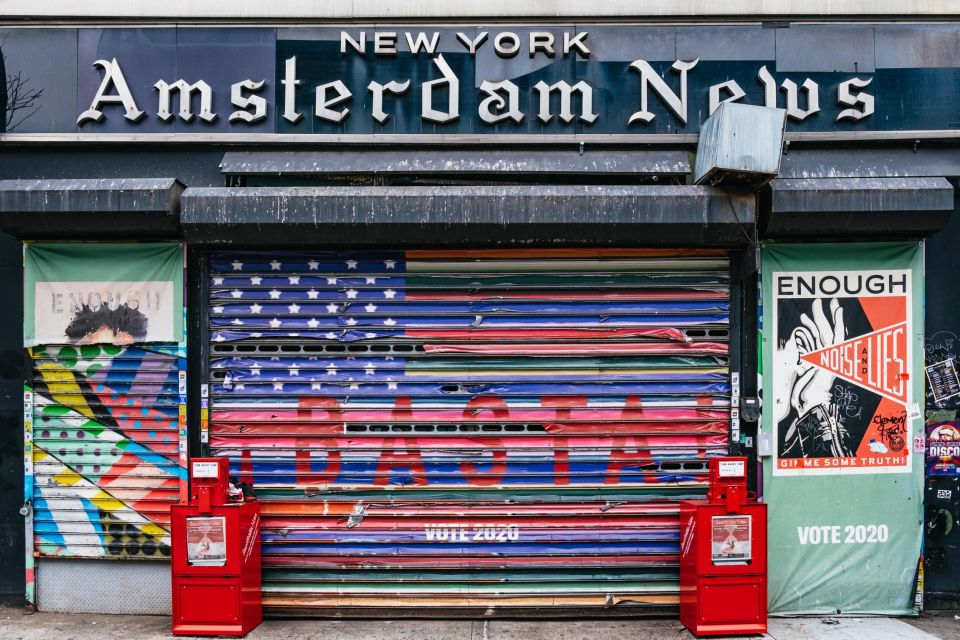
One of the most useful things this tour does is treat the neighborhood like a map of ideas—not just a collection of buildings. You’ll hear about 135th Street as a crucial area during the Harlem Renaissance, and that’s important because streets like this weren’t only transit. They were where attention gathered—where people went to work, perform, worship, network, and spend.
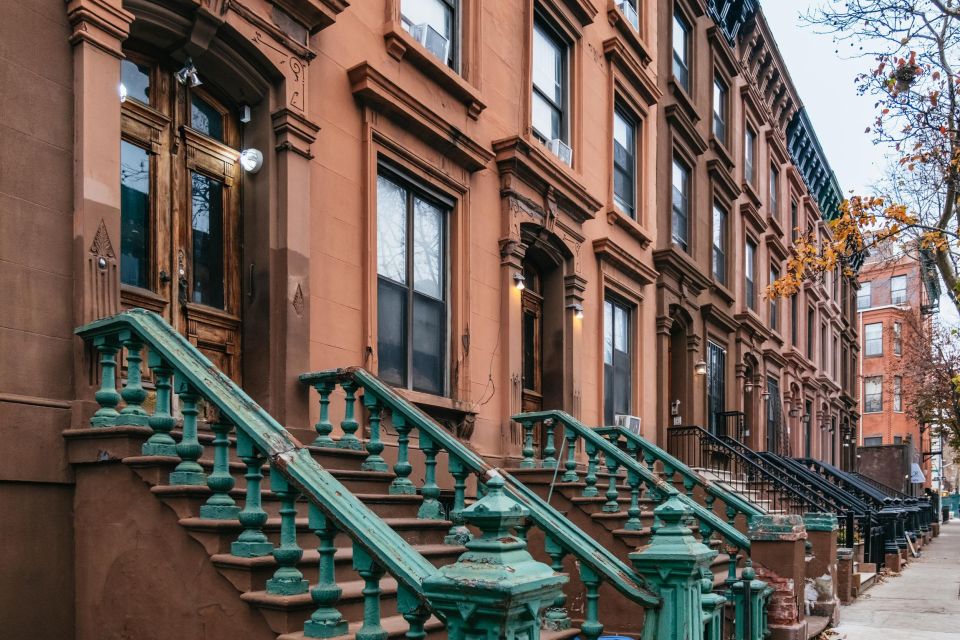
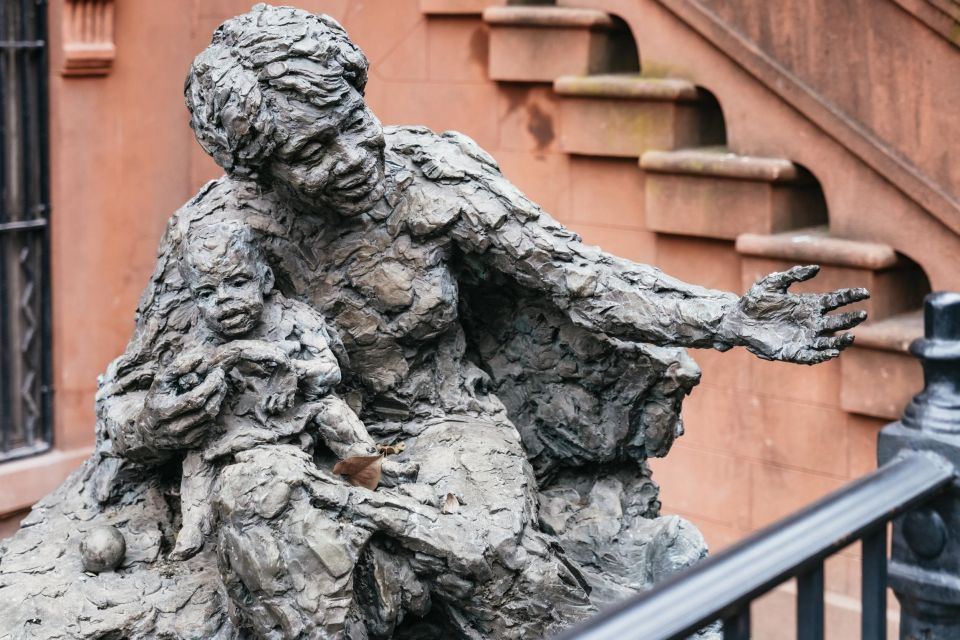
You’ll also see architectural landmarks tied to the era’s social rise. Striver’s Row shows up as a highlight in the tour experience, and it’s the kind of place that makes the “why” click. When you look at the rowhouses and how they present to the street, you start to understand how visible success, aspiration, and community pride played out in physical form.
Practical tip: take a moment during the walk to look up. A lot of the meaning here is in façade lines, street presence, and how the block feels when you slow down.
Jungle Alley and the Theaters: Learning the City’s Entertaining Side
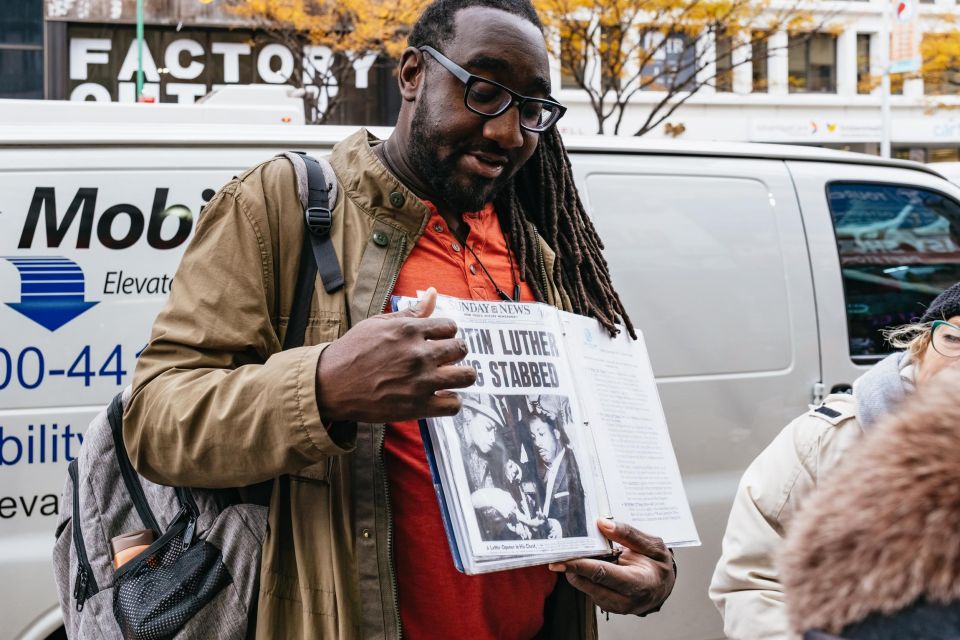
Harlem’s Renaissance story isn’t only about writers and composers. It’s also about nightlife, performance, and the stage as a community center. The tour explains where Jungle Alley was and why it mattered, which is a key bridge between the “legend” and the real neighborhood geography.
You’ll also gaze at theaters and hear how entertainment venues helped shape what people created and what audiences celebrated. That matters because art doesn’t grow in a vacuum. It grows where there are stages, crowds, money, risk, and peer pressure—and Harlem had plenty of all of that.
Here’s what you’ll likely appreciate if you’re a first-timer: the guide doesn’t just point at buildings. You learn what kinds of gatherings happened, what kinds of reputations got made, and how culture traveled through the neighborhood in the form of music, drama, and public recognition.
One small drawback: because the walk is short, the guide can only hit key moments. If you’re hoping for a stop-by-stop deep history of every block corner, you might want to pair this with additional reading or a follow-up museum visit.
Churches and Ballrooms: Community Spaces With Real Power
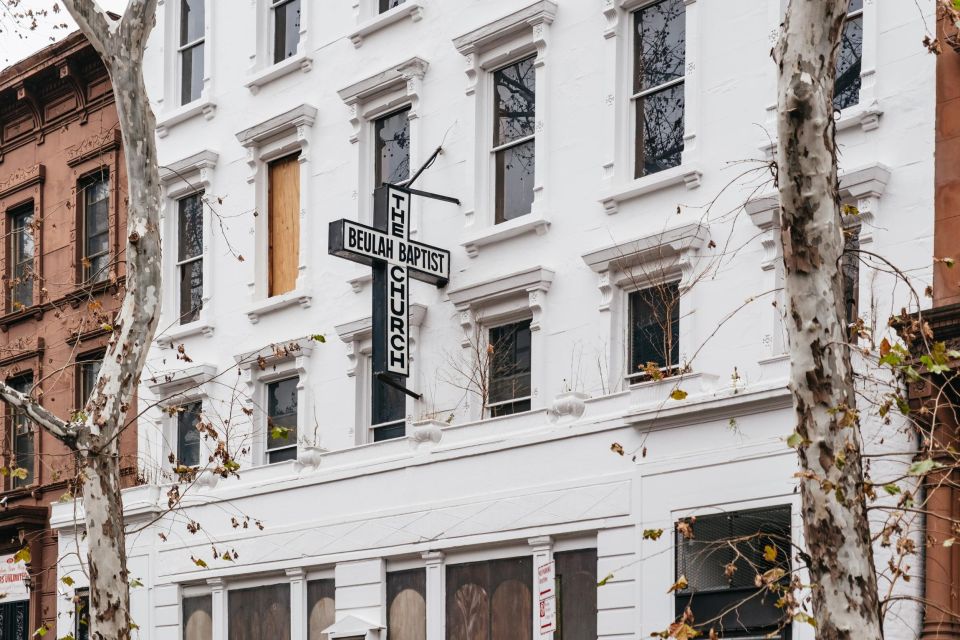
Two types of places come up again and again: churches and ballrooms. They’re not “background” stops. They’re where community life became organized and visible.
Churches show up because they were places where people met, strengthened networks, and built moral and social purpose. Ballrooms and similar gathering spaces show up because they were where music and social identity met in a very public way.
This is the part of the tour that feels especially grounding. The Harlem Renaissance isn’t only about famous names in textbooks. It’s about who could gather where, how people expressed themselves, and how culture became a shared experience rather than a private hobby.
If you like architecture and human stories equally, this section is a strong match. You see the spaces, then you learn what kinds of energy they carried in the Renaissance era.
The People Behind the Stories: Pig Foot Mary, Duke Ellington, and More
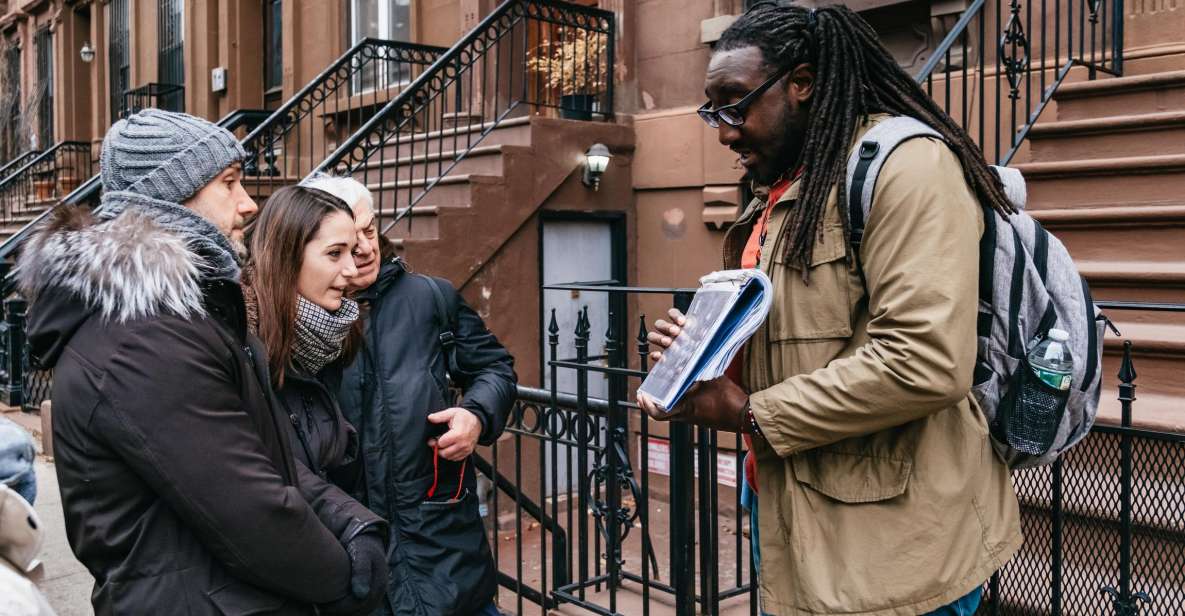
The tour’s narrative is built around personalities, and that approach works. You remember names because each one connects to a human role in the neighborhood’s creative ecosystem.
You’ll hear about:
- Duke Ellington, tied to the jazz world and Harlem’s national cultural impact
- Langston Hughes and Zora Neal Hurston, showing how literature and ideas shaped the era
- Pig Foot Mary, including the story of how she took that name
- Madame C. J. Walker, and how she made her millions
These aren’t random “famous people” drops. The guide uses them as stepping stones to show how the Harlem Renaissance included business, performance, activism-by-example, and everyday grit.
Pig Foot Mary is a great example of why this tour feels specific. The mention of the origin of her name signals that you’ll get a story with personality—not just a label. That’s how the Renaissance becomes real: not through perfect timelines, but through characters who lived in the neighborhood and made it distinct.
If you enjoy conversations about entrepreneurship and self-invention, the Walker segment can hit harder than you expect. When you hear a success story tied directly to Harlem’s environment and networks, it feels less like distant history and more like lived context.
You can also read our reviews of more guided tours in New York City






Art and Photography on the Route: Jacob Lawrence and James Van Der Zee
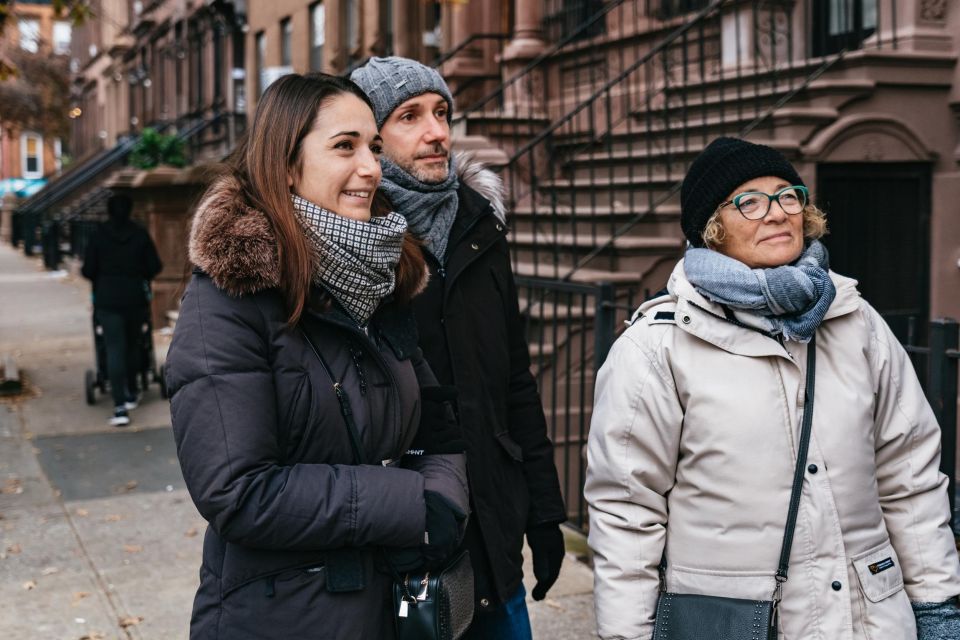
A strong point of this experience is that it doesn’t treat art as something you only see behind glass. You’ll hear about Jacob Lawrence and James Van Der Zee—names that represent how Harlem looked at itself and how it was remembered.
That matters for two reasons:
- Visual art and photography helped shape identity, not just document it.
- The Renaissance wasn’t only what famous people produced. It was how their work circulated and created shared meaning.
Even if you don’t know these artists well, the guide’s setup helps you understand why their Harlem connections matter. Lawrence brings an art-world angle—movement, themes, and the act of making history visible. Van Der Zee brings the photo side, where faces, fashion, and community presence become a kind of record.
If you’re the type of traveler who likes to connect street-level seeing with museum-level context, this part sets you up nicely for what you might want to do next after the walk.
Modern Harlem Isn’t a Background: It’s Part of the Point
One of the tour’s best ideas is that it treats present-day Harlem as part of the story. You’re walking through today’s streets while the guide explains how the neighborhood’s culture formed and what pathways made it possible.
So instead of learning history as something locked in the past, you learn it as something that shaped how people moved, gathered, performed, and built careers in the first place. This is also why the guide’s local perspective gets praised so often. When someone is from Harlem—or lives it deeply—they can connect the dots between what you see now and what the neighborhood meant during the Renaissance.
You may also notice how the tour’s pacing helps. You stop, look, and listen long enough for the facts to stick. Then you keep moving and let the next location do its job.
Lunch in Harlem: Included, Local, and Timed Right
Lunch is included at a local restaurant, and that’s more than a free extra. It’s a planning advantage. After walking for a few hours, you want a meal that keeps you in the rhythm of the neighborhood rather than sending you to a far-away spot.
The lunch is described as delicious and in the spirit of the tour. On some days, guides also add small warm touches when it’s cold, like a pastry and hot chocolate, which turns the meal into a small moment of comfort and community.
What you should know: the tour duration is listed as 3 hours, so the lunch isn’t likely to turn into a long, slow sit-down. But that’s part of the value. You’re getting history plus a real break, without losing the rest of your day.
Practical tip: if you have dietary needs, it’s smart to check ahead when you reserve. The tour data doesn’t spell out menu options, so clarifying matters.
Price and Value: Is $82 Fair for a 3-Hour Walk With Lunch?
At $82 per person for a 3-hour tour with a guide and lunch included, the value comes from two things working together:
- You’re paying for expert interpretation, not just sightseeing.
- You’re paying for a meal as part of the experience, so your total day planning gets easier.
This is especially worth it if you want Renaissance context without doing homework first. Guides like Joe, Debi, Jonathan, Miss Leak, and Doris are praised for energy, friendliness, and storytelling that moves the walk along quickly. When the guide is strong, the price can feel more like paying for access to meaning than paying for steps.
Is it a bargain? Not the cheapest walking tour in NYC. But it’s not a “splurge only” activity either—especially because lunch is included and the experience is built around specific Harlem Renaissance themes.
Pacing, Timing, and What to Wear So You Enjoy Every Stop
The tour is a 3-hour walking experience, and that time matters. Three hours is enough to cover major themes and key landmarks, but it’s also why you’ll want to focus on comfort.
Bring:
- Comfortable shoes
- Weather-appropriate clothing
Some guides run a bit over to keep the group together, and they handle conflicts thoughtfully. That’s a good sign, because it suggests the guide would rather give the story time than rush you out.
In winter or cold weather, plan for standing and walking in bursts. If it’s chilly, the mention of extra warm touches like hot chocolate and pastries (on at least one cold-day experience) is a nice reminder that the guide experience can include care, not just facts.
Who Should Book This Harlem Renaissance Tour?
This tour is a great fit if you:
- Want a Harlem Renaissance walking tour that connects big names to real places
- Like guided storytelling that covers both architecture and cultural life
- Appreciate ending with lunch so you don’t scramble for food after
It also works well if you’re traveling with older adults, since the experience is described as interesting across ages—people who already heard some Harlem stories can learn more, and first-timers can build a clear mental map fast.
You might consider another option if you want a long, slow, museum-style format. This is a walk with a set duration. You’ll get a lot, but not everything at full depth.
Should You Book This Harlem Renaissance Walking Tour With Lunch?
If your goal is to understand Harlem Renaissance culture using real streets, real buildings, and memorable people, I’d book it. The strong guide performance is repeatedly highlighted, and the combination of landmarks plus lunch makes the day feel efficient.
Before you go, do one simple thing: wear shoes you can trust. Then show up ready to listen. Harlem history is right there in front of you, and a good guide turns it from trivia into a neighborhood you can picture.
If you’d like, tell me your travel month and your food preferences, and I’ll suggest what time of day to aim for and how to plan the rest of your Harlem day.
FAQ
Where is the meeting point?
You meet at 145 West 122nd Street, Apt. 1, between Adam Clayton Powell Blvd and Lenox Avenue.
How long is the tour?
The tour duration is 3 hours.
What’s included in the price?
The tour includes a guide and lunch.
What can I expect to see and learn?
You’ll walk through Harlem and learn about the Harlem Renaissance era, including legendary residents such as Pig Foot Mary, Duke Ellington, Langston Hughes, and Zora Neal Hurston. You’ll also see places tied to the era like theaters, ballrooms, and churches, and learn about figures such as Madame C. J. Walker, plus artists Jacob Lawrence and photographer James Van Der Zee.
Is the tour offered in English?
Yes, the tour guide speaks English.
What should I bring?
Bring comfortable shoes and weather-appropriate clothing.
Is the tour wheelchair accessible?
Yes, the tour is described as wheelchair accessible.
Can I cancel and get a refund?
Yes. The tour offers free cancellation up to 24 hours in advance for a full refund.