REVIEW · NEW YORK CITY
NYC: Mercer Labs Museum of Art and Technology
Book on GetYourGuide →Operated by Mercer Labs · Bookable on GetYourGuide
Mercer Labs turns a museum visit into a full-sensory show. I love the omni-directional 4D Sound gallery and the hands-on moment where you draw an animal and watch it come to life in 3D. One thing to keep in mind: it can get crowded, and a few noisier rooms are louder than you expect.
This is a multi-level, downtown Manhattan experience built around 360° installations and fast-changing visuals. Plan for about 60 to 75 minutes to see what’s running, and treat it like an interactive exhibit playground, not a hushed gallery. You’ll spend the money on production value: sound design, motion video, and lighting that’s hard to forget.
In This Review
- Key Highlights You Should Plan Around
- Mercer Labs in Downtown NYC: What the Experience Feels Like
- Entering the Mercer Labs Building: Where to Go and What to Expect Inside
- The 4D Sound Gallery: How Omni-Directional Audio Works on Your Brain
- Draw, Watch, React: The Interactive 3D Animal Creation
- Roy Nachum’s Creative Touch: Design-Led Storytelling You Might Recognize
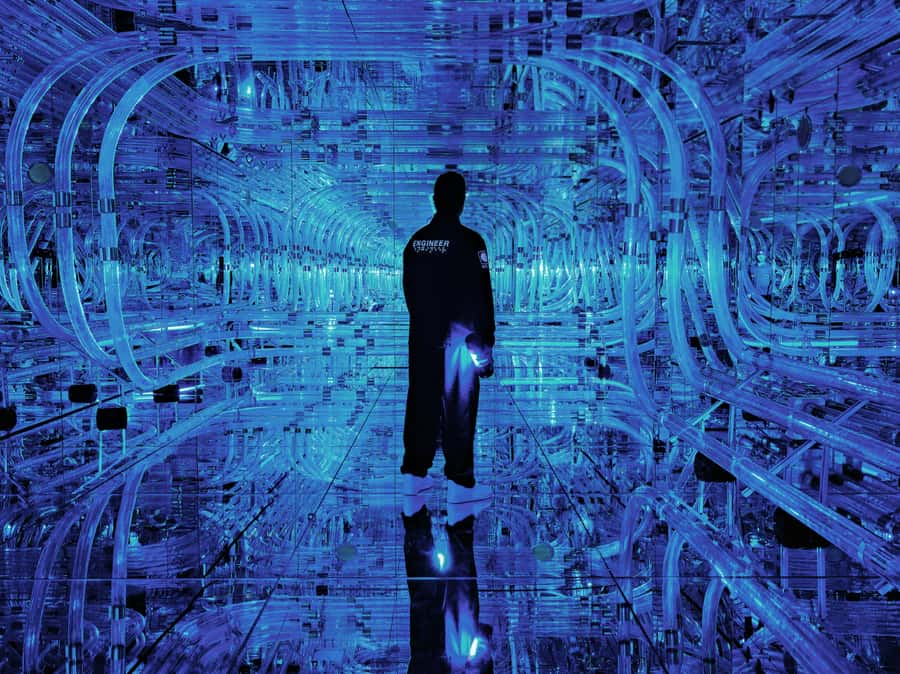
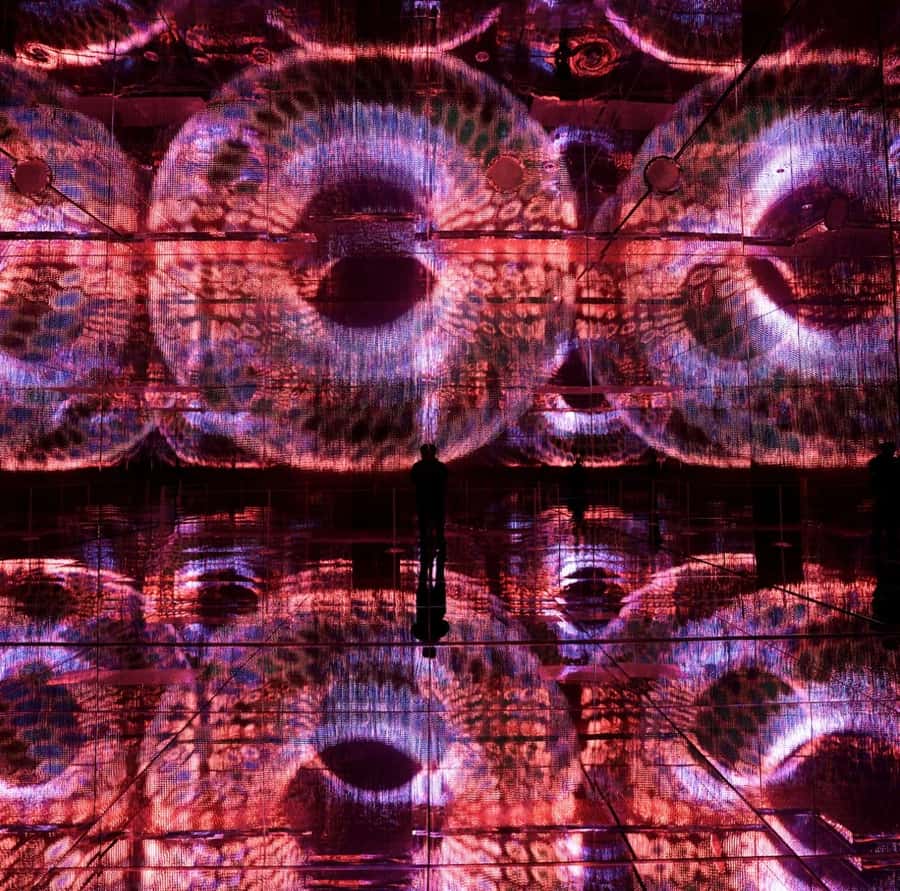
- The Infinity Room with 507,000 LEDs: The Visual Moment You’ll Keep Thinking About
- Other Rooms Worth Chasing: Sound, Motion, and Surprise Interactions
- Time Your Visit: How to Fit 60 to 75 Minutes Without Rushing
- Price and Value: Is $56 Worth It in New York?
- Who Should Go (and Who Might Skip)
- Should You Book Mercer Labs?
- FAQ
- How long is Mercer Labs?
- Where is the entrance to Mercer Labs?
- What subway station is closest?
- What’s the last time I can enter?
- Is food included, or can I bring it in?
- What items are not allowed at Mercer Labs?
- Are strollers permitted in the exhibition?
- Is Mercer Labs wheelchair accessible?
- Is there a coat check service?
- Can I cancel for a refund?
Key Highlights You Should Plan Around
- 4D Sound with omni-directional audio that changes how you hear the room
- Interactive 3D animal creation where your drawing becomes part of the show
- Roy Nachum’s latest work tied to design you may recognize from modern music culture
- Infinity room with 507,000 LEDs for a long, staring session (and great photos)
- 15 interactive 360° exhibition rooms spread across multiple levels
Mercer Labs in Downtown NYC: What the Experience Feels Like

Mercer Labs is one of those NYC spots where you can’t really preview it with photos or a quick read. The point isn’t just to look at art. The point is to experience it through sound, light, motion, and interaction.
The vibe is “art meets engineering.” You’ll walk into rooms that behave like instruments. Some areas feel calm and controlled; others give you a bigger sensory hit, especially in spaces built for audio and movement. If you like design, special effects, or modern tech used for creative storytelling, this is your kind of afternoon.
Is it for everyone? Mostly yes, because the museum uses simple, intuitive interactions. Kids tend to love it because it’s hands-on. Adults tend to love it because the craft is obvious: the sound direction, the video timing, the sheer scale of the LED environment.
You can also read our reviews of more museum experiences in New York City



Entering the Mercer Labs Building: Where to Go and What to Expect Inside
You’ll find the main entrance on the corner of Church & Dey St. If you’re taking the subway, the closest station listed is Cortlandt Street Station. From street level, it’s easy to spot that this is a purpose-built attraction, not a converted apartment building with a few screens.
Once you’re in, don’t overthink it. Mercer Labs is organized across multiple levels and 15 fully interactive exhibition rooms, so your visit naturally becomes a series of short “chapters.” Some rooms invite you to move closer or change your angle. Others ask you to stop and let the audio and visuals work on you.
Two practical notes that matter once you’re there:
- Strollers are not permitted in the exhibition space, so families may need to plan for carriers.
- Coat check services are not available, which is a big deal if you arrive with a bulky jacket. Think light layers if weather’s questionable.
The 4D Sound Gallery: How Omni-Directional Audio Works on Your Brain
The headline feature is the world’s most unique 4D Sound gallery with omni-directional audio. Even if you’ve heard surround sound before, this is different because it’s built into the room like a physical presence.
What you’ll notice fast: sound doesn’t just fill the space. It feels like it’s placed around you, shifting as you turn or reposition. That’s the magic of omni-directional audio. Your body becomes part of the “speaker system.” You’re not just listening; you’re navigating.
Why it’s worth prioritizing:
- It’s usually the most memorable room for first-time visitors.
- It’s the most “wow” moment early in the experience, so it helps set the tone for the rest of the exhibits.
Potential drawback: this kind of sound-focused room can also amplify noise from other people. If you’re sensitive to chaos, try to keep your pacing steady and avoid lingering when it’s at peak volume.
Draw, Watch, React: The Interactive 3D Animal Creation
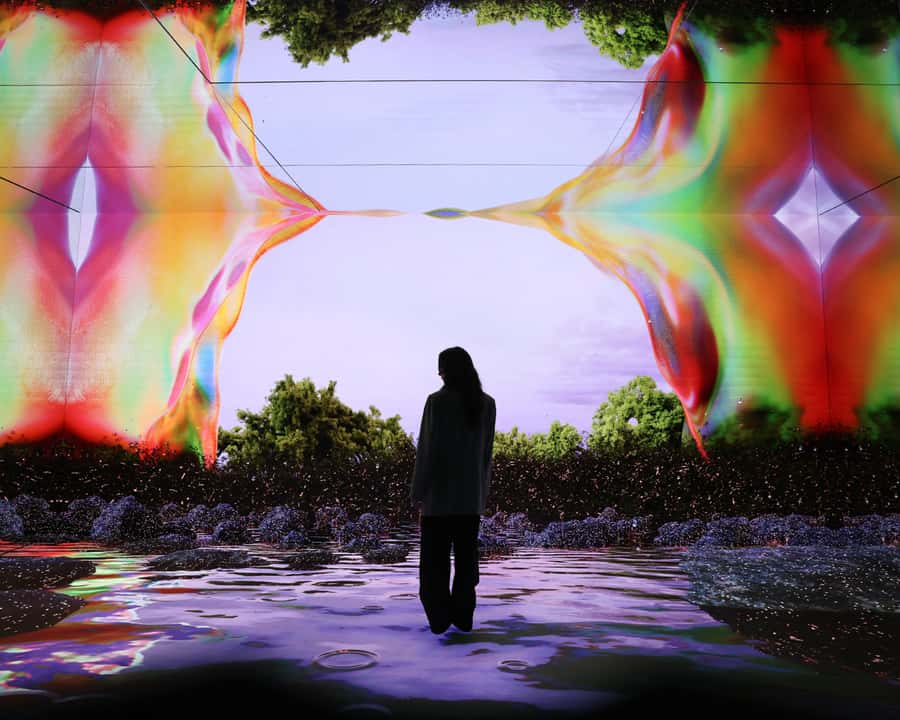
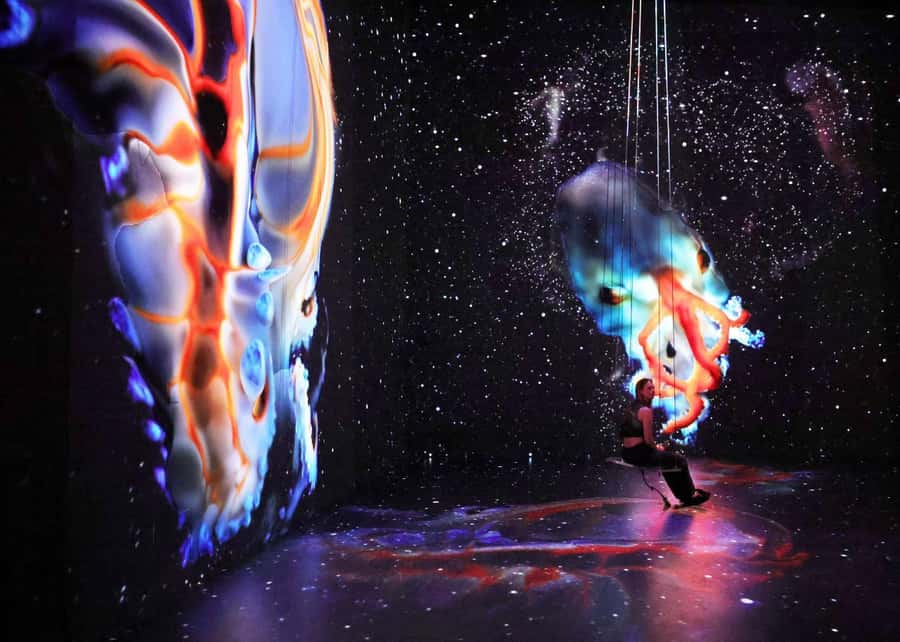
One of Mercer Labs’ best hands-on ideas is the activity where you draw your own animal and then watch it come to life in an interactive 3D video. It’s playful, but it also shows how the museum thinks: simple input from you, followed by a polished output controlled by the system.
This is a smart choice for a mixed group. Adults get a satisfying “that’s cool” moment. Kids get agency. Everyone shares the same screen reality after the drawing part, so it doesn’t turn into a solo distraction.
How to make it feel more special:
- Go in expecting something quick, then let yourself enjoy the surprise.
- If your group wants to take photos, do it right after the animation starts, not before, so you don’t slow your timing for the next rooms.
Roy Nachum’s Creative Touch: Design-Led Storytelling You Might Recognize
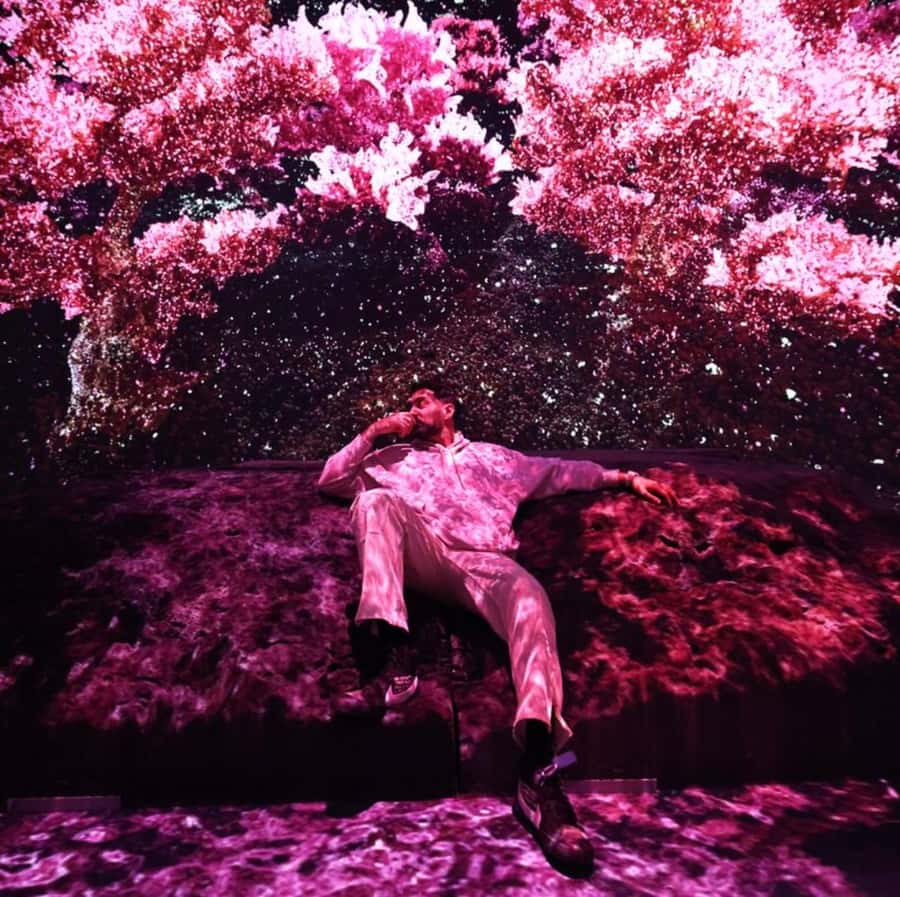
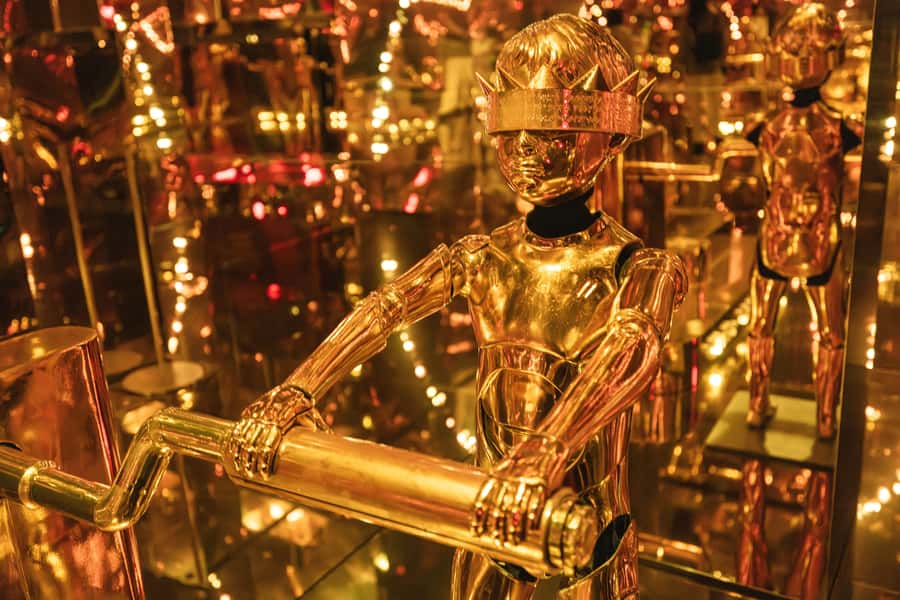
Mercer Labs also highlights the latest from Roy Nachum, a renowned designer connected to Rihanna’s Anti album. The exhibit content here is presented as design-forward art: you’re seeing creative thinking applied to visual systems, music-adjacent aesthetics, and modern styling.
Even if you don’t know the name beforehand, the experience is still enjoyable because it’s not just “look at a poster.” The space uses video and visual presentation to make the design feel like a living language, not a static artifact.
What to expect in practice: this kind of room can be a little more interpretive and slower than the pure sensory attractions. If you like understanding what you’re seeing, use the time to focus on shapes, pacing, and how the visuals connect to sound and mood.
One caution from real experience: there’s mention of a room where an artist video explains paintings, and that room can be disruptive when it’s crowded. If you prefer quiet attention, give yourself a little buffer time so you’re not stuck shoulder-to-shoulder.





The Infinity Room with 507,000 LEDs: The Visual Moment You’ll Keep Thinking About
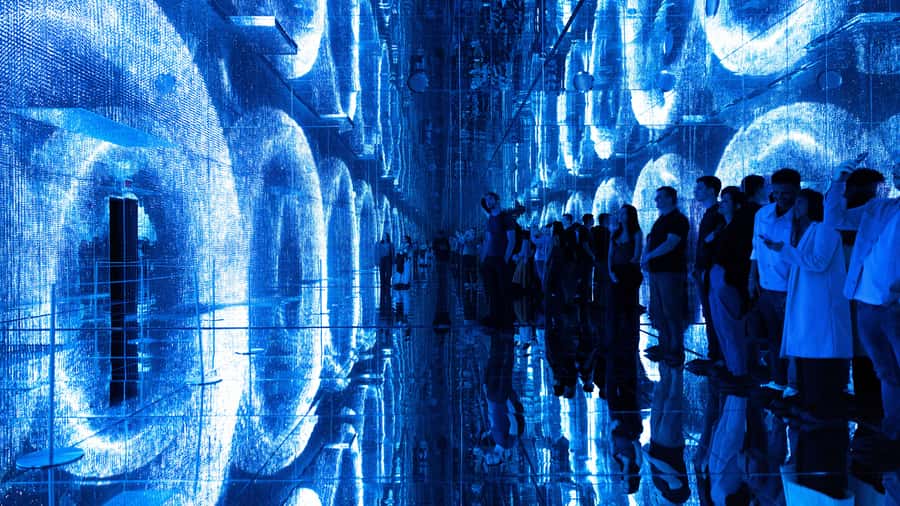
The infinity room with 507,000 LEDs is the showpiece lighting environment. This is the kind of space where your first reaction is usually not “I get it.” It’s more like “wait, where did the floor go?”
You’ll likely spend more time here than you planned because the room invites long staring. The mirrored LED setup and the sense of endless depth are designed to stretch your perception. It’s a room that works even if you’re not into tech. Your eyes do the rest.
Photo expectations: you can get great results, but don’t let the quest for the perfect shot wreck your experience. Move through, enjoy the effect, then come back if you want a second look once the crowd shifts.
Small drawback to consider: if the museum is busy, the infinity room can become a bottleneck. That’s not a reason to skip it; it’s just a reason to plan your pace and expect some wait-for-your-turn energy.
Other Rooms Worth Chasing: Sound, Motion, and Surprise Interactions
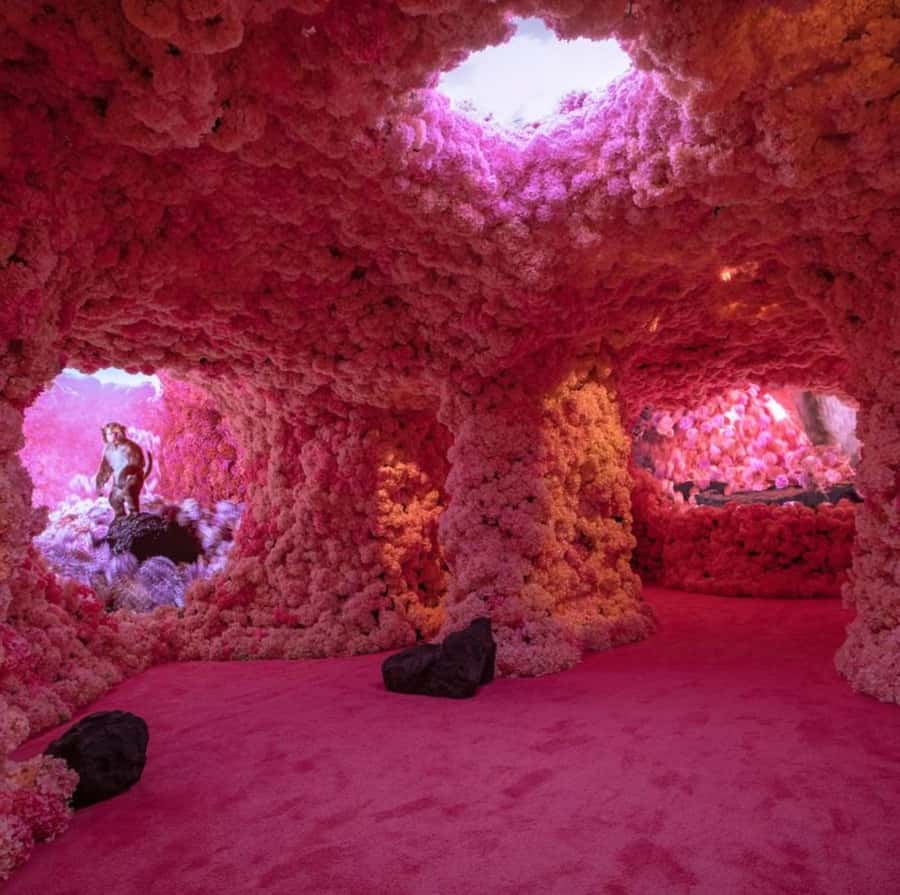
Mercer Labs is more than two or three big-name attractions. It’s a whole sequence of 15 interactive rooms, and you’ll feel that variety immediately as you move between installations.
Here are the types of extra moments that tend to stick with people:
- Sound-driven spaces beyond the 4D Sound gallery, where vibrations and audio effects can feel intense
- Video installations that shift perspective and add narrative mood
- Themed interactive rooms, including one mention of a chess room that might not always be open
That last point matters. If you have a specific room you’re chasing, build in flexibility. If something you want isn’t running at the moment you arrive, you won’t be stranded. The museum design means there’s usually another sensory “chapter” just around the corner.
Time Your Visit: How to Fit 60 to 75 Minutes Without Rushing
Your ticket includes enough time to enjoy the experience, but it’s not a slow museum stroll. A fully enjoyable visit is listed as 60 to 75 minutes, and that range is realistic if you don’t get stuck in one room too long.
My practical advice:
- Start with the most “must-see” items first, especially 4D Sound and the infinity room.
- Then fill in the hands-on and design-related spaces.
- If you’re going with kids, let them guide the pace for the interactive parts, then gently steer back toward the big visual rooms.
Crowd reality: one review noted the museum wasn’t too busy, which makes a huge difference for staying in the moment. Other experiences point out that crowded times can add noise, especially in rooms with vibrations or video components. If you’re planning a visit when you want maximum calm, prioritize timing and keep your expectations flexible.
Price and Value: Is $56 Worth It in New York?
At $56 per person, you’re paying for high production value: multi-sensory design, interactive technology, and a lighting/sound environment built for spectacle. That’s different from paying for a traditional museum experience where the “value” is mainly artwork and space.
So when does it feel worth it?
- If you enjoy tech + art and you like experiences you can’t get at home on a screen
- If you’re traveling with kids who still have the attention span for hands-on activities
- If you care about sensory design, like omni-directional sound and large-scale LED environments
When might it feel pricey?
- If you want lots of reading, deep historical context, or quiet viewing time
- If you’re the type who doesn’t like loud or interactive spaces
There’s also a “one and done” possibility for some people. The museum’s concept is short, intense, and designed for impact. That’s not a flaw; it’s the product. Decide based on whether that format matches your travel style.
Who Should Go (and Who Might Skip)
This is a great fit if you:
- Like modern design, sound effects, video installations, or interactive tech
- Want a unique NYC activity that works for couples and families
- Prefer experiences over lectures
You might think twice if you:
- Hate crowds and noise
- Expect a conventional art museum with lots of room-by-room interpretation
- Want an all-day activity with food on site (food and beverages aren’t included, and you can’t bring food inside)
If your group includes a mix of interests, Mercer Labs often wins because there’s variety in the rooms. One person can chase the sound, another can do the drawing, and the LED infinity room pulls everyone back at once.
Should You Book Mercer Labs?
I’d book it if your NYC trip includes at least one “different from normal” stop. Mercer Labs is built around sensory impact, especially the 4D Sound with omni-directional audio and the 507,000-LED infinity room. If those two things are even somewhat your style, the odds are strong you’ll remember the visit long after you leave the building.
Skip it or reconsider if you mainly want quiet, slow viewing, or if you’re very noise-sensitive. Also, budget the experience as a ticket-only activity: you’ll need to plan food elsewhere since food and beverages aren’t included.
FAQ
How long is Mercer Labs?
You should plan for about 60 to 75 minutes to fully enjoy the experience.
Where is the entrance to Mercer Labs?
The entrance is on the corner of Church & Dey St.
What subway station is closest?
The closest subway station listed is Cortlandt Street Station.
What’s the last time I can enter?
The last entry ticket available is 75 minutes before the museum closes.
Is food included, or can I bring it in?
Food and beverages are not included. Also, food and drinks are not allowed inside.
What items are not allowed at Mercer Labs?
The museum does not allow weapons or sharp objects, and glass objects are also not allowed.
Are strollers permitted in the exhibition?
No. Strollers are not permitted into the exhibition.
Is Mercer Labs wheelchair accessible?
Yes. The activity is listed as fully ADA-accessible, and service animals are welcome.
Is there a coat check service?
No. Coat check services are not available.
Can I cancel for a refund?
Yes. There is free cancellation up to 24 hours in advance for a full refund.