REVIEW · NEW YORK CITY
NYC: New York City History of Stand-Up Comedy Tour
Book on GetYourGuide →Operated by Comedy History Tours NYC · Bookable on GetYourGuide
Laughing through Manhattan’s comedy origin story.
This NYC stand-up history walk ties jokes to real places, with a fully licensed guide who also keeps up with today’s comedy scene. You’ll start at a classic intersection, then move venue to venue while your guide explains what happened there and why it mattered.
Two things I really love: you get the actual birthplaces of modern stand-up around Greenwich Village, and the tour doesn’t treat comedy like museum glass—it connects the past to what you can watch next. I also like that your guide sets you up with practical choices for shows later that day.
One thing to consider: the included show benefit is 21-and-over, so if you’re under 21, the show part won’t work for you. Also, while it’s listed at 75 minutes, a talkative (and funny) guide can mean the walk runs long sometimes.
In This Review
- Key highlights worth showing up for
- Starting on Christopher Street with context, not trivia
- The Duplex and Cafe Wha: where modern stand-up found its shape
- The Bitter End and the Cafe Au Go Go story next door
- Grisly Pear and the television shift toward Saturday Night Live
- The Comedy Cellar marquee moment and Village Underground’s second stop
- The free show access: the smartest part if you plan ahead
- Price and value: $30 for a focused walk plus show benefits
- Who should book this Comedy History Walking Tour
- Little details that make the difference
- Should you book this tour?
- FAQ
- How long is the NYC History of Stand-Up Comedy Tour?
- Where do I meet for the tour?
- What does the tour cost?
- What’s included besides the walking tour?
- Which comedy venues are part of the tour stops?
- Are the included comedy shows 21-and-over?
- What language is the tour guide?
Key highlights worth showing up for
- Greenwich Village comedy origins tied to specific venues, not vague legends
- Licensed guide who knows both the history and the modern stand-up scene
- Icon stops: The Duplex, Cafe Wha, The Bitter End, The Comedy Cellar
- TV era pivot: how television and the rise of Saturday Night Live changed comedy
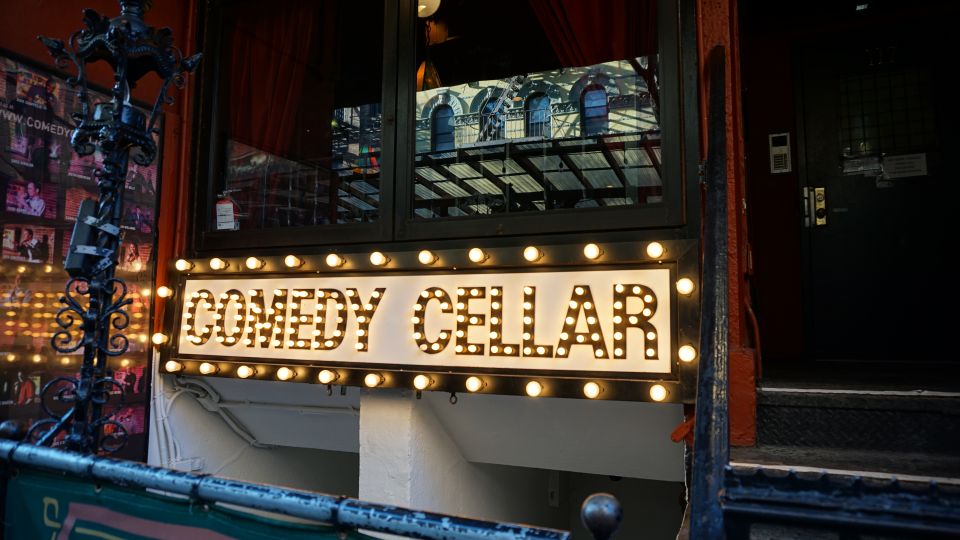
- Photo-friendly moments including the Comedy Cellar marquee area
Starting on Christopher Street with context, not trivia
The experience begins at 13 Christopher St, in front of Ad Hoc Collective Coffee Shop, right at the intersection of Gay Street and Christopher St. It’s a smart start: this is where you can mentally switch on the Greenwich Village vibe fast, because the streets feel like they’ve always hosted performers, writers, and late-night stories.
From the first stop, your guide frames what you’re about to see. You’ll hear how New York comedy moved from early 1900s vaudeville through the dinner-club era and the radio boom of the 1930s and 40s. The point isn’t just dates. It’s the change in how comedy got made and how audiences found it.
You’ll also get the guide’s photo-and-narration style. That matters more than you’d think. Comedy history can blur together unless you can anchor it to faces, rooms, and addresses. Here, the guide uses pictures while walking, so it’s easier to connect a famous name to a physical place.
One more practical note: the walk is listed at 75 minutes, so you’re not committing an entire afternoon. That makes it an easier fit if you already have plans for dinner or a show later.
You can also read our reviews of more city tours in New York City



The Duplex and Cafe Wha: where modern stand-up found its shape
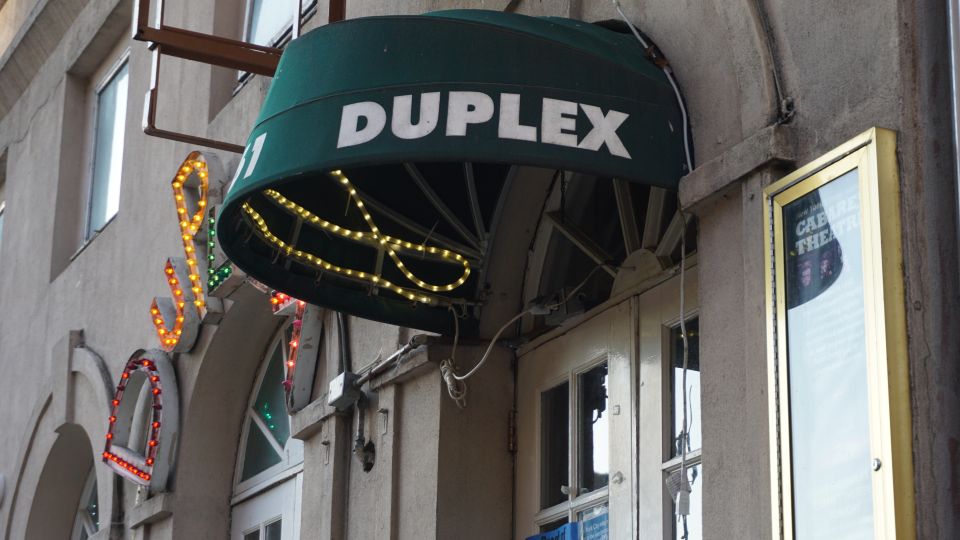
The first major swing of the tour focuses on venues tied closely to the rise of modern stand-up. At The Duplex, you’ll learn what made the room special and which comedians used it as a launchpad. This is one of those places where knowing the “why” makes the outside look different. Even if you’ve never been inside, you start spotting the kind of energy that attracts performers who want a real audience reaction, not just a polite crowd.
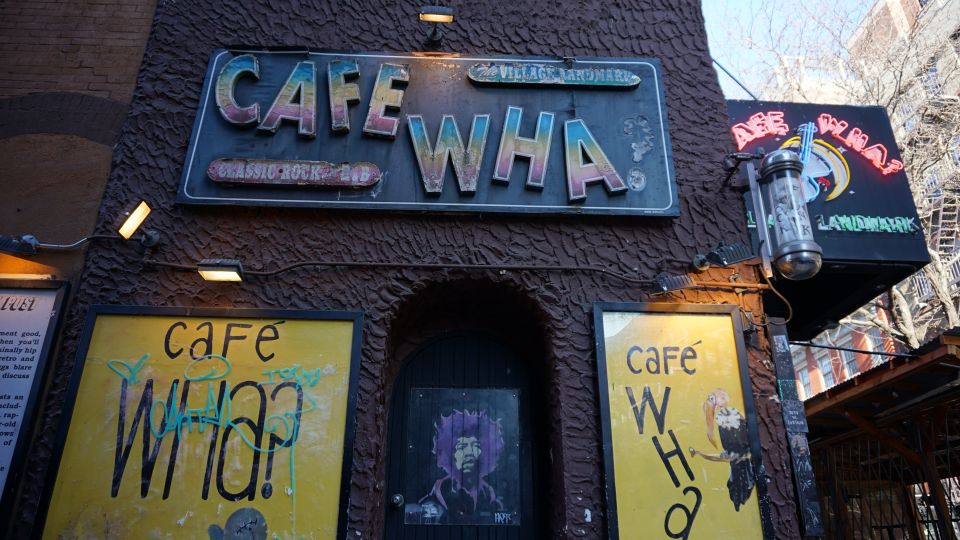
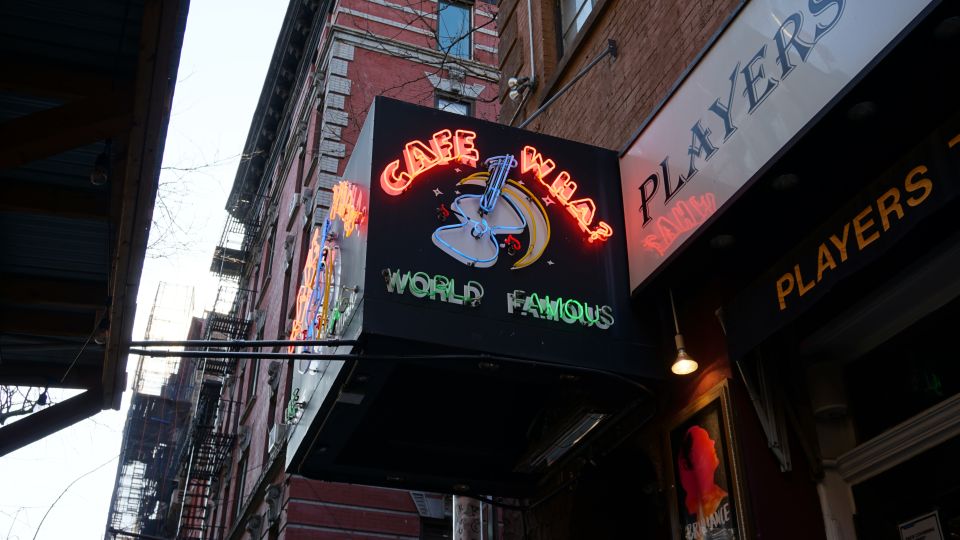
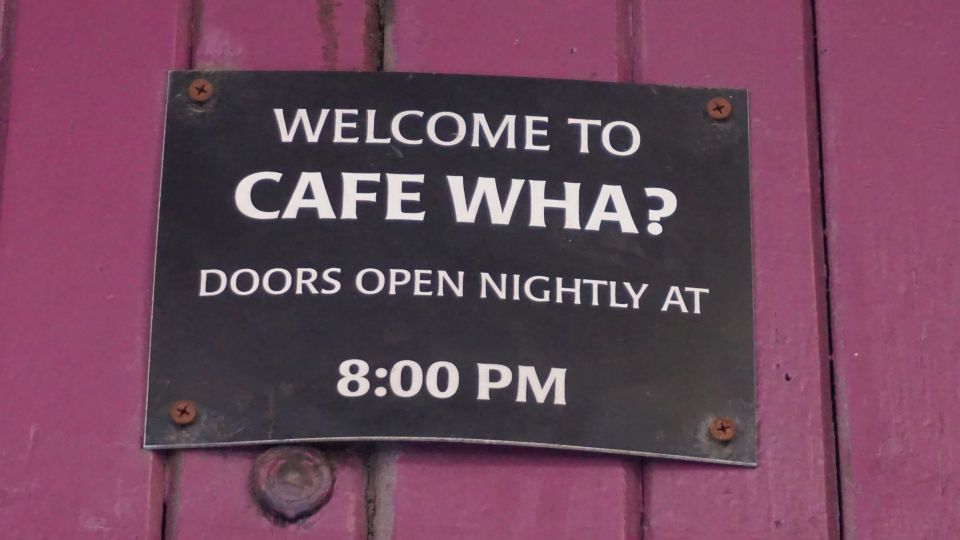
Next up is Cafe Wha, another Village landmark where comedy grew teeth. Your guide shares the venue’s comedy timeline and highlights performers who rose through the room. What I like here is the way the tour links the venue to a style of comedy—more direct, more personal, and more tuned to the rhythm of a live crowd.
If you’re a fan of stand-up, these two stops are often the reason people sign up. You’re not just learning that comedians performed here. You’re learning why these kinds of rooms mattered for getting a career going in the first place.
A potential drawback: if you’re hoping for a deep, lecture-style history of every decade, the timing may feel tight. This walk works best when you want the big picture plus key anchors, then you follow up by watching shows afterward.
The Bitter End and the Cafe Au Go Go story next door
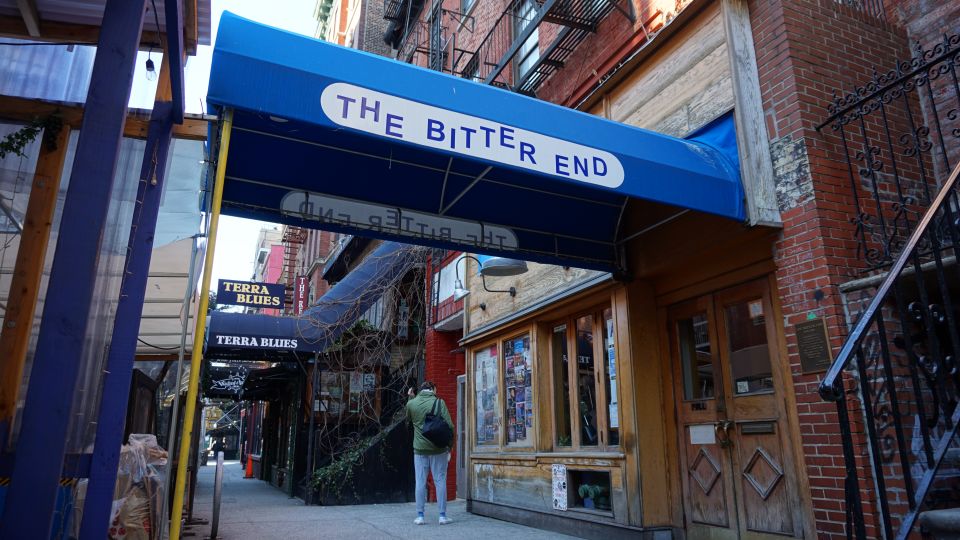
After the Duplex and Cafe Wha, you hit The Bitter End. This stop has two layers. First, you get the Bitter End narrative—how it fit into the broader comedy and club ecosystem. Second, you get the surrounding context of Cafe Au Go Go, including its original location and what’s there now.
Here’s a particularly useful detail your guide covers: Cafe Au Go Go is now Madam Ji’s, and it sits across the street from The Bitter End. That kind of address-level detail is exactly why a walking tour beats an article. You can stand on the corner later and remember the story instantly.
This part of the walk is good for people who like cultural history but don’t want to drown in names. Your guide ties the places to how comedy evolved through different venues and eras—how rooms competed, how performers built followings, and how New York became a testing ground for new material.
Grisly Pear and the television shift toward Saturday Night Live
Then the tour pivots into a major turning point: comedy in the TV era. At The Grisly Pear Comedy Club, you’ll hear about how the rise of television in the 1960s changed what comedy looked like and how it reached audiences. This stop also connects the dots to the creation of Saturday Night Live—not as a standalone pop-culture event, but as part of a bigger shift in mainstream visibility.
You’ll also learn about notable African American contributions to comedy, which is important context if you want to understand how comedy shaped American culture and not just entertainment schedules. The tour keeps this grounded in specific performance spaces and the broader trend of who got the spotlight as media changed.
Another practical win: this stop also points you toward modern clubs in New York City. It’s the kind of information that helps you decide where to go after the walk, especially if you’re short on time and don’t want to gamble blindly.
The Comedy Cellar marquee moment and Village Underground’s second stop
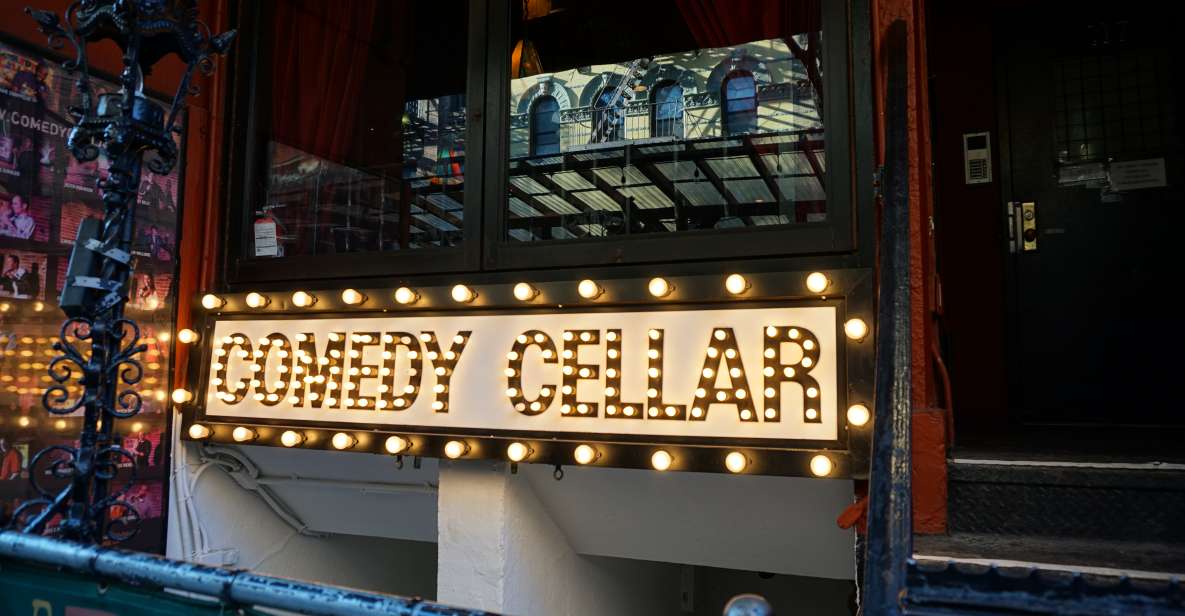
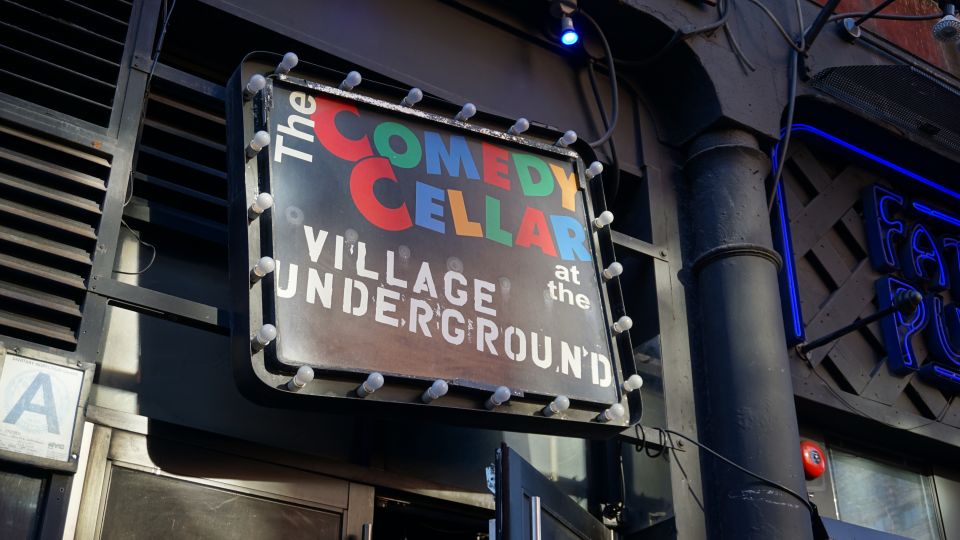
At The Comedy Cellar, your guide brings you to the club’s famous presence on the street. One of the genuinely fun parts here is the simple, practical offer to take photos in front of the marquee. It’s not just a souvenir thing. It helps you “lock in” the experience so the name and place stick, especially because Comedy Cellar is referenced everywhere in stand-up circles.
From there, you visit a second location of The Comedy Cellar at Village Underground. This matters because it shows how a comedy brand can spread while keeping its roots in that same Village network. You’re seeing comedy not as one room, but as a system that keeps expanding.
At this stop, your guide also points you toward the stand-up show access you’ll get later. The walk isn’t just storytelling. It’s also a bridge into live nights of comedy while the history is still fresh in your head.
You can also read our reviews of more historical tours in New York City





The free show access: the smartest part if you plan ahead
The tour includes complimentary entrance to one or more stand-up comedy shows later in the day/night or on another date during your trip. Your guide gives you the options at the end and provides vouchers and confirmations. That setup is a big part of the value, because it turns the walk into a two-part experience: history in the streets, then comedy in a real room.
There’s also an overview for each show option, so you can make a choice based on what you care about instead of just picking at random.
One important constraint: show options are ages 21 and over, so the benefit is for adults. If you’re traveling with someone under 21, you’ll want to line up alternative entertainment.
Price and value: $30 for a focused walk plus show benefits
At $30 per person for about 75 minutes, the price is reasonable on its face. But the real value is the combo: you’re paying for guided history plus included entry to comedy shows later. If you were going to see stand-up anyway, this is the kind of deal that can quietly pay for itself—especially if your schedule lines up and you use the vouchers.
Also, the guide’s job isn’t just recounting old events. The tour is built to help you understand what you’re seeing when you go to a show. That’s why the TV-era stops and the modern club pointers matter. It’s not just trivia. It’s buying context.
And because it’s a walking format, you’re getting a neighborhood experience too. Even if you already know parts of New York comedy lore, the place-based explanation can refresh your understanding fast.
Who should book this Comedy History Walking Tour
This is a great fit if:
- You love stand-up and want place-by-place context for how it grew
- You’re spending time in or around Greenwich Village and want a focused activity
- You plan to see at least one 21-and-over comedy show during your trip
- You like tours where the guide is actively making connections, not reading slides
It’s less ideal if:
- You want a long, slow deep dive with lots of time inside venues
- You’re looking for a quiet, minimal-contact experience where stops don’t involve crowding outside popular clubs
- You need something that works for under-21 show access
Little details that make the difference
Based on the experience people shared, one standout is guide performance. One booking specifically praised Joe and said he was great. Another noted the guide didn’t stop talking—so the tour can run longer than the listed time when the guide is on a roll. That can be a plus if you like storytelling, but it’s worth keeping in mind if you have a hard clock constraint.
A solo booking experience was also described as still going ahead, which suggests you shouldn’t assume the tour only runs for big groups. That’s reassuring if you travel off-peak.
Should you book this tour?
If you’re a comedy lover and you have even a little flexibility for shows later, I’d say yes. The tour does two useful jobs at once: it gives you a fast, walkable history anchored to real rooms, and it hands you show options with vouchers so you can turn that history into an actual night out.
If you’re just curious about New York comedy, you’ll still enjoy the stops—but you’ll likely get the most satisfaction when you pair the walk with one of the included stand-up shows.
FAQ
How long is the NYC History of Stand-Up Comedy Tour?
The tour lasts 75 minutes.
Where do I meet for the tour?
Meet at 13 Christopher St, New York, NY 10014, in front of Ad Hoc Collective Coffee Shop at the intersection of Gay Street and Christopher Street.
What does the tour cost?
It costs $30 per person.
What’s included besides the walking tour?
You get free entry to one or more stand-up comedy shows later in the day/night or on another date during your visit. Your guide provides show options and gives vouchers/confirmations at the end.
Which comedy venues are part of the tour stops?
Key stops include The Duplex, Cafe Wha, The Bitter End, The Grisly Pear Comedy Club, The Comedy Cellar, and the second Comedy Cellar location at Village Underground. The tour also references the original location of The Cafe Au Go Go (now Madam Ji’s).
Are the included comedy shows 21-and-over?
Yes. The included show options are for ages 21 and over.
What language is the tour guide?
The tour guide speaks English.