REVIEW · NEW YORK CITY
Central Park After Dark Tour with Complimentary Photo Album
Book on Viator →Operated by Central Park Touring Experience · Bookable on Viator
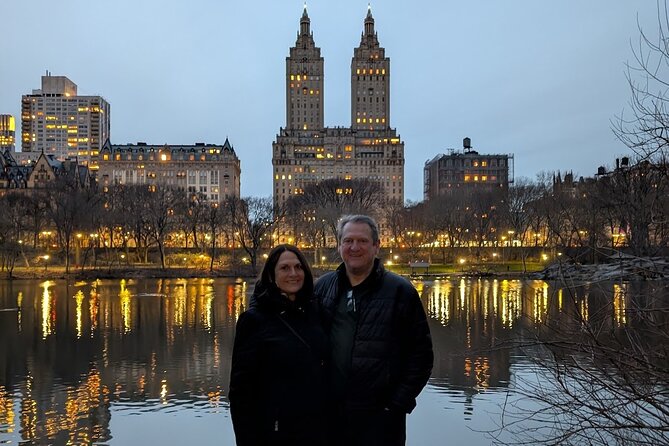
Central Park at night has a different pace. This Central Park After Dark tour mixes sunset-to-night photography with park stories, then slows down for real viewing time. I like that it’s run for small groups and you get the kind of angles you usually miss when you’re just wandering.
Two things I particularly like: you’ll visit major landmarks like the Dakota, Strawberry Fields, and Bethesda Fountain, and you’ll also get the softer, quieter parts of the park like the Ramble and bridge viewpoints. The second big win is the personalized commemorative photo album, plus the guide takes photos for you as you go.
One drawback to consider: it’s a walking tour with moderate physical fitness needed, so you’ll want good shoes and a willingness to keep moving even when it’s chilly.
In This Review
- Key highlights that make this tour worth your time
- Why Central Park After Dark works for photos and stories
- Price and included value: what $90 gets you in real terms
- Meeting point and the walk: how the 2.5-hour timing really feels
- Stop-by-stop in the first stretch: Dakota, Strawberry Fields, and the Swedish Homestead
- Central Park opener
- The Dakota
- Strawberry Fields, John Lennon Memorial
- The Swedish Homestead farmhouse structure
- Shakespeare Garden and Belvedere Castle: the park gets theatrical
- Shakespeare Garden
- Belvedere Castle
- The Ramble, Bow Bridge, and Gapstow Bridge: calmer woodland + city views
- The Ramble woodland
- Bow Bridge
- Gapstow Bridge
- Bethesda Fountain and Terrace: the park’s heart after dark
- Bethesda Fountain and the Angel of the Water
- Bethesda Terrace
- The Mall and literary walk: where the park becomes a cultural corridor
- Central Park’s Literary Walk (the Mall)
- The ice rink and pickleball shift
- The Dairy Visitor Center and Tavern on the Green: family charm to iconic nightlife
- The Dairy Visitor Center and Gift Shop
- Tavern on the Green finish
- What makes the guide and small group format matter
- Tips to get the most out of your night in Central Park
- Should you book this Central Park After Dark tour?
- FAQ
- How long is the Central Park After Dark Tour?
- How much does the tour cost?
- What language is the tour offered in?
- Is there a mobile ticket?
- Is the photo album included?
- Are admission tickets included for the stops?
- Where does the tour start and end?
- Do I need moderate physical fitness?
- What happens if the weather is poor?
- Is there free cancellation?
Key highlights that make this tour worth your time
- Photo-first pacing for sunset and night views, not a rushed checklist
- Small group size (max 12) for better attention and easier photo stops
- Belvedere Castle, Bow Bridge, and Bethesda Terrace are timed for great atmosphere
- Ramble woodland time with bird-focused nature viewing and the man-made stream called the Gill
- Shakespeare Garden details with mini quote templates that connect to Shakespeare works
- Tavern on the Green ending with nighttime light effects at an iconic Central Park stop
Why Central Park After Dark works for photos and stories
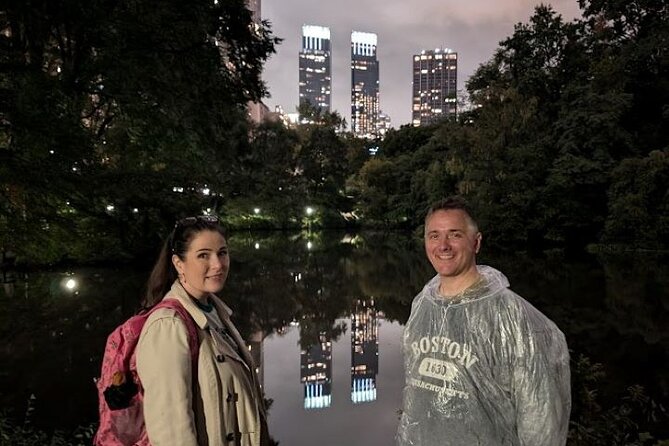
This tour is built around the simple idea that Central Park changes after dark. The light shifts. Shadows lengthen. Details that look ordinary in daytime turn more dramatic at night.
I also like how the guide balances big-name sights with moments that feel local. You’ll get the famous stops, but you’ll also have time to pause where the park feels calmer, especially once you move into areas like the Ramble and by the bridges.
You can also read our reviews of more tours and experiences in New York City.



Price and included value: what $90 gets you in real terms
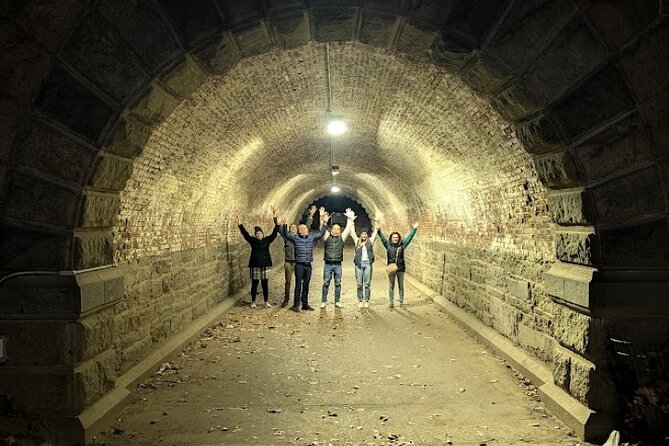
At $90 per person for about 2 hours 30 minutes, this isn’t a cheap impulse buy. But it’s not just a walking tour either.
You’re paying for a guided route plus what’s included: all fees and taxes, a personalized commemorative photo album, and admission that’s listed as included for many of the specific landmarks on the route. Even the starting portion in Central Park is marked as free for admission, and the tour wraps back inside Central Park at the end.
So the value math is usually pretty fair if you care about photos, want more than basic park trivia, and would otherwise pay separate admission or spend time figuring out the best viewpoints on your own. It’s less ideal if you only want to pass by famous spots quickly and don’t care about the guide or the photo package.
One more practical note: the tour is frequently booked about 25 days in advance on average, so if you’re visiting in a busy stretch, planning ahead helps.
Meeting point and the walk: how the 2.5-hour timing really feels
The tour starts at Majestic Apartments, 115 Central Park West (115 Central Prk W) and ends back at the same meeting point. Since it stays inside Central Park, you’re not doing long transfers across town, which keeps the time focused on the park itself.
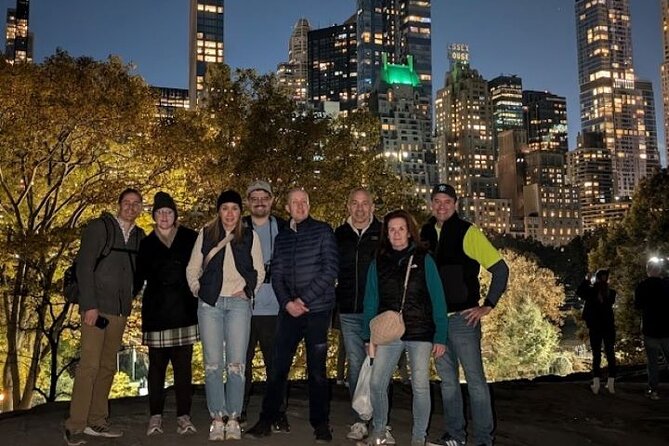
Group size is capped at 12 travelers, and that matters more than you might think at night. In a smaller group, you can stop longer for photos without everyone getting spread out, and you’re more likely to get specific guidance on where to stand.
The route is described as requiring moderate physical fitness. That doesn’t mean it’s a “hardcore” hike, but it does mean you should expect steady walking. Bring comfortable shoes, and dress for weather since this is an outdoor, good-conditions experience.
Stop-by-stop in the first stretch: Dakota, Strawberry Fields, and the Swedish Homestead
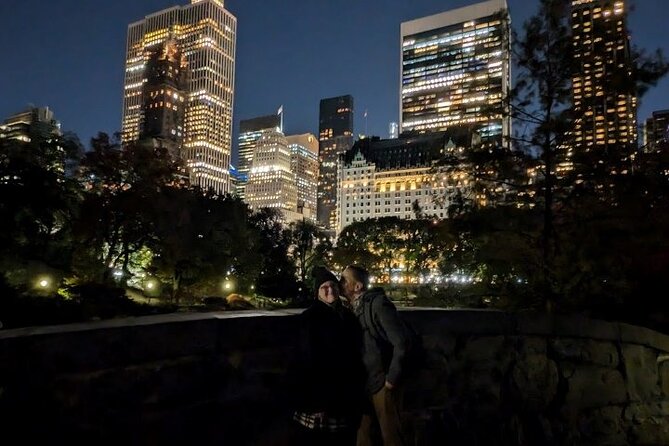
You begin right in Central Park, then the tour quickly moves into a part of the park tied to big-city drama and memorial meaning.
Central Park opener
The first stop gives you a grounding look at the park at night and sets the tone for what you’re seeing. I like openers like this because you get bearings fast—so when you’re later taking photos, you understand how the spaces relate.



The Dakota
Next comes The Dakota, shown here as an iconic building connected to John Lennon’s tragic demise. This is a short photo-and-story stop, and it’s the kind of location where a guide’s context can help you look longer than you would on your own.
Strawberry Fields, John Lennon Memorial
Then you reach Strawberry Fields and the John Lennon Memorial. This stop matters because it’s not only a landmark—it’s a place where the NYC community pays homage to Lennon. You’ll have time to slow down and take it in rather than rushing through a quick photo.
The Swedish Homestead farmhouse structure
After that, the route includes the Homestead Swedish farmhouse structure, shipped to the park in two pieces for the USA Centennial in 1876. This is a great reminder that Central Park isn’t just gardens and statues—it also has pieces of different eras and cultures built into it.
Shakespeare Garden and Belvedere Castle: the park gets theatrical
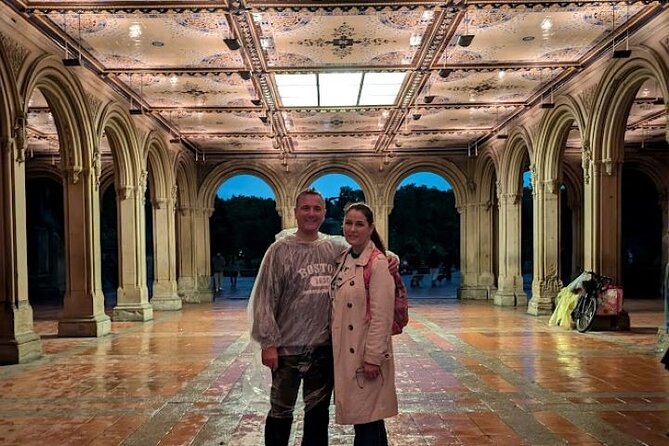
This part of the tour leans into the park’s playful side.
Shakespeare Garden
In the Shakespeare Garden, you’ll see a uniquely manicured, multi-leveled garden where colorful plantings connect to Shakespeare references. What I find especially fun is that the garden includes mini quote templates placed throughout, so the place gives you something to read, not only something to look at.
A practical tip: at night, those small text details can be harder to see. If you want the quote templates, consider having your phone brightness ready or bringing a small light (only if it doesn’t annoy others).
Belvedere Castle
Then you head to Belvedere Castle, described as a stone structure that gives a gothic and mysteriously powerful vibe on top of The Great Lawn. Even if you’ve seen photos before, standing near it at night feels different. The silhouette, the stone texture, and the way it sits above the lawn all make it a strong photography stop.
The Ramble, Bow Bridge, and Gapstow Bridge: calmer woodland + city views
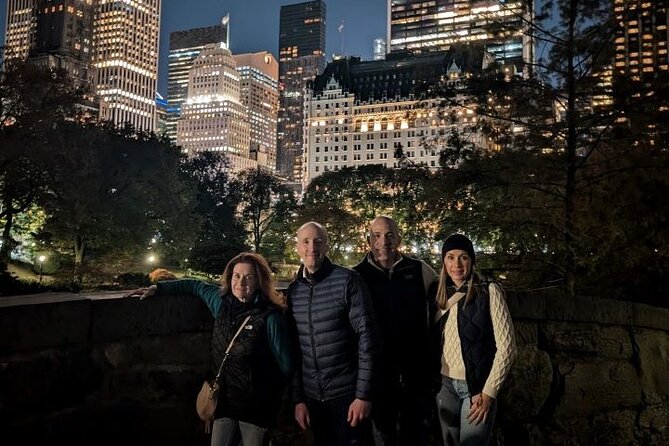
Some Central Park tours only hit the postcard moments. This one gives you time for the in-between.
The Ramble woodland
The Ramble is a 38-acre area known for winding paths and a “wild garden” feeling, separated between 73rd and 78th streets. The guide also points out that the Ramble can be a bird-watching area, with about 230 bird species found in the woods.
You also get time to look at the Gill, a man-made stream running through the Ramble. That’s a helpful detail because it explains why the area feels alive—water, shade, and path patterns all work together.
Night note: even with good lighting, the Ramble is more natural-feeling and darker than the main central sights. I’d take extra care with footing and keep your phone/handheld gear secure while walking.
Bow Bridge
Then you cross to Bow Bridge, Central Park’s most photographed and filmed cast-iron bridge. The key draw here is the skyline view framed by park greenery—very romantic, very “New York on film.”
Gapstow Bridge
Later, you reach Gapstow Bridge right near the pond. It’s a short stop but a strong one for photos. This is the kind of place where you can capture that water-and-bridge composition without hunting for your own angles.
Bethesda Fountain and Terrace: the park’s heart after dark
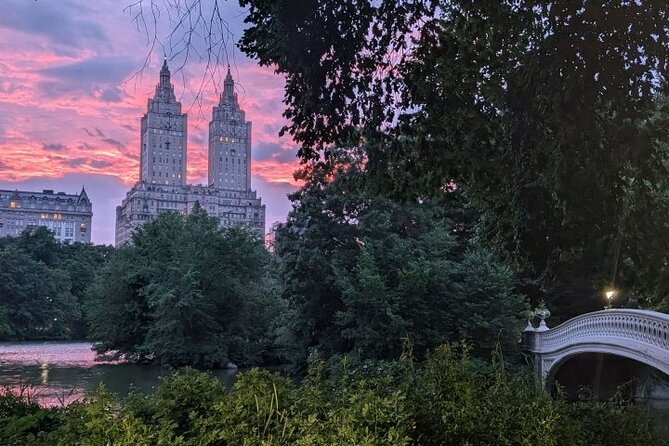
If you want one stretch that feels like Central Park’s emotional center, it’s here.
Bethesda Fountain and the Angel of the Water
You meet the Angel of the Water at Bethesda Fountain, which the tour frames as the heart of the park. At night, fountains and surrounding stonework can feel more sculptural. The light tends to make the details stand out, and the setting gives you a good spot to pause without feeling rushed.
Bethesda Terrace
Next is Bethesda Terrace, described as a majestic two-tiered structure featuring the Angel of Waters statue and ornate carvings. From this area, you also get views over the lake.
I like that the tour doesn’t just say see it—it teaches you where to stand so you can frame the fountain/terrace elements in a way that looks intentional on camera.
The Mall and literary walk: where the park becomes a cultural corridor
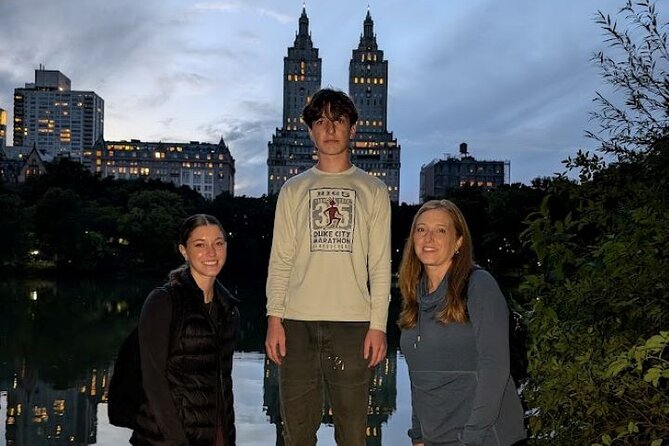
After the more solemn stops, the tour moves toward areas that feel more like a stage for people.
Central Park’s Literary Walk (the Mall)
You’ll stroll the Mall, known for its straight, tree-lined walkway and the quadruple row of American elms. This is also described as a gathering place for artists, musicians, and performers—part cultural meeting point, part street-stage energy.
The advantage of a guided walk here is timing and attention. You get more than a route through trees—you get meaning, and you can spot details you might skip because you’re busy trying to navigate.
The ice rink and pickleball shift
Along the way, there’s a stop for the famous ice-skating rink, now serving as a pickleball mecca. This is a fun reminder that Central Park adapts. Even when you’re thinking about classic landmarks, you’re also seeing modern neighborhood habits.
The Dairy Visitor Center and Tavern on the Green: family charm to iconic nightlife
The tour ends with a nice mix of Central Park’s family-oriented side and a big, recognizable restaurant setting.
The Dairy Visitor Center and Gift Shop
At The Dairy, you’ll learn that this Victorian cottage was designed by Calvert Vaux and built between 1869 and 1871. It was originally tied to fresh milk and snacks for children and caregivers, located at the heart of the Children’s District.
You also get the restoration story: it became Central Park’s first visitor center in 1979, and early 1980s restoration work brought back historic features removed in the mid-20th century. That kind of detail makes the stop more than a quick glance—it turns the building into a mini time machine.
Tavern on the Green finish
Finally, you stop at Tavern on the Green, ending at the outdoor bar area. It’s described as turning on multi-colored light effects at night.
This is also where you’ll want to think about what you planned for at the end of your tour. Alcoholic beverages aren’t included, so if you’re hoping to grab a drink, you should plan to pay for it separately.
What makes the guide and small group format matter
The guide-led component is the core of why this tour feels different from a self-guided park stroll. The small group format helps in a practical way: you can hear stories, take photos, and still keep moving without losing the group or missing turns.
From past tours connected to this experience, guides like Patrick can bring a real love for how the park fits into the city. There are also references to other guides such as Amanda and Brad, which suggests you’re not stuck with a generic script.
The big payoff is that you get specific viewpoints and photo spots you might not find on your own, especially in areas like the Ramble and around the bridges.
Tips to get the most out of your night in Central Park
A few practical things make this tour smoother and your photos better.
- Wear comfortable shoes that handle uneven park paths.
- Dress in layers. Night air plus walking can get cool fast.
- Bring a fully charged phone or camera if you care about the guided photo moments.
- Keep an eye on where the group is headed so you don’t miss the short stops like The Dakota and Gapstow Bridge.
- If you want the small text details in the Shakespeare Garden, plan for legibility in low light.
Should you book this Central Park After Dark tour?
Book it if you want a guided, photo-friendly way to see Central Park after dark without doing guesswork. The combination of key landmarks, quieter areas like the Ramble, and the personalized photo album makes it a solid choice for couples, first-timers, and anyone who likes learning while walking.
Skip it if you hate walking tours or you only want a quick pass through famous sights. With moderate fitness needed and the timing focused on about 2.5 hours, it’s not designed for slow meandering.
FAQ
How long is the Central Park After Dark Tour?
It runs about 2 hours 30 minutes.
How much does the tour cost?
The price is $90.00 per person.
What language is the tour offered in?
The tour is offered in English.
Is there a mobile ticket?
Yes, the tour uses a mobile ticket.
Is the photo album included?
Yes. You receive a personalized commemorative photo album as part of the included package.
Are admission tickets included for the stops?
Admission tickets are included for many of the listed stops, and the Central Park portion is marked as free for admission. Some areas are described without an admission note, but the overall tour lists multiple stops as included.
Where does the tour start and end?
It starts at Majestic Apartments, 115 Central Park West (115 Central Prk W) and ends back at the same meeting point.
Do I need moderate physical fitness?
Yes. The tour specifies a moderate physical fitness level.
What happens if the weather is poor?
The tour requires good weather. If it’s canceled due to poor weather, you’ll be offered a different date or a full refund.
Is there free cancellation?
Yes. You can cancel up to 24 hours in advance for a full refund.