REVIEW · NEW YORK CITY
NYC: New York History & Landmarks Guided City Tour by E-Cart
Book on Viator →Operated by Charlotte City Tours · Bookable on Viator
An e-cart tour makes NYC feel doable. This 2-hour loop links Hudson Yards and classic Manhattan landmarks with live guidance, so you see the big names and the in-between details without spending your day figuring out routes. You’ll spot the Vessel at Hudson Yards, then keep rolling past the West Side skyline and toward the High Line.
I love how the ride format keeps things efficient, especially when you’re only getting short stops like 10 to 15 minutes at each highlight. Another big plus is the human touch: guide Ian comes up again and again for his friendly pace and the extra side notes that make the streets feel less like a checklist and more like a story.
One thing to consider: the start point can be easy to miss if you’re rushing, and the cart’s back seats can be harder to hear. If you end up in the last row, you may also notice instructions feel reversed, so aim for a seat closer to the front if you can.
In This Review
- Key Highlights You Should Actually Care About
- E-Cart Comfort and the Real Value of a 2-Hour Loop
- Hudson Yards to the West Side: Skyscrapers, the Vessel, and Modern NYC Views
- High Line and the Meatpacking Area: A Short Walk, Big Payoff
- West Village on Foot for 15 Minutes: Why These Streets Feel Famous
- Washington Square Park and Greenwich Village: The Arch, the Energy, and the People
- Empire State Building Photo Stop: What You Get and What You Don’t
- Flatiron Building and Madison Square Park: The Quick Stops That Hit Hard
- How the Guide Changes the Tour Experience (Ian Is Mentioned a Lot)
- Practical Tips Before You Go
- Who This Tour Is For (and Who Might Want Something Different)
- Should You Book This NYC History & Landmarks E-Cart Tour?
- FAQ
- What’s the duration of the NYC New York History & Landmarks guided city tour by E-Cart?
- How much does the tour cost?
- How many travelers are on the cart tour?
- What language is the tour offered in?
- Is there a mobile ticket?
- Where do you meet for the tour?
- Does the tour end back at the meeting point?
- Are admission tickets included for the stops?
- What’s the cancellation policy?
Key Highlights You Should Actually Care About

- E-cart format for a shorter day: You cover multiple neighborhoods fast without long stretches of walking.
- Hudson Yards viewpoints: You’ll see the Vessel area and the West Side skyline landmarks from the cart.
- High Line with a timed stop: A 10-minute window gives you the main viewpoints without turning it into a half-day project.
- West Village stops with pop-culture street references: Perry Street and 23 Cornelia Street get mentioned for a reason—good for spotting why these blocks matter.
- Photo stops that still feel planned: Empire State Building and Flatiron are quick, but the route gives you the right moments to shoot.
- Small group size (max 7): You get a more personal feel than the big-bus crowd.
E-Cart Comfort and the Real Value of a 2-Hour Loop
This tour is designed for a simple goal: see a lot of Manhattan highlights without turning your vacation into transit homework. The cart takes the pressure off. Instead of stopping to check subways, crossing traffic in broad daylight, or guessing where the best angles are, you roll between neighborhoods and spend your limited time on the most photogenic points.
At $89 per person for about 2 hours, the value comes from two places. First, you’re paying for transportation (the cart ride) plus a live guide who explains what you’re looking at in plain language. Second, some stops are ticket-free at the time you’re visiting, including the High Line stop and the time in areas like the West Village and Washington Square Park. Even with a quick itinerary, that mix helps justify the cost versus doing it solo and trying to stitch together short walks plus explanations on your phone.
Group size matters here. With a maximum of 7 travelers, you’re less likely to feel lost behind a crowd. It also means the guide can keep the pace steady and still talk through why each stop is worth your attention. If you’re doing New York for the first time (or doing it again but want a guided shortcut), this format tends to work well.
You can also read our reviews of more guided tours in New York City



Hudson Yards to the West Side: Skyscrapers, the Vessel, and Modern NYC Views

The tour starts by easing you into the modern side of Manhattan, and that’s a smart move. Many NYC routes start with the “old stuff” first, but beginning in Hudson Yards helps you understand the city’s growth in a way that feels chronological, not random.
At Hudson Yards, you’ll see the Vessel area—the honeycomb-like structure people climb for views. Even if you don’t go up (nothing in the provided details says you’ll be entering anything on this portion), just seeing it from the right vantage point gives you a sense of how new Manhattan can look almost futuristic compared to the older grid.
From there, you’ll keep passing through the West Side neighborhood. The route calls out the skyline and also references The Edge observation deck, which is another reason this section feels like more than just “look at tall buildings.” These are the places where NYC shows you how it markets itself to the world: steel, height, and engineered views. If you’re the type who likes understanding why something is iconic—not only that it exists—this is a good first segment.
Quick heads-up: because these early sights are mostly pass-by viewing and quick stops, don’t count on this being a slow, photo-ops-only segment. If you want to linger, keep your expectations aligned with a paced, guided route.
High Line and the Meatpacking Area: A Short Walk, Big Payoff

Next comes one of Manhattan’s best-known public-space stories: the High Line. You get a 10-minute stop, and that’s a practical length. It’s enough time to take in the elevated views and clock what makes it feel different from a regular park—gardens, public art, and that moving perspective over the streets below.
The payoff of the High Line stop in a guided cart tour is the context you get while you’re there. Instead of you wandering through and guessing what you’re seeing, the guide helps connect the rail-history concept to the design you’re noticing in the moment. Even if you’ve seen photos, being on the walkway for a short window usually helps you get your bearings fast.
After the High Line, you pass by Chelsea Market. This is one of those stops where the location does some of the work for you. You see an indoor hub full of food and shopping energy without needing to commit to a long meal. Then you roll through the Meatpacking District, known for cobblestone streets and the mix of shopping, restaurants, and nightlife. Even if you’re not heading out in the evening, daytime views still tell you a lot about how the neighborhood has evolved.
If you dislike quick transitions, this is the section where the tour is most “move on, next.” You’re not stuck waiting forever, but you will feel the rhythm. For many people, that’s the point—efficient sightseeing without turning it into a marathon.
West Village on Foot for 15 Minutes: Why These Streets Feel Famous
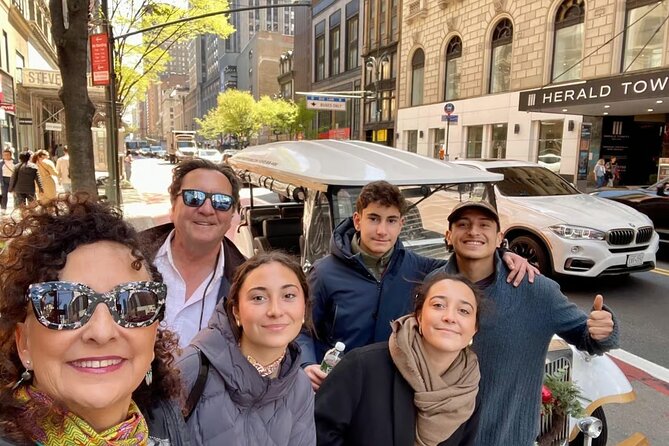
Then the tour shifts into classic neighborhood charm with a 15-minute stop in the West Village. This is a strong choice because the West Village isn’t just photogenic—it’s walkable even when you only have a small window.
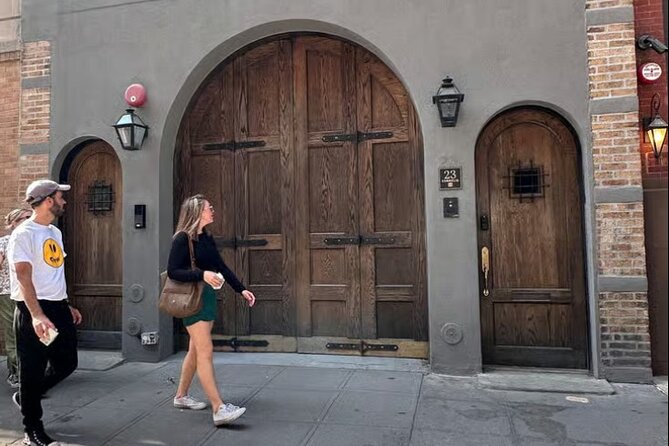
The highlights mentioned include Perry Street and 23 Cornelia Street. Those references matter because they point you toward why certain blocks became famous beyond their architecture. When you know what you’re looking for, you tend to notice more: street lines, building scale, and the tiny details that make these areas feel like they have a personality.
The tree-lined vibe is part of what makes the West Village work even in a short time. You get enough minutes to step off the cart, look around, and reset before the next move. If you’re traveling with kids, older relatives, or anyone who doesn’t want a long walking day, this stop length tends to hit a comfortable sweet spot.
Washington Square Park and Greenwich Village: The Arch, the Energy, and the People
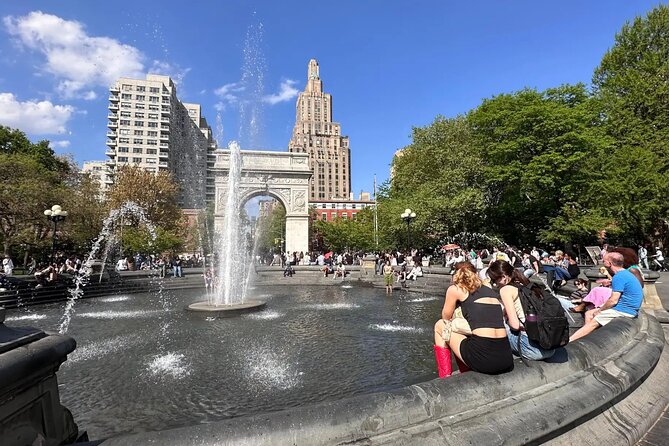
From the West Village, you move toward Washington Square Park. You’ll either pass by or stop, with an 10-minute window noted. This park is easy to recognize because of the arch, and it’s also easy to feel. It’s the kind of place where you see street performers, notice how locals gather, and understand why this area became a magnet for artists and visitors over time.
The route then passes through Greenwich Village, which helps tie the vibe together. Greenwich Village is often described as historic and artistic, and this part of the tour gives you the chance to observe the neighborhood’s character without needing to plan separate walking time.
One practical note: since this is part of a guided route with a cart, you may not have full freedom to roam wherever you want inside the park. If you love long, slow hangs on benches with people-watching, you might want to come back later on your own. The tour’s job here is to point you in the right direction and give you a strong first impression.
You can also read our reviews of more city tours in New York City






Empire State Building Photo Stop: What You Get and What You Don’t
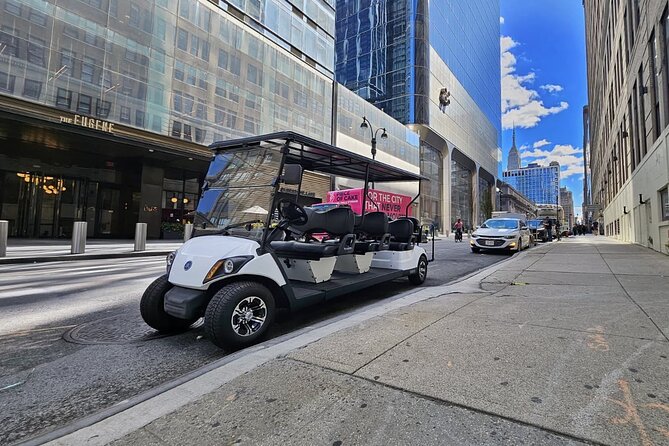
The tour includes an Empire State Building stop designed as a photo stop with about 5 minutes allocated. The provided details also state that admission is not included, which is important. In other words, plan for exterior viewing and photos rather than a full visit up inside the building unless you’ve arranged that separately.
Still, a photo stop can be totally worth it, especially on a cart tour. Empire State Building is one of the few landmarks that instantly anchors your mental map of Manhattan. Seeing it from the right angle at the right time helps you understand how the city lines up around it.
If you’re determined to go up, consider turning this into a two-part plan: do the guided photo stop for orientation, then add a timed entry later. That approach usually feels less stressful than trying to guess timing while you’re also moving through multiple neighborhoods.
Flatiron Building and Madison Square Park: The Quick Stops That Hit Hard

Next are two iconic shots that are brief but purposeful. First, you get a Flatiron Building photo stop for about 5 minutes. Flatiron is one of the most recognizable silhouettes in the city. Even when you’ve never stood near it, you’ve probably seen it in postcards or movies. On a short itinerary, that matters: it’s instant payoff for minimal time.
You then pass by Madison Square Park, with about a 5-minute segment and free admission noted for that stop. Madison Square Park often gets reduced to “a place near a landmark,” but it’s also a useful final viewpoint because it’s close to the energy of Midtown while still giving you a bit of green space. The tour description even calls out views of the Flatiron Building, so your photos can connect the two areas instead of feeling like unrelated stops.
If you’re the type who likes to end tours with a strong sense of place, this finale works. You finish with an area that’s easy to reconnect to for more exploring afterward.
How the Guide Changes the Tour Experience (Ian Is Mentioned a Lot)
The best part of this tour, based on the feedback pattern around Ian, is how he adds useful side notes while you’re moving and when you stop. He’s described as pleasant and accommodating, and the emphasis is on little details that help you understand what you’re seeing without turning the day into a lecture.
That matters because many NYC tours fall into one of two traps: either they rattle off names with no meaning, or they tell you cool stuff but at random. Here, the format seems to support “what you’re seeing right now” explanations. You get the why tied to the moment: the streets, the landmark look, the neighborhood personality.
Also, a quick comfort-and-sound tip. One caution that came up is about seating on the cart. If the last row is hard for you to hear, don’t wait until you’re already seated. Choose a spot closer to the guide if possible. If you’re sensitive to how instructions can feel when you’re facing a different direction, keep that in mind too. Small adjustments can make a big difference in how much you enjoy the guide’s commentary.
Practical Tips Before You Go
A cart tour works best when you plan for quick stops and short walking stretches. Here’s how I’d prep if you want this day to feel smooth:
- Wear shoes you can walk in for 10 to 15 minutes at a time, even if most of your movement is riding.
- Bring your camera, but keep your expectations realistic. Some stops are built for quick photo moments, like Empire State and Flatiron.
- Have a backup plan for getting the meeting point right away. The start is 438 W 33rd St and the meeting spot is described as across from Whole Foods—worth checking before you show up rushed.
- If you care a lot about hearing the guide, aim for seats nearer the front. Seating orientation can affect how clear directions feel.
If you’re booking in advance, this is also a tour type people tend to schedule early. With an average booking window around 15 days in advance, grabbing a time that fits your day can save you from last-minute scrambling.
Who This Tour Is For (and Who Might Want Something Different)
This guided E-cart tour suits you if you want a structured way to see multiple NYC landmarks without committing to a full-day walking itinerary. It’s a great fit for first-timers who want major icons like Hudson Yards, High Line, Washington Square Park, Empire State Building, and Flatiron in one connected route.
It also works well for people who prefer guided context. If you like being shown where to look and hearing what makes each area matter, this day has that built in.
On the flip side, if you want long time in one place—say, you want the High Line for an hour or two—this might feel short. The itinerary is paced for variety, not deep stay. You’ll likely enjoy it most if you treat it like a “get oriented and capture the highlights” day, then build a longer follow-up on the neighborhoods that pull you in.
Should You Book This NYC History & Landmarks E-Cart Tour?
I’d book this if you want a 2-hour, small-group sightseeing hit across several of Manhattan’s most recognizable landmarks, delivered by a live guide who adds extra details. The route is efficient, and the cart format lowers the stress that comes with trying to hop between neighborhoods on your own.
I’d think twice if hearing the guide matters a lot and you’re likely to sit in the back rows, or if you strongly prefer very flexible, slow roaming time at each stop. This tour is best when you’re ready for quick moments and guided movement.
If you go, do it with one mindset: use the tour to get your bearings, then spend the rest of your time in the spots that you want to revisit longer.
FAQ
What’s the duration of the NYC New York History & Landmarks guided city tour by E-Cart?
The tour lasts about 2 hours.
How much does the tour cost?
The price is $89.00 per person.
How many travelers are on the cart tour?
The group size is capped at a maximum of 7 travelers.
What language is the tour offered in?
The tour is offered in English.
Is there a mobile ticket?
Yes, the tour includes a mobile ticket.
Where do you meet for the tour?
The start is at 438 W 33rd St, New York, NY 10001, USA.
Does the tour end back at the meeting point?
Yes, the activity ends back at the meeting point.
Are admission tickets included for the stops?
Some stops note admission as free, such as the High Line and several park/neighborhood segments. The Empire State Building stop is a photo stop and admission is not included.
What’s the cancellation policy?
You can cancel for free up to 24 hours in advance for a full refund. Cancellations within 24 hours aren’t refunded.