REVIEW · NEW YORK CITY
French Tour of Harlem and Columbia
Book on Viator →Operated by Destinations Off Road · Bookable on Viator
Stepping into Harlem feels like flipping pages. This French tour strings together Columbia University and Harlem in one tight 3.5-hour loop, with guides who live in New York and explain what you’re seeing as you go. I especially like the focused Columbia stop (campus context plus the official bookstore), and I also love how the Harlem walk connects architecture, music, and street art to the neighborhood’s turning points. One thing to consider: access to Columbia can be limited if the campus is closed to visitors, so you may not get the same level of inside time.
You’re not dealing with a huge group. The tour caps at 10 people, uses a mobile ticket, and ends at the Apollo Theater with a sheet of good addresses in Harlem. It’s priced at $69, which can feel fair when you factor in a French guide for 3.5 hours plus the email souvenir photo and post-visit resource sheet.
If you like museums but prefer walking and real neighborhoods, this works. If you want an ultra-institutional, all-access college campus visit no matter what, you might feel slightly let down when Columbia access is restricted.
In This Review
- Key Things I’d Zoom In On
- Why Harlem and Columbia Belong on the Same Walk
- Columbia University: What You Actually Get in 30 Minutes
- St John the Divine Cathedral: The Largest “Never Finished” Wow
- Harlem on Foot: Architecture, Music, and the Neighborhood’s Turns
- Street Art and Music References: A Short Stop with Real Payoff
- Guides, Group Size, and the French Advantage
- Value for $69: When This Is a Good Deal
- Timing and Route: Starting at Broadway, Ending at the Apollo
- Practical Tips So You Don’t Miss What Matters
- Who This Tour Fits Best (And Who Might Want Something Else)
- Should You Book This French Tour of Harlem and Columbia?
- FAQ
- How long is the French Tour of Harlem and Columbia?
- What language is the tour guide?
- Where do I meet, and where does the tour end?
- How big is the group?
- Is there an admission fee for the stops?
- What if Columbia University is closed to visitors when I go?
Key Things I’d Zoom In On
- Small group pace (max 10): enough time for questions without a packed line.
- Columbia context in real time: you’ll get why the university is prestigious while you walk the grounds.
- St John the Divine detour: the “largest cathedral” and the story of why it’s never finished.
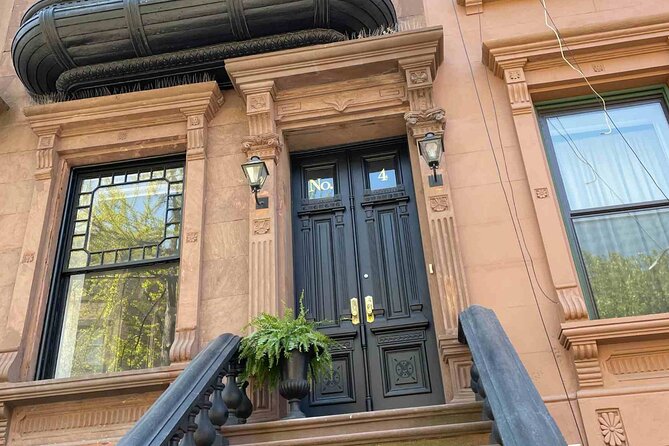
- Harlem as a map of music: architecture and street scenes tied to sound and cultural shifts.
- Street art + musical references: a short but pointed stop focused on the visual-to-audio connection.
- Useful follow-up: email souvenir photo and a post-walk sheet of good Harlem addresses.
Why Harlem and Columbia Belong on the Same Walk
This tour has a smart rhythm: start with the academic gravity of Columbia, then roll straight into Harlem’s cultural weight. The effect is practical. You’re not just collecting landmarks—you’re learning how different parts of the same city have shaped ambition, identity, and community.
I like that the guide doesn’t treat Harlem like one static “look.” You see how streets and buildings reflect change over time, and you also get the music references that help it all stick. Guides on this tour—like Stephanie, Kaïssa, and Samuel—come through clearly in the feedback: they explain, they keep it lively, and they manage the walk so it doesn’t feel like you’re being pushed around.
The only real trade-off is the Columbia component. Even when the stop is part of the plan, the campus can be closed to visitors during certain periods, which can limit how much you can actually go into. Still, you’ll come away with the Columbia story and where to look when you’re nearby on your own.
You can also read our reviews of more tours and experiences in New York City.



Columbia University: What You Actually Get in 30 Minutes
The Columbia stop is built to be short on purpose: a guided walk around the campus area, plus the reason it’s so prestigious and how students dream of studying there. You’re not trying to cover every building like a self-guided marathon. Instead, you’re getting the highlights and the meaning behind them.
There’s also an official bookstore component. If you like bringing home a real souvenir (not just a generic magnet), this is a concrete win. It’s also a nice mental reset before Harlem—Columbia represents a kind of institutional “center of gravity,” and the guide sets that up so the next neighborhood stop lands with context.
One caution from the tour’s real-world experience: Columbia campus access has been closed to visitors for a stretch of time. In that case, your visit may be more about walking, explaining, and pointing than about entering buildings. Even so, the Columbia history part still helps—because when you later stand outside another gate or building on your own, the story makes more sense.
St John the Divine Cathedral: The Largest “Never Finished” Wow
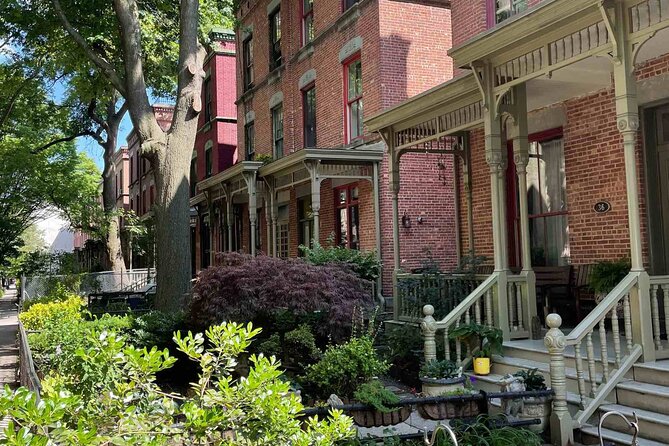
Then you pivot to Harlem with a detour at St John the Divine Cathedral. This is one of those stops that gives you immediate scale, because the cathedral is described as the largest in the world—and it’s also never been completed.
In plain terms, that combination makes it memorable. You’re looking at something grand that still carries unfinished character. The guide uses that fact to anchor the stop, so you’re not just admiring architecture—you’re hearing why it’s different from the typical “completed and complete” story you might expect.
It’s also a good pace-change. After campus explanations, the cathedral feels like a reset: bigger views, more open space, and a change in atmosphere. The stop is short, but it hits the kind of detail you can’t easily pick up from a quick photo stop.
Harlem on Foot: Architecture, Music, and the Neighborhood’s Turns
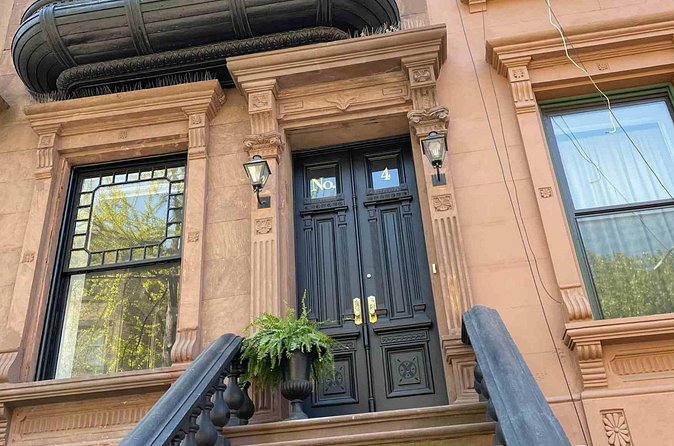
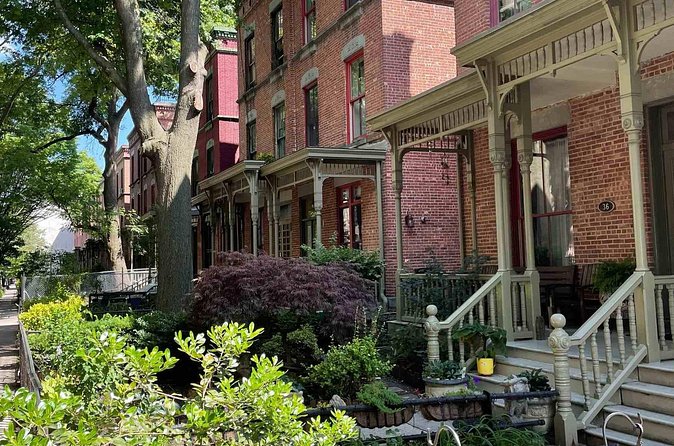
The core of the tour is the Harlem walk—2 hours 30 minutes of guided strolling through the district’s streets, with architectural and musical discoveries along the way. This is where the tour stops being a list of sights and starts being a guided “reading” of a neighborhood.
I like how the guide frames the area’s evolution. Harlem isn’t presented as one neat chapter; it’s shown as a place with tumultuous history and visible change. You’ll hear explanations tied to what you can physically see: street layout, building style, and the way certain areas developed and shifted identity.
The pace also matters. The group size is capped at 10, which keeps the walk from turning into a hurry-up-and-follow game. The feedback on guides like Samuel and Kaïssa reflects that feeling: friendly explanations, and a walk that stays lively rather than herd-like.
If you’re the type who loves hearing the “why” behind the “what,” this part delivers. And if you’re more of a visual person, you’ll get enough references—especially musical ones—to make the street scenes feel connected instead of random.
Street Art and Music References: A Short Stop with Real Payoff
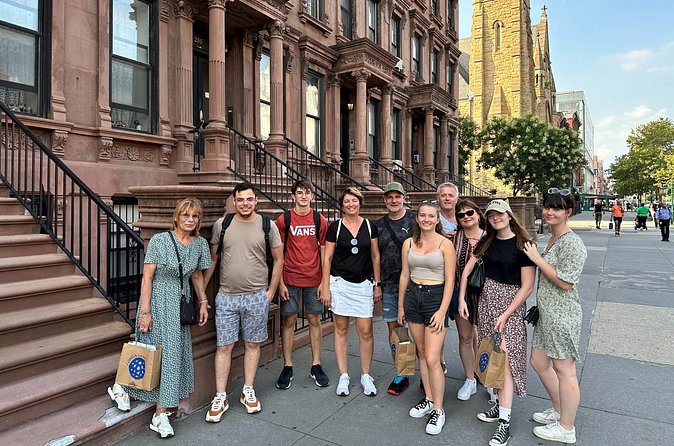
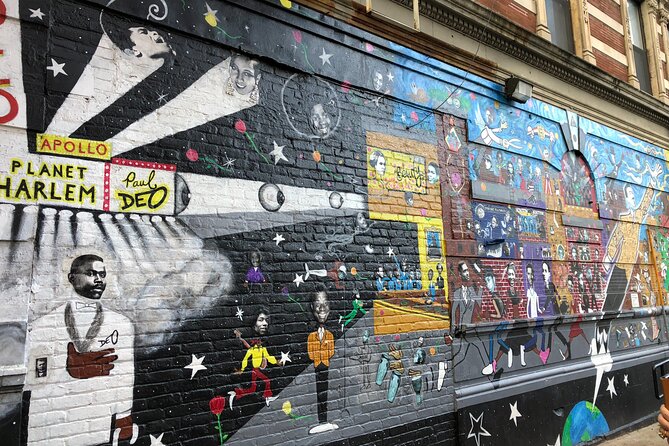
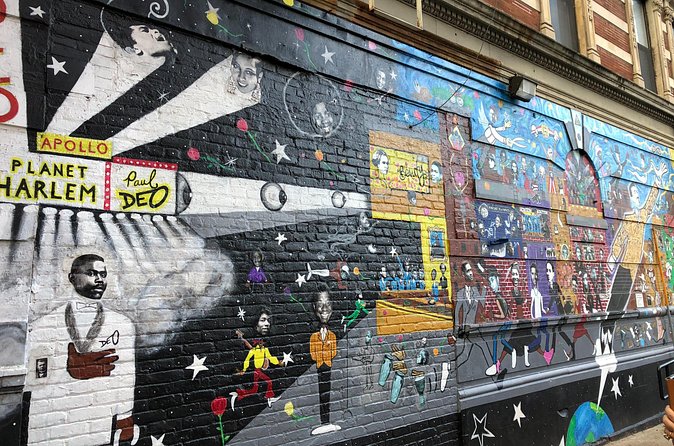
After the longer Harlem segment, you get a smaller, focused stop centered on art. This is where you’ll look at the art of Harlem, especially the blend of street art and musical references.
This is the part I’d call “memory glue.” The bigger Harlem history walk helps you understand structure and change. This shorter stop then gives you something to notice right away in the present-day street environment. It’s a quick way to turn what you see into what you remember.
Even better: because the guide ties the art back to music references, you’re not just looking for style—you’re learning what the images are pointing to. It’s the kind of connection that makes Harlem feel less like a set of photos and more like a culture you can recognize.




Guides, Group Size, and the French Advantage
This is a French-speaking tour, and that’s a real difference-maker if you want nuance rather than just quick landmark facts. The guides on this walk have local credibility—one theme in the feedback is that they’ve been living in New York for years and can explain the neighborhood in a grounded way.
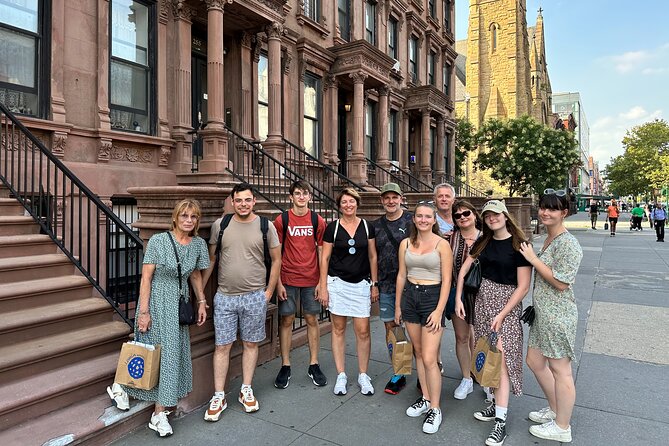
I also appreciate that the tour feels designed for conversation. With a max of 10 participants, your guide has room to slow down when something sparks a question. That matters on a walking tour, because the “best moments” usually happen when you want context for something you spotted on the sidewalk.
You’ll also get follow-up: an email with a souvenir photo. It’s a small extra, but it makes the experience feel complete. At the end at the Apollo Theater, you’re given a sheet of good addresses in Harlem—useful if you want to keep exploring after the tour rather than just going home.
Value for $69: When This Is a Good Deal
$69 for about 3.5 hours with a French-speaking guide is not a bargain price, but it’s also not inflated given what’s included. You’re paying for real-time interpretation—someone explaining the “why” behind Columbia’s prestige and Harlem’s evolution, while you’re walking.
What strengthens the value is the package around the walk:
- the guide (French-speaking),
- the souvenir photo email,
- and the post-visit sheet of good Harlem addresses.
The stop admissions are marked as free in the plan, so you’re not likely to face surprise entry fees during the experience itself. Add a small group size (up to 10), and you’re getting time with a person rather than just moving through a crowd.
If you’re the type who usually skips guided walking tours because they feel too generic, this one can be a better fit. The Harlem piece specifically ties street scenes to music and art references, not just names and dates.
Tips aren’t included, so budget a bit for that if you use the common practice.
Timing and Route: Starting at Broadway, Ending at the Apollo
The tour starts at 2:30 pm at Columbia’s area: 116th and Broadway. It ends in Harlem at the Apollo Theater, at 253 W 125th St. That end point is a big deal. The Apollo is a landmark with energy, and finishing there helps you transition into further exploring on your own.
Because it’s in Manhattan, you’ll want to plan for normal city walking time to and from the meeting point. The route is doable for most people, and it runs in good weather (the experience requires decent weather). If the forecast is rough, you might be offered a different date or a full refund, but you won’t want to count on perfect conditions.
The mobile ticket setup is practical: less paper to manage. And since you’ll get a guide and a sheet of addresses at the end, you’re not left guessing where to go next.
Practical Tips So You Don’t Miss What Matters
First: dress for walking. Even with a guided route, you’re doing real streets-time—especially in the longer Harlem segment.
Second: keep your questions ready. On a small-group tour, asking about something you see—architecture details, a music reference, or why Columbia is so tied to ambition—gets you better answers.
Third: if you care most about Columbia access, treat that part as “context + explanation” rather than a guaranteed inside visit. When Columbia is closed to visitors, the tour still works because the guide’s job is storytelling and orientation. Still, set expectations accordingly so you don’t feel frustrated if you can’t go where you hoped.
Finally: plan a little extra time after the tour at the Apollo Theater. The end sheet of good addresses is there for a reason, and it’s a strong way to turn the guided portion into your own Harlem mini-itinerary.
Who This Tour Fits Best (And Who Might Want Something Else)
This tour is ideal if you:
- want a French-speaking guide in New York who can connect what you see to culture and history,
- like walking tours that explain streets rather than just passing by landmarks,
- and enjoy Harlem when it’s tied to music and art references, not only famous names.
It also suits people who like variety. You get a university campus story, a major cathedral stop, then street-level Harlem. It’s one outing with multiple moods.
If your top priority is entering lots of Columbia buildings, or you’re expecting a full campus experience regardless of access rules, you may want to pair this with a flexible plan. Columbia access has been closed to visitors during a stretch of time, so you should be mentally ready for outside-focused viewing.
Should You Book This French Tour of Harlem and Columbia?
Book it if you want an organized, friendly walk that gives you context fast and keeps you moving through two iconic parts of Manhattan. I think the biggest selling points are the small group pace, the guide-led connections between Harlem’s architecture and music, and the handy follow-up materials—especially the good-address sheet ending at the Apollo Theater.
Skip it (or book with flexible expectations) if you need guaranteed inside access to Columbia during your visit. That’s the one variable that can change the feel of the first stop. Still, the Columbia explanations and the rest of the route are designed to work even when access is restricted.
If you’re looking for a tour that feels like a conversation with New York—rather than a checklist—this is a solid choice.
FAQ
How long is the French Tour of Harlem and Columbia?
It runs for about 3 hours 30 minutes.
What language is the tour guide?
The tour includes a French-speaking guide.
Where do I meet, and where does the tour end?
You start at 116th and Broadway near Columbia University and end in front of the Apollo Theater at 253 W 125th St.
How big is the group?
The tour has a maximum of 10 travelers.
Is there an admission fee for the stops?
The itinerary lists admission tickets as free for the included stops.
What if Columbia University is closed to visitors when I go?
There has been a period when Columbia’s campus was closed to visitors. If access is limited, the tour still focuses on the Columbia history and orientation as part of the stop, so you can still get value even if you can’t go inside.
If you want, tell me your travel dates and what you most care about (Harlem music, architecture, street art, or Columbia), and I’ll suggest how to time the rest of your afternoon around the Apollo Theater stop.