REVIEW · NEW YORK CITY
NYC: Remnants of Dutch New Amsterdam Guided Walking Tour
Book on GetYourGuide →Operated by Untapped New York · Bookable on GetYourGuide
Dutch New York is right under your feet. You’ll walk lower Manhattan along the original coastline and connect the present street grid to the early Dutch settlement story in a way that’s easy to picture. The stops cluster around New Amsterdam leftovers near Bowling Green, so the tour feels like you’re moving through a living map of 1600s New York.
Two things I really liked: you trace the streets of Manhattan in 1667 using Manhattan’s first map, and the guide keeps everything grounded in what’s still visible, not just what’s written in a book. I also love that you physically interact with the past, including time at Bowling Green where you can find out how it got its name and why it mattered.
One consideration: this is an outdoor walk, so you should plan for rain or shine and wear shoes you can handle for two hours. If you’re hoping for quiet, sit-down museum time, this one is more feet-on-the-stone and street-level explaining.
In This Review
- Quick take: what makes this New Amsterdam walk work
- Lower Manhattan’s Dutch Coast: where the story stops being abstract
- Meeting point at the National Museum steps: start on the right footing
- The 1667 map trick: making today’s streets line up with the past
- First City Hall foundations and the tavern connection
- Dutch fort, windmill, and battery clues near Wall Street
- Bowling Green: touch history and learn why the name stuck
- How guides keep the pace right (Richard and Mandy)
- Price and value: why $39 feels fair for a guided 2-hour walk
- Who should book this New Amsterdam walk
- Should you book: my honest recommendation
- FAQ
- How long is the NYC Remnants of Dutch New Amsterdam Guided Walking Tour?
- Where does the tour start?
- What language is the tour offered in?
- Is the tour wheelchair accessible?
- Does the tour run in bad weather?
- What should I bring, and what is not allowed?
- What is the cancellation policy?
Quick take: what makes this New Amsterdam walk work
- Walk the Dutch shoreline route through places tied to early Manhattan’s layout
- Use a 1667 map in hand to match old streets to today’s streets
- See the first City Hall site and understand its early civic role (and tavern use)
- Spot Dutch fort and battery remnants in the area where defenses once mattered
- Touch history at Bowling Green while learning how the name became part of NYC
- Clear audio with headsets so the guide’s explanations stay easy to follow
Lower Manhattan’s Dutch Coast: where the story stops being abstract
If you’ve ever looked at lower Manhattan and felt like the place is all “skyscrapers now,” this tour helps you reset your mental picture. You start where the city’s earliest coastline and defenses would have made sense, so the Dutch settlement story isn’t floating in time. It’s tied to the street corners and built remnants you can still locate today.
What I enjoy most is how the guide connects myth and fact without turning it into a lecture. You get founding myths and the straight facts, then you see how those ideas relate to real locations. That contrast helps you remember what you learn, because you’re linking every detail to a spot.
This is also a smart choice if you like street history. Instead of rushing between distant landmarks, you stay in one compact area where multiple Dutch-era clues overlap. You’ll leave with a much better sense of how the early settlement functioned, not just who was in charge.
You can also read our reviews of more walking tours in New York City



Meeting point at the National Museum steps: start on the right footing
The tour begins on the steps of the National Museum of the American Indian at 1 Bowling Green, New York, NY 10004. I like this location because it’s easy to find and it immediately signals you’re starting at the edge of what used to be the harbor and settlement focus area.
You’ll be in a small group, which matters more than it sounds. It keeps the walk interactive, and it helps you actually hear what the guide is pointing out. Headsets are included, so you don’t have to strain your voice above street noise, and you can keep your eyes on the sidewalks and building edges.
Wear comfortable shoes. This is a two-hour walk, and the “tour” part is mostly happening on foot in the outdoors. Also, bring weather-appropriate clothing, since it runs rain or shine.
The 1667 map trick: making today’s streets line up with the past
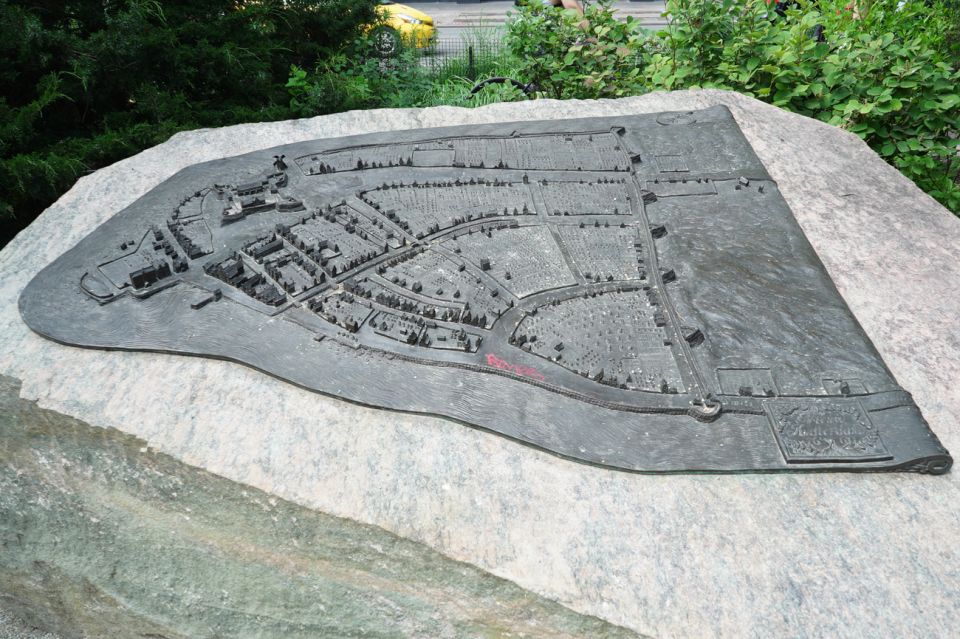
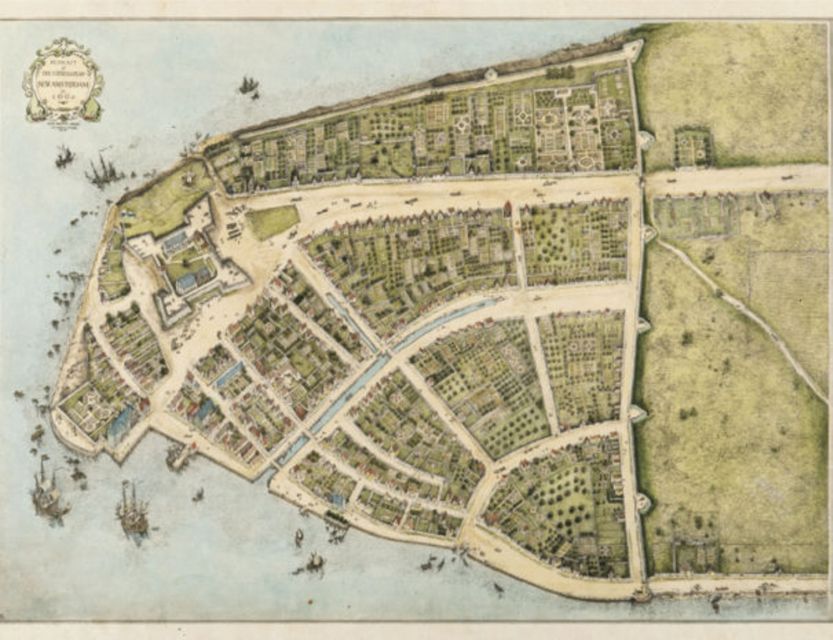
A big reason this tour feels different is that you don’t just get told what happened in 1667. You trace the streets of Manhattan in 1667 while holding Manhattan’s first map. That turns a dense topic into something physical you can follow step by step.
Here’s the practical payoff: once you match old street names and positions to modern streets, the city becomes easier to navigate. You start recognizing patterns around lower Manhattan instead of treating it like a jumble of directions. The guide helps you “read” the neighborhood the way an early map would.
What makes this approach work is that it’s visual and hands-on. You’re not memorizing names only to forget them by the subway ride home. You’re building a mental overlay, and that overlay sticks.
First City Hall foundations and the tavern connection
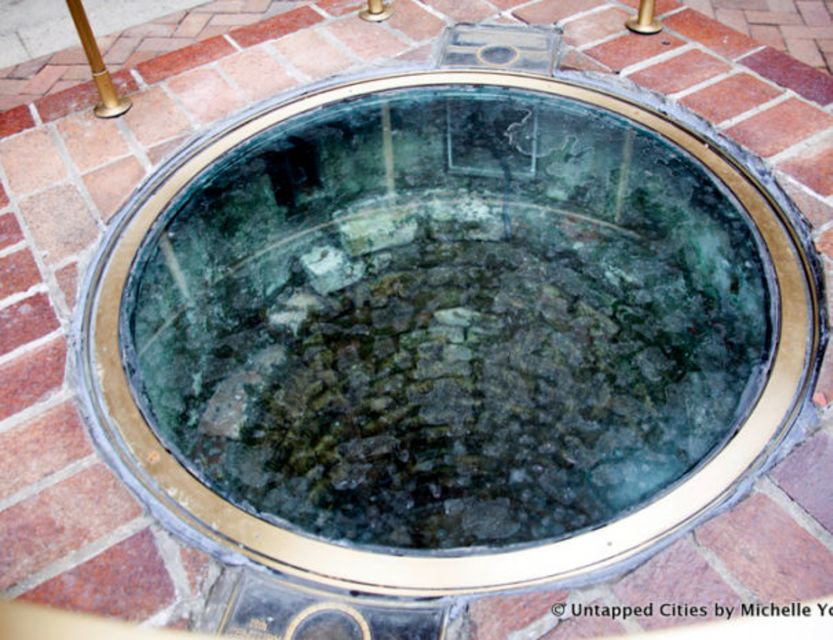
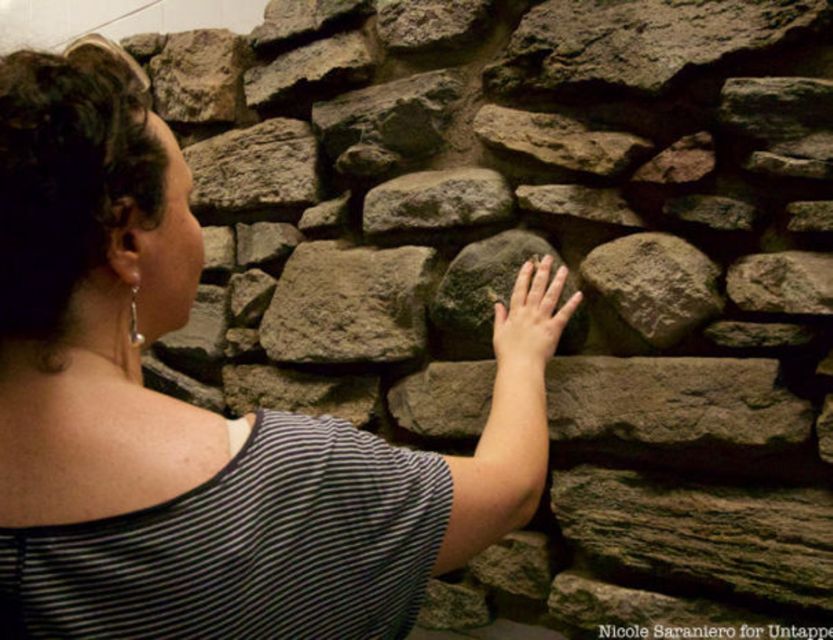
One of the most compelling stops is the remains tied to Manhattan’s first City Hall, including the fact that it also functioned as a tavern. That combo is the kind of detail that changes how you imagine early government. In the modern world, city hall and taverns don’t share a building, so the overlap catches your attention fast.
Seeing foundations and remnants matters here because you can picture the scale and placement instead of relying on words alone. The guide spends time explaining why that location was important, and you’ll learn how civic life and everyday social life braided together in early Manhattan.
This is also where the tour earns its “remnants” title. You’re not expecting a fully preserved landmark; you’re learning how to recognize what’s left and interpret it. That skill is useful even after the tour, because New York is full of traces like this.
Dutch fort, windmill, and battery clues near Wall Street

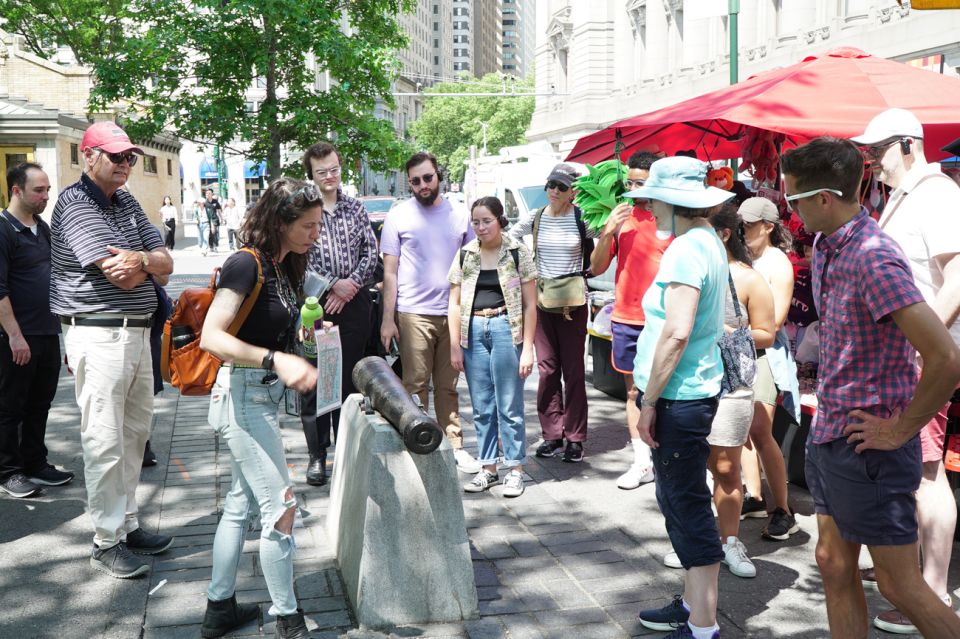
The tour traces the early Dutch defense setup in the area, including the original Dutch fort, a windmill, and the battery. You’ll hear how these pieces fit together—what a fort meant for protection, what the battery suggests about military thinking, and why the landscape choices mattered.
A fun, specific element is the mention of the long forgotten oyster pasty cannon. That kind of story adds personality to the past, but it also reinforces the point that early fortifications weren’t abstract. They were part of a working, lived-in settlement where resources, supplies, and daily routines overlapped with defense needs.
If you like when history feels concrete, this section delivers. You walk and listen while the guide ties each relic-like reference to what you’re seeing around you. It’s less about memorizing a timeline and more about understanding the logic of the place.
You can also read our reviews of more guided tours in New York City






Bowling Green: touch history and learn why the name stuck
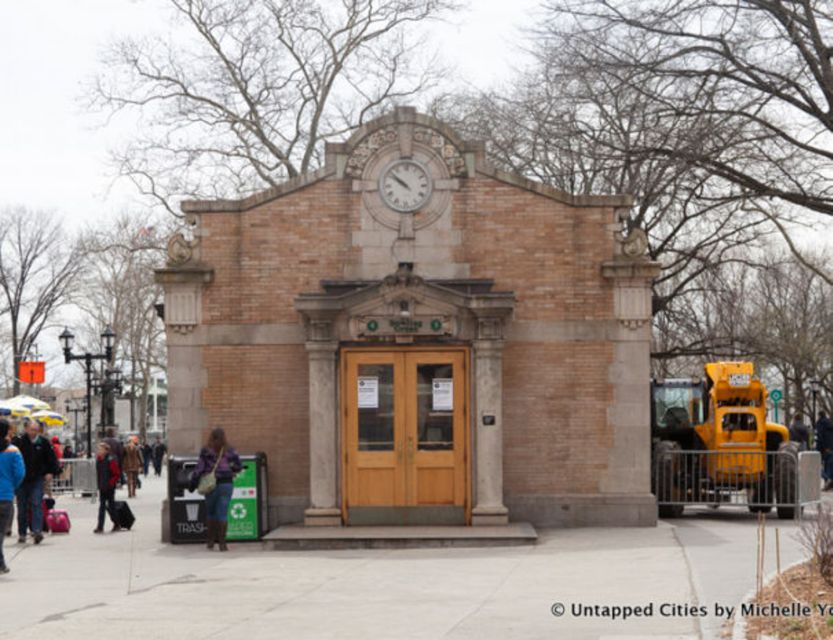
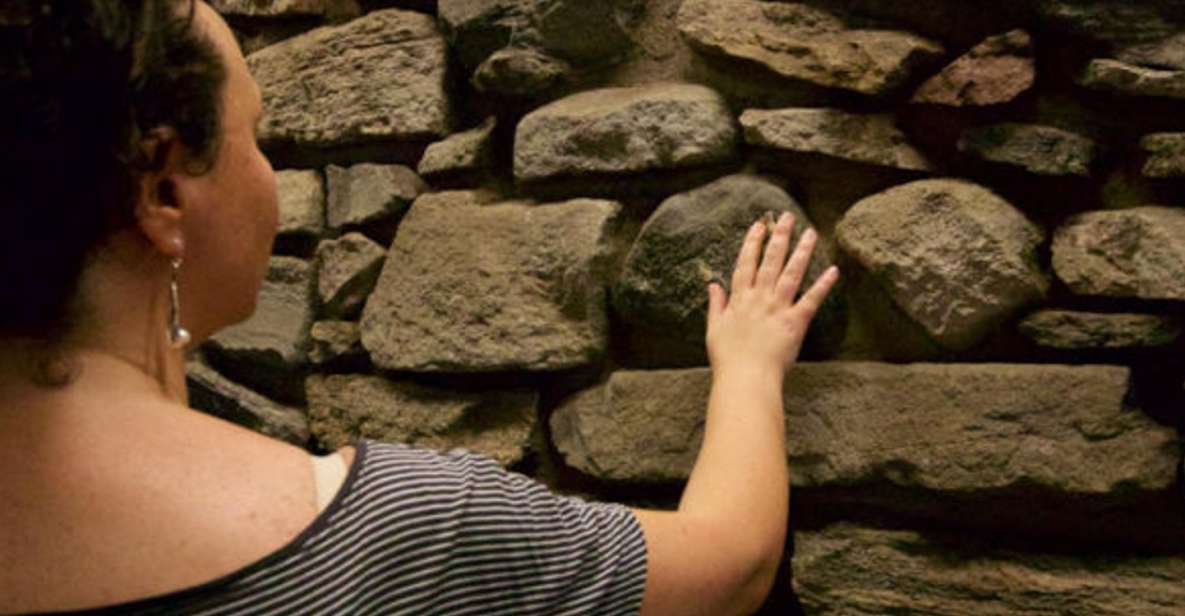
Bowling Green is the emotional center of this walk. You spend time discovering how it got its name and why it has remained important through the city’s evolution. The key detail I like is that you physically touch history as part of that learning moment.
That physical interaction does two things. First, it slows you down, which helps you actually register the spot and the surrounding context. Second, it turns a name you’ve heard all your life into something you can picture with your body, not just your brain.
The guide also connects Bowling Green to the larger early settlement story so it doesn’t feel like a random stop. You’ll leave with a clearer sense of how the area functioned in the past and how that function shaped what came later.
How guides keep the pace right (Richard and Mandy)
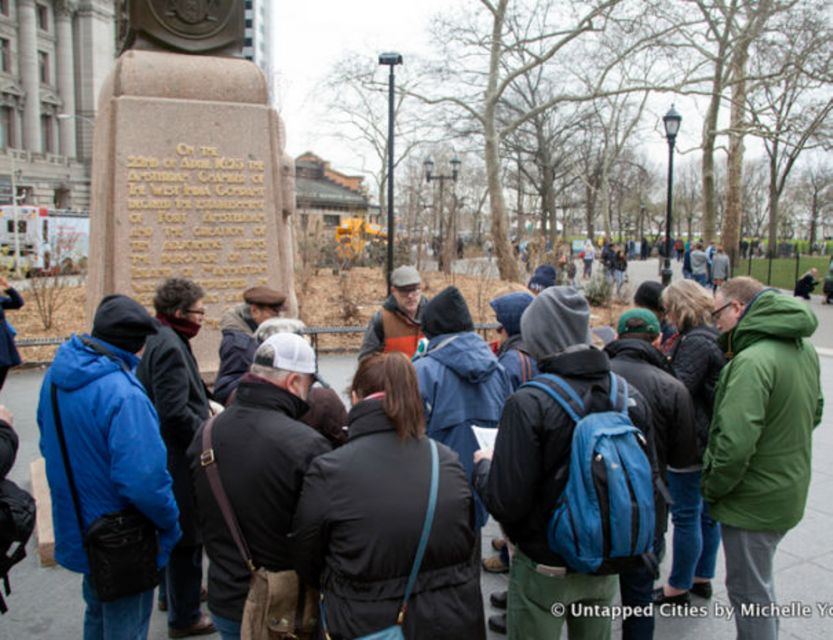
This is led by an expert guide from the Untapped New York team, and the tone stays practical. I appreciate guides who know how to adjust on the fly, and the guide’s pacing is built for a walking format. You’re not stuck listening for long stretches at one corner, and you’re not sprinted between stops either.
In particular, people have highlighted guides such as Richard for clear explanations and the right tempo, and Mandy for an excellent experience. That lines up with what you need from a tour like this: enough clarity to make the map and remnants make sense, plus momentum so you don’t feel lost in the details.
Headsets help here too. Even if you’re not close to the front, you can still catch the explanation and keep up with the tour’s flow.
Price and value: why $39 feels fair for a guided 2-hour walk
At $39 per person for a two-hour small group walk, the value comes from the combination: expert guidance, focused lower Manhattan routing, included headsets, and the hands-on 1667 map element.
If you tried to DIY this, you’d need to find the right background, then figure out how to interpret what you’re looking at on the ground. That’s the part this tour handles for you. You’re paying for interpretation at the exact spots where the story connects.
Also, two hours is a sweet spot. Long enough to build continuity—coastline, city hall remnants, fort and battery clues, and Bowling Green—without dragging into “I’ve stopped caring” territory. For many first-time NYC visitors, it’s a compact way to get a strong sense of early Manhattan while still keeping the rest of the day open.
Who should book this New Amsterdam walk
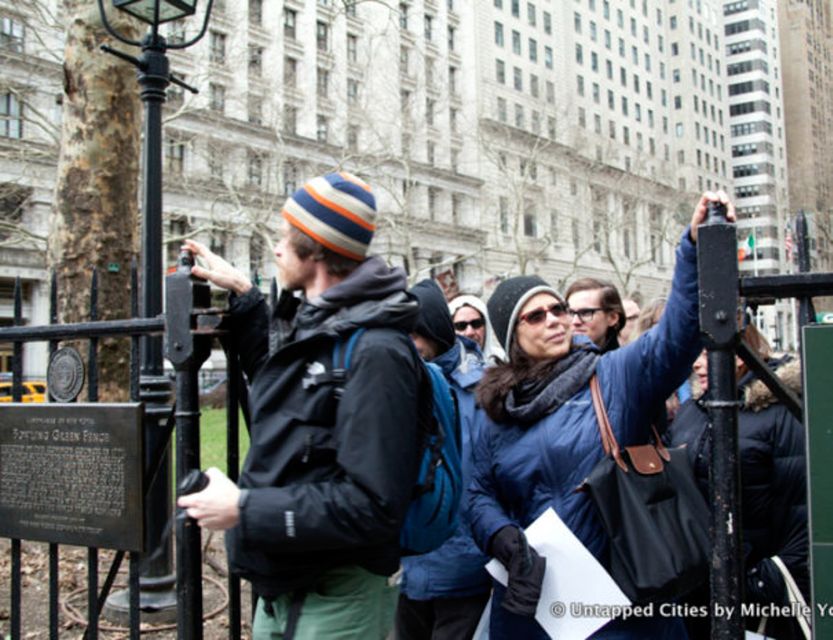
I’d recommend it if you want:
- A lower Manhattan focus instead of jumping around the boroughs
- A street-level history walk with a hands-on early map element
- A guided experience that helps you understand what you’re seeing, not just where you’re standing
It’s also a good fit if you enjoy mixed details—civic sites, defense clues, and the human stories that make the past feel less stiff. If you like tours where you can ask questions and keep your bearings, the small group format helps.
You might skip it if you’re looking for a mostly indoor, quiet experience. This is a walk through outdoor areas tied to historic remnants, so you’ll be on your feet the whole time.
Should you book: my honest recommendation
Book this tour if you want a guided way to connect Dutch New York to real street corners, using a 1667 map and focusing on tangible remnants like the first City Hall site and the Bowling Green area. It’s not just “facts” and it’s not just “photos.” You’ll learn how to interpret the neighborhood as you walk it, and that skill is what makes the experience last.
If you’re short on time in lower Manhattan, this is also one of the better uses of a couple hours. You get a coherent arc—from coastline ideas to defenses to civic life to Bowling Green—without needing a big, multi-day plan.
FAQ
How long is the NYC Remnants of Dutch New Amsterdam Guided Walking Tour?
It lasts 2 hours.
Where does the tour start?
The meeting point is the steps of the National Museum of the American Indian at 1 Bowling Green, New York, NY 10004.
What language is the tour offered in?
The live tour guide speaks English.
Is the tour wheelchair accessible?
Yes, the tour is wheelchair accessible.
Does the tour run in bad weather?
Yes. This tour takes place rain or shine.
What should I bring, and what is not allowed?
Wear comfortable shoes and bring weather-appropriate clothing. Tripods are not allowed.
What is the cancellation policy?
You can cancel up to 24 hours in advance for a full refund.