REVIEW · NEW YORK CITY
NYC: The Story of Alexander Hamilton Private Walking Tour
Book on GetYourGuide →Operated by Intrepid Urban Adventures · Bookable on GetYourGuide
Hamilton lore meets real street corners.
This private Alexander Hamilton walking tour is a smart way to see New York’s oldest neighborhood without getting stuck in a museum mood. I like how it connects the musical’s characters to the actual places where events unfolded, starting at Trinity Church and moving toward Wall Street. You’ll also walk with a live guide who keeps the story moving, not just listing dates.
My second favorite part is the range: you don’t only hear about Hamilton the person, you also see how he helped shape the systems that powered the city. The stops link Hamilton’s role as America’s first Secretary of the Treasury to the roots of Wall Street finance, including the origins connected to the New York Stock Exchange. One consideration: it’s a walking tour, so plan for plenty of time on your feet in city weather.
Key things I’d plan around: wear comfortable shoes and expect plenty of outdoor walking as you go from churchyard to banking landmarks to Stone Street.
In This Review
- Key highlights at a glance
- Trinity Church to the Hamilton gravesite: the emotional start of the walk
- From America’s early chaos to Wall Street power: how the guide connects the dots
- Hamilton and Burr in the skyline: why those two skyscrapers feel more than cinematic
- Stone Street Historic District: the oldest-feeling streets and the tavern connection
- Why private + walking works for Hamilton (and for people who aren’t die-hard fans)
- What’s included, what’s not, and how to plan your day
- Values beyond the landmarks: a carbon-neutral tour and a child-friendly fit
- Who should book this Alexander Hamilton walking tour?
- Price and value: what you’re really paying for
- Should you book it?
- FAQ
- Where does the tour start?
- What stops are included on the walking route?
- Is the Trinity Church visit included?
- Are food and drinks included?
- Is this tour child-friendly?
- Is the tour carbon neutral?
- What should I bring?
- Can I reserve now and pay later, and is cancellation refundable?
Key highlights at a glance
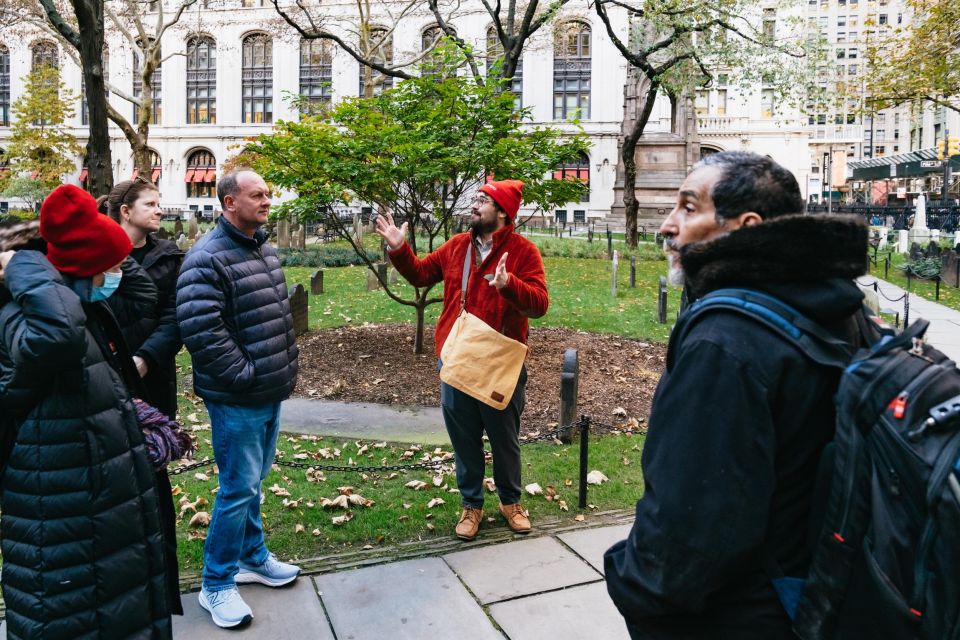
- Trinity Church start point tied to Hamilton’s burial
- Hamilton’s gravesite at Trinity Church Cemetery and Mausoleum
- Federal Reserve Bank of New York stop for money-and-governance context
- New York Stock Exchange origins discussed in plain language
- Stone Street Historic District and the feel of old tavern New York
- Two Wall Street skyscrapers linked to the Hamilton–Burr feud
Trinity Church to the Hamilton gravesite: the emotional start of the walk
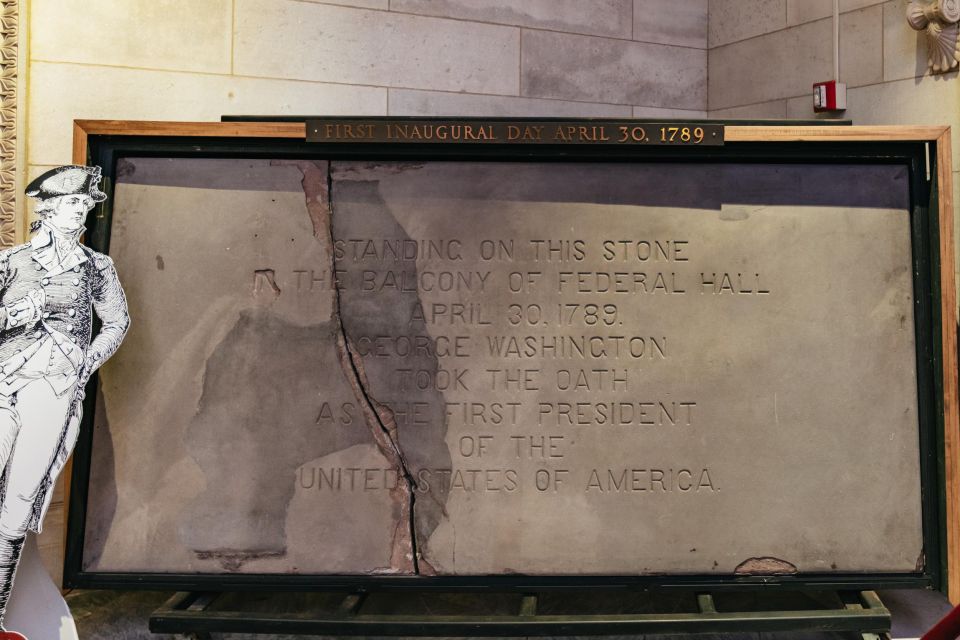
You begin at Trinity Church, and that matters. This is one of those places where the story feels less like theater and more like a real life. Alexander Hamilton was buried here, and the tour uses that point as the anchor. Even if you’re only a casual Hamilton fan, you’ll get why people still take the time to stand quietly in historic churchyards.
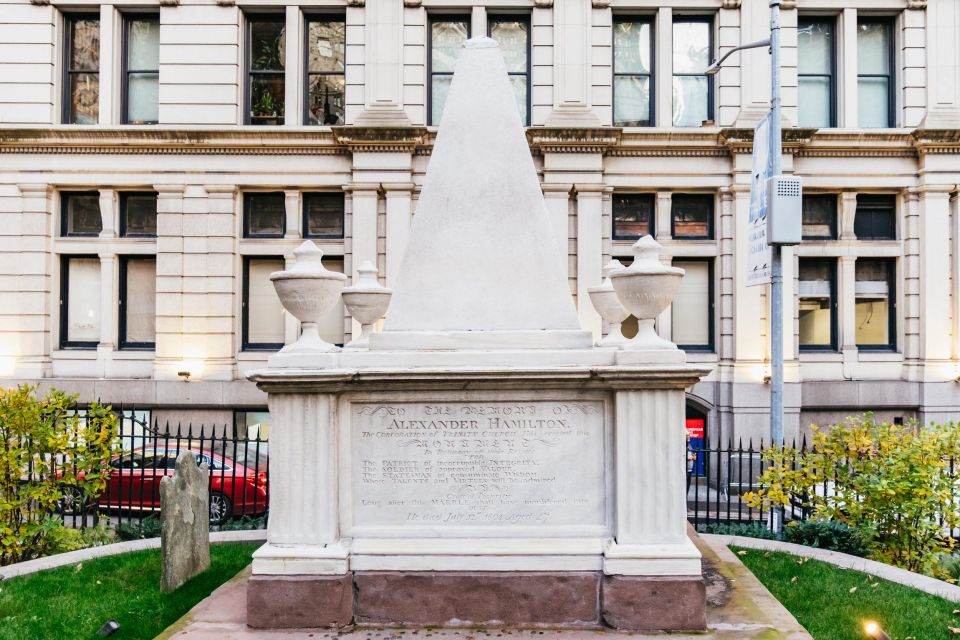
From there, the walking shifts from building-explainer mode to personal-history mode. You’ll visit Trinity Church Cemetery and Mausoleum, where Hamilton is laid to rest. It’s the kind of stop that changes how the rest of the tour lands in your head. Hamilton’s life was full of argument, ambition, and controversy, and seeing where he is remembered gives the later Wall Street stops more weight.
One nice detail: the tour doesn’t treat Hamilton like a statue. Guides have been praised for blending factual context with a sense of personality, and that’s what you’ll want when you’re stepping from memorial space into the fast, money-focused streets nearby. Some guides mentioned by name—like Jessie, Sam, and John—are described as warm, fun, and patient, which is exactly the vibe you want at the start of a story this intense.
You can also read our reviews of more walking tours in New York City



From America’s early chaos to Wall Street power: how the guide connects the dots
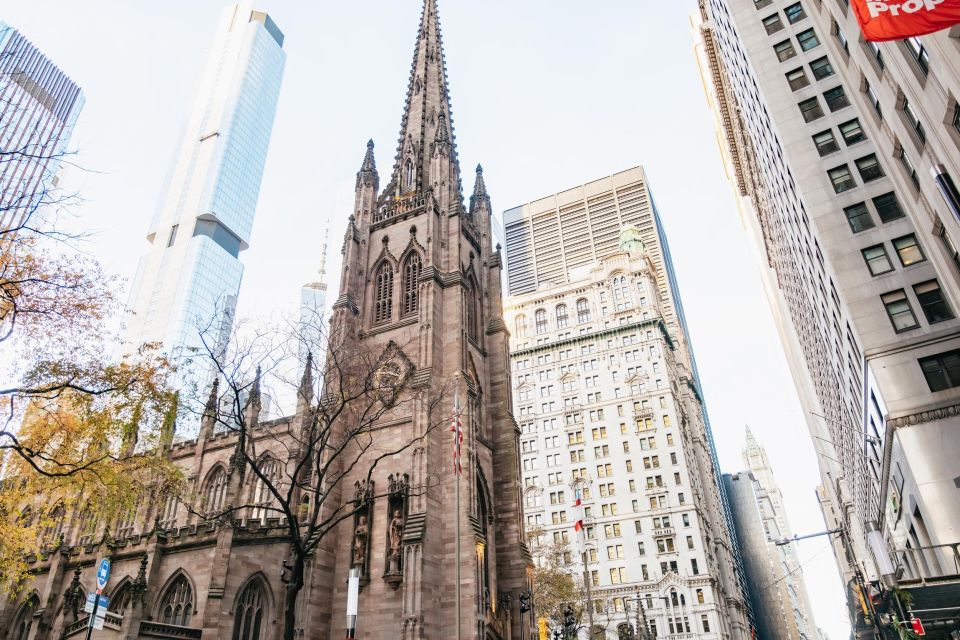
After the churchyard, you move into the part of the walk where Hamilton becomes more than a name. The tour frames him as a key mind in early America, then ties that influence to the way New York’s finance machine formed.
A standout stop here is the Federal Reserve Bank of New York. You aren’t touring a “bank museum.” You’re using a real institution location to understand the big idea behind money, government, and stability. Hamilton’s time predates modern central banking by a lot, so the value isn’t in pretending the Fed existed then. The value is in learning how ideas about currency and financial systems evolve—Hamilton’s fingerprints show up in the line of thinking that later shaped regulation and markets.
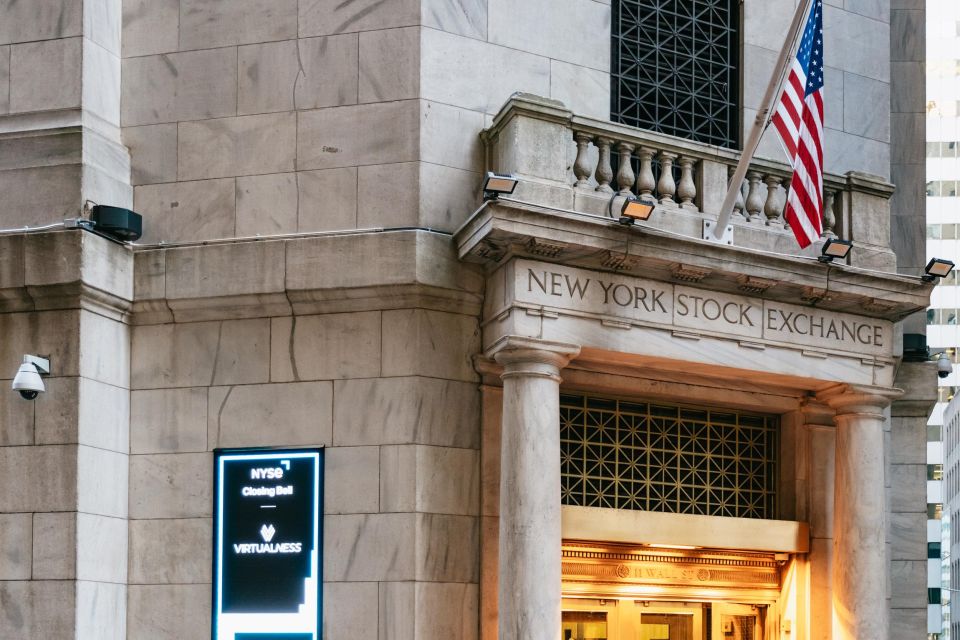
Next, you head to the New York Stock Exchange, with the tour explaining the origins of Wall Street’s finance world. The tour’s pitch is essentially this: Hamilton helped set the stage for a financial system that could support a growing country, and that history is still written into New York’s streets. If you’ve ever walked past Wall Street skyscrapers and wondered why this place matters, this is where the why gets explained in a way that doesn’t feel like a textbook.
Guides are often praised for making the tour interactive, not a dull lecture of dates. People specifically call out that the guide gives modern New York perspective—how you can look at a landmark and understand its role in a bigger story. If you loved the musical but felt like history moved too fast on stage, this tour helps slow the plot down using real locations.
Hamilton and Burr in the skyline: why those two skyscrapers feel more than cinematic
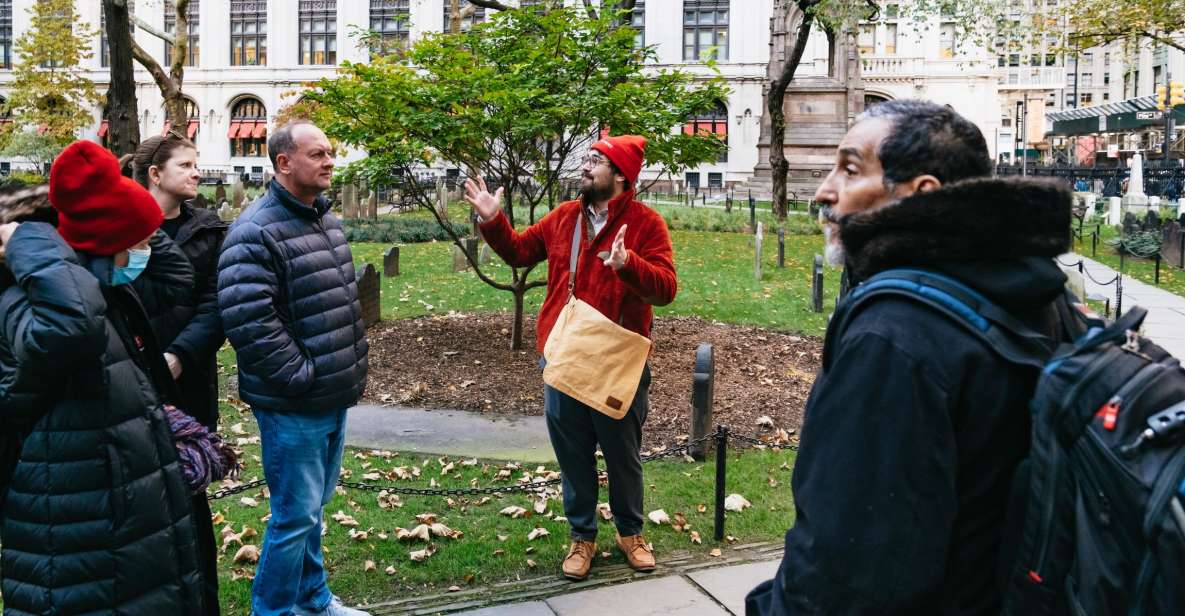
Wall Street is not subtle. The two skyscrapers linked in the tour to the Hamilton–Burr feud are a perfect example of that. They’re tall, visible, and built in the language of power. The tour uses them as a reminder that the personal conflict between Hamilton and Burr wasn’t just drama—it was part of a larger political and ideological fight.
What I like about this stop is the shift in scale. Early in the walk, you’re dealing with a founding figure and a churchyard. On Wall Street, you’re dealing with the long afterlife of influence: institutions, money, reputations, and the way conflict echoes through time. Seeing Hamilton’s story mapped onto modern Manhattan makes it easier to remember later, when you’re back in your hotel and the city is doing what cities do—moving fast, selling convenience, forgetting details.
If you’re a Hamilton fan, this part also works as a reality check. The musical gives you emotion and momentum. The skyline gives you distance. You get to see the tension between art and history, and then you walk away with your own grounded understanding.
Stone Street Historic District: the oldest-feeling streets and the tavern connection
One of the most fun stretches is down to Stone Street Historic District. This is where the tour stops being purely political and becomes more human: street-level New York, the kind of place where people actually socialized, argued, drank, and made plans.
The tour notes that you’ll walk the first paved street in New York City. That’s a detail that instantly sharpens your sense of place. It’s not just “another street in the Financial District.” It’s a piece of early infrastructure that helped shape how the city worked.
Then comes a particularly memorable part for anyone who likes the Hamilton era beyond the musical quotes. You’ll head to one of the oldest bars in town, a spot where Hamilton himself used to drink with George Washington. The tour doesn’t ask you to treat this like a trivia fact; it uses it to connect Hamilton’s early-world relationships with the politics that followed.
Some guide-driven moments make this stop especially worthwhile. In a lot of feedback, people mention Stone Street as a highlight, and one specific note calls out an unearthed tavern site that was recently discovered. Even if that’s new to you, it’s the kind of detail that makes a walking tour feel different from reading plaques. You’re seeing the story layered into real urban change.
If you’re traveling with kids, this is also where attention tends to stick. People have called out that kids learn a lot and enjoy it, and Stone Street is a big reason why. It’s more story-time than lecture.
Why private + walking works for Hamilton (and for people who aren’t die-hard fans)
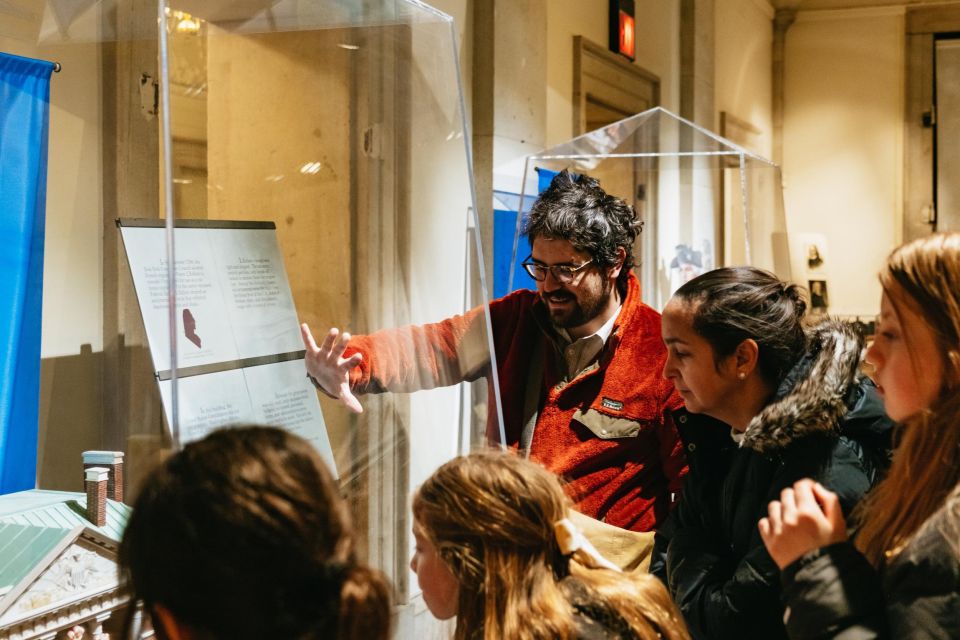
This is a private walking tour, and that changes how the experience feels. You can take in the story at your own pace instead of being rushed through stops. That matters with Hamilton, because his life is full of moving parts—immigrant story, ambition, public conflict, and financial influence. You want time to absorb the transitions.
Walking also suits the layout of this part of Manhattan. You’re not hopping between far-flung neighborhoods. The places are close enough that you start to see patterns: church to cemetery to finance institutions to historic street corners. That’s how you get the “Hamilton had fingerprints everywhere” effect the tour promises.
And yes, the guide quality is a huge part of the value. Multiple guide names show up in praise—Jessie, Sam, John, Evan, and Mickey Pantano—and the common themes are strong: guides are warm, engaging, and able to explain historical gaps clearly. One person even mentions doing the tour before seeing the play as a smart move. The point isn’t that you must do it that way; it’s that having places in your head makes later storytelling click.
You can also read our reviews of more private tours in New York City






What’s included, what’s not, and how to plan your day
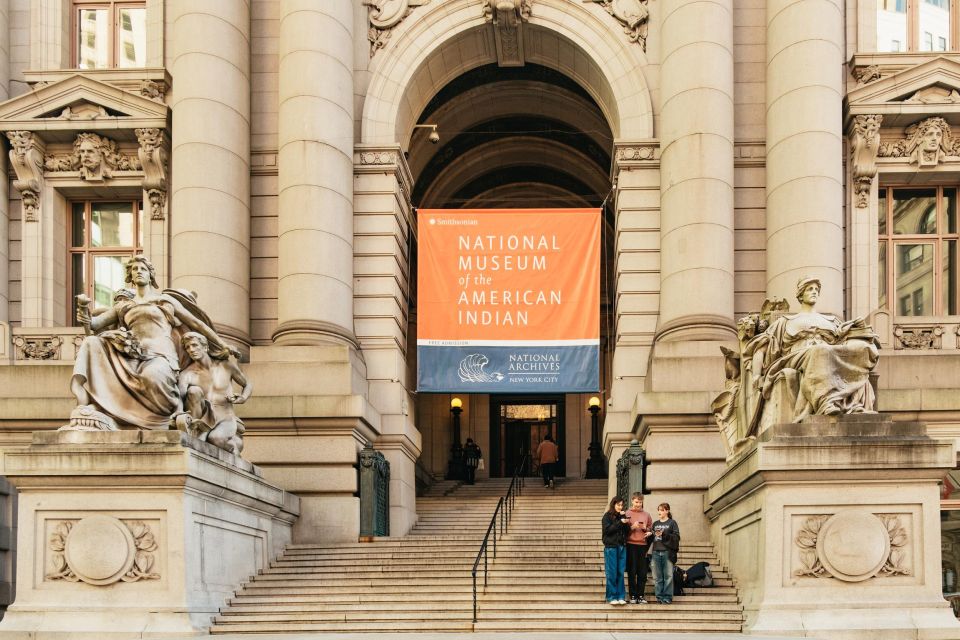
You’ll be with a guide for a walking tour that includes a Trinity Church visit. Food and drinks aren’t included, so plan for a quick snack break before or after your tour window. The route focuses on indoor-feeling historical sites like the church and cemetery, plus major exterior landmarks, so you’ll still want a practical plan for water and comfort.
Bring comfortable clothes and comfortable shoes. This is Manhattan, so the “short and close” distance of walking can still add up. If you’re heat-sensitive, pick a time of day that matches your stamina and keep an eye on weather—several people mention the tour working great even in warm conditions, but you’ll do better with basic readiness.
If you’re trying to juggle multiple activities, the flexible booking style helps: you can reserve and pay later, and you can cancel up to 24 hours in advance for a full refund.
Values beyond the landmarks: a carbon-neutral tour and a child-friendly fit
This tour is described as carbon neutral and run by a B Corp-certified company committed to using travel as a force for good. That doesn’t change the fact that you’re still walking around New York, but it is a signal that the operator tracks social and environmental impact rather than ignoring it.
It’s also explicitly child-friendly. That’s rare for a Hamilton-focused experience where you might worry it turns into long speeches. Here, the emphasis on interaction and keeping the story clear seems to help families stay engaged.
Who should book this Alexander Hamilton walking tour?
You’ll love this tour if:
- You want the Hamilton story in the real places tied to his life and influence.
- You’re a musical fan who wants history to slow down and make sense.
- You care about Wall Street origins beyond the usual landmark photo.
- You like walking tours with guides who add personality, humor, and patience.
You might want to think twice if you hate walking or you want an experience that’s mostly inside with limited outdoor time.
Price and value: what you’re really paying for
Even without quoting a specific number, the value is easy to understand. You’re paying for three things: a live guide, a structured route through key sites, and access tied to the Trinity Church visit. The tour isn’t just “see sights.” It’s built to connect sites to ideas: Hamilton’s influence on early American systems, the roots of Wall Street, and the Hamilton–Burr conflict echoed in the skyline.
If you’ve ever tried to DIY this area with just your phone, you’ve probably learned the hard way that names and plaques don’t always create a full storyline. This tour gives you that storyline—and it’s delivered in a way that many people describe as fun, interactive, and not a boring facts-only lecture.
Should you book it?
If your ideal NYC day includes real historical grounding, not just surface sightseeing, I’d book it. Starting at Trinity Church, visiting Hamilton’s gravesite, and then watching the story grow through finance landmarks and Stone Street gives you a rare combination: emotion, politics, and street-level atmosphere in one walk.
Go for it if Hamilton is on your mind (or in your group’s Spotify queue) and you want your New York to come with context. Bring sturdy shoes, plan for outdoor walking, and let the guide do what guides do best: turn famous history into something you can actually see.
FAQ
Where does the tour start?
The tour begins at Trinity Church, where Alexander Hamilton was buried.
What stops are included on the walking route?
The tour includes visits and guided stops at Trinity Church, Trinity Church Cemetery and Mausoleum, the Federal Reserve Bank of New York, the New York Stock Exchange, and the Stone Street Historic District.
Is the Trinity Church visit included?
Yes, the tour includes a Trinity Church visit along with the guided walking portion.
Are food and drinks included?
No, food and drinks are not included.
Is this tour child-friendly?
Yes, it’s listed as child-friendly.
Is the tour carbon neutral?
Yes, the tour is described as carbon neutral.
What should I bring?
You should bring comfortable shoes and comfortable clothes.
Can I reserve now and pay later, and is cancellation refundable?
You can reserve now & pay later. Also, there is free cancellation up to 24 hours in advance for a full refund.