REVIEW · NEW YORK CITY
NYC: Underground Subway Guided Tour with Local New Yorker
Book on GetYourGuide →Operated by Untapped New York · Bookable on GetYourGuide
Subway myths collapse on this tour. You’re on an actual 6 train ride with a local guide, hearing how the system started, spotting abandoned stations you usually pass without noticing, and finishing with the ornate downtown stop made famous by Guastavino tiles. One thing to plan for: it’s rain or shine and you’ll be climbing stairs for most of the 2-hour loop.
What makes it work is the mix of street-level history and in-car viewing—plus the human touch. Guides like AJ and Alexis are praised for clear explanations, humor, and even learning names so the group feels more like a small conversation than a lecture. Still, the subway noise can sometimes make the guide harder to hear even with headsets, so comfort with loud public transit helps.
In This Review
- Key Moments You’ll Remember
- Riding the Subway With a Story-First Local
- Meeting at Fulton Center: Find the Untapped New York Sign
- Getting Ready for the Stair Count (and the Subway Roar)
- The Origins Talk: How NYC’s Subway Began
- Time Machine Mode on the 6 Train
- Chambers Street Station: Eerie, But Kept Safe
- Union Square Station: The Hidden Art You Don’t Notice
- Riding Along With Commuters: The Real NYC Pace
- The Finish at Downtown’s Grand Central Energy
- Price and Value: What $39 Buys You in 2 Hours
- Who Should Book This Subway Tour (and Who Might Not)
- Should You Book This NYC Underground Subway Tour?
- FAQ
- How long is the NYC Underground Subway Guided Tour with a Local New Yorker?
- How much does it cost?
- Where do I meet the guide?
- What do I need to bring?
- Is the tour rain or shine?
- Do I need a MetroCard or OMNY to get into the subway?
- Can I access the abandoned subway stations on foot?
- Is this tour suitable for wheelchair users?
- Are tripods allowed?
- What language is the tour in?
Key Moments You’ll Remember
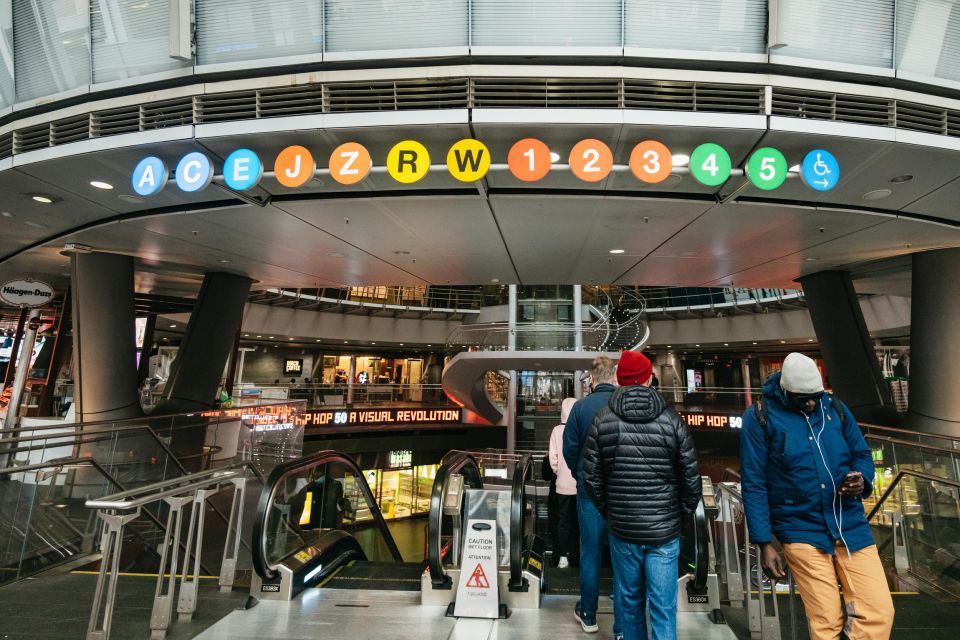
- A local New Yorker’s route through Lower Manhattan, not just a scripted bus-style history walk
- Early subway stories, including claims about the first line being built illegally under cover of night
- Abandoned stations you can only see from the car, including the famous City Hall area
- Chambers Street Station’s eerie edge, viewed safely from trains that don’t stop there
- Union Square Station’s hidden art installation, inside a place you already pass every day
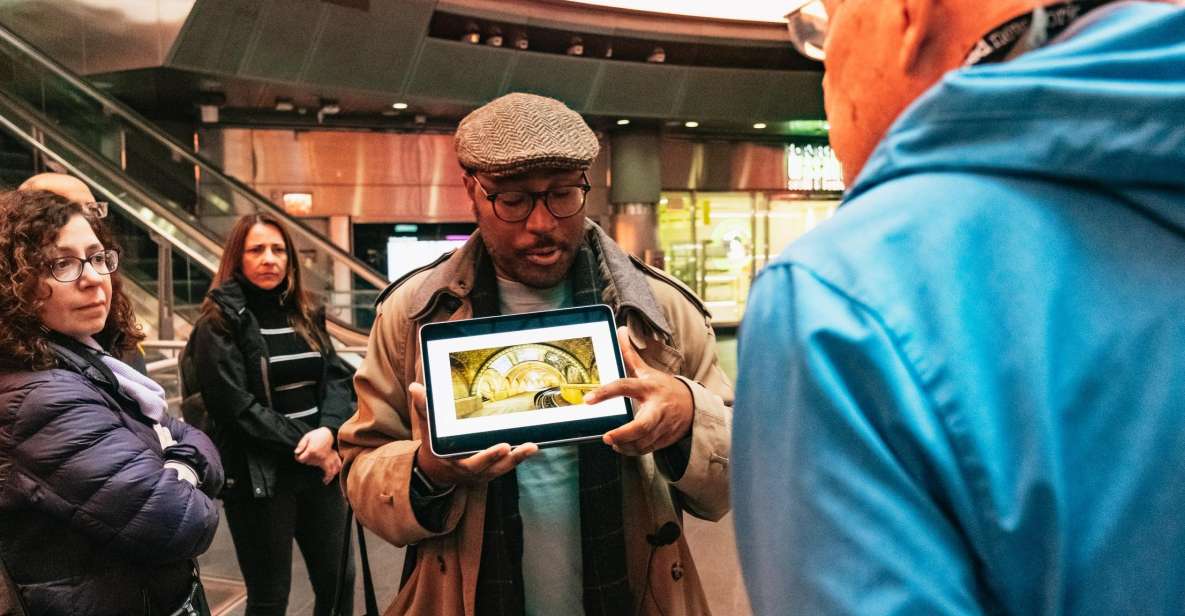
- Guastavino tiles at the downtown finish, plus the Municipal Building nearby
Riding the Subway With a Story-First Local
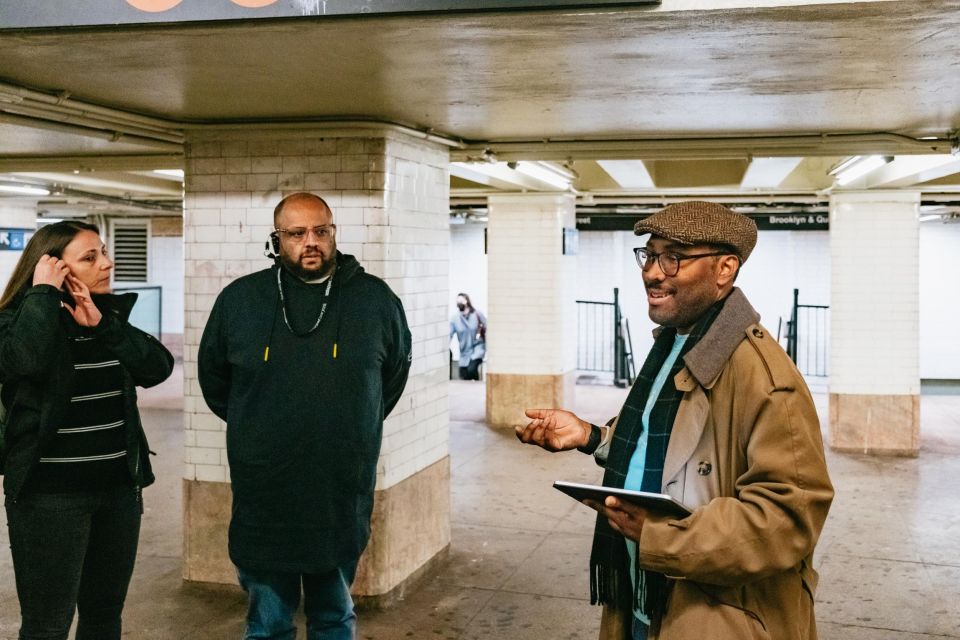
The NYC subway can feel like one big blur of schedules and signage. This tour flips that. Instead of treating the ride as transportation only, you treat it like a moving museum. You’ll learn how mass transit took shape, why the subway looks the way it does, and what’s been left behind—literally tucked into the city’s underground layers.
Two things I really like about this format. First, you get history that connects to what you can actually see from your seat—tiles, station design, and system changes you’d never notice at commuter speed. Second, you get the working rhythm of the system: the doors open, local riders flow past, and you feel the pace of daily life instead of standing around.
A practical consideration: you’re in and out of stations on foot, then back on trains. That means more stairs than most people expect. Bring comfortable shoes, and don’t count on elevators.
You can also read our reviews of more guided tours in New York City



Meeting at Fulton Center: Find the Untapped New York Sign
You meet outside 200 Broadway on the southeast corner of Broadway and Fulton Street, right by the entrance to Fulton Center. Your guide will be holding an Untapped New York sign.
This location matters because it puts you in Lower Manhattan’s transit spine before you head underground. You’ll also be surrounded by multiple subway lines and people moving fast, which helps set the tone: this is New York subway culture, not a quiet indoor exhibit.
Before you head out, keep these basics in mind:
- You’ll need a MetroCard swipe or OMNY tap to enter the subway.
- You’ll want to wear shoes made for stairs and uneven station surfaces.
- Tripods aren’t allowed, which is good for keeping things moving, but plan your photo-taking accordingly.
Getting Ready for the Stair Count (and the Subway Roar)
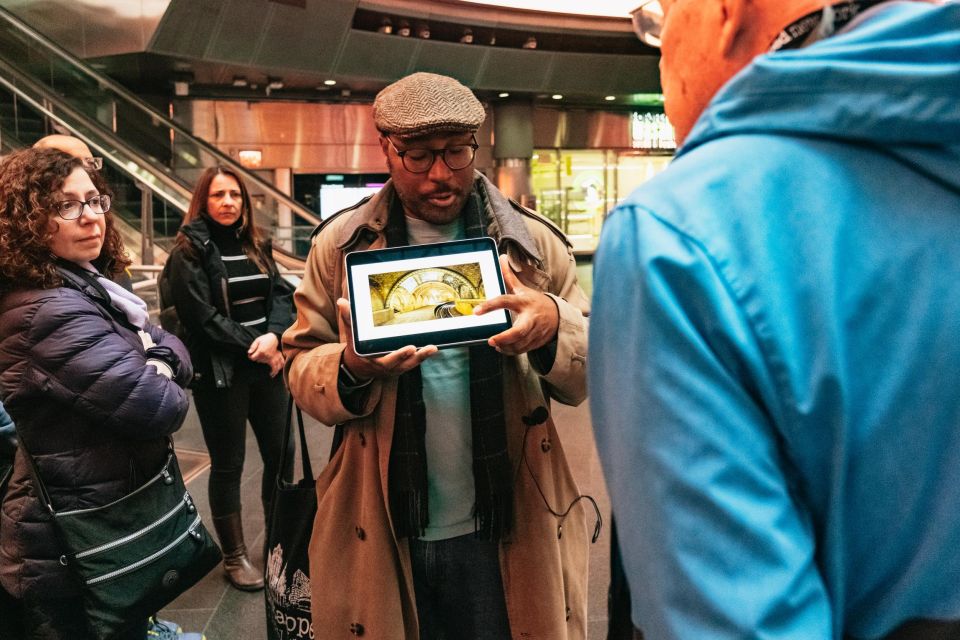
You’ll go up and down several sets of stairs, and the tour runs rain or shine. That’s not a detail you want to discover late—especially in wet weather when station steps get slick.
Also, headphones help, but the subway environment is still the subway environment. Even with headsets provided, the train can be loud, and you may need to lean in or pause when the guide is pointing something out.
On the plus side, some riders note the trains are comfortable—one review specifically calls out air-conditioning. If you tend to get warm in summer transit queues, that’s a real perk.
One more safety note that affects how you experience the abandoned parts: you’ll be viewing them from the train only. The trains don’t stop in the partially abandoned stations you’ll spot. And accessing those stations on foot is illegal—so don’t plan for a photo walk.
The Origins Talk: How NYC’s Subway Began
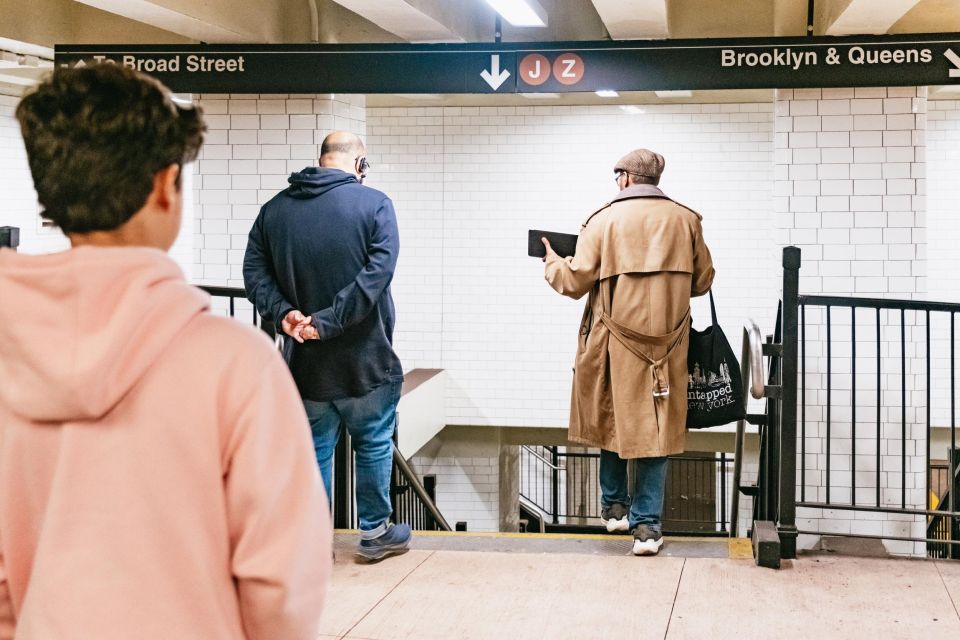
Early subway history can sound like dates and names on paper. Here, it’s tied to cause and effect: why the city built public transit, what early construction looked like, and how the system changed over time.
You’ll start with the origins of public transportation in NYC and then get stories about the very first subway, described as being built illegally under the cover of night. Whether you take every claim as literal history or “dramatic lore,” the point lands: the subway didn’t arrive as a tidy civic project. It was built through ambition, pressure, and a lot of bold improvisation.
This section also helps you understand the subway’s personality. The NYC underground isn’t just a tunnel network. It’s an architecture lesson in layers—old lines, redesigned spaces, and evidence of multiple eras still sitting in place.
A detail worth watching for: guides also explain subway symbols and pictures you’d normally walk past. Once you know what those icons are trying to tell you, your daily commute becomes less random.
Time Machine Mode on the 6 Train
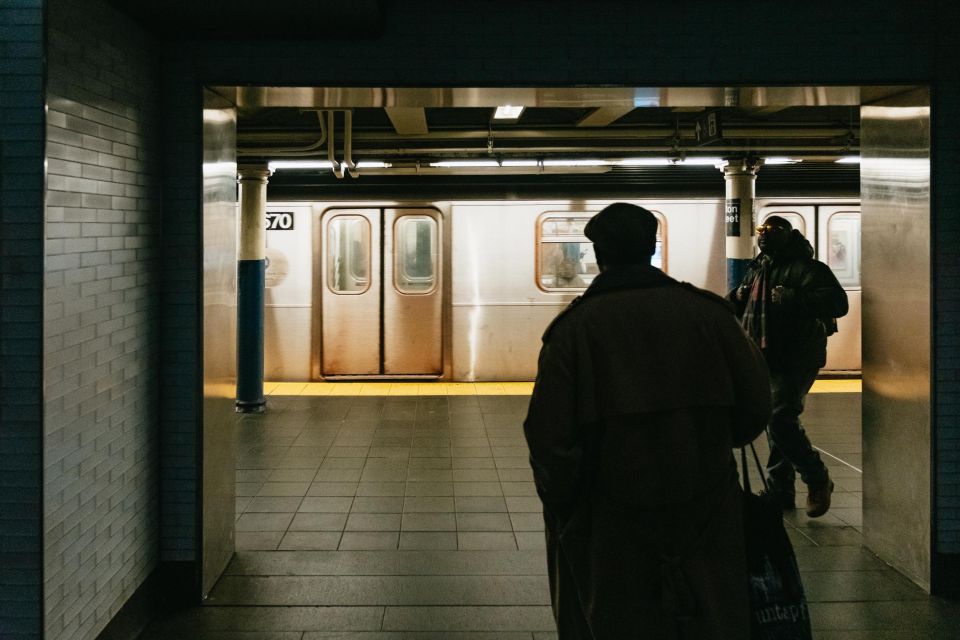
The tour uses the 6 train as a sort of “10-car time machine.” Translation: you ride through key areas while your guide points out what to look for. You’ll also get a glimpse of abandoned stations that riders pass by without realizing what they’re seeing.
One stop area that comes up is City Hall Station. Even when you’re just in motion, the guide helps connect what you see inside the station design to what happened historically—what got built, what got rerouted, and what ended up unused or partially abandoned.
What you gain from doing this by train is big. On foot, you’d be tempted to chase every structure. On the train, you learn to notice—to track how the system presents its past to commuters who are trying to get to work.





Chambers Street Station: Eerie, But Kept Safe
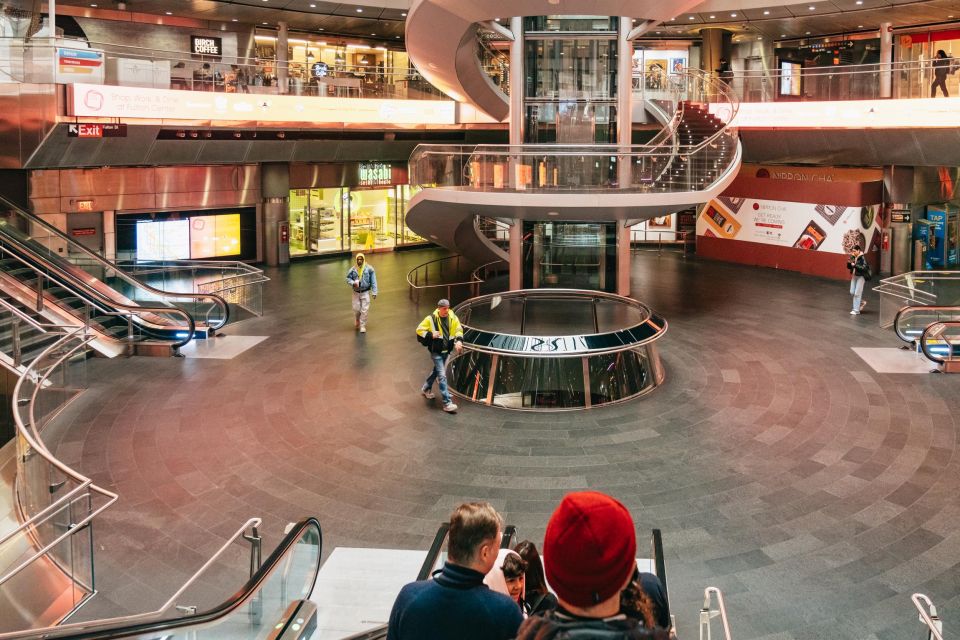
One of the most “wow” moments is catching parts of Chambers Street Station that are partially abandoned. The eerie appeal is in the contrast: the subway above and around you feels fully alive, while certain underground stretches carry the weight of what’s been left behind.
But here’s the key: you’ll only see these spaces from the safety of the subway cars. The trains don’t stop there, and you can’t access the abandoned areas on foot. That limitation is frustrating if you love exploring, but it’s also what keeps the experience safe and legal.
I like the way this balances curiosity with boundaries. It lets you satisfy the question What’s down there? without encouraging people to do risky or forbidden things.
If you’re the kind of traveler who likes atmosphere, keep your eyes open at the edges—platform lines, signage remnants, and design details can be visible in motion. Your guide’s job is to tell you where to look so you don’t miss the good stuff because you’re watching the wrong wall.
Union Square Station: The Hidden Art You Don’t Notice
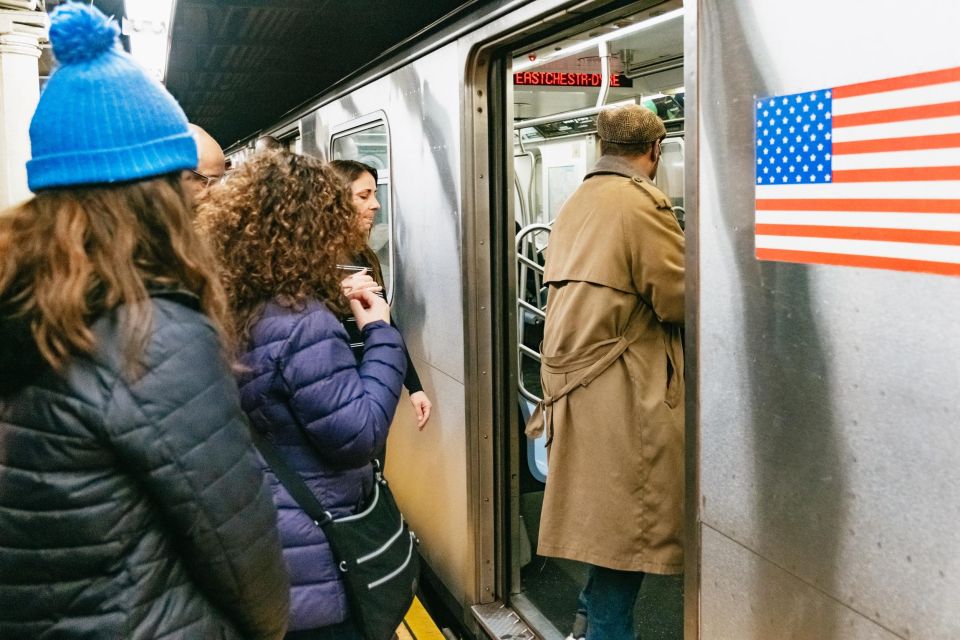
Union Square Station is one of those places you might use every month and still never really look at. The tour fixes that with a hidden art installation inside the station.
This is one of the most valuable parts for many people because it’s not just history. It’s a reminder that the subway is still changing. Even with all the “abandoned” storylines, you’ll end up seeing that art and design still live inside active stations.
The effect is memorable: you walk through Union Square differently afterward. You start spotting the small clues—colors, textures, and placement—that you would have otherwise ignored while rushing to the next platform.
And since the guide gives you context, you’re not just staring. You’re interpreting. That’s where a short 2-hour tour can feel longer in the best way.
Riding Along With Commuters: The Real NYC Pace
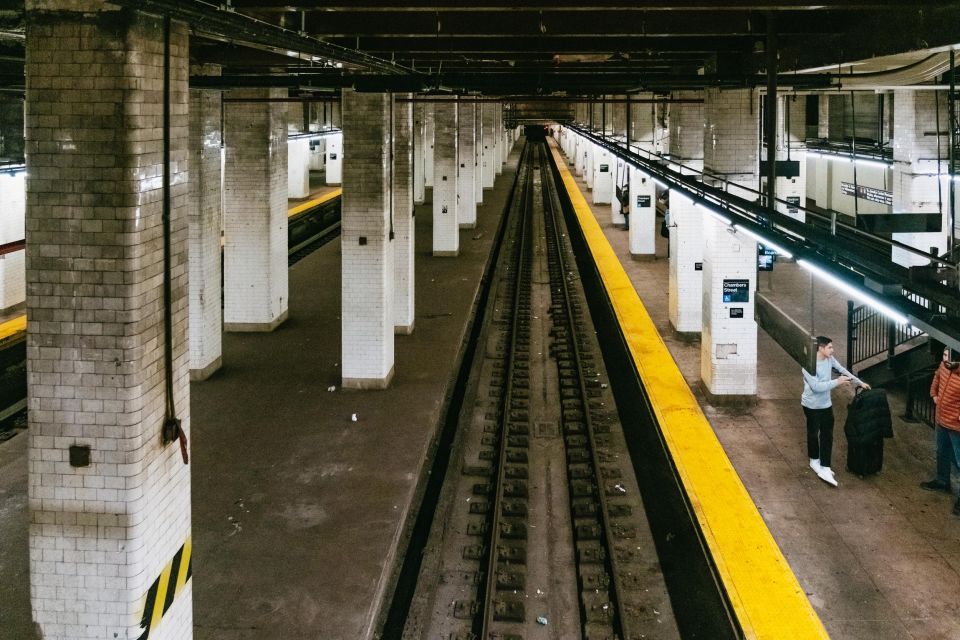
Half the fun of this experience is simply being underground with local riders. You get to see the hustle and bustle of daily life—without needing to play detective to find it. The subway car becomes a shared space: riders checking phones, people moving with purpose, and you listening through headsets as the guide narrates what you’re passing.
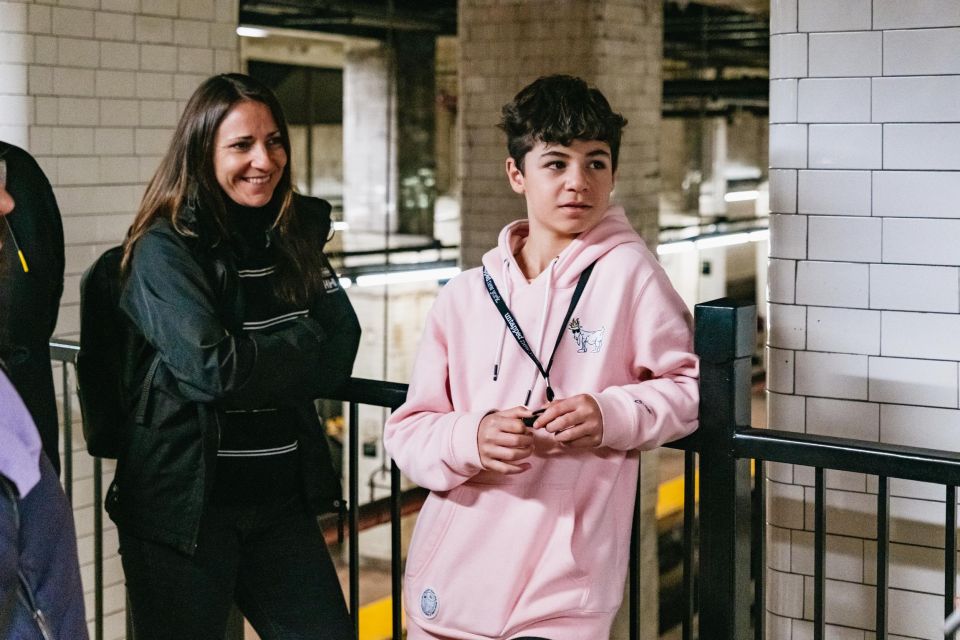
This is also where the guide personality matters. Many guides associated with the tour—AJ is named a few times, and Alexis shows up too—are praised for communication and making the group feel interactive. One notable theme: guides learn people’s names and use them, even when the group includes a solo traveler. That changes the tone. Instead of staring at the back of someone’s jacket while listening to facts, you feel included.
One small caution: if you’re sensitive to noise, expect that public transit sound is part of the deal. The headsets help, but you may still need moments of focus when the car gets crowded or the train gets fast.
The Finish at Downtown’s Grand Central Energy
The tour ends in what’s described as the “Grand Central of Downtown,” with a stop that lets you admire Guastavino tiles on the exterior of the subway stop and the nearby Municipal Building.
This ending works because it gives you something celebratory after the underground gloomier scenes. Guastavino tilework is all about craftsmanship—small repeating elements that look stunning up close. Seeing it after stories about abandoned lines makes the contrast hit harder: the subway system is both worn and astonishing.
Also, the end point helps your brain map the area. You finish in a recognizable downtown landmark zone, so it’s easier to continue your day with a clearer sense of where you are.
Price and Value: What $39 Buys You in 2 Hours
At $39 per person for 2 hours, this tour is priced like an “experience first” add-on rather than a museum ticket. You’re paying for three practical things:
- A guided narrative that explains what you’d otherwise miss
- A local guide who helps you spot details quickly
- Headsets so you can follow the story while moving through active stations
You do not include your MetroCard or OMNY tap, so budget for that subway entry cost on top.
Is it worth it? For most visitors, yes—especially if you want history that’s tied to real infrastructure. If you already love transit design, architecture, and the “what’s hidden” angle of big cities, the value stretches further. If you hate crowds, loud noise, or lots of stairs, the experience may feel like effort for limited walk-up access.
The structure matters too: you’re not just taking a ride; you’re taking a ride with instruction. That’s the difference between spending $39 on a bus tour and spending $39 on a guided “read” of the subway you’d otherwise experience blankly.
Who Should Book This Subway Tour (and Who Might Not)
This tour is a great fit if:
- You like NYC history but prefer it tied to places you can actually see
- You enjoy transit nerd topics like station design, system evolution, and signage
- You want a guided way to experience Lower Manhattan without guessing where to stand
- You appreciate guides who explain well and make the group feel involved—AJ and Alexis are frequently praised for that tone
You might want to skip it if:
- Stairs are a problem for you (the tour isn’t suitable for wheelchair users)
- You expect to walk into abandoned areas (you can’t, and access is illegal)
- You strongly dislike loud environments even with headsets
- You’re hoping for a quiet, museum-style pace
One more pointer: leave time to enjoy the stations you pass on the way back up. This tour tends to make people curious afterward, which can lead to spontaneous “wait, what is that?” moments.
Should You Book This NYC Underground Subway Tour?
I think this is a smart booking for first-timers who want more than generic sightseeing. The combination of a local guide, a real commuter ride, and rare access-by-viewing to partially abandoned station areas makes it feel different from the usual NYC history offerings.
If you’re curious about how the subway began, you like the idea of spotting hidden details in places you already recognize (Union Square Station is a big one), and you’re okay with stairs and subway noise, book it. You’ll come away with a stronger map in your head and a new way of seeing what’s running underneath the city every day.
FAQ
How long is the NYC Underground Subway Guided Tour with a Local New Yorker?
It lasts 2 hours.
How much does it cost?
The price is $39 per person.
Where do I meet the guide?
Meet outside 200 Broadway, on the southeast corner of Broadway and Fulton Street, right outside the entrance to Fulton Center. The guide will be holding an Untapped New York sign.
What do I need to bring?
Wear comfortable shoes and bring a public transport ticket. You’ll also need MetroCard swipe or OMNY tap to enter the subway.
Is the tour rain or shine?
Yes, it takes place rain or shine.
Do I need a MetroCard or OMNY to get into the subway?
Yes. You’ll need one MetroCard swipe or OMNY tap to enter.
Can I access the abandoned subway stations on foot?
No. The abandoned stations can only be seen from the safety of the subway cars, and the trains do not stop there. Accessing them on foot is illegal.
Is this tour suitable for wheelchair users?
No. It’s not suitable for wheelchair users.
Are tripods allowed?
No. Tripods aren’t allowed.
What language is the tour in?
The tour is offered in English (and headsets provide English audio as well).