REVIEW · NEW YORK CITY
NYC Underground Subway Walking Tour
Book on Viator →Operated by Untapped New York · Bookable on Viator
Ghost stations feel real in NYC.
This NYC Underground Subway Walking Tour blends a street-level history walk with real rides on the system, including a turn through the lore of abandoned stops and the tunnel world beneath Lower Manhattan. You start at 200 Broadway and spend about two hours moving between key points tied to how the subway became what it is today.
I really like two things. First, the tour provides earpieces for everyone, which matters when you’re surrounded by train roar and echoes. Second, it’s a small group (max 12), so you don’t feel rushed and you can actually ask questions when the guide points out details you’d otherwise miss.
One thing to plan for: there’s a lot of stairs and down-into-the-tunnels time. Even if you’re fine on your feet, wear shoes with good grip and keep expectations realistic about being underground for stretches.
In This Review
- Key Things You’ll Notice on This Tour
- Meeting at 200 Broadway and Getting Oriented Fast
- City Hall Park: The First Subway Station Story Starts Here
- Municipal Building Stop: Where Planning and Power Meet Tunnels
- Union Square: Art Installations in Plain Sight
- A View Toward Brooklyn and the “Bigger Map” Moment
- Riding the 6 Train and Finding the Ghost Stations
- The Earphones: Great When They’re Set Up Right
- Walking, Stairs, and Staying Comfortable for Two Hours
- Price and Value: Why $39 Can Feel Fair
- Who This Tour Is Best For (and Who Might Not Love It)
- Should You Book This Underground Subway Tour?
- FAQ
- How much does the NYC Underground Subway Walking Tour cost?
- How long is the tour?
- Where does the tour start and end?
- What language is the tour offered in?
- Are earpieces included?
- Do I need a MetroCard?
- How big is the group?
- Does the tour include riding the subway?
- What’s the cancellation policy?
- Is this tour suitable for most people and are service animals allowed?
Key Things You’ll Notice on This Tour
- Earpieces for clear audio so station history stays understandable
- Small-group pacing (max 12) keeps it relaxed enough for questions
- 6 train ride through abandoned ghost-station territory for a rare perspective
- Union Square station art stops tied to the system’s visual side
- City Hall Park remnants and early planning context give the story a strong foundation
- A native New Yorker guide who connects tunnels, trains, and local lore
Meeting at 200 Broadway and Getting Oriented Fast
The tour starts at 200 Broadway (near the Fulton Center area), and that location is handy because you’re already near major transit lines. You meet your group outside, then the guide gets everyone set up with earpieces—not a fancy trick, just the practical fix for what usually happens on subway tours: sound disappears in the echo and the trains.
Once you’re geared up, the pace shifts quickly from the busy street world into the “how NYC really works” world beneath it. If you’re new to the subway, you’ll get a clearer sense of how stations connect and why the system feels so complicated—because the complexity wasn’t accidental. It’s the result of decades of planning, expansion, and constraints that still shape your ride today.
Also, this isn’t a sit-and-watch tour. You’re walking with purpose, pausing where the guide can point out what’s there, and moving when it makes sense to keep the group together.
You can also read our reviews of more walking tours in New York City



City Hall Park: The First Subway Station Story Starts Here
A big early stop is City Hall Park, where you look at visible remnants tied to the creation of the very first NYC subway station. The value here isn’t just that it’s “historic.” It’s that you can see traces in the real urban environment, which makes the story feel grounded instead of like a lecture.
You’ll learn how early subway ideas were shaped by the city’s needs and political decisions—and why “subway history” isn’t only about rails and tunnels. It’s also about city planning, what leadership wanted, and what had to be built even when the ground wasn’t easy or predictable.
How this stop helps you later: once you’ve seen the early foundations, the later stations and design choices make more sense. You start noticing patterns instead of treating each stop like a random location on a map.
Municipal Building Stop: Where Planning and Power Meet Tunnels
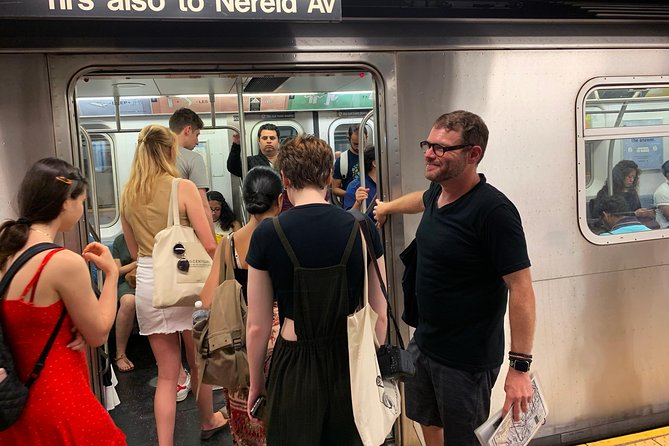
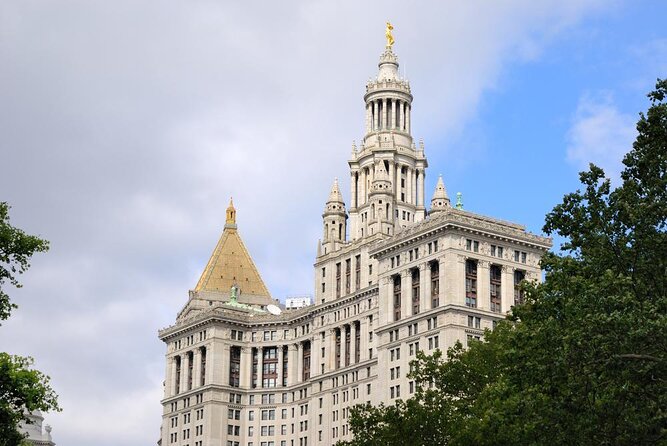
From City Hall Park, the tour heads to the Municipal Building area. This part is short, but it matters. You’re learning why this building is tied to the subway’s creation, which is a reminder that major transit systems are shaped as much by governance and public priorities as by engineering.
Even if you’re not a politics person, it helps to hear the human side: who pushed the subway idea, why it became a civic goal, and how decisions made above ground echoed underground for generations. It’s the kind of context that makes you appreciate the system as infrastructure built by people—not just infrastructure built by machines.
If you like architecture or “why is this here” questions, this stop gives you a better way to look at the subway as a long-running city project.
Union Square: Art Installations in Plain Sight
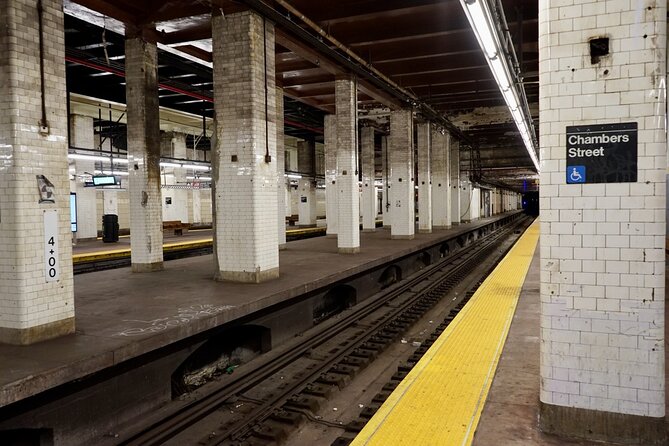
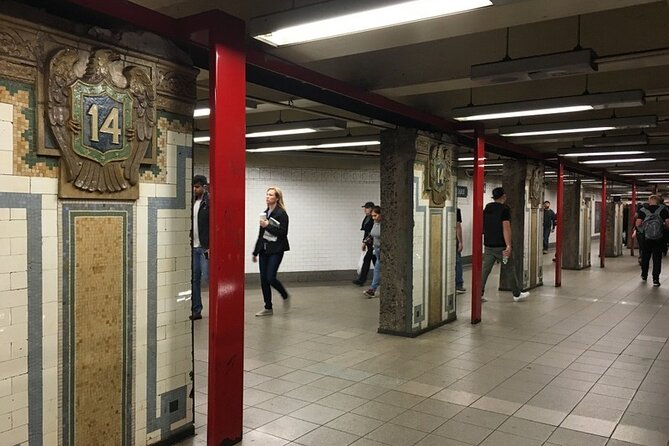
Next up is Union Square, where the guide walks you through the station and points out its surprising art installations. This is one of those stops that’s easy to overlook if you’re just trying to get somewhere fast. By design, subway art can be subtle—until someone slows the group down and tells you what to look for.
What you’ll take away isn’t only the what (the art). It’s the why: art and station design are part of how the subway became a public space, not just a transport corridor. Union Square becomes a good example of how aesthetic choices show up where you’d least expect it—inside the daily commute.
One practical tip: keep your phone handy but also keep your eyes up. If you’re trying to photograph everything at once, you’ll miss the guide’s explanation of what you’re looking at.
A View Toward Brooklyn and the “Bigger Map” Moment
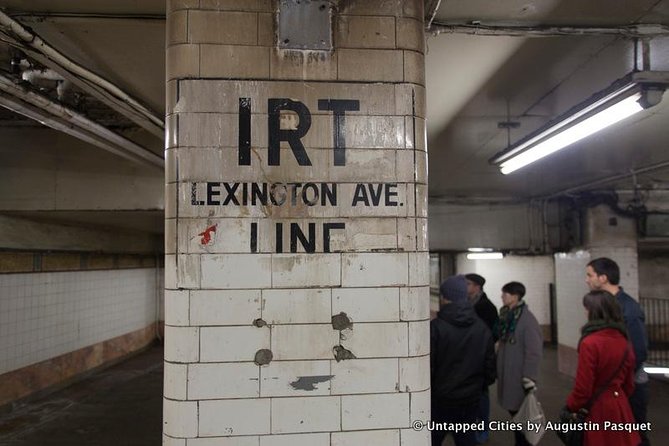
Early in the tour, there’s a moment where you’ll see the Brooklyn side of the story at the start. This helps reset your mental map. Instead of thinking of the subway as separate lines and stations, you start seeing it as a network pushing the city together—across neighborhoods and across borough boundaries.
I like this kind of orientation before the underground sections, because once you’re down in the tunnels, your phone signal and street sense vanish. When you’ve already gotten a sense of direction and geography, the walking and riding feel less like wandering and more like following a plan.






Riding the 6 Train and Finding the Ghost Stations
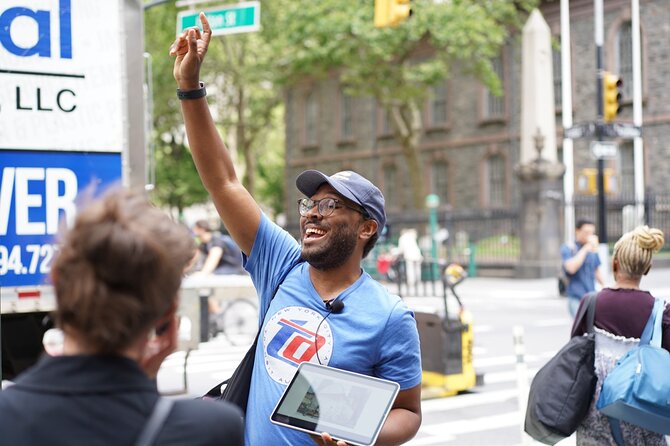
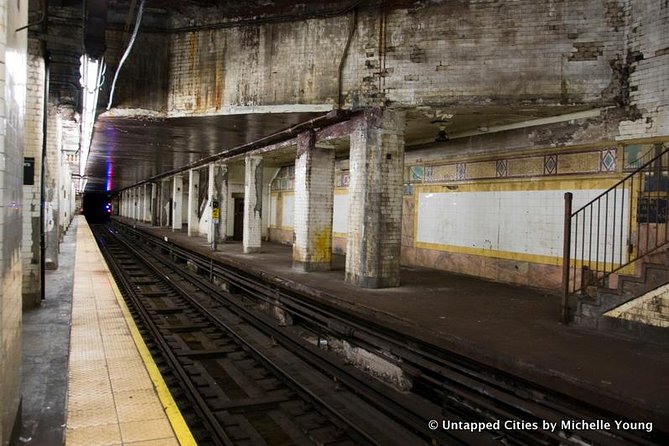
Now comes the part most people remember: you ride the 6 train and you’ll see the story connected to abandoned ghost stations. Even if you’ve heard subway lore before, there’s a difference between reading about a place and seeing the architecture and layout that survive behind active service.
This is where the tour turns from “history lesson” into “transportation theater.” The guide ties design and operational choices to why certain stations were left behind, how the system evolved, and what you can still recognize from the remains.
Why this is worth it: NYC’s subway is constantly changing, but some remnants stay like frozen chapters. You get to understand the subway as a living organism—grown, rerouted, and sometimes leaving old bones behind.
If you’re a train enthusiast, you’ll probably feel extra happy here. If you’re not, you’ll still get something useful: a new way to read the subway environment. You’ll start noticing details like station shapes, transitions, and the logic of where lines go next.
The Earphones: Great When They’re Set Up Right
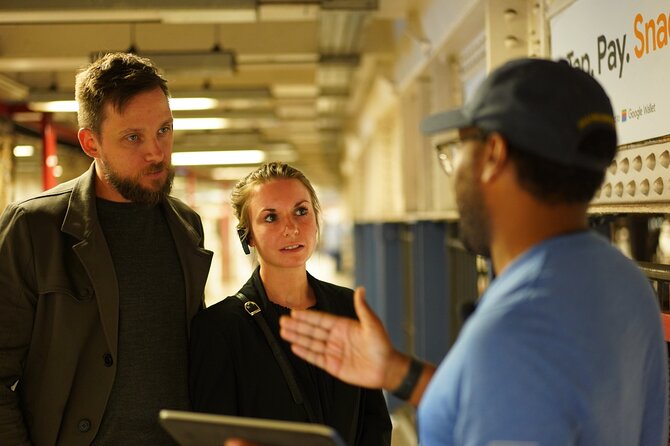
Earpieces are included, and the whole point is simple: your guide’s voice should stay clear even with tunnel noise. In practice, it often works well because you’re not competing directly with the roar of trains and the echo of underground spaces.
Still, here’s how to make sure you get the best experience. When the guide fits the earpiece, take a second to adjust it for comfort and check that you can hear clearly from a normal walking distance. If you can’t, speak up early rather than waiting until you’ve lost half the story.
Also, keep expectations real: tunnels are noisy by nature. The earpieces are meant to help, not create studio-quality sound. But when they’re functioning well, you’ll be able to follow every word and enjoy the explanations without strain.
Walking, Stairs, and Staying Comfortable for Two Hours
This tour is about 2 hours, but the time doesn’t feel like a casual stroll. There’s a fair amount of walking, and there’s a repeated theme of stairs. Some stops take you down and up, and subway architecture often means uneven steps, narrow passages, and tight transitions.
So pack your body for the route:
- Wear shoes with grip.
- Move at the group pace, not your usual city-speed.
- If you’re heat-sensitive, remember underground spaces can feel warmer than the street.
The best part about the small group is that the guide can slow down when people need it. You’re not stuck behind a random crowd. You’re moving with intention, and that makes a difference when stairs and tight station spaces show up.
Price and Value: Why $39 Can Feel Fair
At $39 per person for an approximately two-hour guided experience with earpieces, you’re paying for more than a route—you’re paying for context plus access to areas and vantage points you’d normally skip.
Here’s the value breakdown:
- A native New Yorker guide gives you the “why this exists” layer, not just “what station is next.”
- Earpieces remove a huge barrier for hearing explanations underground.
- A small group keeps the tour from turning into a hurry-up line-following exercise.
- The 6 train and abandoned-station components are not your everyday subway commute.
You do need a MetroCard swipe since it’s not included. That’s typical for any tour that rides the system. Still, once you budget that swipe, the overall cost can feel reasonable for what you get: story-rich transit access plus real guided pacing.
One more detail that affects perceived value: this tour’s focus is very much on subway systems history, stations, and tunnels. If you want a “NYC highlights” sampler, you might find it too transit-specific. If you want the city’s infrastructure explained in a way that makes you notice things later, it’s a strong match.
Who This Tour Is Best For (and Who Might Not Love It)
This is ideal if you fall into one of these buckets:
- You love NYC history and want it tied to places you can actually see.
- You’re a transit fan, especially if you like how systems grow and change.
- You enjoy architecture and station design, including public art inside stations.
- You want a guided subway experience that’s small-group paced, with audio support.
It may be less satisfying if you want mostly street-level sights with minimal underground time, because this experience includes stairs and time in subway environments. Also, if you’re sensitive to background noise, do take the earpiece setup seriously and let the guide know quickly if anything isn’t working.
Should You Book This Underground Subway Tour?
If you like the idea of learning how NYC’s subway became what it is—and you want more than generic station facts—this tour is a smart booking. The combination of earpieces, a small group, and the chance to ride as part of the story (including the 6 train and abandoned ghost-station lore) makes it feel like a rare perspective.
Before you go, plan for stairs and underground time. Bring comfortable shoes, and treat the tour like a focused walking-and-riding history experience, not a casual sightseeing loop.
If that sounds like your kind of NYC morning or afternoon, book it.
FAQ
How much does the NYC Underground Subway Walking Tour cost?
It costs $39.00 per person.
How long is the tour?
The tour lasts about 2 hours.
Where does the tour start and end?
The tour starts at 200 Broadway, New York, NY 10038, USA, and it ends back at the meeting point.
What language is the tour offered in?
The tour is offered in English.
Are earpieces included?
Yes. Earpieces are provided to each person so you can hear the guide clearly.
Do I need a MetroCard?
Yes. A MetroCard swipe is not included.
How big is the group?
The tour has a maximum of 12 travelers.
Does the tour include riding the subway?
Yes. You ride the 6 train during the experience, including time connected to abandoned ghost stations.
What’s the cancellation policy?
Free cancellation is available up to 24 hours in advance for a full refund.
Is this tour suitable for most people and are service animals allowed?
Most travelers can participate, and service animals are allowed.