REVIEW · NEW YORK CITY
Private Art and Crime Tour at the Metropolitan Museum of Art
Book on Viator →Operated by Art Trip · Bookable on Viator
Art crime makes museums feel like real places. This private Met tour turns the galleries into a case file. You’ll look at questionable holdings side-by-side with celebrated artists, while your guide explains how authentication is tested and how stolen art sometimes comes back.
I especially love the balance: you don’t just hear spooky stories. You also see authentic works by some of the world’s most faked artists, including Rembrandt and Vincent van Gogh. The other thing I like is the repatriation angle, with stories about looted or stolen works being returned to the museum or their rightful owners.
One possible drawback: the tour is only as easy to follow as the audio. One attendee flagged that it could be hard to hear at times, especially with the guide’s accent, so choose your spot close and be ready to focus.
In This Review
- Key Highlights You’ll Care About
- Private Art and Crime at the Met: What You’re Actually Signing Up For
- Questionable Holdings Inside the Met: Learning to Look Differently
- Rembrandt and Van Gogh Side by Side: Why Some Artists Get Faked More
- How Art Authentication Works: From Suspicion to Evidence
- Stolen and Looted Art Returns: The Human Side of Repatriation
- The Guide Matters: Olga’s Expertise and Your Listening Strategy
- Timing, Tickets, and Getting to the Met on 5th Ave
- Value for Money: Why This Tour Can Be Worth More Than a Standard Walk
- Who Should Book This Art Crime Tour at the Met
- Should You Book This Private Art and Crime Tour?
- FAQ
- How long is the Private Art and Crime Tour at the Metropolitan Museum of Art?
- Where does the tour start?
- Does the tour end at the same place?
- Is this tour private?
- What language is the tour offered in?
- What’s included in the tour price?
- What’s not included?
- Do I need a paper ticket?
- Is free cancellation available?
- Is the meeting point near public transportation?
Key Highlights You’ll Care About
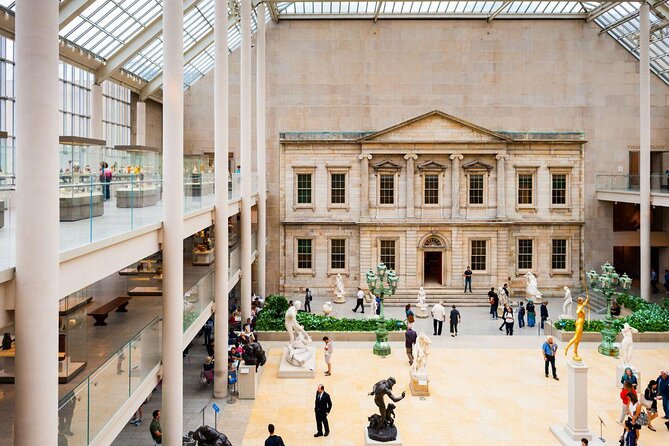
- Case-file style tour at the Met: art crime and forgeries explained inside real galleries
- Questionable holdings paired with major masters: you’ll see how tricky attribution can be
- Authentication methods, in plain terms: how experts test whether a work is real or a forgery
- Stories of stolen and looted art returning: repatriation shows up as more than a headline
- A private group experience: only your group participates, so questions are easier
Private Art and Crime at the Met: What You’re Actually Signing Up For
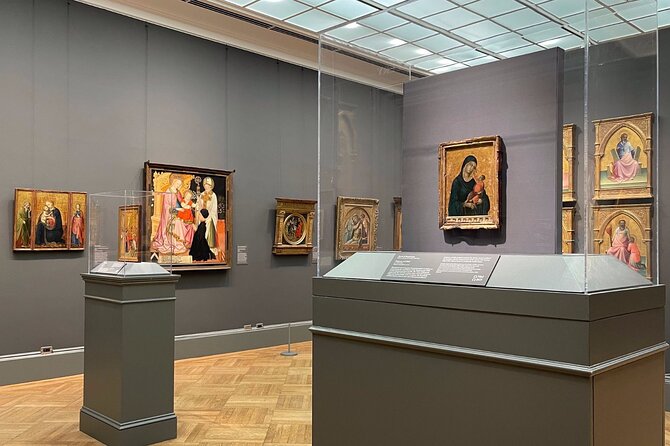
If you think the Met is just beauty and quiet awe, this tour gives you a twist. You’ll walk through the museum with a different question in your head: not just What is it? but Is it what it claims to be?
That change matters. Museums build trust over time, and art crime targets that trust. A forgery can look perfect from a distance. But once you know what experts watch for, you start noticing the cracks.
This is also a practical kind of learning. You’re not stuck in a lecture hall. You’re standing in front of real objects, getting context while you look. And because it’s a private tour, your guide can pace things for your group instead of rushing a larger crowd.
You can also read our reviews of more private tours in New York City



Questionable Holdings Inside the Met: Learning to Look Differently
The tour starts at the Met itself and keeps the focus on the museum’s less certain side. Your guide will point out questionable holdings—works in the Met’s collection that some experts suspect may not be authentic.
This is where the Met becomes a living lab. You’ll learn that attribution is rarely a one-and-done verdict. Sometimes a work enters a collection with the right paperwork. Sometimes it enters with gaps. And sometimes the story changes after later research.
You’ll also see how museums manage uncertainty. The guide will talk about how certain works previously entered the museum and why they later drew suspicion. That helps you understand something most people never notice: a museum can be both careful and human at the same time.
A quick note on expectations. This isn’t a hunt for one magic answer. The point is to show you how attribution gets debated and why the process is slow.
Rembrandt and Van Gogh Side by Side: Why Some Artists Get Faked More
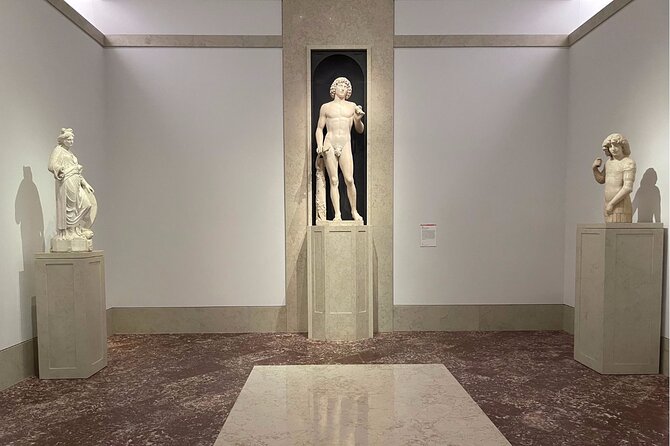
Here’s the clever part of the tour. Instead of only talking about fake art, it uses the real thing as a reference point. You’ll explore authentic works by the world’s most faked artists, including Rembrandt and Vincent van Gogh.
That pairing does two jobs at once. First, it teaches you what makes an artist’s work distinctive at all. Second, it gives you a sense of what forgers have to imitate to fool people.
And it also explains the motivation behind the scams. When a name is valuable, the market becomes hungry. If people want Van Gogh, someone will try to supply Van Gogh—fast, and usually with shortcuts.
So when you hear the word forgery on this tour, it’s not just a “gotcha.” It’s a window into demand, money, and how expertise tries to keep up.
How Art Authentication Works: From Suspicion to Evidence
One of the biggest takeaways is learning how experts determine whether a work is authentic or a forgery. The tour explains the kinds of methods used, and you’ll connect those methods to what you’re seeing in the galleries.
What I like about this approach is that it makes authenticity feel like a process, not a mystery. You’re not relying on one dramatic moment where a scientist magically reveals the truth. Instead, you learn how museums weigh clues and reconcile conflicting information.
You’ll also hear how past acquisitions can become complicated later on. A work may arrive with a believable history. But new scholarship or new comparisons can change the outlook. That’s why the tour pays attention to how objects entered the Met and how conclusions formed after that.
And this gives you a useful real-world skill. Even outside the museum, you’ll better understand why provenance, documentation, and expert review are such big deals in the art world.
Stolen and Looted Art Returns: The Human Side of Repatriation
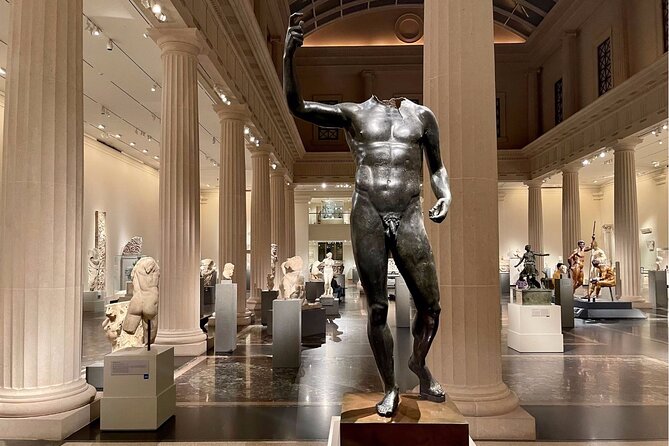
This tour doesn’t treat art crime like a villain-only story. It treats it like an ongoing chain of events with real consequences for people and institutions.
You’ll hear stories about how stolen or looted works were returned to the museum or to their rightful owners. That’s more than a moral lesson. It’s also a timeline lesson: you’ll see that restitution can take years, sometimes decades.
Why this matters in a museum setting is simple. The object in front of you is not just an image. It’s a survivor of markets, theft, war, and legal battles. When the guide connects a work’s uncertainty to its journey, the gallery stops feeling neutral.
Also, repatriation reframes what museums do. A museum isn’t only displaying. It’s researching, verifying, and revisiting decisions. That’s a more honest model than the one we usually assume.
You can also read our reviews of more museum experiences in New York City





The Guide Matters: Olga’s Expertise and Your Listening Strategy
The experience is led by a professional tour guide who’s an art historian. One name that comes up from prior groups is Olga, who was described as extremely knowledgeable and also helpful with extra city recommendations.
That second part is worth mentioning. A good guide doesn’t just interpret the Met. They help you plan the rest of your trip, too. If you want to spend your limited time wisely in New York, those extra pointers can add real value.
Now for the practical consideration. One attendee noted difficulty hearing during the tour due to accent. That doesn’t mean the tour is bad. It means your success depends on where you stand and how well you can focus.
My advice: arrive a few minutes early and position yourself where you can clearly hear. If you’re sensitive to audio issues, keep your attention on the guide rather than drifting with the artwork around you. This is a story-heavy experience.
Timing, Tickets, and Getting to the Met on 5th Ave
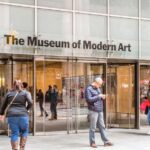
The tour runs about 2 hours 30 minutes. Since the tour ends back at the meeting point, you don’t need to worry about figuring out a second location. You’ll start at the Met at 1000 5th Ave, New York, NY 10028.
You’ll also have a mobile ticket, which reduces the hassle of paper tickets in a busy museum. Confirmation is received at the time of booking, so you’re not left wondering what to show on arrival.
And it’s near public transportation, which is a big deal at the Met. You’ll want to arrive with enough buffer time to settle in before the tour begins. When you’re only on the clock for 2.5 hours, losing minutes adds up fast.
Value for Money: Why This Tour Can Be Worth More Than a Standard Walk
Even without a posted price here, you can judge value based on what you get. You get a professional guide, entrance fees are included, and the time is long enough to cover real ideas without feeling like a sprint.
What pushes the value higher than a typical museum tour is the theme. You’re not just learning dates and names. You’re learning how art credibility is built, tested, and sometimes corrected. That’s useful knowledge, even if you only visit once.
It’s also private, which can be a sweet spot if you’re traveling with a group of friends or family who want to ask questions. Group discounts are offered, and that can make the private format more reachable.
My rule of thumb: if you’re curious about how truth gets verified, this tour gives you more “thinking per minute” than a basic gallery tour.
Who Should Book This Art Crime Tour at the Met
This is best for you if you like art history but want it to have stakes. It fits adults and older/high school kids who are interested in art crime, looted art, and how museums handle their collections.
If you enjoy solving puzzles—without needing a detective hat—this works. You’ll learn to look with skepticism and then with evidence, which is a fun mental exercise.
It’s also a good choice if you’ve been to the Met before and want a fresh angle. You’ll see the museum as an archive of decisions, not just a catalog of masterpieces.
If your priority is quiet sightseeing with zero “case details,” you might find the theme heavy. In that case, you could prefer a more general highlights tour.
Should You Book This Private Art and Crime Tour?
Book it if you want the Met to feel like a real story about people, power, and proof. I like it because it blends questionable holdings with the chance to see why artists like Rembrandt and Van Gogh are so often targeted by fakers. You’ll leave with a better sense of how authentication works and why repatriation matters.
Skip it only if you know you struggle to hear spoken guidance in a museum setting. Since one attendee flagged audio difficulty, you’ll want to be proactive about where you stand.
If you’re on the fence, consider this: 2.5 hours is enough time to learn something that changes how you look at art for years afterward. That’s a solid return on your time in New York.
FAQ
How long is the Private Art and Crime Tour at the Metropolitan Museum of Art?
The tour lasts about 2 hours 30 minutes.
Where does the tour start?
The meeting point is at the Metropolitan Museum of Art, 1000 5th Ave, New York, NY 10028, USA.
Does the tour end at the same place?
Yes, the activity ends back at the meeting point.
Is this tour private?
Yes. It’s a private tour/activity, and only your group participates.
What language is the tour offered in?
The tour is offered in English.
What’s included in the tour price?
It includes a professional tour guide (art historian), entrance fees, and the duration of 2.5 hours.
What’s not included?
Hotel pickup and drop-off are not included, and gratuities are not included.
Do I need a paper ticket?
No. You’ll have a mobile ticket.
Is free cancellation available?
Yes. You can cancel for a full refund if you cancel at least 24 hours in advance.
Is the meeting point near public transportation?
Yes, it is near public transportation.