REVIEW · NEW YORK CITY
Private Greenwich Village Tour
Book on Viator →Operated by Top Dog Tours Inc. · Bookable on Viator
Greenwich Village rewards slow looking. This private tour threads together literature, labor history, and modern street-level pop culture in just about 2 hours.
You’ll start around 6th Avenue and Waverly Place, then move through landmark blocks that connect art, comedy, and activism. Expect stops that explain why this neighborhood became a magnet for artists and protesters, not just a postcard stop.
I love how the route mixes big moments—like the 1911 Triangle Shirtwaist Factory Fire—with small, street-level details you’d miss on your own. I also like the private guide feel: you can ask questions and steer the walk at a human pace. One thing to consider is the walking. It’s a decent amount in two hours, so good shoes matter.
In This Review
- Key highlights you’ll get in those 2 hours
- Start on the Ground: Waverly Place to Your Private Guide
- Farms, Fame, and a Dark Turn: Poe to the Triangle Shirtwaist Building
- Washington Square Park: From Quiet Ground to Protest Crossroads
- McDougal Street to Cafe Wha: Where Artists Learned to Be Loud
- Comedy Cellar and Jones Street: Your Pop-Culture Homework, Without the Stress
- Cafe Reggio, Cappuccino Tips, and a Pizza Detour You’ll Appreciate
- Stonewall Inn and the West Village Turn: Protests Then, Iconic Streets Now
- Why the Guide Makes This Feel Like More Than a List
- Price and Timing: Is $80 for 2 Hours Worth It?
- Should You Book the Private Greenwich Village Tour?
- FAQ
- Where does the tour start?
- Where does the tour end?
- How long is the tour?
- What is included in the price?
- Is food or drink included?
- What language is the tour offered in?
- How far in advance should I book?
- Is it okay in bad weather?
- What are the minimum group requirements?
Key highlights you’ll get in those 2 hours
- A private guide for tight attention that keeps the story moving without feeling rushed
- Stop-by-stop history from early Village days to major protest landmarks
- Art and entertainment anchors like Cafe Wha and The Comedy Cellar
- Pop-culture spot checks you can actually connect to what you’ve seen or heard
- A real West Village walk that mixes activism history with iconic TV locations
- Storytelling with personality, including guides who bring extra dramatic flair
Start on the Ground: Waverly Place to Your Private Guide
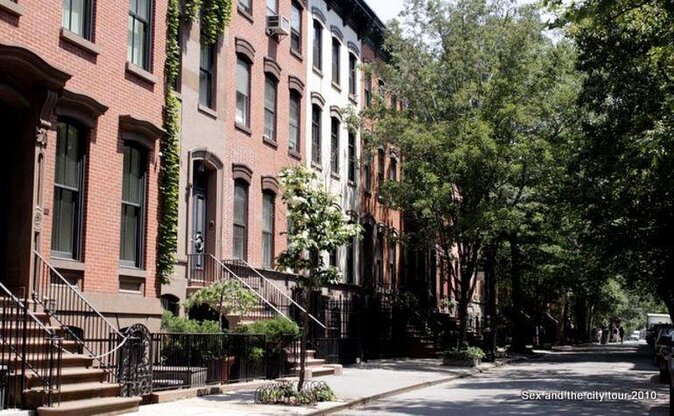
Plan on meeting your guide right in the Village, near Waverly Diner at 385 6th Ave—the general area of 6th Avenue and Waverly Place. You pick your start time (as available), and you’ll use a mobile ticket to keep things simple once you’re there.
This is a private tour, meaning your group is the only one on the walk. That matters here. Greenwich Village is a place where context helps. A good guide can point out the why behind the what, and you’ll feel it when streets turn into stories instead of just scenery.
The tour runs roughly 2 hours in all weather. If it’s rain or cold, dress for it. You’re outdoors most of the time, and this neighborhood’s charm comes from watching the street life as much as the buildings.
You can also read our reviews of more walking tours in New York City



Farms, Fame, and a Dark Turn: Poe to the Triangle Shirtwaist Building
Greenwich Village didn’t start as a nightlife postcard. Your walk begins with the neighborhood’s origins as a bucolic farming community, then shifts into why artists and outsiders found space to experiment.
One early stop is the house where Edgar Allan Poe once lived. Even if you’re not a Poe superfan, it gives you a useful anchor: the Village has long attracted writers and thinkers, and the architecture and streets still carry that “long attention span” vibe.
Then comes a harder, important pivot. You’ll see the Brown Building, tied to the 1911 Triangle Shirtwaist Factory Fire. This tragedy helped trigger major changes in American labor rights, and your guide will connect it to the larger theme of people organizing when systems fail. It’s the kind of stop that turns history from dates into real consequences.
A small consideration: moments like this can feel emotionally heavy. If you’re traveling with kids or anyone who gets uncomfortable with tragedy, you might want to tell your guide what level of detail works for your group.
Washington Square Park: From Quiet Ground to Protest Crossroads
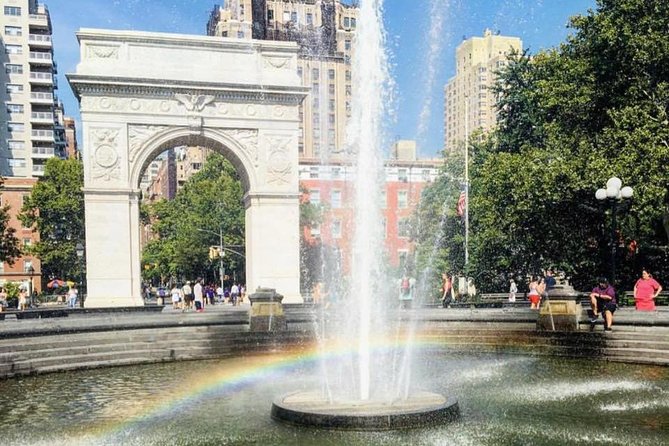
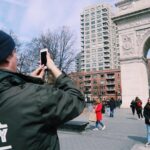
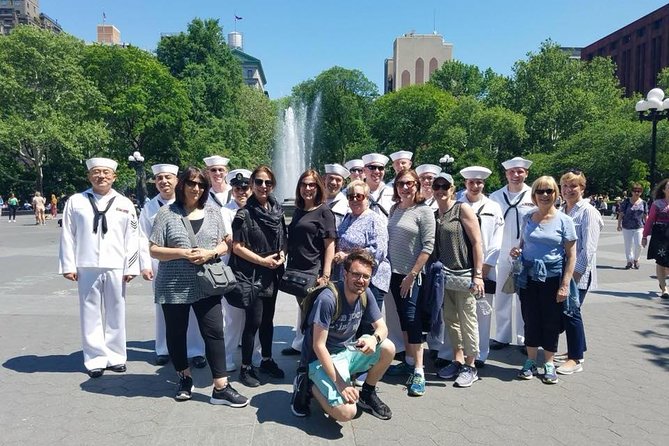
Next, you’ll head toward Washington Square Park, often the easiest place to feel how the Village changes with the crowd. Your guide explains how it evolved from a quiet potter’s field into a magnet for artists, students, and protesters.
This is why the park stop is more than a “take a photo” pause. It’s a front-row lesson in how public space works in New York. You’ll see how the same streets can serve for studying, performing, and organizing—sometimes all on the same day.
Expect your guide to point out the park’s role in protest culture, not just its scenery. It also gives you a logical break in the walking, letting you reset before the next blocks get louder and more personality-driven.
If you’re the kind of traveler who likes to connect the dots between neighborhoods and movements, this is one of the best-value stops on the route.
McDougal Street to Cafe Wha: Where Artists Learned to Be Loud
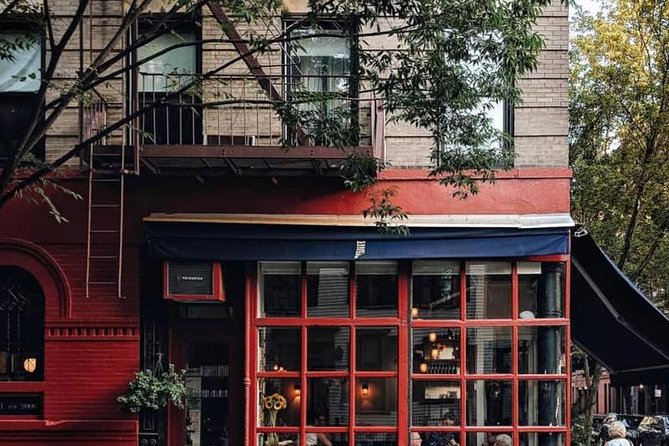
From Washington Square, you’ll stroll up McDougal Street, where countless entertainers have left their mark. This section works because it’s built for wandering. The street feels like a timeline of shows, music, and people trying new versions of themselves.
A key stop is Cafe Wha, linked to famous performers who have graced the stage—from Jimi Hendrix to Bruce Springsteen. Your guide’s job is to make those names land in the real world: why a small performance room can matter, and how an arts scene grows by giving people a place to try.
One practical note: because this is still a functioning neighborhood, the vibe can change block by block. If your group wants more quiet conversation, it helps to stick a bit closer to your guide as you move through busier intersections.
Comedy Cellar and Jones Street: Your Pop-Culture Homework, Without the Stress
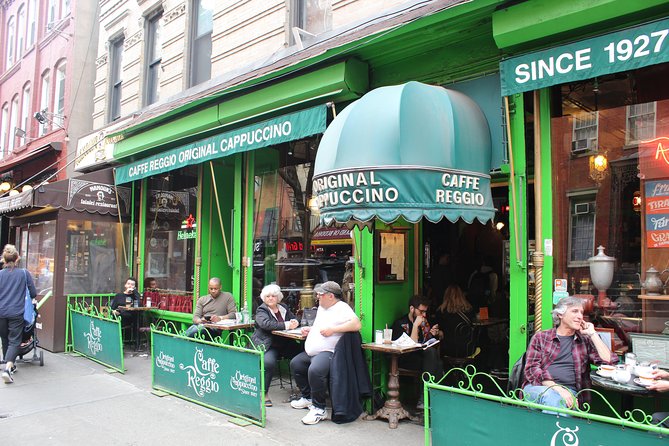
Then you’ll hit The Comedy Cellar, a well-known comedy club. It’s an easy stop to love if you enjoy stand-up culture, because your guide can tie the club’s role to the Village’s broader tradition of risk-taking and fresh voices. You may also hear references to major comedians associated with the venue.
Next comes Jones Street, where the story connects to Bob Dylan’s Freewheelin’ album cover art. This is the kind of detail that feels like a trivia win, but it’s more useful than trivia. It teaches you how the Village shows up in art—and how artists borrow from real street life.
If you’re traveling with someone who thinks they only came for the famous buildings, this is where you convert them. They’ll start noticing how pop culture depends on real places and real communities.
You can also read our reviews of more private tours in New York City
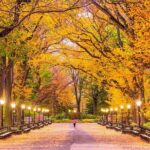




Cafe Reggio, Cappuccino Tips, and a Pizza Detour You’ll Appreciate
Around Cafe Reggio, your guide will share local food tips, including why people mention its cappuccino and why the area is famous for pizza. This is not a formal food stop—you’re not getting a meal included—but the guidance helps you make smarter choices afterward.
What I like about this part of the tour is the practicality. You get suggestions while you’re physically in the right neighborhood, instead of trying to remember names later in your hotel room.
Keep your expectations realistic: the tour does not include food and drink, so bring snacks if you need them. But if you’ve been walking for an hour, the guide’s recommendations can be the difference between ordering random pizza and getting something your future self will thank you for.
Stonewall Inn and the West Village Turn: Protests Then, Iconic Streets Now
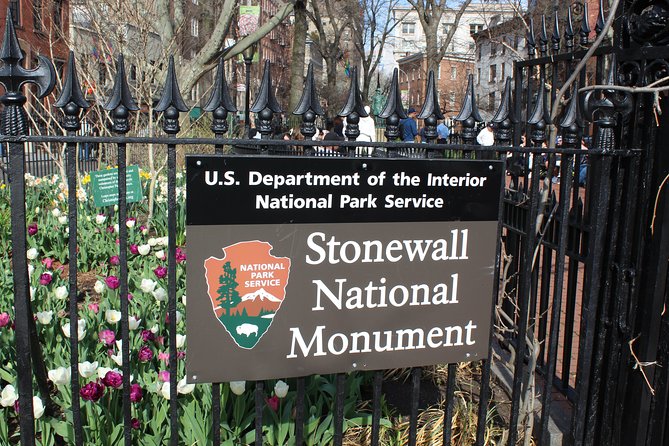
After crossing Christopher Street, you’ll reach Stonewall Inn, the site of the 1969 riots that helped spark the American gay rights movement. This stop is the tour’s most direct bridge to civil rights history. Your guide connects the story to the neighborhood’s ongoing reputation for activism.
Then the walk continues into the West Village, where you’ll pass famous pop-culture landmarks, including the Friends apartment. There’s also mention of unique homes, including what’s described as Manhattan’s one-time tiniest piece of private property.
This mix can feel jarring if you treat the Village like a theme park. But that clash is actually the point. The West Village has always held more than one story at a time—protest energy, art culture, and entertainment myth all on the same streets.
If your guide offers extra side stories here, it’s usually because this stretch of the route invites it. Small streets can hold big symbolism when someone points it out.
Why the Guide Makes This Feel Like More Than a List
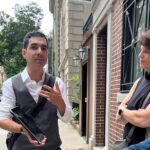
The best part of this tour is how personal it can feel. Reviews highlight guides such as Joel, Connor, Christine, Percy, and actor-guide Jordan Bellow. You’ll hear it in the tone: lively storytelling, lots of anecdotes, and a real sense that the guide isn’t just reading facts.
I especially like that some guides are flexible about your group’s needs. For example, one review specifically notes a guide accommodating physical limitations. That’s a reminder that a private setting can help the walk fit your reality, not the other way around.
Some guides also lean into spooky storytelling alongside local history. If that’s your style, ask your guide if they include ghost or folklore elements as they walk. You’ll get a better match to what you like, instead of forcing one theme to fit the whole tour.
Price and Timing: Is $80 for 2 Hours Worth It?
At $80 per person for about 2 hours, this isn’t a bargain street walk. It is, however, a strong value if you care about context and you want your questions answered in real time.
Here’s the math that matters: you’re paying for a local guide and the fact that it’s private. In a neighborhood like Greenwich Village, self-guided wandering can easily turn into lots of looking at buildings with no idea what to focus on. This tour gives you focus—plus a path through the streets that keeps the story coherent.
You’ll also see why it’s booked ahead. On average, it’s reserved about 32 days in advance, which usually means people treat this as a “must-do” early in trip planning.
The one tradeoff is that you’ll be moving steadily. Plan for a bit of effort. If you’re sensitive to walking, tell your guide early so they can adjust your pace.
Should You Book the Private Greenwich Village Tour?
Book it if you want Greenwich Village to feel like a story you can walk through. This works best for couples, small groups, and families who want a guided mix of literary landmarks, labor and civil rights history, and serious entertainment history without getting stuck in a museum.
Skip it (or consider a gentler plan) if your priority is mostly scenery with minimal walking and minimal heavy topics. This route includes protest-related landmarks and a major tragedy, and the emotional weight is part of what makes it meaningful.
If you’re on the fence, here’s my practical suggestion: go for the private format. For $80, you’re not buying photos. You’re buying a guide who can turn streets into explanations, and make your 2 hours feel like more than just time on a sidewalk.
FAQ
Where does the tour start?
The meeting point is near Waverly Diner at 385 6th Ave, in the area of the corner of 6th Avenue and Waverly Place.
Where does the tour end?
The tour ends near Hess Triangle at 110 7th Ave S (around the corner of 7th Avenue and Christopher Street).
How long is the tour?
It’s listed as about 2 hours.
What is included in the price?
The experience includes a local guide and a private tour.
Is food or drink included?
No. Food and drink are not included.
What language is the tour offered in?
The tour is offered in English.
How far in advance should I book?
On average, it’s booked about 32 days in advance.
Is it okay in bad weather?
Yes, it operates in all weather conditions, so dress appropriately.
What are the minimum group requirements?
A minimum of 2 people per booking is required, and children under 18 must be accompanied by an adult at least 21 years of age.