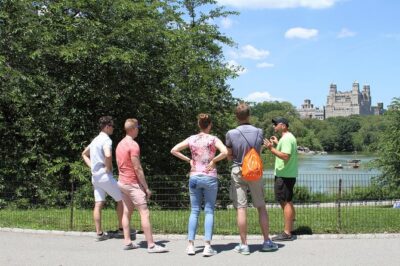
Roosevelt Island feels like a secret pocket of NYC. This 1.5-hour walk links big-name landmarks to the island’s darker chapters—then drops you back with time to wander on your own. I especially like that the tour starts with the Roosevelt Island Tramway, so you get a quick orientation plus killer East River views right away.
What I like most is the mix of places you can’t easily stumble into. You’ll see the island’s oldest building (the Blackwell House from the 1790s), pass transportation hubs, and stand near the buildings tied to 19th-century quarantine life. One possible drawback: it’s not a long hike—expect city sights and a short walking pace rather than hours of nature.
The tour also leans hard on storytelling, and that matters. A guide like Daniel (native New Yorker, patient, friendly, and ready with answers about NYC beyond the island) can turn simple viewpoints into memorable context. With a small group cap of 20 and moderate physical fitness requirements, it’s a smart pick if you want history with good pacing.
In This Review
- Key Highlights You’ll Care About
- Roosevelt Island Tramway: the quick orientation that makes the whole tour click
- Blackwell House and the island’s earliest landmark
- Queensboro Bridge: walk under it for the wow-factor
- Smallpox Memorial Hospital: when NYC’s disease control had an island address
- FDR Hope Memorial (Louis Kahn) and the best way to end: park time
- Timing, group size, and fitness: how the 1.5 hours really feels
- Value: what you’re getting beyond the view
- Who should book this Roosevelt Island history walk
- Quick decision: should you book?
- FAQ
- How long is the Roosevelt Island Historical Walking Tour?
- Is the tour offered in English?
- What’s included with the tour?
- Where do we meet, and where does the tour end?
- What fitness level do I need?
- What if the weather is bad or the tour is canceled?
- Can I get a full refund if I cancel?
Key Highlights You’ll Care About
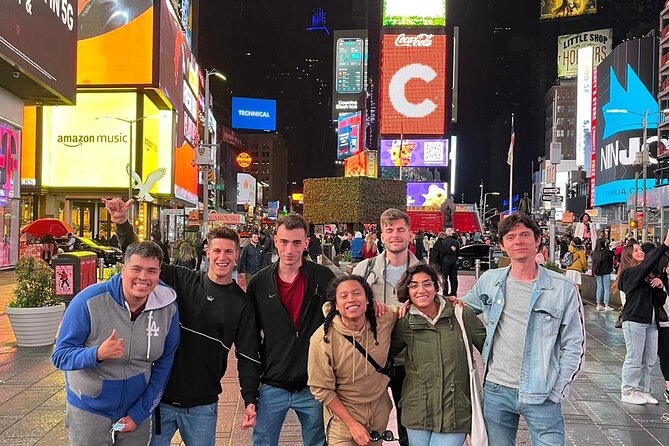
- Tram first, photos fast: Get your river-and-skyline views early, with a stop for pictures after you reach the island.
- Blackwell House + transport clues: Oldest building, plus walks past the train and ferry stations to show how the island works.
- Queensboro Bridge at close range: Walk under the bridge for dramatic structure and Manhattan sightlines.
- Smallpox Hospital stop: See a quarantine facility tied to how NYC managed disease spread in the 1800s.
- Finish at FDR Hope Memorial: End in a park with room to linger and snap more photos at your own pace.
Roosevelt Island Tramway: the quick orientation that makes the whole tour click
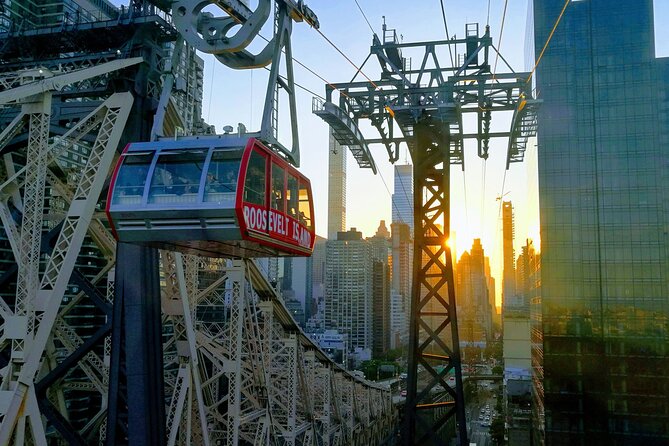
Most people think Roosevelt Island is just a skyline stop between Manhattan and Queens. This tour changes that by starting at the Roosevelt Island Tramway Plaza and taking you over the East River early. That first ride does two jobs at once: it gets you moving without effort, and it frames what you’re about to see with real sightlines.
Once you arrive, the guide brings you through the island highlights with time to pause. There’s even a stop that feels small but practical: a quick visit near the gift shop area with information about Roosevelt Island. It’s the kind of moment that helps you leave with better context—like you’re not just walking from sign to sign.
After you get those views and your bearings, the rest of the tour makes more sense. You start noticing how the island’s geography channels movement and how the buildings relate to one another. In a city where most sightseeing is vertical and rushed, this horizontal, story-led approach is a breath of fresh air.
Photo tip: Bring your phone/camera strap or keep a secure grip. Tram photos are easiest when you’re ready before the best angles show up—once the line of sight changes, you may not have time to fumble.
You can also read our reviews of more walking tours in New York City



Blackwell House and the island’s earliest landmark

The walk to the island’s older core feels like stepping back from the modern skyline. Your next stop is Blackwell House, the oldest building on Roosevelt Island, dating back to the 1790s. It originally belonged to the Blackwell family—so yes, the island’s name ties back to real people, not just branding.
I like this stop because it anchors you in something specific and dated. Instead of vague history talk, you’re standing near a structure tied to when the island was shaping up long before today’s apartment towers and transit lines.
You’ll also stroll past transportation points—showing the island’s train and ferry stations as part of the same walking route. That means the tour doesn’t treat Roosevelt Island as a museum. It treats it like a working place that has always depended on getting people across water efficiently.
There are also panoramic views from the walk—both toward the East River side and out toward the Hudson River. It’s a good reminder that Roosevelt Island’s history isn’t only in buildings. It’s in location.
Why this stop matters for value: if you’re short on time in NYC, this is one of the rare walks where you get (1) a dated, tangible landmark and (2) big-city transit context in the same stretch.
Queensboro Bridge: walk under it for the wow-factor
After the older buildings and transport views, the tour shifts to pure structure: the Queensboro Bridge. The experience here is simple and effective: you walk under the bridge and take in dramatic lines of steel with gorgeous views toward Manhattan.
This stop is great for anyone who likes bridges, architecture, or just dramatic “how is this thing standing?” moments. From under the span, you’ll get a different perspective than the one most people remember from looking at it from a sidewalk above.
Also, the timing works. After the earlier historical stops, the bridge view gives you a mental reset. It’s not heavy, and it’s not long. You get the payoff quickly and move on.
Photo tip: If you care about angles, try different spots under the bridge rather than only shooting from one place. The perspective changes as you shift even a few steps.
Smallpox Memorial Hospital: when NYC’s disease control had an island address

This is the most sobering stop, and it’s handled in a way that actually helps you understand why the place exists. The Smallpox Hospital was originally built as a quarantine facility for smallpox patients. The key idea is isolation—keeping infected people on the island to prevent the spread back to the mainland.
It was part of a bigger medical complex on Roosevelt Island in the 19th century, serving New York City when public health systems were far less advanced than today. Standing near the site, you can connect the dots between medicine, city planning, and risk control.
I also think this stop is valuable because it doesn’t try to shock you. It explains a real mechanism that cities used: segregation by geography. That’s a lesson that travels well—because it helps you see old NYC not as a collection of pretty landmarks, but as a city that had to solve brutal problems with the tools it had.
Consideration: this is emotionally heavier than the tram ride or the bridge photo-op. If you’re traveling with kids or someone who prefers lighter sightseeing, you may want to pace yourself here and ask the guide to keep the focus on historical explanation rather than graphic detail.
FDR Hope Memorial (Louis Kahn) and the best way to end: park time
The tour ends at the FDR Hope Memorial, dedicated to Franklin D. Roosevelt, the 32nd President of the United States. The design is credited to architect Louis Kahn, and it was dedicated in 1973.
What makes this a strong ending is practical. Instead of rushing you out right after the last landmark, you finish in a park setting. You’re then free to hang out, take more photos, and choose your own next move.
And you’re not stuck waiting for a bus like a school field trip. You can head back toward Manhattan or your next stop using options you already know are nearby—F train, tramway, or ferry.
Why ending here works: the tour gives you structure and context, then steps back and lets you control your time. That’s how you avoid the feeling of being “done” with sightseeing too early.
You can also read our reviews of more historical tours in New York City






Timing, group size, and fitness: how the 1.5 hours really feels
This experience runs about 1 hour 30 minutes, and it’s built around a handful of short stops rather than long stretches. The pacing is important. You’ll spend around 30 minutes on the tram portion (including time to meet at the plaza and ride over), then you’ll move through stops that each stay brief—Blackwell House, the bridge area, the quarantine hospital site, and finally the FDR memorial.
The group size stays small, with a maximum of 20 people. That matters more than you might think in NYC. Smaller groups tend to mean better questions, less line chaos, and less standing around while your guide tries to herd everyone back into place.
The tour also calls for moderate physical fitness. That’s reassuring, because it signals there’s walking involved, but it’s not designed as a strenuous hike. You’ll want comfortable shoes, especially if you’re visiting in windy bridge-under conditions or on uneven ground near memorial areas.
My practical advice: if you’re sensitive to walking time, arrive a few minutes early. You’ll start calmer, and you’ll feel better when the tour speeds up briefly between stops.
Value: what you’re getting beyond the view

I look at value differently in NYC. I don’t just ask what you see—I ask whether the tour saves you time and effort. Here, you get several things that are hard to coordinate on your own.
First, the tour includes tram entry. That means you’re not piecing together your day while trying to time transport around sightseeing. You also get a guided route that connects sites with meaning, so you’re not just walking past random buildings wondering what you missed.
Second, the stop structure covers both “what it looks like” and “why it exists.” You get skyline visuals from the river ride and bridge area, but you also get explanation for the quarantine-era hospital and the island’s oldest building. That mix turns photos into understanding, and understanding into better future choices around the city.
Third, the tour builds in freedom at the end. Once you reach the FDR memorial and park area, you’re not trapped in a guided bubble. You can linger, wander, and decide how you want to move back—train, tram, or ferry.
A balanced note on value: because the total duration is about 1.5 hours, you won’t get a deep, hour-by-hour museum-style experience. If you want long time inside specific buildings or lots of extended indoor exhibits, you might need additional self-guided time after the tour.
Who should book this Roosevelt Island history walk
This is a great fit if you want:
- A guided introduction to Roosevelt Island without doing a lot of research first
- Photo-friendly viewpoints paired with real context
- A manageable walking plan, with a small group and a clear end point
It’s especially smart if your NYC trip is already packed. Roosevelt Island can be an easy add-on that feels different from the main borough circuits. Instead of another “stand-and-stare” stop, you’ll connect transit, landmarks, and public health history in a way that sticks.
It may be less ideal if you’re expecting a long, nature-heavy day. The experience is grounded in city architecture and historic sites, with views and park time rather than extended green space.
Quick decision: should you book?
If you want Roosevelt Island to feel like more than a quick crossing, I’d book. The tram start gives you instant views and orientation, and the historic stops give you story you can’t easily piece together from outside a guide’s explanation. Add the small-group size and the freedom at the end, and it becomes an efficient, satisfying use of about 90 minutes.
If you prefer very light sightseeing or you want to spend hours exploring one area in depth, plan to do the tour as a warm-up. Then add your own time afterward using the transit options nearby.
FAQ
How long is the Roosevelt Island Historical Walking Tour?
It runs for about 1 hour 30 minutes.
Is the tour offered in English?
Yes. The tour is offered in English.
What’s included with the tour?
The tram entry is included, and you also get freedom to explore Roosevelt Island on your own after the tour ends.
Where do we meet, and where does the tour end?
You meet at Roosevelt Island Tramway, 254 E 60th St, New York, NY 10022. The tour ends on Roosevelt Island, New York, NY 10044, where you can take the F train, tramway, or ferry back.
What fitness level do I need?
You should have a moderate physical fitness level for the walk.
What if the weather is bad or the tour is canceled?
The experience requires good weather. If it’s canceled due to poor weather, you’ll be offered a different date or a full refund.
Can I get a full refund if I cancel?
Yes, you can cancel up to 24 hours in advance for a full refund. If you cancel less than 24 hours before the start time, the amount you paid will not be refunded.