REVIEW · NEW YORK CITY
The Bowery Official Historic District Tour
Book on Viator →Operated by Tommys New York · Bookable on Viator
The Bowery tells stories fast. This 90-minute Bowery Official Historic District Tour strings together immigrant-era clues, entertainment history, and modern music landmarks—at street level, not in a book. I especially like how it moves from Irish to Chinese neighborhood chapters and then into the Bowery’s first entertainment-district role, with stops you can actually stand next to and picture.
I also love the way your guide is there to answer questions, not just recite facts. One potential drawback: the pace is quick, so you’ll want to be comfortable standing outdoors for short stops and listening on the move—most of it is on the street.
In This Review
- Key Highlights You’ll Notice on This Bowery Walk
- Price and Logistics: What $38 Buys You in NYC
- Starting at Confucius Plaza: A Different Bowery Entrance
- Doyers Street and the 19th-Century Dark Turn
- Manhattan Bridge Area: Triumphal Arch, Diamonds, Banks, Theatres
- Bowery Ballroom: Music Echoes in an Everyday Neighborhood
- New Museum Area and Bowery Mission: Theatre, Opera, and Community
- Bowery Poetry Club and Punk Era: CBGB’s Shadow and Blondie’s Nearby Footprint
- Cooper Union and Cooper Square: Institutions, Old Press, and McSorley’s Area
- Why the Guide Matters Here (And Why People Rave for a Reason)
- Weather, Timing, and Your Best Strategy
- Should You Book the Bowery Official Historic District Tour?
- FAQ
- How long is the Bowery Official Historic District Tour?
- Where does the tour start, and what is the meeting point?
- Where does the tour end?
- What language is the tour offered in?
- Is the ticket mobile, and is there admission included?
- What happens if the weather is bad or plans change?
Key Highlights You’ll Notice on This Bowery Walk
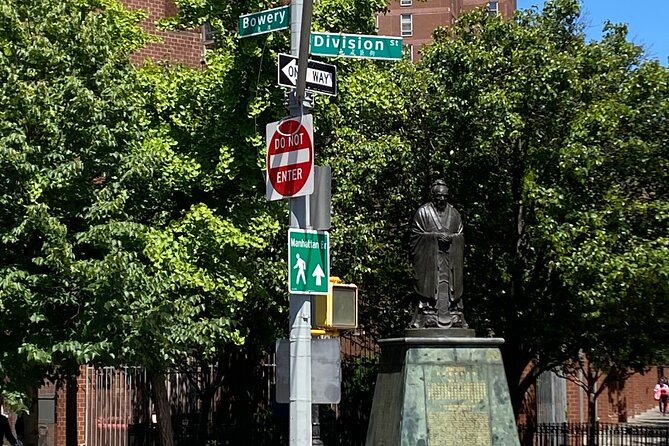
- Confucius Plaza start: you begin with the Statue of Confucius at the corner of Bowery and Division Street
- Doyers Street, aka Murder Alley: the guide points out where the 19th-century story turns dark
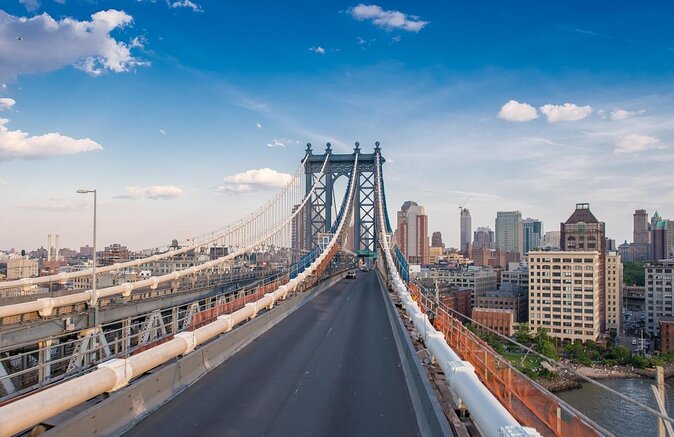
- Manhattan Bridge connections: you’ll hear about the Triumphal Arch/colonnade area and why Bowery and Canal mattered
- Music-history stops: Bowery Ballroom, the Punk Rock block, and the shadow of CBGB’s nearby
- Jump from theatre to mission to poetry: Italian Opera, Yiddish theatre, Bowery Mission, and Bowery Poetry Club
- Cooper Union and Cooper Square landmarks: Village Voice, Carl Fischer Music Building, and McSorley’s area stops
Price and Logistics: What $38 Buys You in NYC
At $38 per person for about 1 hour 30 minutes, this tour lands in a sweet spot for guided value. You’re paying for a guide who can connect details across decades—immigration waves, entertainment growth, banking buildings, and music scenes—while also keeping you moving efficiently through a compact stretch.
It’s also a practical choice if you only have a small slice of time and want your questions answered as you go. Expect a group size capped at 50, and it runs in English with a mobile ticket. Since it’s near public transportation, it’s easy to plug into an afternoon plan rather than building a whole day around it.
Do note the reality check: because the stops are short and frequent, this isn’t the kind of tour where you slowly linger at one building for ages. If you’re the type who wants long photo breaks and deep indoor time, you’ll still get a lot, but you may wish for a follow-up self-walk right after.
You can also read our reviews of more historical tours in New York City



Starting at Confucius Plaza: A Different Bowery Entrance
The tour begins at the Statue of Confucius in Confucius Plaza, right at the corner of Bowery and Division Street. I like this start because it immediately frames the Bowery as a place shaped by immigration and shifting communities, not just nightlife or old brick facades.
Instead of starting with the loudest part of town, you start with a symbol that pushes you to look at the Bowery as a neighborhood crossroads. And when your guide sets up the timeline early, it’s easier to “read” what comes next—especially when you hit sites connected to later waves of residents and businesses.
Practical tip: arrive a few minutes early so you can orient yourself before the group forms up. On NYC sidewalks, that little buffer can prevent the stressful shoulder-checking later.
Doyers Street and the 19th-Century Dark Turn
Next you’ll stop at Doyers Street, also known as Murder Alley and the Bloody Angle during the 19th century. This is one of those Bowery moments where street corners carry a reputation. You’ll pause at the entrance, and your guide does the useful work of explaining why that reputation stuck—so it doesn’t feel like a Halloween story pasted onto real geography.
Here’s what I think you’ll take away: the Bowery wasn’t one thing. It shifted as people moved in and out, as businesses changed, and as the city’s entertainment and street life overlapped in messy ways. Standing near Doyers Street helps you see the Bowery’s edge—how the neighborhood could feel theatrical on one side of the street and tense on the next.
If you’re sensitive to dark historical themes, you might want to mentally prep for that tone. It’s not graphic in the tour details provided here, but it does lean into the name Murder Alley for a reason.
Manhattan Bridge Area: Triumphal Arch, Diamonds, Banks, Theatres
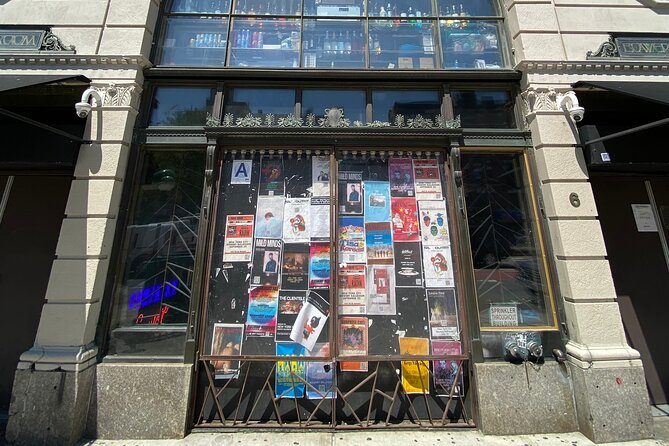
Then the tour moves toward the Manhattan Bridge area, where you’ll pass by the Triumphal Arch and colonnade. This stop matters because it places the Bowery in a bigger city machine: bridges, transit arteries, and the “big entrances” that made certain streets feel important.
Your guide also connects the Bowery to trade and business patterns, including the Original Diamond District on Bowery and Canal. That detail helps you understand that the Bowery wasn’t only immigrant housing and music. It also had commerce muscle.
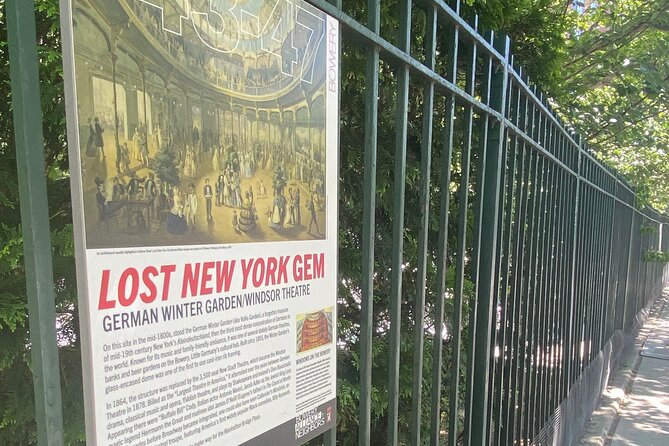
You’ll also hear about the old Citizens Bank Building and former sights of the German Winter Garden and Windsor Theatre. Even when you can’t see the exact past building in front of you anymore, the way your guide describes what used to be there makes the area feel legible. You start noticing how entertainment venues and social spaces shaped street life—and how banks and offices rode that flow.
One consideration: this segment is mostly about what you can notice from the street and what you imagine from what used to be there. If you hate that “historical visualization” step, this might feel slightly abstract. If you enjoy that mental picture work, it’s one of the most rewarding parts.
Bowery Ballroom: Music Echoes in an Everyday Neighborhood
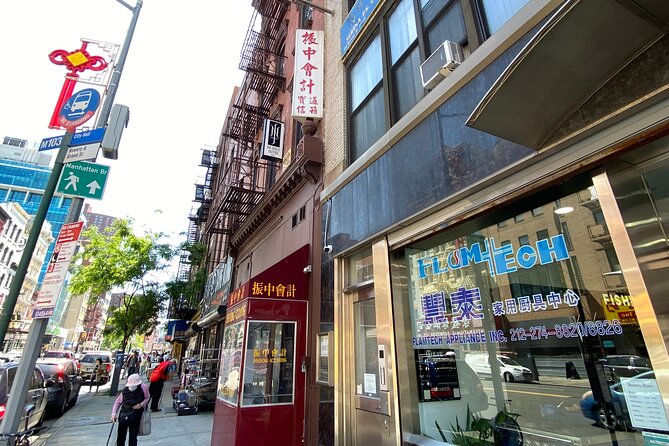
Stopping near the Bowery Ballroom is a great bridge between old entertainment and modern music. Your guide calls out it as one of the last music vestiges of the Bowery, and that framing is smart. It turns a well-known venue into a time marker, so you don’t just recognize the address—you understand why it’s meaningful.
You’ll also hear about the old Lincoln Hotel and former connections to one of the Germania Bank Buildings. That combo—music venue plus hotel plus bank-adjacent stories—shows how the Bowery’s entertainment story relied on infrastructure and money, not just bands and crowds.
What I like here is the balance. The tour doesn’t treat music history like a standalone. It shows how the neighborhood’s economic and social layers supported the shows.
If you’re going to do photos later, this is a good moment to look up. A lot of the “story” your guide mentions lives in the façades and spacing of buildings.





New Museum Area and Bowery Mission: Theatre, Opera, and Community
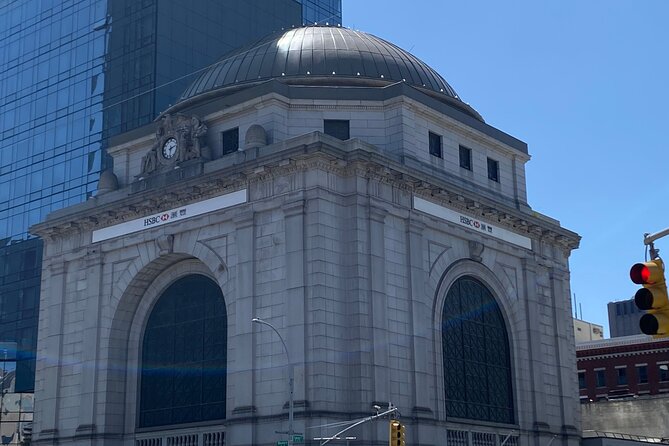
As you head toward the New Museum of Contemporary Art, your guide shifts focus to institutional and community threads. You’ll talk about the Bowery Mission, plus the presence of Italian Opera Houses and Yiddish Theatre.
This stop is important because it prevents a common mistake: viewing the Bowery only through the lens of nightlife. The neighborhood also held places where communities organized, worked, performed, and supported each other—especially through changing immigrant waves.
If you care about how immigrant cultures found voice in America, this is where you start seeing it in a practical way. Opera houses and theatre spaces weren’t just entertainment. They were identity, language, and connection.
Possible drawback: since this is still part of a walking route with short pauses, you might feel like you want more time on one theme—Mission, opera, or theatre. That’s not a problem with the tour; it’s just your curiosity winning. Bring that curiosity, and then plan a follow-up walk afterward if you want to chase one thread deeper.
Bowery Poetry Club and Punk Era: CBGB’s Shadow and Blondie’s Nearby Footprint
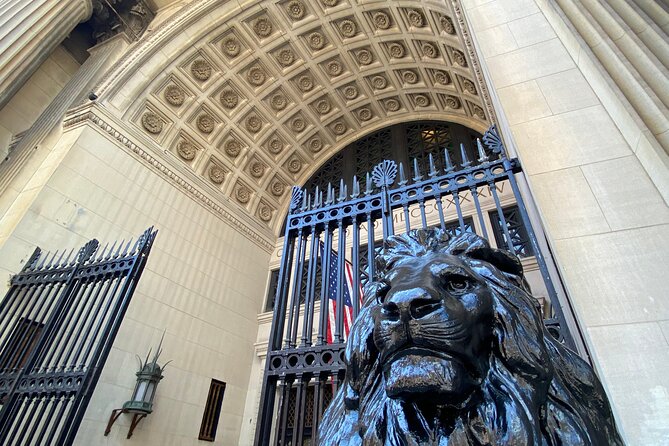
A stop near the Bowery Poetry Club is where the tour leans into more modern street mythology—especially the Punk Rock era of the Bowery. Your guide makes the connections concrete by noting that CBGB’s was right across the street.
You’ll also hear about how the area connects to Electric Ladyland and the former residence of Deborah Harry (Blondie). I love these kinds of links because they help you place famous names into real, walkable geography. Instead of treating music history like a list of bands and years, the guide makes it a map.
If you’re a music person, this segment can feel like a quick montage: poetry venue, punk blocks, studio-area connections, and a major pop-rock figure tied to the neighborhood. Even if you’re not deep into the scene, the guide’s storytelling tends to make the sites make sense.
One practical note: expect sidewalks and street corners with foot traffic. Stay aware of bikes and turnstiles nearby, and keep your listening head-on when the group gathers.
Cooper Union and Cooper Square: Institutions, Old Press, and McSorley’s Area
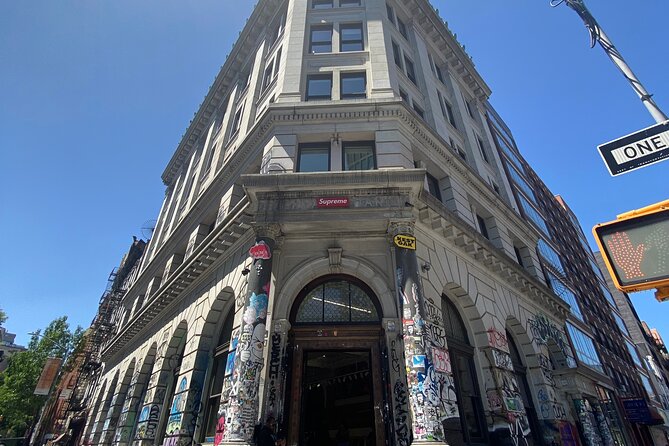
As the tour approaches the Cooper Union Foundation Building and moves along Cooper Square, you get a strong closing arc: media, music, and long-running drinking culture tied to education and activism.
Here your guide includes stops or mentions connected to the Village Voice Building, the Carl Fischer Music Building, and McSorley’s Ale House, among other places along the square. The effect is satisfying. It shows how the Bowery-adjacent ecosystem of institutions fed ideas, performance, and journalism—then fed back into neighborhood life.
This is also a good point to ask your last questions. After an hour of fast-moving stops, your brain starts sorting themes: immigration → entertainment → community institutions → punk and performance → press and longtime local spots. A guide can help you stitch those together on the fly.
The tour ends at the Cooper Union Foundation Building at 7 E 7th St.
Why the Guide Matters Here (And Why People Rave for a Reason)
The biggest reason this tour lands at a 5/5 rating is the way the guide makes the Bowery feel alive. I’ve found that on-theme guides do best when they’re not just listing buildings—they’re explaining what those buildings meant to people.
In this case, a guide named Ramona comes up repeatedly in the kind of praise you hope for: friendly, enthusiastic, and passionate about the neighborhood. People also highlight her ability to connect details about buildings and their past into a story you can follow without getting lost in dates.
If you’re booking because you want someone to help you see, you’re in the right place. A good historic-district guide is like a translator: the neighborhood is speaking, and your guide turns the language into something you understand in real time.
Weather, Timing, and Your Best Strategy
This tour depends on good weather, so plan a backup mindset if the forecast looks shaky. It’s scheduled to start at 3:30 pm, which is a smart time window: late afternoon light can make architecture details easier to spot, and you’re less rushed than a morning walk.
Your best strategy: wear comfortable shoes and come with at least one curiosity question. Something simple like, Why did the entertainment shift from one era to the next? or How did immigrant communities use theatre and missions? Those questions fit the tour’s structure and give you more than just facts.
Also, because the stop lengths are short, don’t expect to “win” by arriving late. You’ll lose context fast, and the value here is the connective storytelling.
Should You Book the Bowery Official Historic District Tour?
Book it if you want a guided, story-driven walk that connects immigration, entertainment history, and punk-era landmarks into one route. The $38 price feels fair for a two-hour guided experience where the guide can answer questions and keep the links between sites clear. It’s also a strong choice if you like when NYC history shows up in unexpected places—like a poetry club stop paired with CBGB’s shadow.
Skip it or pair it differently if you hate quick pacing and you need long time in one spot. This is a “street reading” tour, not a sit-down museum session. For maximum satisfaction, think of it as your Bowery orientation. Then go back on your own and linger where you felt the strongest pull—maybe a theatre story, a mission thread, or the music blocks.
In short: if you want the Bowery to make sense fast, and you enjoy learning while you walk, this is a solid booking.
FAQ
How long is the Bowery Official Historic District Tour?
The tour runs for approximately 1 hour 30 minutes.
Where does the tour start, and what is the meeting point?
It starts at Confucius Plaza, at the corner of Bowery and Division Street (Confucius Statue).
Where does the tour end?
The tour ends at the Cooper Union Foundation Building, 7 E 7th St.
What language is the tour offered in?
The tour is offered in English.
Is the ticket mobile, and is there admission included?
A mobile ticket is provided, and the stops listed have free admission tickets for the places mentioned.
What happens if the weather is bad or plans change?
The experience requires good weather. If it’s canceled due to poor weather, you’ll be offered a different date or a full refund. Cancellation is free up to 24 hours before the experience start time.