REVIEW · NEW YORK CITY
Whitney Museum of American Art Admission Ticket
Book on Viator →Operated by Whitney Museum of American Art · Bookable on Viator
A visit to the Whitney turns American art into a full-day plan. You get pre-booked entry to a top contemporary museum in the Meatpacking District, plus a building by Renzo Piano that makes the art feel brighter and easier to move through.
I particularly like the focus on 20th- and 21st-century American work, including major names like Edward Hopper and Georgia O’Keeffe. I also like that you’re not locked into a single schedule—there are free daily tours if you want the context, or you can roam independently.
One real drawback to consider: the museum can get crowded, and at peak moments it can slow you down (especially for popular exhibits).
In This Review
- Key things to know before you go
- Why the Whitney Museum is worth your NYC time
- Price and what $30 really buys you
- From voucher to ticket: how your first steps usually go
- Renzo Piano’s Whitney: daylight, terraces, and real breaks
- Light-filled galleries
- Outdoor artworks on multiple floors
- Floor 8 views that actually feel worth it
- What you’ll see: American modern stars and today’s voices
- The Biennial is the pacing anchor
- Free daily tours: use them as a shortcut, not a constraint
- Temporary exhibitions and changing programming: how to handle variety
- Crowds, signs, and the small frictions that affect enjoyment
- Best ways to pair the Whitney with the High Line and nearby areas
- Who should book this Whitney ticket?
- Should you book the Whitney Museum admission ticket?
- FAQ
- How long does the Whitney Museum admission last?
- How much is the Whitney Museum admission ticket?
- Does the ticket include anything besides museum entry?
- Are there guided tours included, and do I need to schedule one?
- Where do I exchange my voucher for tickets?
- Is the ticket available on a mobile format and in English?
- What’s the museum’s neighborhood and general transit access like?
- What is the cancellation policy?
- Is the experience suitable for most travelers?
Key things to know before you go
- Priority entry helps you spend less time waiting and more time looking
- Renzo Piano’s airy galleries make the art feel connected to daylight
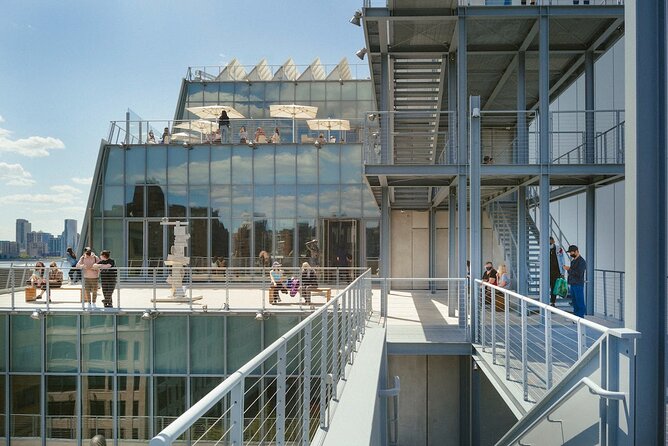
- Terraces on floors 5–7 plus floor 8 city/Hudson views for a break from indoor crowds
- Free daily tours run at different times, so you can choose guided context or self-paced wandering
- The museum’s mission centers on American art, with special emphasis on living artists
- The ticket covers access to the 2024 Biennial and other changing programming
Why the Whitney Museum is worth your NYC time
The Whitney Museum of American Art is one of the few big-name museums in New York that feels built for the art after World War II and into today. If your idea of a great museum day is walking through themes that connect—artists who were reacting to their moment—you’ll like the Whitney’s mix of modern + contemporary American art.
The museum’s setting helps too. It sits in the Meatpacking District, between the High Line and the Hudson River. That means your museum visit naturally turns into a neighborhood walk afterward, which is a big win in a city where you’re always weighing time.
And the building matters. The Whitney’s Renzo Piano design brings in natural light and creates space for you to step out and look at the city. Even when you’re tired of indoor galleries, you can pivot to views and outdoor works without changing plans.
You can also read our reviews of more tours and experiences in New York City



Price and what $30 really buys you
At $30 per person for about 2 hours, this ticket is priced like a serious museum stop. You’re paying for three things that matter in New York:
1) Guaranteed entry when you book ahead
2) A chance to join a free daily tour (timed daily, not one fixed tour)
3) Access to major on-site programming, including the 2024 Biennial
Is it a bargain? No. But in practice, the value is strong if you do two things well: arrive during your allotted time window, and commit to a focused route so the time doesn’t get eaten by wandering in crowded rooms.
Also, the museum is near lots of transit options, so you don’t need to spend extra time budgeting logistics. That saves real energy for looking.
From voucher to ticket: how your first steps usually go
Once you arrive, you’ll exchange your voucher for a ticket at the admissions desk. Plan for a short check-in process—this is where you lose a little time even with pre-booking, but it beats showing up hoping for walk-up availability.
A smart move is to treat the first 15 minutes as orientation. Instead of rushing into the biggest galleries, I’d get your bearings, then follow your interests:
- If you love context, time your day around one of the free daily tours.
- If you prefer to control pace, skip the tour and start with the exhibitions that match your taste.
If you’re the kind of person who likes to sit and absorb—there’s room for that here. Several art lovers note they were happy just taking their time, moving floor to floor and using seating as a reset.
Renzo Piano’s Whitney: daylight, terraces, and real breaks
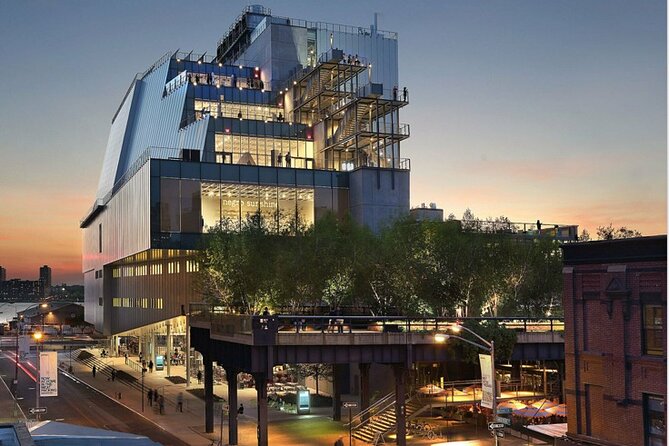
The Whitney’s big advantage isn’t only the art. It’s the way the building gives you visual downtime.
Light-filled galleries
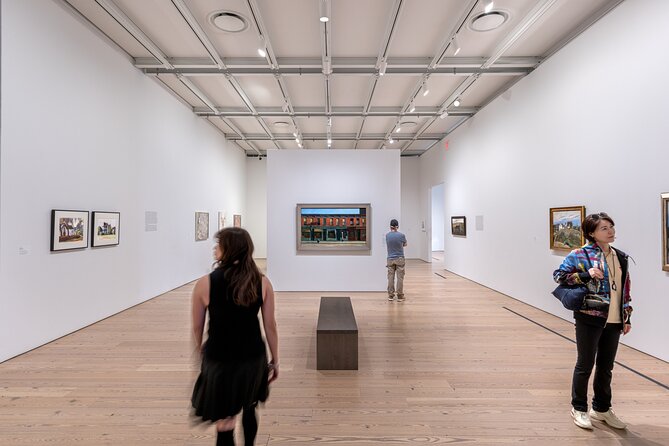
The museum is known for natural light-filled galleries, which helps modern and contemporary pieces feel less boxed-in. If you find some indoor contemporary museums a little dark and exhausting, this is a relief.
You can also read our reviews of more museum experiences in New York City




Outdoor artworks on multiple floors
Don’t miss the terraces with outdoor artworks on floors 5, 6, and 7. These spots work like built-in breaks. You get a change of pace without leaving the museum complex.
Floor 8 views that actually feel worth it
People also single out the terrace of floor 8 for sweeping views of the city and the Hudson River. Even if you’re not a rooftop person, this is a good place to pause, regroup, and come back inside with better focus.
Practical tip: on crowded days, use the terraces as your pressure valve. When indoor rooms slow you down, the views help you keep your day moving.
What you’ll see: American modern stars and today’s voices
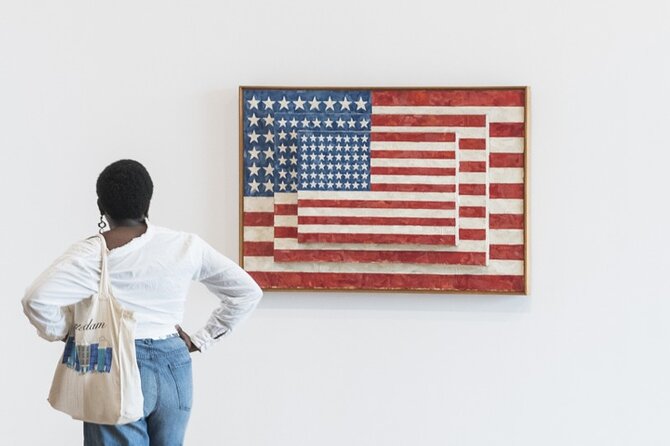
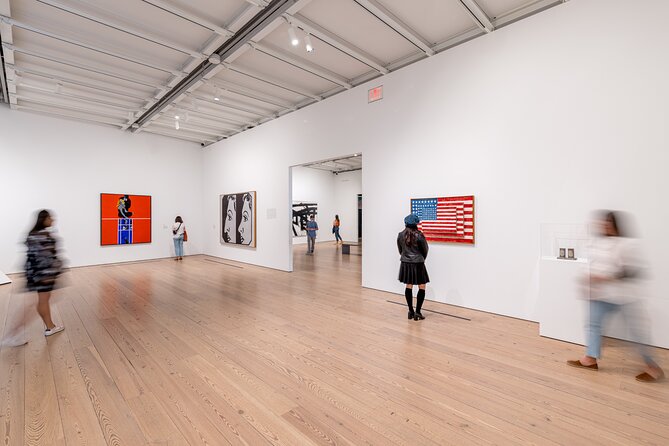
The Whitney is built around American art, and its collection is especially strong for the last century. The museum’s own approach emphasizes works by living American artists, which keeps the museum from feeling like a straight historical museum.
In the kinds of galleries you’ll run into, you’ll see attention to major artists such as:
- Georgia O’Keeffe
- Edward Hopper
- Alexander Calder
And you may also encounter other iconic modern names the museum is closely associated with, like Jackson Pollack.
What I like about this kind of lineup is that it gives you multiple entry points:
- If you want recognizable artists, you can track them.
- If you want a broader story, you can look at how styles shift across decades.
The Biennial is the pacing anchor
Your ticket includes the 2024 Biennial, the Whitney’s signature survey of recent developments in American art. That matters because it gives you a central thread to build your visit around. Even if you don’t love every piece, the Biennial helps you understand what the Whitney is saying about art right now.
Free daily tours: use them as a shortcut, not a constraint
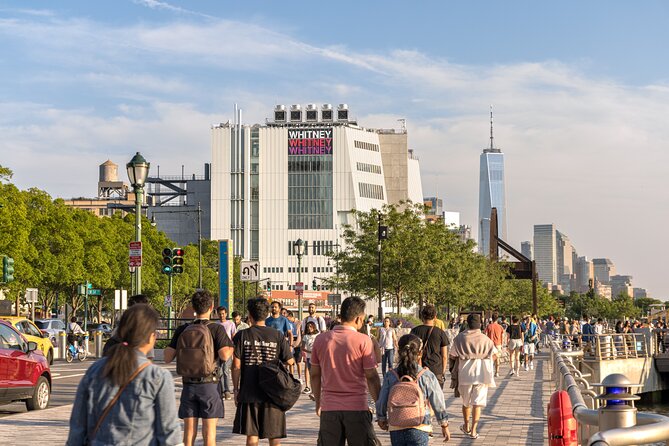
You’ll have the option to wait for a free guided tour at different times daily. That’s a great setup because it lets you decide what kind of museum day you want.
If you join a tour, you’re more likely to:
- Catch themes you might miss on a first pass
- Understand why certain works are placed together
- Get practical direction when signs feel sparse
If you skip the tour, you’ll still have a good time. The museum is designed for self-guided looking, and the spaces are easy to navigate floor by floor.
One small note from the experience of art lovers: on busy days, crowding can affect how much you enjoy the most popular rooms. If you want a smoother viewing experience, consider joining a tour when you think it’ll be less packed—or use the terraces to escape the crush.
Temporary exhibitions and changing programming: how to handle variety

The Whitney’s programming changes, so your exact set of exhibits will depend on what’s on during your dates. But you can count on major movements: twentieth-century modern art, contemporary work, and the Biennial’s current focus.
Here’s how I’d approach changing exhibits without getting overwhelmed:
- Start with the show that’s driving your interest (often the Biennial).
- Then use your time to compare styles across floors.
- Leave room for a second lap on one or two favorites if you’re still energized.
Some people love specific artists so much they plan their whole visit around them. If that’s you, build a flexible plan. It’s possible to find you want more time in one area than you expected, and the museum’s size can make that feel tight if you scheduled too rigidly.
Crowds, signs, and the small frictions that affect enjoyment
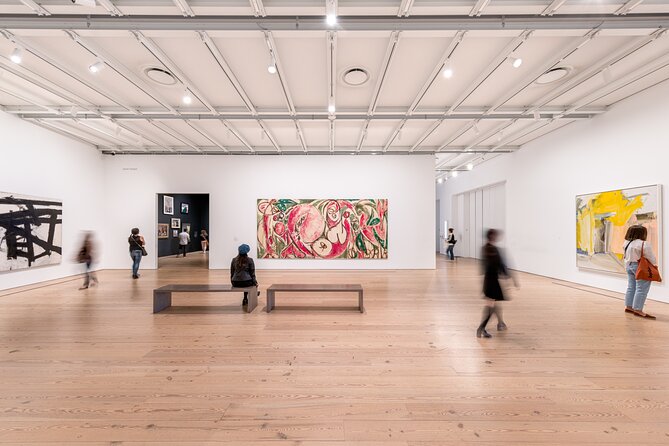
The most common practical complaint with big museums—crowds—shows up here too. When popular exhibits hit peak times, it can get very crowded, making it harder to see details.
If you’re sensitive to crowds, consider these strategies:
- Give yourself extra time to move between rooms. Don’t assume a fast route.
- Spend less time trying to stop dead in the narrowest sections.
- Use the outdoor terraces for quick resets.
There’s also a note about disorganization and light signage during busy moments. That doesn’t mean you’ll get lost, but it can slow you down when you’re trying to find the next room. My advice: download your own plan mentally. Pick two targets and keep moving toward them rather than following vague cues.
Bathrooms and basic comfort can become an issue on packed days. If you’re visiting with limited energy or you hate waiting in line, try not to schedule a late-afternoon visit when the museum is already shoulder-to-shoulder.
Best ways to pair the Whitney with the High Line and nearby areas
Because the Whitney sits by the High Line, you can turn this into a half-day loop:
- Start at the Whitney while you have fresh energy for indoor art.
- Then walk along the High Line afterward, especially if you enjoy city views and public art.
The Meatpacking District is also close to Chelsea Market and within walking distance of Greenwich Village, which can make the day feel full without needing more rides.
If you want maximum payoff for minimal transit, keep your plan geographically tight: Whitney now, High Line stroll after, then food nearby.
Who should book this Whitney ticket?
This is a strong fit for you if:
- You want American modern and contemporary art in one museum
- You like the idea of living artists alongside major 20th-century names
- You’re curious enough to enjoy a signature show like the Biennial
- You want a museum day that includes terraces and views, not just rooms
It may not feel like a perfect match if:
- You can’t stand crowds and need empty galleries to enjoy art
- You only care about a single exhibit and hate time spent moving between multiple floors
Should you book the Whitney Museum admission ticket?
Yes, I’d book it—especially if this is your first Whitney visit or if you want the security of guaranteed entry. At $30 for about 2 hours, the value comes from mixing big art with the building experience: daylight galleries, outdoor terraces, and the floor 8 views that give you a payoff beyond the exhibit walls.
Book it if you’ll use the time well. Arrive ready to choose a route, don’t fight crowds in the most popular spots, and use the terraces as your reset button. If you’re flexible and you like American art spanning decades, this ticket is an easy yes.
FAQ
How long does the Whitney Museum admission last?
The experience duration is listed as approximately 2 hours.
How much is the Whitney Museum admission ticket?
The price is $30.00 per person.
Does the ticket include anything besides museum entry?
Yes. It includes Whitney Museum of American Art admission and access to free daily tours.
Are there guided tours included, and do I need to schedule one?
Free daily tours are included, and they run at different times daily, so you can either wait for a tour or explore on your own.
Where do I exchange my voucher for tickets?
At the admissions desk when you arrive at the Whitney Museum in Manhattan.
Is the ticket available on a mobile format and in English?
Yes. It’s a mobile ticket, and it’s offered in English.
What’s the museum’s neighborhood and general transit access like?
The Whitney is located in the Meatpacking District and is near public transportation.
What is the cancellation policy?
You can cancel for a full refund up to 24 hours in advance. If you cancel less than 24 hours before the experience starts, the amount paid is not refunded.
Is the experience suitable for most travelers?
The listing notes that most travelers can participate.