REVIEW · NEW YORK CITY
3 Hour Midtown Manhattan Architectural Tour
Book on Viator →Operated by Manhattan Walking Tour · Bookable on Viator
Midtown has secrets you can spot fast. I like the small group (max 8) and the chance to see lobby interiors as you go, not just facades. You’ll get a best-of route through landmarks from The Plaza to Grand Central, but the Empire State stop does not include admission, so expect mostly outside viewing there.
A lot of the payoff comes from the guide, Annabelle, who runs the walk like a friendly conversation while still sharing the big architectural facts. If you want a route that mixes history, design, and a few wow details, this is a strong match.
Plan for a 3-hour morning of steady walking with a moderate fitness level. It starts at 9:00 am at The Plaza on 5th Avenue and ends at Grand Central Terminal, so you can roll straight into brunch or a museum after you finish.
In This Review
- Key things that make this Midtown architecture tour worth your time
- Price and time: what $85 buys you in Midtown
- Meet at The Plaza: the French-chateau mood on 5th Avenue
- Sherry-Netherland: the Vatican Library idea you can actually see
- St. Regis and John Jacob Astor IV: from Millionaires’ Row to commerce
- Seagram Building: corporate modernism that changed office towers
- General Electric Building (formerly RCA): chrome, marble, and radio-wave symbolism
- Waldorf Astoria: luxury hospitality as architecture and power
- Rockefeller Center: 19 buildings, 22 acres, and art with a jobs story
- Empire State Building: iconic, but admission is on you
- New York Public Library: Stephen A. Schwarzman and the library scale shock
- Chrysler Building: Art Deco with Walter Chrysler’s personality
- Grand Central Terminal finish: 44 platforms and the big ideas behind it
- Tips to get more from every 15 minutes
- Who this Midtown architecture tour fits best
- Should you book this 3 Hour Midtown Manhattan Architectural Tour?
- FAQ
- How long is the 3 Hour Midtown Manhattan Architectural Tour?
- What does the tour cost?
- Where does the tour start and end?
- Is the tour offered in English?
- Is admission included for all stops?
- How large is the group?
- Is a mobile ticket provided?
- What if I need to cancel?
Key things that make this Midtown architecture tour worth your time
- Lobby access at famous hotels and offices so you see more than street-level exteriors
- Vatican Library-inspired design at the Sherry-Netherland lobby
- Corporate modernism and Art Deco in one route (Seagram, GE/RCA, Chrysler)
- Rockefeller Center’s scale and artwork explained with real context about its jobs and era
- Grand Central’s planning and engineering details wrapped into the story of the terminal
Price and time: what $85 buys you in Midtown
At $85 per person for about 3 hours, the value comes less from ticketed entry and more from what a guide adds to your sight-seeing. Midtown is packed with famous buildings that you can technically look at on your own. This tour turns those into a clear “how we got here” story, with you stopping long enough to actually notice details.
The time is also realistic: you’re not stuck on a bus for hours. You’re doing a focused walking route from The Plaza to Grand Central Terminal, with short stop times (about 15 minutes each) that keep momentum without feeling rushed.
One small budgeting note: most stops are marked as free admission, but Empire State Building admission isn’t included. If going up matters to you, you’ll want to plan that separately so you aren’t surprised mid-tour.
You can also read our reviews of more tours and experiences in New York City



Meet at The Plaza: the French-chateau mood on 5th Avenue
Your morning begins at The Plaza at 768 5th Ave. This is not subtle architecture. The Plaza is designed with the pomp and opulence of a French chateau, and it has shown up in countless films, so even first-timers recognize the vibe.
What I like about starting here is that it sets a baseline. Before you get into modern towers and corporate design, you see what “luxury” looked like when New York wanted to signal status and ceremony on its most famous avenue.
If you come on a busy morning, the main consideration is sound and traffic. A previous guest suggested finding a quieter moment to orient at the start, because city noise can make early explanations harder to catch. If you’re sensitive to that, arrive a bit early so you can get your bearings.
Sherry-Netherland: the Vatican Library idea you can actually see
Next up is the Sherry-Netherland, where the highlight is the lobby design modeled after the Vatican Library. That’s the kind of fact that sounds like trivia until you’re standing in the space and can connect it to how places communicate power and prestige.
This stop is also a good reminder that architecture in Midtown is often about influence, not just style. You’re looking at a New York hotel lobby that borrows visual cues from one of the world’s most famous cultural institutions.
The practical upside: this is a quick stop (about 15 minutes), so you get the story without losing half your morning. The only drawback is simple timing—if you’re the type who wants to linger, you may wish you had more than a short lobby visit.
St. Regis and John Jacob Astor IV: from Millionaires’ Row to commerce
Then you move to the St. Regis New York, connected to John Jacob Astor IV and the moment when Fifth Avenue shifted from Millionaires’ Row into a more commercial, fashion-forward corridor. Midtown growth didn’t just happen because of engineering. It also happened because money moved, street by street.
This is where the tour’s “why it matters” approach really helps. Instead of treating the building as an isolated object, you get the human story of wealth driving the street’s transformation. That makes later skyscrapers easier to understand, because you know what kind of demand they were built to serve.
Potential downside: this stop is more narrative than hands-on design study. If you want to measure exact architectural features, you’ll still learn plenty, but don’t expect this to feel like an art-class critique.
Seagram Building: corporate modernism that changed office towers
At the Seagram Building, you get a lesson in architectural influence. The design is described as an architectural milestone that helped set standards for office towers around the world and is one of the best-known examples of corporate modernism.
What’s useful for you here is how the tour frames modernism. It’s not just glass-and-steel aesthetics. It’s about how companies wanted to look confident, efficient, and forward-looking. That goal shows up in the way these buildings are designed and presented.
The stop is only about 15 minutes, so your best tactic is to come with a simple question: what does a corporate building want people to feel? Then, while you’re there, look for the design choices that serve that goal.




General Electric Building (formerly RCA): chrome, marble, and radio-wave symbolism
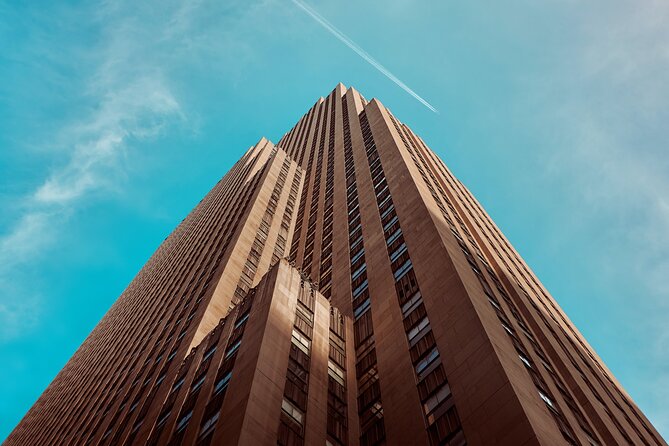
The General Electric Building comes next, originally the RCA Building. The story goes from its chrome and marble lobby to its radio waves crown, which turns a tech company identity into a visible landmark.
This is a great stop for anyone who enjoys architecture as branding. Mid-century towers often look like they’re trying to send a message, and this one does that literally through design.
One consideration is that public attention can skew toward the top of the building. Give yourself permission to look downward too—the lobby details are part of the story, not just decorative extras.
Waldorf Astoria: luxury hospitality as architecture and power
At Waldorf Astoria New York, the tour leans into what luxury hotels are meant to do. Designed by the luxury hotel firm behind the Sherry-Netherland, the Pierre, and the Hotel Lexington, the building has hosted U.S. presidents, world leaders, celebrities, and foreign dignitaries.
This stop works well because it connects people and policy to place. Hotels aren’t only about comfort. In Midtown, they’re also part of how the city hosts politics and global business.
If you’re short on time during your trip, this is still a good visit because it gives you story context without requiring paid attractions or long lines.
Rockefeller Center: 19 buildings, 22 acres, and art with a jobs story
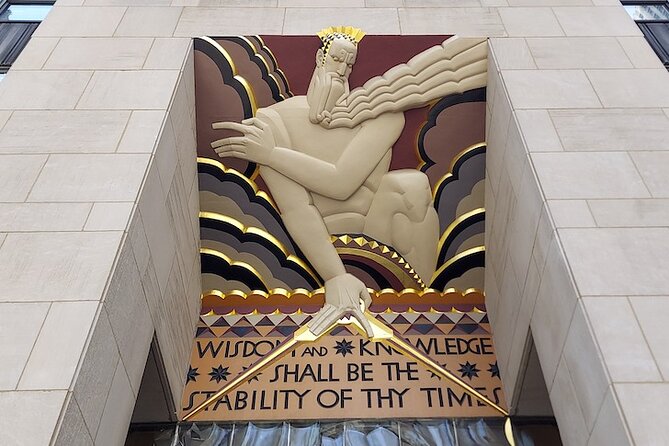
Then you reach Rockefeller Center, one of the easiest Midtown areas to remember and one of the hardest to fully grasp without a guide. It’s described as 19 commercial buildings covering 22 acres, with over 100 artworks. The tour also ties it to the Great Depression, noting it was the largest and most expensive development project of its time and provided 60,000 jobs at the height of the crisis.
What you’ll likely appreciate is the contrast. Rockefeller Center isn’t just a pretty backdrop for holiday scenes. It’s a massive civic-scale project that responded to an era, and that context changes how you interpret the complex.
The practical side: Rockefeller is open-air and extensive, so your “15 minutes” is really about what your guide focuses your eyes on. If you care about art, ask questions while you’re there; the guide can point out connections that you might miss on your own.
Empire State Building: iconic, but admission is on you
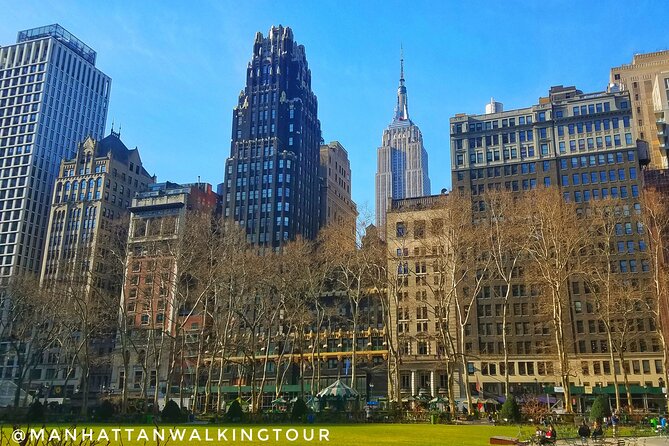
The tour heads to the Empire State Building, a landmark that was the tallest building in the world for 40 years. It was built in 410 days under budget, and its name comes from Empire State, the nickname of New York.
It’s a must-see for almost any first-time visitor, but here’s the tradeoff: admission isn’t included. You’ll still get the architectural context and plenty of viewing, but if your goal includes going up inside, plan and buy that separately.
This is still a high-value stop because it anchors your whole tour in a single building that symbolizes an entire era of ambition and speed.
New York Public Library: Stephen A. Schwarzman and the library scale shock
Next is the New York Public Library – Stephen A. Schwarzman Building. The tour explains that the library formed from the consolidation of the Tilden Trust and the Astor and Lenox libraries on May 23, 1895. When it opened in 1911, it had 350,000 volumes, and it has since grown to over 55 million books and other items stacked over seven floors.
This is one of those stops where the design details matter, but the bigger emotional impact is scale. Midtown architecture often feels like it’s about business and motion. The NYPL reminds you that another kind of city purpose was built right into the block.
The main consideration is pacing: if you want to study reading rooms or specific interiors, 15 minutes can feel short. Still, even a brief visit here helps you place the rest of the skyline story into a broader picture of what New York builds and preserves.
Chrysler Building: Art Deco with Walter Chrysler’s personality
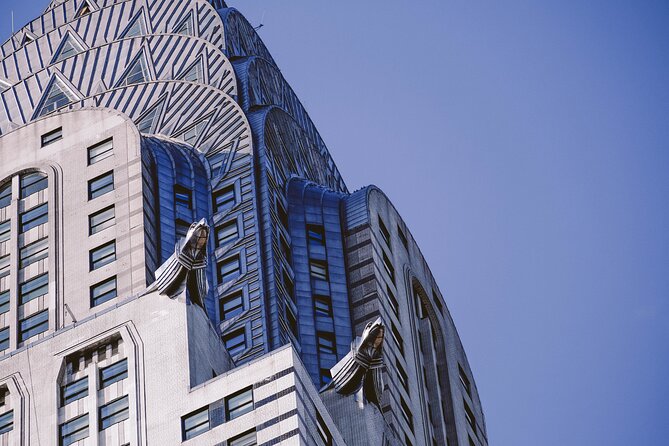
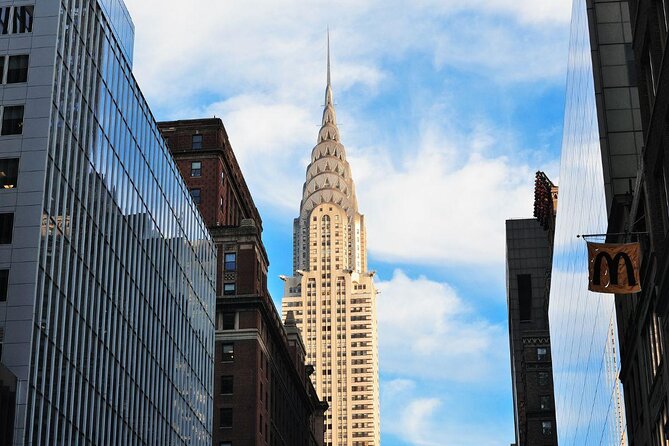
At the Chrysler Building, you get Art Deco in its most confident form. It’s tied to automobile titan Walter Chrysler and is often cited as a classic example of Art Deco architecture.
What’s fun is seeing how the building turns industrial power into visual flair. You’re not just looking at a tall structure. You’re looking at a corporate identity translated into stone and steel, with a look meant to impress.
Because it’s about design and symbolism, this stop can be a great “photo moment.” Just don’t skip the guide’s explanations while you frame your shots; the story helps you notice why the shape works.
Grand Central Terminal finish: 44 platforms and the big ideas behind it
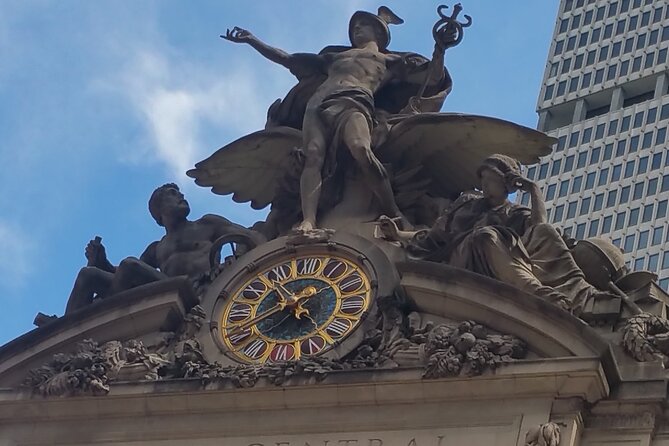
Your walk ends at Grand Central Terminal on 89 E 42nd St. The terminal is described as a world-famous transportation hub with 44 platforms and 67 tracks. You also hear about innovations that influenced decades of American planning, architecture, engineering, and culture.
This is a great way to end because it reframes the idea of architecture. Midtown isn’t only skyscrapers. It’s also systems—how people move, how space is organized, and how city design affects daily life.
If you’re trying to keep the day smooth, this finish location is a big help. You’re central for subway connections and a short walk to plenty of Midtown options.
Tips to get more from every 15 minutes
A short walking tour lives or dies on your habits. Here are a few things that help you absorb the most:
- Wear shoes that can handle steady sidewalks. This tour assumes you can keep pace for the full morning window.
- Bring your curiosity, not just your camera. Ask small questions like what a feature is signaling or why a company would choose that style.
- If noise is an issue for you, take a moment at the start to settle your group. One guest noted it can be tough to hear right when the city noise is loudest.
- If you want interiors, look for the moments your guide points out access areas like lobbies. Many of the most memorable architectural details in Midtown are inside, not on the street.
Who this Midtown architecture tour fits best
This tour is especially smart for you if you like architecture as a story, not a checklist. You’ll get a route that covers luxury hotels, corporate modernism, Art Deco, and major civic institutions in one clean walk.
It’s also a good fit if you’re traveling with someone who isn’t an architecture fanatic. The guide’s approach tends to connect buildings to people and events, which helps the conversation stay interesting even if your travel buddy is more into history than design.
Finally, the small group size helps a lot. With max 8 travelers, you’re more likely to get your questions answered and to get the guide to adjust pacing if you care about certain stops.
Should you book this 3 Hour Midtown Manhattan Architectural Tour?
If you want a high-efficiency way to understand Midtown, I think you should book it. For $85, you’re paying for interpretation: the guide links buildings to the era that produced them, points out why styles mattered, and helps you notice what you’d miss if you only looked at photos.
Book it if you care about stops like Rockefeller Center, Grand Central Terminal, and the Chrysler Building, and if you’d like lobby time at major landmarks. Skip it or plan around its limits if your top priority is riding up inside the Empire State Building, since admission there isn’t included.
One more smart decision rule: if you like asking questions and chatting with a guide, this tour’s small-group format is a real advantage. You’ll come away seeing Midtown with new eyes, and you’ll be able to explain what you’re looking at long after you leave the sidewalk.
FAQ
How long is the 3 Hour Midtown Manhattan Architectural Tour?
It runs for about 3 hours.
What does the tour cost?
The price is $85.00 per person.
Where does the tour start and end?
It starts at The Plaza, 768 5th Ave, New York, NY 10019 and ends at Grand Central Terminal, 89 E 42nd St, New York, NY 10017.
Is the tour offered in English?
Yes, it is offered in English.
Is admission included for all stops?
Most stops are marked as free admission, but Empire State Building admission is not included.
How large is the group?
The tour has a maximum of 8 travelers.
Is a mobile ticket provided?
Yes, the tour uses a mobile ticket.
What if I need to cancel?
You can cancel for a full refund up to 24 hours in advance of the experience start time.