REVIEW · NEW YORK CITY
Guided tour of the MET in Spanish (Metropolitan Museum of Art)
Book on Viator →Operated by Clara Zanón · Bookable on Viator
The MET is one of those places where you can walk for hours and still feel lost. This Spanish guided tour gives you a clear route through 5,000 years of art, with explanations focused on the museum’s most famous works instead of random wandering.
I really like the fact that you’re with an accredited art-history guide, so you spend your time learning what you’re actually looking at. And you get standout stops that many self-guided visits miss, like the Egyptian highlights and the Dendur Temple.
The main thing to consider is that it’s a 2-hour format in a major museum, so you’ll see a curated selection rather than everything. Also, it’s in Spanish, so if you’re not comfortable with that, you may prefer another language.
In This Review
- Key things I’d mark on your mental map
- Entering the MET with a plan (not just a ticket)
- Price and value: what you’re really paying for
- Stop 1 at the MET: how the 2-hour route is likely to flow
- Egyptian art: sarcophagi and the Dendur Temple moment
- Greek to Roman highlights: ceramics and the weight of empire
- Painting and sculpture “greatest hits”: Velázquez to Van Gogh
- Two architectural stops you can’t get by “just reading labels”
- Included admission, wardrobe, and Wi‑Fi: small perks that matter
- Small group pacing: why max 10 feels different at the MET
- Who this tour suits best (and who should rethink it)
- Reviews in plain language: what people clearly loved
- Quick practical FAQ
- FAQ
- What language is this MET guided tour in?
- How long does the tour take?
- Is admission to the MET included in the price?
- Where do I meet for the tour?
- How many people are in the group?
- Are tips included?
- Should you book this guided MET tour?
Key things I’d mark on your mental map
- Small group size (max 10): easier pace, more questions, less shoulder-to-shoulder chaos.
- Spanish art-history guidance: explanations tie together time periods and themes, not just facts.
- Egyptian focus with the Dendur Temple: sarcophagi and monumental antiquities get real context.
- A route of big-name paintings and sculptures: Velázquez, Dalí, Van Gogh, and others—strategically grouped.
- Architectural moments like the Patio de Vélez Blanco and a cathedral gate: art history in stone, not just canvas.
- Admission + wardrobe + museum Wi‑Fi included: you can move lighter and stay connected.
Entering the MET with a plan (not just a ticket)
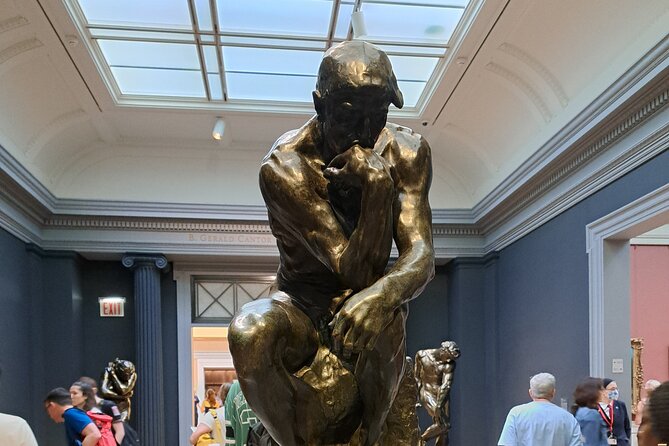
The MET is famous for scale. Even if you’ve been before, a museum this big can turn into a game of guesswork: Where do I go next, and why is this one work important?
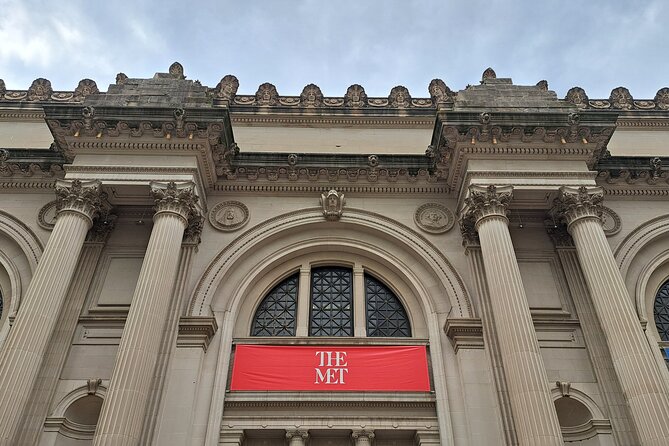
This tour is built to solve that problem. You meet at 1000 5th Ave (start time 10:30 am), then follow a 2-hour route designed around major galleries and recognizably important works. The payoff is that you’re not just collecting sights—you’re collecting understanding as you move.
The format is also relaxed in a smart way. There’s a maximum of 10 travelers, which matters at the MET because crowded galleries can make it hard to look properly. Here, you’re more likely to actually see details instead of just standing near them.
You can also read our reviews of more guided tours in New York City



Price and value: what you’re really paying for
At $78 per person, this isn’t the cheapest way to see the MET. But the value comes from what’s included and how your time is handled.
You get admission included, a guided tour by an expert accredited in New York, and access to services that reduce friction (like wardrobe and Wi‑Fi). That means your money is buying back convenience and clarity—two things that are hard to recreate if you go completely on your own.
You’ll also typically book around 26 days in advance on average, which hints this is a popular format. If Spanish is your comfort zone and you like structure, getting a slot earlier is a good move.
Stop 1 at the MET: how the 2-hour route is likely to flow
Even though the tour lists one main stop—the MET—the experience is really a sequence of themed highlights. The idea is that your guide keeps you moving through the museum’s “big chapters” without you having to figure out the logistics.
Expect the group to focus on the museum’s most important areas first, then branch into major European masterpieces and architectural fragments later. It’s not a random lap. It’s a curated storyline where each stop supports the next.
A 2-hour tour also pushes you to make decisions fast. You’ll get enough time at each highlight to understand what you’re seeing, but you won’t linger the way you would if you were doing this at your own speed. If you love slow museum hours, plan to come back another day.
Egyptian art: sarcophagi and the Dendur Temple moment
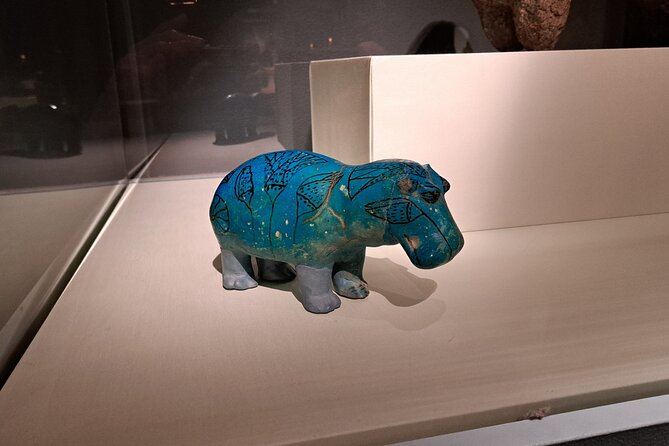
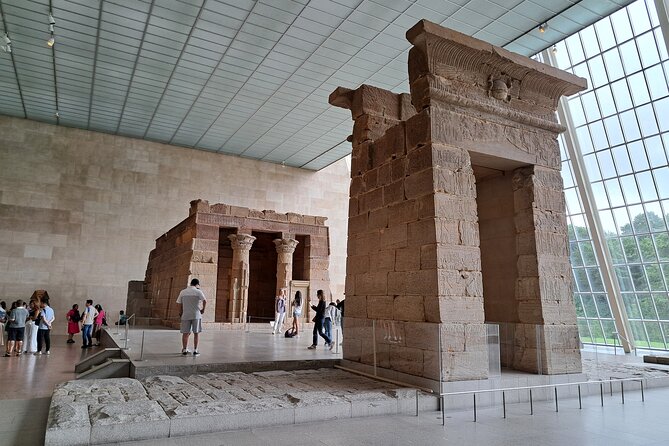
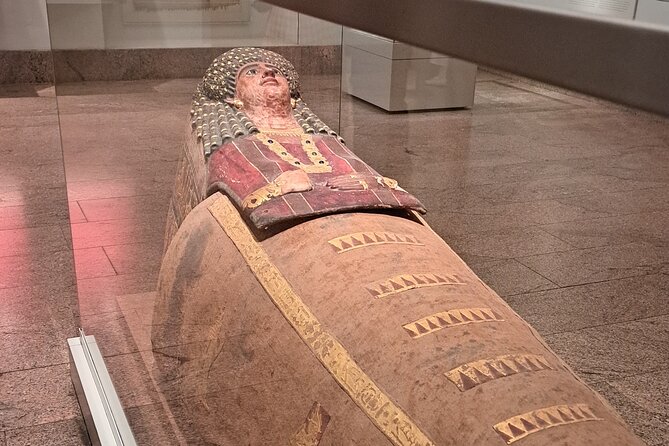
Egyptian art is where the MET’s collection can feel instantly dramatic. In this tour, you start your learning with Egyptian pieces like sarcophagi and sculptures, then you reach the standout architectural highlight: the Dendur Temple.
What I like about this choice is how quickly it changes the tone of the museum. Egyptian objects don’t just sit there as antiques; they bring an entire worldview with them. With a guide explaining what you’re looking at, the forms make more sense right away—why certain details appear the way they do, and what the work is trying to communicate.
The Dendur Temple is also a great anchor. It gives you a real sense of monument scale, and it breaks up the museum’s gallery feel into something more like standing in history. If you’ve ever seen photos of the temple and wondered what it’s like in person, this is a helpful way to experience it while staying oriented.
Greek to Roman highlights: ceramics and the weight of empire
After Egypt, the tour keeps momentum by shifting into Mediterranean art. You’ll see Greek ceramics, and then move into the splendor of Roman art.
This matters because Greek and Roman art often get lumped together by casual museum browsing. With a guide’s explanations, you can start noticing how the styles and purposes differ—how form, subject, and cultural goals change when you move from one era to the next.
Roman art also tends to feel more physical and public. Even if you’re not an expert, a structured visit helps you look past the surface and ask better questions: What is this work emphasizing? Is it designed for power, ritual, storytelling, or status?
You can also read our reviews of more museum experiences in New York City






Painting and sculpture “greatest hits”: Velázquez to Van Gogh
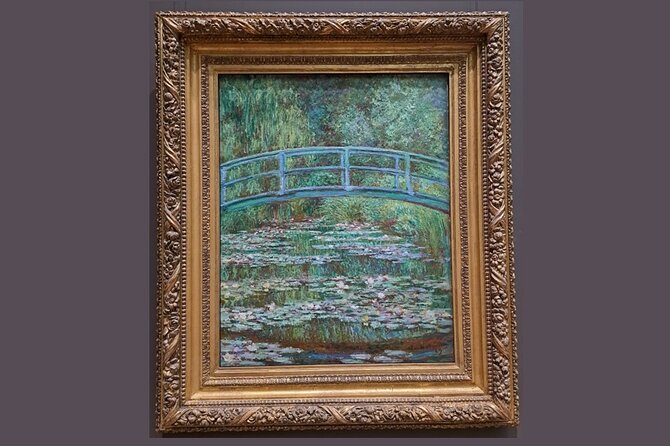
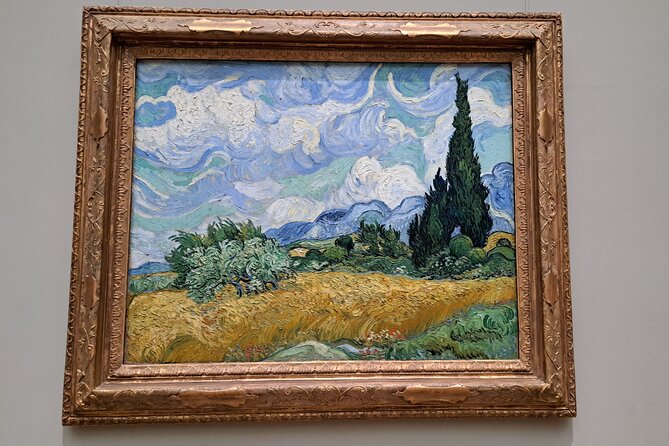
One of the most appealing parts of this tour is that it includes major painting names across centuries. You’ll get to see works by Velázquez, Dalí, Van Gogh, Monet, Botticelli, Vermeer, El Greco, and Gauguin, among others.
The benefit here is simple: you don’t waste time hunting down masterpieces on your own. In a place with thousands of works, that hunt can quietly drain your energy. A guide helps you focus on the paintings most likely to reward attention.
I also like that this section spans different artistic “languages.” You go from realism and classicism to later styles that can look totally different at first glance. With the guide’s framing, you’re less likely to feel like you’re staring at random canvases. Instead, you’re building a sense of how artistic goals change over time.
Two architectural stops you can’t get by “just reading labels”
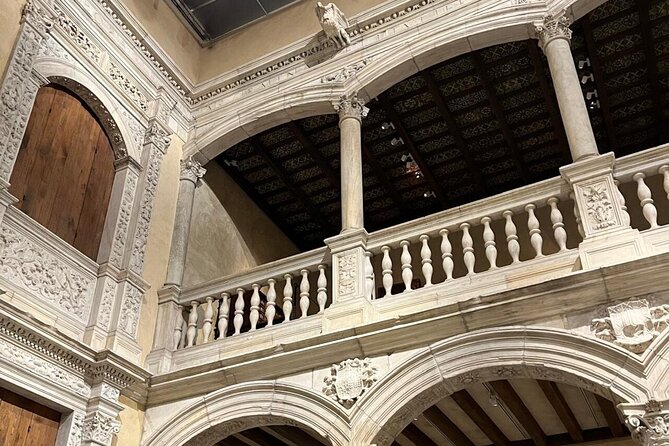
Not all important MET moments are paintings. This tour specifically calls out architectural fragments, and that’s a smart way to experience the museum’s range.
You’ll learn about the Patio de Vélez Blanco (Almería), and you’ll also see the gate of the Valladolid Cathedral. These aren’t just decorative backdrops. They’re evidence that art history lives in buildings, not only on walls.
Here’s the practical value for your visit: architectural pieces tend to be easy to misunderstand if you treat them like background. A guide’s explanation helps you look at proportions, materials, and how the piece would have functioned in its original setting.
It also makes the tour more memorable. Paintings can blur together over time, especially in a fast visit. But architectural highlights give you strong visual anchors—and they photograph better because they have clear structure.
Included admission, wardrobe, and Wi‑Fi: small perks that matter
This tour includes admission to the MET, plus a wardrobe and Wi‑Fi throughout the museum.
Wardrobe is the kind of thing you don’t notice until you need it. If you’re arriving with a jacket, bag, or layers, having a way to stow items reduces the hassle of carrying everything while you’re focused on art.
The Wi‑Fi is also practical. It helps you stay connected without fighting spotty cell service inside the galleries. That can be useful for map checks, quick lookups, or coordinating with whoever you’re meeting after.
And because the tour uses a mobile ticket, you don’t need to manage paperwork once you’re there. You just show what you have and keep moving.
Small group pacing: why max 10 feels different at the MET
A group of up to 10 might not sound small in theory. In a museum, it changes the experience.
With fewer people, your guide can keep the rhythm. You’re more likely to stop where it’s not bottlenecked, and you get more chances to hear explanations clearly. It also makes it easier for you to adjust pace—if you want an extra minute at a specific work, you’re not always trapped behind someone who won’t budge.
I also think it helps with the tour’s main promise: making the museum feel navigable. The MET is sprawling, so a guided route plus a small group is what turns a complicated building into something you can actually enjoy.
Who this tour suits best (and who should rethink it)
This guided tour is a great fit if you want:
- A Spanish-language museum experience
- A route that prioritizes famous highlights and major “chapters” of art history
- Expert context so you enjoy the MET even if you’ve visited before
It may be less ideal if you:
- Only want a full self-directed marathon through every wing
- Need a non-Spanish tour option
- Get frustrated by shorter time windows inside huge venues
One more thought: if your goal is to see the museum’s full depth, treat this as a first-class overview. Then come back later for slower, deeper wandering.
Reviews in plain language: what people clearly loved
The feedback is consistently enthusiastic. The strongest theme is that the professional guidance makes the MET more enjoyable, even for people who had been there previously. That matches what I’d expect from a structured route: when you understand what you’re looking at, the museum feels less like a blur of rooms.
I also like that the comments point to how interesting the overall selection was, not just one standout gallery. That tells me the pacing and choice of highlights work as a full experience, not a “one miracle stop” situation.
Quick practical FAQ
FAQ
What language is this MET guided tour in?
This tour is offered in Spanish.
How long does the tour take?
The tour lasts about 2 hours.
Is admission to the MET included in the price?
Yes. Entrance to the MET museum is included.
Where do I meet for the tour?
You start at The Metropolitan Museum of Art, 1000 5th Ave, New York, NY 10028, USA.
How many people are in the group?
The tour has a maximum of 10 travelers.
Are tips included?
No. Tips are not included.
Should you book this guided MET tour?
If you want an efficient, high-impact way to see the MET’s biggest works in Spanish, I think it’s a smart booking. The included admission, wardrobe, and Wi‑Fi reduce friction, and the 2-hour structure helps you actually enjoy a museum that can otherwise feel endless.
Book it if you like clear explanations and you’d rather spend your time understanding masterpieces than figuring out where to go next. Skip it only if you strongly prefer a fully self-paced visit, or if Spanish isn’t your comfort zone.