REVIEW · NEW YORK CITY
3 Hour NYC Photography Workshop
Book on Viator →Operated by New York City Photo Safari · Bookable on Viator
Shoot better photos before lunch in Manhattan. This 3-hour NYC photography workshop pairs you with a professional photographer so you can practice your camera skills on real city scenes, not just theory. I like the small-group setup for fast, personal feedback, and I love the hands-on camera coaching that helps you shoot what you actually see. One consideration: the activity needs good weather, so plan for possible date changes if conditions are poor.
You’ll meet near Grand Central at Pershing Square, then spend the morning (or afternoon) working through major Manhattan photo spots, from the bright energy around Times Square to the crisp lines of the Chrysler Building. The format is simple: walk a bit, stop somewhere good, then learn angles, composition, and practical camera techniques you can use immediately. If you’ve ever wondered why your photos look flat compared with what you see in your head, this kind of focused practice is exactly the antidote.
In This Review
- Key Takeaways Before You Go
- Learning in Real Time: How the Pro Photo Coaching Works
- Pershing Square Start: Easy Access Near Grand Central
- Times Square and Theater District: Shoot the Chaos with a Plan
- Second Times Square Pass: Repeat with New Angles
- Bryant Park: Finding Clean Frames Between Foot Traffic
- New York Public Library: Classic Architecture, Better Angles
- Chrysler Building: From Icon to Personal Composition
- Small-Group Feedback, Price Value, and Who This Is For
- Should You Book This NYC Photography Workshop?
- FAQ
- How long is the 3 Hour NYC Photography Workshop?
- Where does the workshop meet?
- How many people are in the group?
- What is included in the price?
- What will I learn during the workshop?
- What happens if weather is poor?
- Can I get a refund if I cancel?
Key Takeaways Before You Go
- Small-group coaching (up to 8 people) means you get more than one-size-fits-all advice.
- Manhattan photo practice in a tight 3-hour window keeps you focused on what to shoot next.
- Composition and angles, not just sightseeing—you’ll get specific guidance for framing.
- A pro photographer instructor with real teaching time instead of a passive walk.
- Great anchor location near Grand Central makes meeting and getting there easier than many tours.
- Good-weather dependent planning helps you avoid a half-day of disappointment.
Learning in Real Time: How the Pro Photo Coaching Works
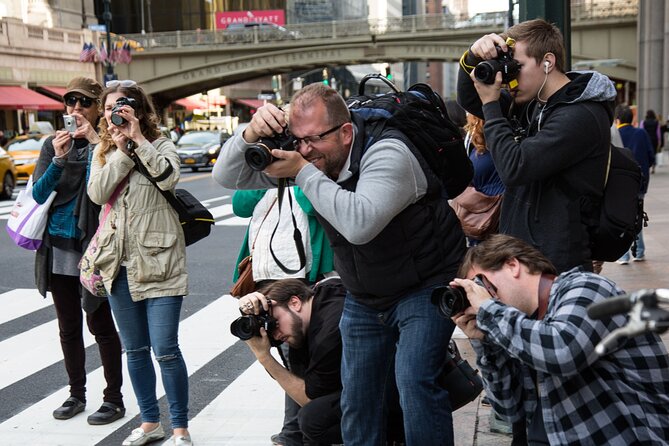
This workshop is built around a simple idea: improve your photos by getting coached while you’re standing in front of the scene. You’ll work with a professional photographer instructor and get practical help using your digital camera’s features and functions. The goal isn’t to turn you into a technical robot. It’s to help you make decisions—what angle to choose, where to stand, how to frame buildings, and how to compose with the messiness of street life.
You can expect instruction to focus on composition and best locations, with time to apply what you learn on the spot. That matters because photography feedback lands differently when you can immediately test it. If you’re stuck using the same settings and the same framing over and over, this kind of guided practice gives you a new default way of seeing.
One more thing I appreciate: you’re not limited to architecture alone. You’ll have chances to photograph the city’s people, objects, scenery, and buildings using the techniques you’re taught. That mix is useful because it forces you to adapt your approach as the subject changes.
You can also read our reviews of more photography tours in New York City



Pershing Square Start: Easy Access Near Grand Central
The meeting point is Pershing Square at 90 E 42nd St, a location that’s very convenient for getting your day started. Starting near Grand Central is a practical win. You’re close to major transit lines, so you’re less likely to burn time getting there or worrying about complicated transfers.
Also, the tour ends back at the meeting point. That’s handy in New York. You’re not guessing where you’ll end up, and you can quickly head off to lunch, an afternoon activity, or subway home without adding extra stress.
The workshop runs about 3 hours, and it’s designed for a moderate physical fitness level. You should expect walking and stop-and-start time, not a sit-down lecture. If you plan around that pace, you’ll get more value from every stop.
Times Square and Theater District: Shoot the Chaos with a Plan
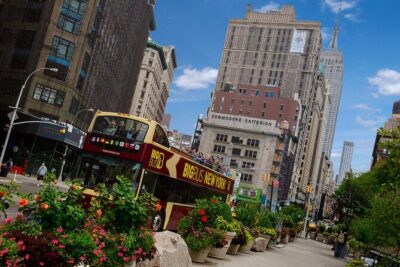
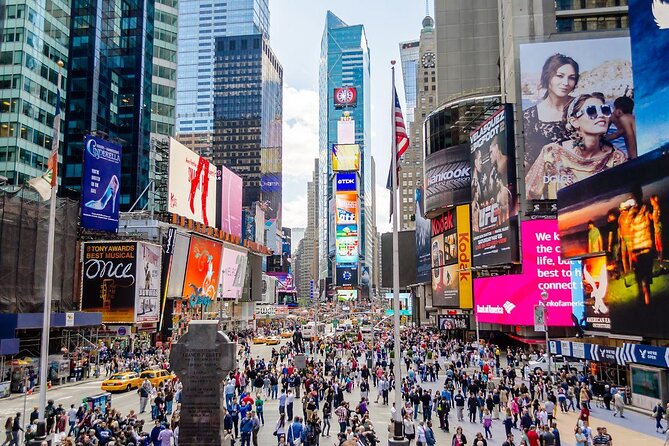
Times Square isn’t subtle, and that’s the point. You’ll start in the Times Square / Theater District area, where the visual ingredients are everywhere: signage, bright light, crowds, layered buildings, and reflections. This is where good composition coaching pays off fast, because if you don’t control the frame, your photo can turn into a visual junk drawer.
In a workshop like this, your instructor guidance helps you pick angles and structure your images. You’ll be thinking about where the subject sits, what lines lead the eye, and how to keep your photo from getting overwhelmed by too many competing elements. Times Square also gives you a chance to practice shooting people and street scenes, not just landmarks.
One note to keep expectations realistic: this area can be crowded and active. If you’re hoping for quiet, tripod-friendly stillness, you might not get it. Instead, you’ll learn how to work with the environment—how to find a workable viewpoint, how to frame quickly, and how to make even busy scenes look intentional.
Second Times Square Pass: Repeat with New Angles
You’ll spend additional time in Times Square, which is smarter than it sounds. A second pass usually means you can compare. You’ll have one chance to learn from the first round, then apply it while trying different positioning or camera choices.
That repetition is where improvement often happens. You notice patterns: certain angles flatten buildings, other angles stretch them. Some framing keeps your subject clear; other framing blends everything together. With a pro beside you, you’re not stuck guessing.
If you’ve ever shot the same spot multiple times and gotten the same result, this approach can help break that cycle. The key is to treat the second round like a controlled experiment: change one thing at a time—angle, distance, or composition—then see what improves.
Bryant Park: Finding Clean Frames Between Foot Traffic
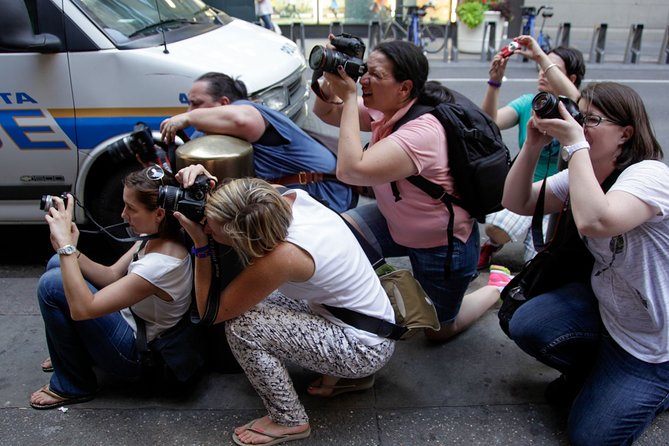
Bryant Park is a big step away from pure glare and signage. It’s one of those Manhattan spaces where you can often find calmer visual structure while still staying in the city’s action. This stop is ideal for learning how to compose when there are strong architectural lines, open space, and lots of elements at different distances.
In a photography workshop setting, this is where you can practice framing with intention. You’ll be able to work on subject separation—how to keep attention on what you want people to see. You can also refine your angles so your photos feel like a decision, not a snapshot.
Another reason I like Bryant Park for this kind of workshop: it’s a great training ground for pacing yourself. You can slow down enough to test ideas, but you’re still in an area where city life shows up in the background. That balance helps you develop both street and composition skills in one sitting.
You can also read our reviews of more tours and experiences in New York City



New York Public Library: Classic Architecture, Better Angles
The New York Public Library stop is all about learning how to frame iconic architecture so it looks sharp, balanced, and intentional. Big landmarks can be tricky. From some angles, they look fine in person but awkward in photos—too much vertical stretch, distracting backgrounds, or lines that don’t lead the eye.
With instructor coaching, you’ll focus on how to use composition to control the view. That might mean adjusting your position so the building’s shapes look right in the frame, or choosing an angle that makes the subject feel grounded rather than tipped over by perspective. You’ll also get hands-on practice thinking about depth: what sits in the foreground, what stays clear in the middle, and what you let fade.
This stop is also useful for photographers who want their images to feel more like a story. The library area gives you a strong sense of place, and good framing helps your photo communicate the setting without needing extra context.
Chrysler Building: From Icon to Personal Composition
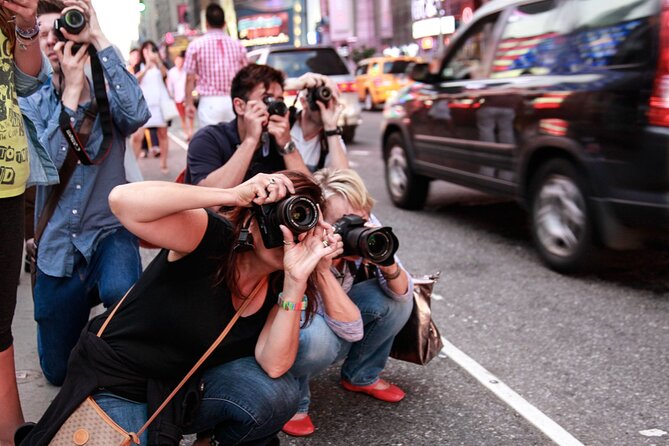
The Chrysler Building is the kind of place where you’ll see why “stand here” advice doesn’t work. It’s an iconic structure, but your photo outcome depends heavily on where you stand, what portion you include, and how you manage the lines of the facade.
During this part of the workshop, you’ll be practicing composition choices that make the difference between a standard postcard and something that feels composed. You’ll also learn how to handle the building’s shape—how to avoid distortion problems and how to aim for a framing that looks balanced instead of cramped.
I especially like this stop for photographers who want their skills to apply beyond one famous building. The lessons you practice here—controlling framing, choosing angles, and organizing visual lines—transfer directly to other architecture too. Even if you never shoot skyscrapers again, you’ll carry the same way of thinking into your next city photo session.
Small-Group Feedback, Price Value, and Who This Is For
This workshop costs $125 per person for about 3 hours, and the value is strongest if you want coaching you can actually use immediately. If you’re the type who learns by doing, the math works better than you might expect. You’re paying for instructor time, on-street teaching, and practice at multiple locations—not just a walk with a camera tag-along.
The small group size matters a lot here. With a maximum of 8 people, you’re more likely to get direct feedback instead of waiting your turn. That’s a real advantage when you’re trying to adjust your framing on the fly.
Based on how the instructor is described in past sessions, the teaching style seems to hit the right notes: personable, professional, and packed with practical tips. One review specifically praised an instructor named Zim for explaining everything clearly and keeping the session active with no downtime. Another highlighted that the workshop helped with techniques for photographing people, objects, scenery, and buildings—exactly the mix you want if you’re trying to broaden your skills quickly.
Who is it best for?
- You’re improving digital camera skills and want real feedback while you shoot.
- You like structured practice through classic Manhattan photo spots.
- You’re comfortable walking for a few hours and want a hands-on class vibe.
If you’re looking for a quiet, slow museum-style photography experience, this might feel a bit fast and urban-energetic. But if you want improvement with momentum, it fits well.
Should You Book This NYC Photography Workshop?
I’d book it if you want your camera skills to level up in a short, focused window. The biggest reason is the structure: pro-led instruction on angles and composition, plus immediate chances to apply it around key Manhattan scenes. You also get a convenient start point near Grand Central and a small group that supports actual feedback.
Skip it only if you dislike walking, or if you need a flexible schedule that can’t handle good-weather requirements. If the weather gods cooperate, this is a strong way to leave NYC with better photos and a clearer idea of how to frame what you see.
FAQ
How long is the 3 Hour NYC Photography Workshop?
The workshop lasts about 3 hours.
Where does the workshop meet?
It meets at Pershing Square, 90 E 42nd St, New York, NY 10017.
How many people are in the group?
The tour/activity has a maximum of 8 travelers.
What is included in the price?
A professional photographer instructor is included.
What will I learn during the workshop?
You’ll get hands-on instruction on using your digital camera’s features and functions, plus guidance on best angles, locations, and composition.
What happens if weather is poor?
This experience requires good weather. If it’s canceled due to poor weather, you’ll be offered a different date or a full refund.
Can I get a refund if I cancel?
Yes. Free cancellation is available if you cancel up to 24 hours in advance for a full refund. If you cancel less than 24 hours before the start time, the amount paid won’t be refunded.