REVIEW · NEW YORK CITY
AIANY Climate Change Tour in New York
Book on Viator →Operated by Classic Harbor Line NYC · Bookable on Viator
This climate cruise turns New York’s waterfront into evidence.
I love how the AIANY/AIA architecture lens makes climate change feel real, not abstract, with clear connections to buildings, parks, and energy. I also love the format: a comfortable boat ride that keeps the skyline moving while you learn what the city is doing about flooding, resilience, and future clean power.
Here’s the one catch: this is a heavily-narrated cruise. If you want a quiet, talk-with-your-friends sail, you may find the constant guide talk a bit much, and conversations are expected to stay at a reasonable level so everyone can hear.
In This Review
- Key highlights you’ll feel on board
- Climate change told the New York way: from pier to shoreline
- Chelsea Piers start: comfort, small groups, and the vibe onboard
- The AIA architect narration: why it changes how you look at NYC
- Green buildings and resilient shorelines on the first pass
- Statue of Liberty and Ellis Island from the water
- East River engineering: UN views, East River Park, and Inwood
- Hudson River waterlines: Riverside Park and Roosevelt Island
- What you get with the price: value vs. expectations
- Comfort details that actually matter during a 3-hour sail
- Who should book this climate change cruise (and who shouldn’t)
- Should you book the AIANY Climate Change Tour?
- FAQ
- How long is the AIANY Climate Change Tour?
- What does the tour cost?
- What’s included in the ticket price?
- Is food included?
- Is the cruise guaranteed to fully circumnavigate Manhattan?
- Is this tour suitable for children?
Key highlights you’ll feel on board
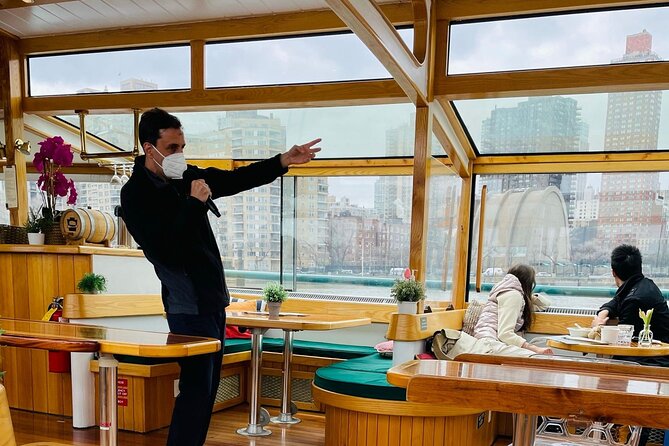
- AIA-level narration on climate change that ties coastlines to design and infrastructure
- Green buildings, resilient shorelines, and renewable energy called out as you pass
- A full Manhattan loop try, with Statue of Liberty views and Ellis Island from the water
- Small-group feel with assigned tables (private section or communal seating)
- One included drink, plus snacks you can buy if you want something more substantial
Climate change told the New York way: from pier to shoreline
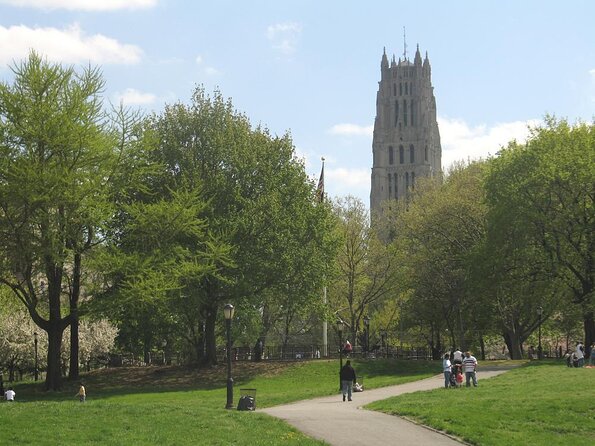
The big idea here is simple: you’re in a city where weather and water already shape daily life. On this cruise, that shows up in a very practical way. Instead of seeing climate change as a scary headline, you get it framed as design choices and engineering work you can spot along the waterfront.
I like that the tour uses what New Yorkers already recognize—parks, harbors, major buildings—then asks a sharper question: what happens when storms get stronger, tides rise, and the city plans for it? The narration doesn’t stay in theory. It points to flood walls after Superstorm Sandy, resiliency measures, and the kind of municipal infrastructure that keeps things functioning.
If you’re the type who likes to look at a skyline and wonder what you’re really seeing (or why it was built that way), this format fits. You’ll also get a better sense of how water geography affects neighborhoods from the East River to the Hudson.
You can also read our reviews of more tours and experiences in New York City.



Chelsea Piers start: comfort, small groups, and the vibe onboard
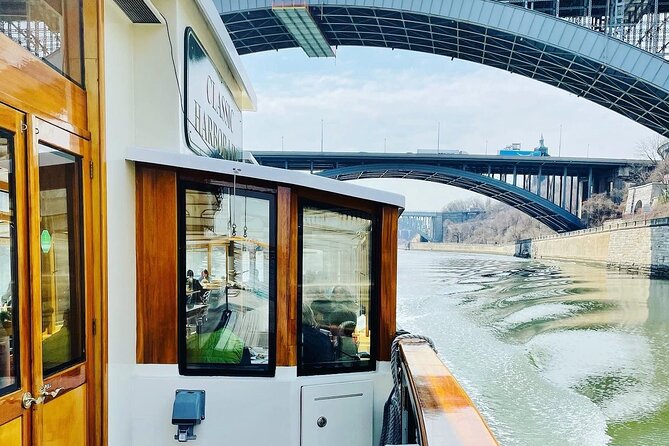
You’ll depart from Classic Harbor Line at Chelsea Piers, Pier 62. That location is convenient because it’s right on the Manhattan waterfront, and it’s listed as near public transportation. For a 2 hours 45 minutes cruise, that matters: you’re not losing half your day commuting across town.
The cruise caps at 80 travelers, and the tone of the experience feels more intimate than that. In real onboard feedback, people describe the boat as comfortable and clean, and one review specifically notes around 30 passengers, which tracks with why the narration feels close-up instead of lost in crowd noise.
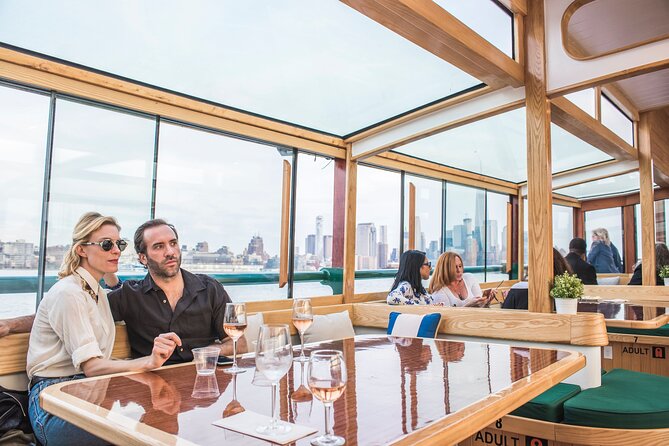
Seating is assigned. You can choose a private section or go communal at checkout, and you’ll have tables rather than just standing around for views. I appreciate that, because you can actually settle in, keep your hands free for photos, and focus on the guide instead of constantly shifting for sightlines.
The AIA architect narration: why it changes how you look at NYC
This tour is led by a member of the American Institute of Architects, New York Chapter. That’s the secret sauce. Architects and designers don’t just describe what’s pretty. They pay attention to how systems hold up under stress: wind, water, heat, and long-term wear.
You’ll get a heavily narrated experience for nearly the full ride, with the guide pointing out what matters and why. In multiple reviews, one name that comes up is Doug, praised for being highly informed and personable, and for answering questions throughout. That’s a big deal on a climate-focused tour. When the guide can connect dots between what you’re seeing and what it protects against, the whole trip clicks.
Just note the style: it’s not a silent scenic cruise. The operator asks you to keep conversation at a reasonable level so narration can be heard. If you’re traveling with chatty friends, agree ahead of time to save side talks for the quieter moments.
Green buildings and resilient shorelines on the first pass
Right after you leave, the narration starts building your climate “map” of the city. You’ll cruise past green buildings, sustainable parks, and renewable energy sites. You’ll also see the waterfront story after Superstorm Sandy: flood walls and other resiliency measures.
This is one of the strongest parts of the experience because it’s not just doom-and-gloom. You get both the problem and the response. Flood protection is visible. So is a shift toward cleaner power and more sustainable planning.
A practical way to get more out of this segment: keep an eye out for changes in how the shoreline looks—where the coast has been reinforced, where parks meet water, and where infrastructure suggests active planning rather than past-as-usual building. Even if you don’t catch every technical detail, you’ll start noticing patterns: the city is treating the waterfront like a system that must be managed.
You’ll also hear about recycling plants and the future home of an offshore wind turbine assembly pier. Whether you’re already a renewable-energy fan or brand-new to the topic, offshore wind is a great “future anchor” because it’s directly tied to where energy equipment gets built and shipped—not just abstract policy.
Statue of Liberty and Ellis Island from the water
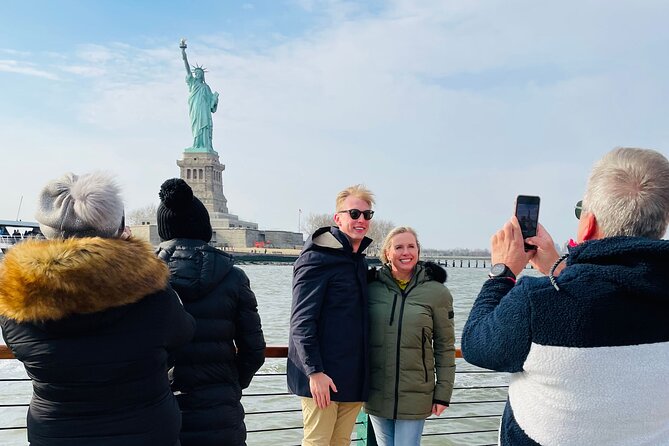
Next, you’ll pass by the Statue of Liberty in New York Harbor and continue on a route that circumnavigates Manhattan. This is the part where the cruise shifts from “climate tour” to “classic New York water views,” and it works.
From the water, Liberty doesn’t feel like a distant postcard. It feels like part of a working harbor system. That makes the climate theme land better, too: this is a coast that has always been shaped by water, trade, and storms, and now those pressures are being planned for more explicitly.
Then you’ll see Ellis Island from the water. If you’ve only seen Ellis Island from land, this angle can feel extra meaningful. It’s a reminder that immigration history and coastal geography are linked—people arrived by ship, and the harbor context matters.
If you care about photos, plan to rotate your attention: look up for the big monuments, then look back to the shoreline and infrastructure the guide is discussing. The best shots often include both: a landmark in the foreground and something engineered or maintained along the coast.




East River engineering: UN views, East River Park, and Inwood
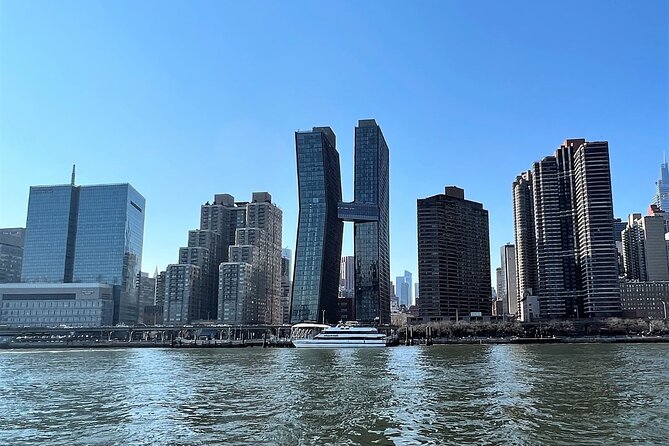
As you cruise the East River, the narration points you toward major landmarks and the daily waterfront spaces that people sometimes overlook. One highlight is passing the United Nations building along the river.
This segment is valuable because it connects a globally iconic location with the local, practical reality of living beside moving water. Climate change is often taught as a science lesson. Here it’s treated like a design and operations problem for a city with millions of lives and livelihoods along rivers.
You’ll also cruise by East River Park while the guide adds insights along the way. Parks matter in climate planning because they can serve multiple roles: public space, stormwater handling, and buffer zones that help reduce pressure on harder edges of the shoreline.
Then you’ll cruise by the neighborhood of Inwood. The lesson isn’t that every waterfront stretch looks the same. It’s that the city’s climate responses vary by geography, existing infrastructure, and where protection is most needed.
If you like this kind of tour, this East River section is where you’ll start recognizing the “through-line”: the water isn’t just scenery. It’s a living boundary the city manages.
Hudson River waterlines: Riverside Park and Roosevelt Island
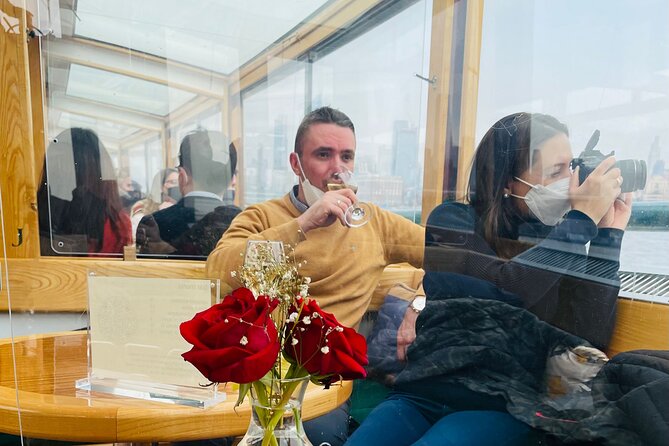
The cruise continues along the Hudson River, passing Riverside Park. The park segment helps break up the heavier engineering talk with a more human scale. You’re still learning, but now you’re also seeing the city’s waterfront as a place people use—not only a place engineers protect.
You’ll also pass Roosevelt Island. This is a good moment to watch how different parts of the river corridor feel and how the city’s layout creates distinct viewpoints. It also helps you understand the circumnavigation as more than a checklist. You’re moving through different water settings and different neighborhood edges, all while the guide ties it back to climate impacts and response.
One note that affects planning: the experience aims for a full circumnavigation of Manhattan, but it’s not guaranteed. Rarely, the Spuyten Duyvil train bridge may be inoperable and cannot open for the route. River closures can also happen for other reasons. If a full loop doesn’t happen, the operator says they will accommodate with a route that includes double backing and further waterfront detail, and there are no refunds when full circumnavigation doesn’t occur. If that absolute “full loop” is a must for you, this is worth weighing before booking.
What you get with the price: value vs. expectations
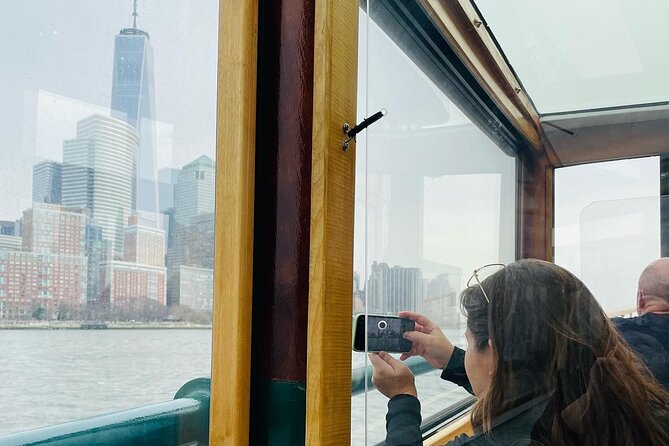
At $113.23 per person for about 2 hours 45 minutes, the value is mostly about what’s included and how much learning you’ll get during the ride.
You do get:
- Narration by a member of the American Institute of Architects New York Chapter
- Assigned tables, with private section seating or communal seating
- One complimentary beverage
Food is not included. You can buy options on board, and if you bring something, the note is to keep it to a light snack. This means you can still travel light, but don’t count on a full meal being part of the ticket.
The only real expectation check is narration level. If you want a sightseeing cruise with minimal commentary, this isn’t built for you. But if you want to learn how climate change intersects with architecture and the waterfront, the ticket cost starts to feel fair because the guide does a lot of work in a single package: storytelling, pointing things out live, and keeping the cruise moving.
Comfort details that actually matter during a 3-hour sail
This boat ride is set up so you can stay comfortable while you listen. People mention the vessel is beautiful and comfortable, and the staff is friendly and helpful. That’s not just nice to hear; it matters on a narrated tour because comfort keeps your attention on the guide instead of on getting uncomfortable.
Warm weather clothing still helps. Even in comfortable seasons, waterfront wind can change fast. Bring a layer you’ll actually use, especially if you’re near the rail for longer photo stops.
Also, you’ll have a drink included. If you’re thirsty, that’s a simple plus. If you want more, you can buy snacks and drinks on board, which can help turn the trip into a smoother “no other plans” outing.
Who should book this climate change cruise (and who shouldn’t)
I think this tour fits best if you:
- love architecture, design, and the built environment
- want a climate-focused activity that still feels fun and scenic
- prefer learning in motion rather than sitting in a classroom
- like asking questions during a guided experience
It’s also a great choice for locals who want a different lens on familiar areas. The feedback I saw repeatedly praised the guide’s insider architectural framing—especially for people who already thought they knew the city.
I’d skip it if:
- your top priority is quiet cruising or lots of social chatting
- you’re traveling with kids under 12, since it’s not for that age group due to the heavily-narrated format
- you’re expecting the narration to be light and occasional
One more match point: this is for good weather. The tour notes it requires good weather, and if it’s canceled due to poor weather, you’ll be offered another date or a full refund. So if you book during a variable forecast window, build in some flexibility.
Should you book the AIANY Climate Change Tour?
Book it if you want a smarter way to see Manhattan’s waterfront—one that explains what you’re looking at and why climate planning is already written into the city’s structures. The combination of AIA-level narration, clear focus on resiliency after Sandy, and the route that sweeps past Liberty and Ellis Island makes this feel like both education and classic New York views.
Skip it if you dislike heavy narration or if you’re bringing a young kid who would struggle with a content-rich, guided format. And if a full circumnavigation is non-negotiable, remember the route can be affected by bridge operations or river closures.
For most people who like learning while sightseeing, this is a solid value: you’re paying for live interpretation from an architect-level narrator and a comfortable, table-seat cruise that shows a lot of shoreline in one go.
FAQ
How long is the AIANY Climate Change Tour?
The cruise runs about 2 hours 45 minutes.
What does the tour cost?
The price is $113.23 per person.
What’s included in the ticket price?
You get narration by a member of the American Institute of Architects New York Chapter, assigned tables with a choice of private section or communal seating, and one complimentary beverage.
Is food included?
No. You can purchase food on board. If you bring food, the guidance is to keep it to a light snack.
Is the cruise guaranteed to fully circumnavigate Manhattan?
No. A full loop is not guaranteed. Rarely, the Spuyten Duyvil train bridge can be inoperable and cannot open, and river closures can also affect the route. If a full circumnavigation doesn’t happen, the operator says they’ll accommodate with a double-backed route and additional waterfront detail, and there are no refunds for tours that cannot fully circumnavigate.
Is this tour suitable for children?
It’s not for children under 12 because it is a heavily-narrated experience. Families are encouraged to consider other minimally narrated daytime options.